
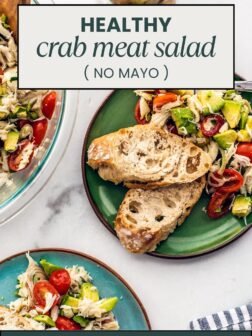
If you’re tired of boring diet food that leaves you feeling unsatisfied, lump crab meat is the nutrient-dense, versatile protein you’ve been missing. Mild, sweet, and low in calories, it works for everything from 10-minute weeknight lunches to meal prep bowls that last all week, no heavy sauces or complicated techniques required. This guide covers everything you need to know to select, store, cook, and serve healthy lump crab meat dishes that taste indulgent without derailing your nutrition goals.
Why Lump Crab Meat Deserves A Spot In Your Healthy Meal Rotation
Lump crab meat is far more than a luxury seafood ingredient — it’s a functional, nutrient-packed staple that fits seamlessly into almost any healthy diet, from low-carb to Mediterranean to plant-forward eating patterns. Unlike many processed proteins, it has no added fillers, preservatives, or excess sodium when purchased fresh or pasteurized, making it a clean option for anyone focused on whole, unprocessed foods.
Complete Nutritional Breakdown
For context, per USDA FoodData Central, a standard 3-ounce serving of lump crab meat (about the size of a deck of cards) contains just 82 calories, 19 grams of high-quality complete protein, 1 gram of fat, and 0 grams of carbs. It’s also a powerhouse of essential micronutrients:
- 70% of your daily vitamin B12 requirement, critical for energy production and healthy nerve function
- 140% of your daily selenium, an antioxidant that supports thyroid health and protects cells from oxidative damage
- 40% of your daily zinc, which boosts immune function and supports wound healing
- 500mg of omega-3 fatty acids, meeting the American Heart Association’s daily recommended intake for reducing inflammation and supporting heart health
A common misconception is that crab meat is high in cholesterol and unsafe for heart-healthy diets. Current USDA and AHA guidelines confirm that dietary cholesterol has minimal impact on blood cholesterol levels for most people, so lump crab meat is a safe, heart-friendly option when prepared with minimal added saturated fat.
Key Health Advantages
Beyond its impressive micronutrient profile, lump crab meat offers unique benefits for specific health goals. The high complete protein content supports muscle retention and growth, making it ideal for people following strength training routines or calorie-deficit diets for weight loss — the protein keeps you full for 3+ hours after eating, reducing the likelihood of unnecessary snacking. The omega-3s in crab also support cognitive function and reduce chronic inflammation linked to conditions like arthritis and heart disease. For people with iron-deficiency anemia, pairing crab with vitamin C-rich ingredients like citrus or bell peppers boosts iron absorption by up to 3x, making it a great addition to plant-based diets as well.
How To Pick, Store, And Source Sustainable Lump Crab Meat
Quality and freshness make or break healthy lump crab meat recipes — spoiled crab not only tastes off, but also carries a risk of foodborne illness. Follow these guidelines to select the best product for your needs, and store it properly to lock in flavor and nutrition.
Selecting The Highest Quality Lump Crab Meat
Most home cooks will encounter two main types of lump crab meat at grocery stores:
- Fresh crab meat: Sold in the seafood counter, typically 1-2 days from catch, with a bright, sweet ocean flavor. Best used within 1-2 days of purchase.
- Pasteurized crab meat: Vacuum-sealed, heat-treated to kill bacteria, and shelf-stable until opened. It’s more widely available and affordable, and stays fresh for 12-18 months unopened.
When selecting either type, look for these signs of quality:
- Color: Creamy white with a faint pink tint (from natural crab shell pigment). Dark brown or black spots indicate oxidation and spoilage.
- Smell: Clean, briny ocean scent. Avoid any crab with a sour, ammonia-like, or overly fishy odor, which signals it’s past its prime.
- Texture: Firm, moist, distinct lumps with no slimy coating or excessive liquid in the package. Avoid packages that are swollen or past their sell-by date.
For vulnerable groups (pregnant people, young children, immunocompromised individuals), the FDA classifies lump crab meat as a low-mercury seafood, safe to eat 2-3 servings per week when fully cooked.
Storage And Freshness Guidelines
Proper storage prevents bacterial growth and preserves crab meat’s delicate texture:
- Unopened pasteurized crab: Store in the fridge for up to 18 months, or freeze for up to 3 months.
- Opened crab (pasteurized or fresh): Store in an airtight container in the coldest part of your fridge, use within 3-5 days for pasteurized, 1-2 days for fresh.
- Freezing: Wrap tightly in plastic wrap, then place in a labeled freezer bag, squeezing out all excess air to prevent freezer burn. Thaw slowly in the fridge overnight, never at room temperature, to avoid bacterial growth. Never refreeze thawed crab meat.
- If you’re storing leftovers in the fridge, place them in the back of the shelf behind a childproof cabinet lock if you have young kids, to prevent accidental access to raw or spoiled seafood.
Sustainable Sourcing Tips
To ensure your crab meat is harvested in a way that protects marine ecosystems, look for MSC (Marine Stewardship Council) or ASC (Aquaculture Stewardship Council) certification on packaging, which verifies the crab comes from responsibly managed fisheries that avoid overfishing and habitat damage. When buying from a local fishmonger, ask if the crab is sourced from regional, well-regulated stocks to support sustainable local fishing practices. For the latest guidance on certified sustainable seafood options, including crab, refer to the NOAA Fisheries sustainable seafood program.
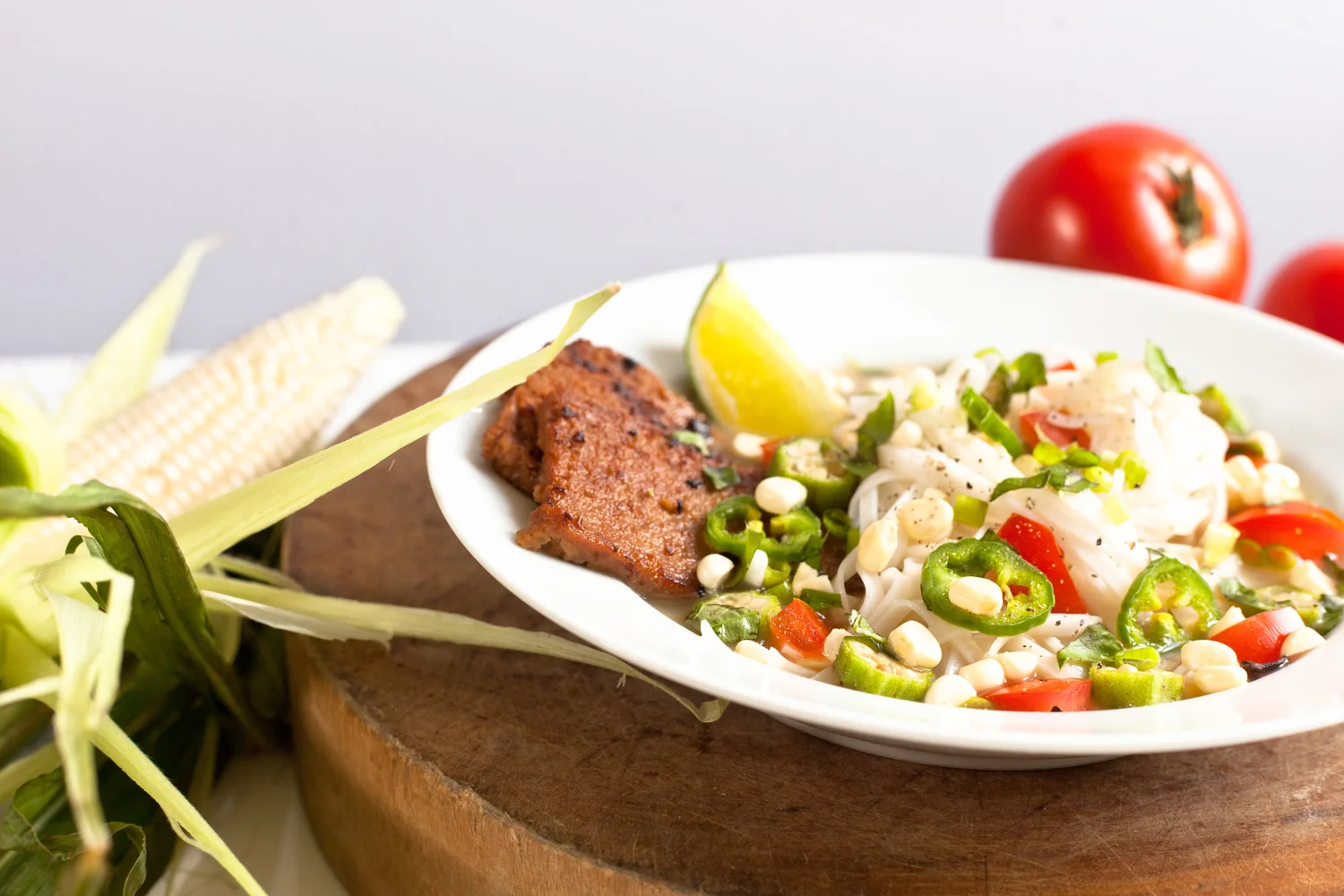 High-quality lump crab meat has a creamy white color with faint pink hues and a briny, ocean-forward scent
Healthy Cooking Techniques That Preserve Flavor And Nutrients
Lump crab meat is pre-cooked in almost all commercial preparations, so the goal of healthy cooking is to warm it through without drying it out or overpowering its delicate sweet flavor. These low-fat, low-heat methods retain 90% of the crab’s natural nutrients, compared to deep-frying which adds excess calories and reduces nutrient density by 40%.
Steaming, Baking, And Grilling
- Steaming: Place crab lumps in a steamer basket over boiling water, add lemon slices and fresh dill, and steam for 3-5 minutes until just warm. This method locks in moisture without added fat, perfect for salads and bowls.
- Baking: Wrap crab in foil with garlic, lemon, and roasted veggies, and bake at 375°F for 15-20 minutes. Ideal for stuffed peppers and casseroles, as the trapped steam keeps the meat tender.
- Grilling: Use a grill basket to prevent small lumps from falling through the grates, brush lightly with olive oil to prevent sticking, and grill for 2-3 minutes per side for a subtle smoky flavor.
Light Sautéing And Air Frying
For a touch of crispiness without deep-frying, use a non-stick skillet with 1 teaspoon of olive oil, sauté garlic or shallots for 30 seconds first, then add crab for 1-2 minutes just to warm through. For crab cakes, an air fryer cooks them to golden crispiness with 60% less oil than pan-frying, cutting calories significantly.
Common Cooking Mistakes To Avoid
- Overcooking: Lump crab only needs 2-5 minutes of heat total. Overcooking turns the meat rubbery and tough, and dries out its natural juices.
- Over-seasoning: Crab has a delicate, sweet flavor that’s easily overpowered by heavy spices, excess salt, or creamy sauces. Stick to fresh herbs, citrus, and mild seasonings like Old Bay or smoked paprika for best results.
- Using high heat: High heat evaporates the crab’s natural moisture quickly, leading to dry, chewy meat. Always cook over low to medium heat, and add a splash of water or broth to pans if the crab starts to stick.
5 Quick, Healthy Lump Crab Meat Recipes For Every Meal
All of these recipes come together in 30 minutes or less, use whole, unprocessed ingredients, and provide balanced macros of protein, complex carbs, and healthy fats to keep you full and energized.
1. Citrus Avocado Crab Salad (10 minutes, 320 calories per serving)
A bright, refreshing lunch that’s perfect for warm weather.
- Ingredients: 12 oz lump crab meat, 4 cups mixed greens, 1 sliced avocado, 1/2 cup cherry tomatoes, 1/4 cup sliced cucumber, 1 segmented orange, 2 tbsp lemon juice, 1 tbsp olive oil, 1 tsp dried dill, salt and pepper to taste.
- Steps: Toss greens, tomatoes, cucumber, and orange segments in a large bowl. Top with crab and avocado. Whisk lemon juice, olive oil, dill, salt, and pepper for dressing, drizzle over salad, and toss gently. The vitamin C from the citrus boosts iron absorption from the crab by 3x, making this salad especially nutrient-dense.
2. Quinoa Crab Power Bowl (25 minutes, 410 calories per serving)
A filling, post-workout meal that packs 25g of protein per serving.
- Ingredients: 1 cup cooked quinoa, 12 oz lump crab meat, 1/2 cup roasted sweet potato cubes, 1/4 cup diced red bell pepper, 2 tbsp chopped parsley, 1 tbsp olive oil, 1 tsp smoked paprika, salt and pepper to taste.
- Steps: Warm quinoa and crab meat separately in a skillet over low heat for 2-3 minutes (do not overcook). Divide quinoa into bowls, top with sweet potato, bell pepper, and crab. Drizzle with olive oil, sprinkle with paprika, parsley, salt, and pepper, and toss gently before serving. For even, safe chopping of the veggies, use a sturdy cutting board to avoid slips and cuts.
3. Baked Crab Stuffed Bell Peppers (35 minutes, 290 calories per serving)
A hearty, family-friendly dinner that sneaks in 8g of fiber per serving.
- Ingredients: 4 medium bell peppers (halved, seeds removed), 10 oz lump crab meat, 1 cup cooked brown rice, 1/2 cup diced zucchini, 1/4 cup low-sodium marinara sauce, 1 tsp garlic powder, 1 tsp dried oregano, 1/4 cup shredded part-skim mozzarella.
- Steps: Preheat oven to 375°F. Mix crab, brown rice, zucchini, marinara, garlic powder, and oregano in a bowl. Fill each pepper half with the mixture, top with mozzarella. Place in a baking dish with 1/4 cup water in the bottom to prevent sticking, and bake for 25-30 minutes until peppers are tender and cheese is melted.
4. Whole Wheat Crab Avocado Wraps (15 minutes, 350 calories per serving)
A portable, no-heat lunch option for busy days.
- Ingredients: 4 whole wheat tortillas, 12 oz lump crab meat, 1 sliced avocado, 4 cups shredded romaine lettuce, 1/4 cup diced red onion, 2 tbsp plain Greek yogurt, 1 tsp lime juice, pinch of cayenne (optional).
- Steps: Mix Greek yogurt, lime juice, and cayenne for a light spread. Warm tortillas in a dry skillet for 10 seconds per side to make them pliable. Spread each with the yogurt mix, top with lettuce, crab, avocado, and red onion. Roll tightly, slice in half, and serve. For an easy appetizer or light lunch spread, pair these wraps with a charcuterie-style cheese board of fresh fruit, nuts, and whole-grain crackers.
5. Air Fryer Crispy Crab Cakes (20 minutes, 270 calories per serving)
A low-calorie twist on a classic seafood favorite, with no deep-frying required.
- Ingredients: 16 oz lump crab meat, 1/4 cup almond flour, 1 beaten egg, 1 tbsp Dijon mustard, 1 tsp Old Bay seasoning, 1/4 cup diced celery, 1/4 cup diced red bell pepper, cooking spray.
- Steps: Gently fold all ingredients together in a bowl, being careful not to break up the crab lumps. Form into 8 equal patties. Lightly spray the air fryer basket with cooking spray, add patties, and cook at 375°F for 8-10 minutes, flipping halfway, until golden and crispy. Serve with lemon wedges.
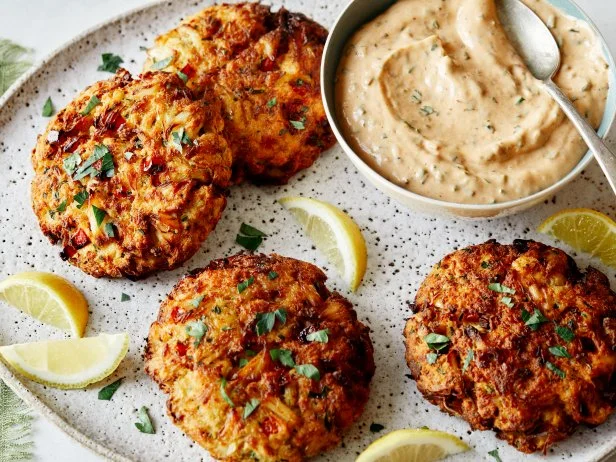 Air fryer crab cakes have 60% less fat than traditional deep-fried versions, with no sacrifice on crispiness
Low-Calorie Sauces And Dressings To Elevate Crab Dishes
Heavy, cream-based sauces can add hundreds of empty calories to otherwise healthy crab dishes. These light, flavorful options add complexity without weighing you down, and most keep in the fridge for up to a week.
Lemon Herb Vinaigrette (makes 1/2 cup, 40 calories per 2 tbsp serving)
Whisk together 3 tbsp fresh lemon juice, 1 tbsp olive oil, 1 tbsp chopped parsley, 1 tsp chopped dill, 1 tsp optional honey, and salt and pepper to taste. Drizzle over salads, quinoa bowls, or stuffed peppers for a bright, tangy finish.
Garlic Greek Yogurt Dip (makes 3/4 cup, 25 calories per 2 tbsp serving)
Mix 1/2 cup plain non-fat Greek yogurt, 1 minced garlic clove, 1 tsp lemon zest, 1/4 tsp smoked paprika, and a pinch of salt. Chill for 30 minutes before serving to let flavors meld. Use as a dip for crab cakes, a spread for wraps, or a creamy dressing for bowls.
Spicy Mango Salsa (makes 1 cup, 30 calories per 1/4 cup serving)
Combine 1 diced ripe mango, 1/4 cup diced red onion, 1 seeded diced jalapeño, 2 tbsp chopped cilantro, 1 tbsp lime juice, and a pinch of salt. Let sit for 10 minutes before serving to release flavors. Top grilled crab, tacos, or salads for a sweet, spicy kick.
Meal Prep Hacks For Fresh-Tasting Crab All Week
Lump crab meat is ideal for meal prep, but its delicate texture means it requires special handling to avoid sogginess or spoilage. Follow these tips to prep crab dishes that taste as fresh on day 4 as they do on day 1.
Batch Cooking Best Practices
Make double batches of crab salads, quinoa power bowls, or stuffed peppers on Sunday, portion into airtight meal prep containers, and they’ll stay fresh for 3-4 days in the fridge. For longer storage, freeze cooked crab dishes (without fresh veggies or dressings) for up to 2 months, and thaw in the fridge overnight before reheating. Always add fresh toppings like avocado, herbs, or dressings right before eating to prevent sogginess.
Safe Storage And Reheating
Store leftover crab in an airtight container in the coldest part of your fridge. When reheating, avoid high heat: warm in the microwave at 50% power for 30-45 seconds, or in a skillet over low heat with a splash of water or broth to keep the meat moist. Never reheat crab more than once, as this increases the risk of foodborne illness. For stuck-on crab seasoning or butter residue on bakeware, a heavy-duty kitchen scrub brush cuts through grime without scratching non-stick or stainless steel surfaces.
Freshness Check
If you’re unsure if leftover crab is still safe to eat, check for these signs of spoilage: sour or ammonia-like odor, slimy texture, or dark discoloration. When in doubt, throw it out — seafood spoilage can cause serious foodborne illness if consumed.
Frequently Asked Questions
What are the exact health benefits of lump crab meat?
Per USDA data, a 3-ounce serving of lump crab meat provides 19 grams of high-quality, complete protein, 500mg of omega-3 fatty acids, and 140% of your daily selenium needs, all for just 82 calories. The omega-3s support heart health by reducing inflammation and lowering triglycerides, while the selenium acts as an antioxidant to protect cells from damage. The high protein content supports muscle growth, keeps you full longer, and is ideal for weight management or active lifestyles.
How can I make lump crab meat recipes healthier?
Start with fresh or pasteurized lump crab meat with no added fillers or preservatives. Use healthy cooking methods like steaming, baking, grilling, or air frying instead of deep frying. Pair crab with plenty of non-starchy veggies, whole grains, and healthy fats like avocado or olive oil, instead of heavy cream sauces or processed carbs. Limit added salt, and use fresh herbs, citrus, and spices for flavor instead of high-sodium seasoning blends.
Is lump crab meat good for weight loss?
Absolutely. A 3-ounce serving has only 82 calories and 19 grams of protein, which boosts satiety and reduces overall calorie intake throughout the day. Replacing higher-calorie proteins like red meat or fried chicken with lump crab meat can help you maintain a calorie deficit without feeling deprived, as long as you avoid heavy, high-calorie sauces and preparation methods.
Can lump crab meat be part of a heart-healthy diet?
Yes, as long as it’s prepared with minimal added saturated fat and sodium. The omega-3 fatty acids in crab meat have been shown to reduce risk of heart disease by lowering bad LDL cholesterol and reducing inflammation, per the American Heart Association. Stick to cooking methods that use little to no added butter or oil, and pair with heart-healthy ingredients like leafy greens, whole grains, and olive oil.
Is lump crab meat safe for pregnant people and young kids?
Lump crab meat is classified as a low-mercury seafood by the FDA, making it safe for pregnant people, breastfeeding people, and young kids to eat 2-3 servings per week when fully cooked. Always ensure it’s cooked to an internal temperature of 145°F to kill any potential bacteria, and avoid raw crab preparations like sushi if you’re in a vulnerable group.
Final Thoughts
Lump crab meat is one of the most versatile, nutrient-dense proteins you can add to your healthy eating rotation — it’s quick to cook, pairs with almost any ingredient, and satisfies cravings for rich, flavorful seafood without the guilt of heavy, fried preparations. Whether you’re meal prepping for a busy work week, packing a quick lunch, or cooking a weekend dinner for your family, the recipes and tips above make it easy to incorporate crab into your diet without extra hassle.
Ready to test out these recipes? Start with the 10-minute citrus avocado crab salad for a light lunch, or batch cook the quinoa power bowls on Sunday for easy weekday meals. After cooking, a reliable kitchen cleaning scrub brush makes post-meal cleanup fast and easy, so you can spend less time scrubbing and more time enjoying your meal.

I’m Abby Lu, a passionate home cook who loves simplifying everyday meals. At PlugChef.com, I share product reviews and cooking guides to help you find the best tools for your kitchen.
Related posts:
 3 Shelf Hanging Closet Organizer: Maximize Your Space
 Do It Yourself Pantry Organizers: Transform Your Space
 How to Organize a Pantry With Wire Shelves: Expert Tips
 How to Organize Snacks in Pantry: Smart Tips
 Small Walk in Pantry Organization Ideas: Transform Spaces
 Under Cabinet Pot And Pan Organizer: Maximize Your Space

