
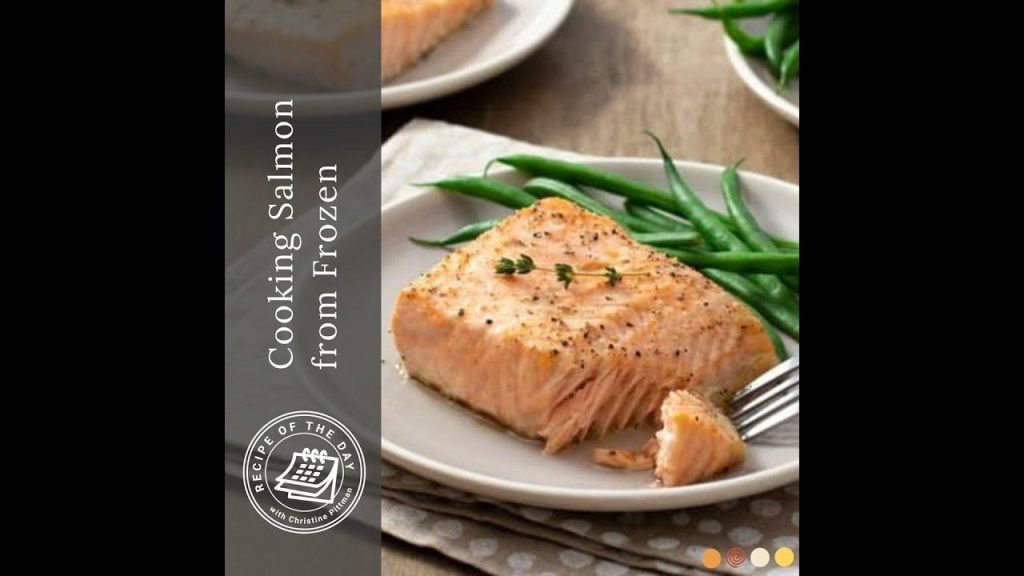
Forget the 4-6 hours of fridge thawing time you planned for, or the last-minute grocery run for fresh salmon when you’re short on weeknight time. Baked salmon fillets from frozen are a USDA and FDA-endorsed hack that delivers moist, flaky, restaurant-quality fish in under 30 minutes, no thawing required. Flash-frozen shortly after catch, these fillets lock in freshness, flavor, and nutrients, making them a go-to for busy home cooks who don’t want to sacrifice taste or nutrition for speed. Whether you’re a seasoned chef or a kitchen novice, this method eliminates prep stress while delivering a healthy, satisfying meal the whole family will love.
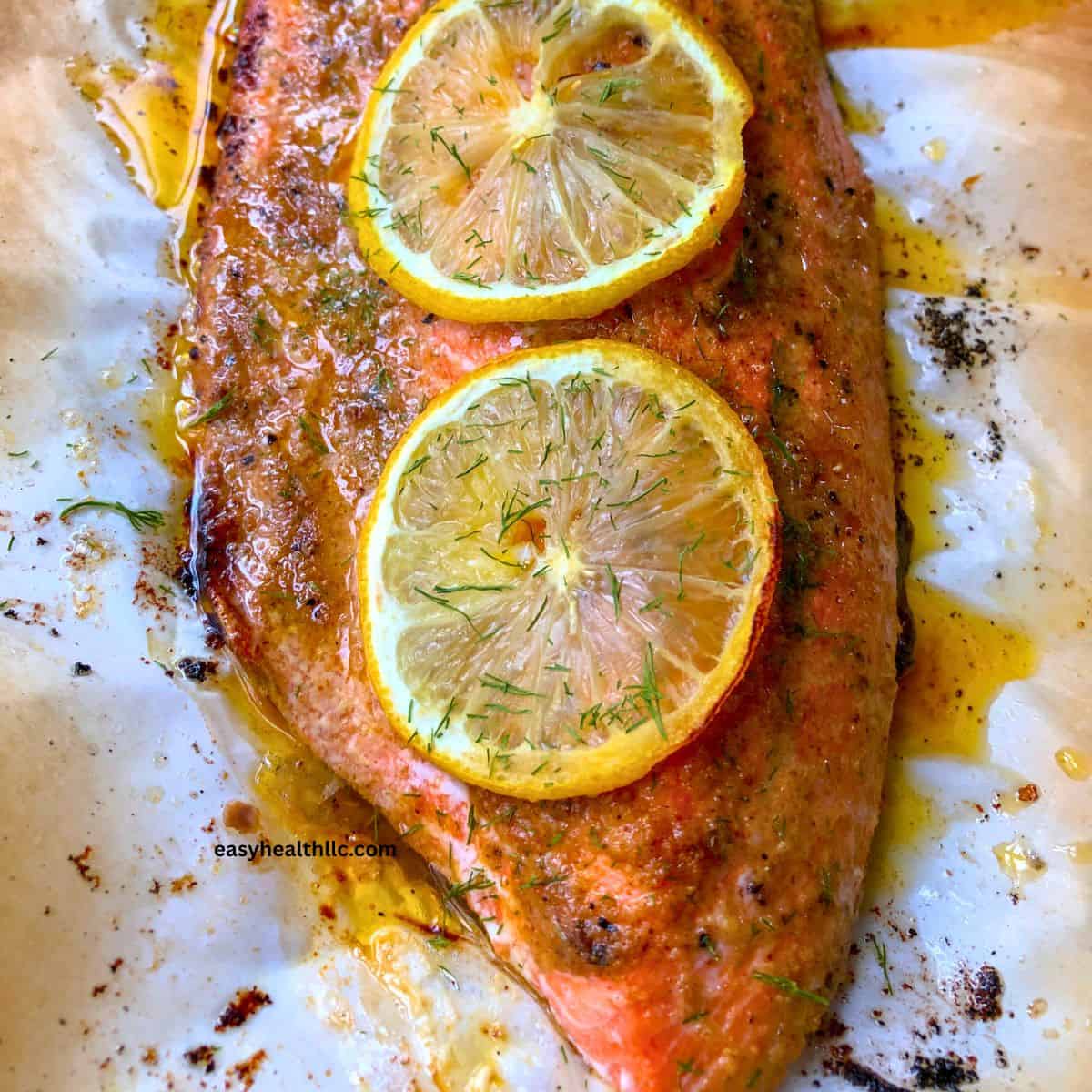 Golden baked frozen salmon fillet seasoned with lemon, garlic, and fresh dill, ready to serve
Why Baking Salmon from Frozen Beats Thawing First
Baking salmon straight from the freezer isn’t just a convenient hack—it’s a method that produces better results than thawing for most home cooks, with zero sacrifice to flavor or texture.
Save Hours of Prep Time
Skipping the thaw step cuts down total meal prep time by 4+ hours on average, per standard food safety guidelines. You can pull frozen fillets straight from the freezer, season them, and pop them in the oven while you prep side dishes or help kids with homework. There’s no risk of forgetting to take salmon out of the freezer ahead of time, no rushed cold water baths that can partially cook the flesh, and no slimy, messy thawed fish to clean up. For last-minute dinners or unexpected busy nights, this method is a total game-changer.
Lock in Freshness and Moisture
Flash-freezing, the standard for commercial frozen seafood, rapidly freezes salmon at extremely low temperatures to form tiny ice crystals that don’t damage the fish’s cell structure. Unlike slow thawing, which causes cells to break down and release moisture, baking from frozen preserves that cell integrity, so your fillet stays juicy and tender instead of mushy or dry. The skin, if left on, also acts as a natural barrier to lock in moisture during cooking, eliminating the need for complicated brining or marinating steps.
Preserve Maximum Nutritional Value
The FDA confirms that flash-frozen salmon retains nearly identical levels of omega-3 fatty acids, high-quality protein, and B vitamins as fresh-caught salmon, as long as it’s stored at 0°F (-18°C) or below. Baking from frozen avoids the nutrient loss that can happen when fish is left to thaw at room temperature, where bacterial growth can degrade delicate nutrients. A 6-ounce serving of baked frozen salmon delivers 40+ grams of protein and 2+ grams of omega-3s, making it a nutrient-dense staple for any diet. For more context on the nutritional benefits of salmon and other healthy ingredients, check out our blog for deep dives on easy, nutritious eating.
How to Choose the Best Frozen Salmon Fillets
Not all frozen salmon fillets are created equal, and a few small details on the package can make a big difference in your final result.
Wild-Caught vs. Farm-Raised for Frozen Baking
Both options work well for baking from frozen, but they have distinct differences that suit different preferences. Wild-caught salmon has a firmer, more robust, slightly “fishy” flavor and lower fat content, making it ideal for people who prefer a leaner, more pronounced fish taste. Farm-raised salmon has a higher fat content, which makes it far more forgiving of slight overcooking—perfect for beginners—and has a milder, buttery flavor that appeals to picky eaters. For frozen fillets, look for sustainably sourced options certified by the Marine Stewardship Council (MSC) to support responsible fishing practices.
Skin-On vs. Skinless: Which Is Better?
Skin-on frozen fillets are the better choice for most baking applications. The skin acts as a protective layer that prevents the flesh from drying out during cooking, and if you broil the fillet for the last 2 minutes of baking, it crisps up to a delicious, golden texture that adds extra flavor and crunch. Skinless fillets cook slightly faster (by 2-3 minutes) and are easier to eat for people who don’t like fish skin, but they’re more prone to drying out if overcooked, so they require a bit more attention to timing.
Quality Check: What to Look for on the Package
When shopping for frozen salmon fillets, look for these key indicators to avoid subpar results:
- Individual quick frozen (IQF) fillets, rather than block-frozen options, which are easier to portion and don’t require thawing to separate
- Solid, firm fillets with no visible ice crystals or freezer burn (grayish-white dry spots)
- A “use by” date at least 3 months out from your purchase date to ensure maximum freshness
- No added fillers, sauces, or preservatives if you want to control the seasoning yourself Stick to reputable brands sold at well-stocked grocery stores or fish markets for the most consistent quality.
Step-by-Step Prep for Perfect Baked Frozen Salmon
Prep for baked frozen salmon is minimal, but following these steps will ensure you get perfect results every time.
Do You Need to Thaw First? (Spoiler: Almost Never)
For most baked salmon recipes, thawing is completely unnecessary, and skipping it actually reduces bacterial growth risk compared to thawing at room temperature. If you prefer a slightly shorter cook time, you can thaw fillets in the fridge overnight, or use a cold water bath (sealed in a plastic bag, submerged in cold water changed every 30 minutes) for 1-2 hours for small fillets. Never thaw frozen salmon at room temperature, as this allows bacteria to multiply rapidly on the surface of the fish. If you notice large ice crystals on your frozen fillets, you can pat them off with a paper towel before seasoning, but there’s no need to fully thaw the fish before baking.
Seasoning Tips for Frozen Fillets
Seasoning frozen salmon works best with dry rubs, oils, and glazes that don’t require penetration into the flesh to add flavor. Wet marinades with high acid content (like lemon juice or vinegar) won’t penetrate frozen fish effectively, so save those for fresh or thawed fillets. For best results, start by brushing each fillet with 1-2 teaspoons of olive oil to help seasoning stick and create a crispy exterior, then sprinkle with salt, pepper, and dry herbs or spices. If using a sweet glaze (like honey mustard), brush it on halfway through baking to avoid burning before the fish is cooked through. A common mistake is over-seasoning frozen fillets, as the flavor will concentrate as the fish cooks—stick to ¼ teaspoon of salt per 6-ounce fillet for balanced flavor. Clean greasy utensils quickly after prepping with a dish scrub brush with soap dispenser to avoid spreading bacteria around your kitchen.
Choosing the Right Baking Setup
You have two main options for baking frozen salmon, each with slightly different results:
- Baking sheet: Line a rimmed baking sheet with parchment paper or foil, then place fillets on a wire rack set over the sheet. This allows air to circulate all around the fillet, resulting in crispy skin on the bottom and even cooking on all sides. Scrub your baking sheet first with a kitchen cleaning scrub brush to remove any old residue that could transfer to your fish.
- Baking dish: Grease a ceramic or glass baking dish with olive oil, then arrange fillets in a single layer. Cover the dish tightly with foil to trap steam, which keeps the flesh extra moist for people who prefer very tender, flaky salmon.
3 Tested, Delicious Baked Salmon Recipes
Each recipe is sized for 2 6-ounce frozen salmon fillets, with exact measurements and cook times for consistent results.
Bright Lemon Garlic Baked Salmon
This classic, zesty recipe is perfect for beginners and pairs well with almost any side dish. The lemon cuts through the richness of the salmon, while garlic adds warm, savory depth. Ingredients:
- 2 6-ounce frozen salmon fillets, skin-on preferred
- 2 tbsp olive oil
- 1 tbsp fresh lemon juice
- 2 cloves garlic, minced
- 1 tsp dried oregano
- ½ tsp kosher salt
- ¼ tsp black pepper
- Lemon wedges and fresh dill for garnish Instructions:
- Preheat your oven to 400°F (205°C) and prepare your baking sheet or dish as outlined above.
- Brush both sides of the frozen fillets with olive oil, then sprinkle evenly with salt, pepper, oregano, and minced garlic.
- Drizzle lemon juice over the top of the fillets, then bake for 22-25 minutes, until the flesh is opaque and flakes easily with a fork.
- For extra crispy skin, broil for the last 2 minutes of cooking. Serve with lemon wedges and fresh dill.
Sweet and Tangy Honey Mustard Glazed Salmon
This kid-friendly recipe balances sweet honey, tangy Dijon, and savory soy sauce for a flavorful glaze that caramelizes beautifully in the oven. Ingredients:
- 2 6-ounce frozen salmon fillets
- 1 tbsp Dijon mustard
- 1 tbsp honey
- 1 tsp low-sodium soy sauce
- ¼ tsp garlic powder
- Pinch of smoked paprika (optional) Instructions:
- Preheat oven to 400°F (205°C). Mix all glaze ingredients in a small bowl until smooth.
- Brush half the glaze over the top of the frozen fillets, then bake for 12 minutes.
- Remove from the oven, brush the remaining glaze over the top, and return to the oven for 8-10 more minutes, until the internal temperature reaches 145°F (63°C).
- Serve with roasted sweet potatoes or a crisp green salad to balance the sweet glaze.
Herb-Crusted Crispy Skin Salmon
This flavorful, restaurant-style recipe uses fresh herbs and a crispy herb crust to elevate simple baked salmon for special dinners or weekend meals. Ingredients:
- 2 6-ounce frozen salmon fillets, skin-on
- ¼ cup chopped fresh parsley
- 2 tbsp chopped fresh dill
- 1 tbsp olive oil
- 1 tsp lemon zest
- ½ tsp kosher salt
- ¼ tsp black pepper Instructions:
- Preheat oven to 375°F (190°C). Mix all crust ingredients in a small bowl until a thick paste forms.
- Pat any visible ice crystals off the frozen fillets, then press the herb crust evenly over the top of each fillet, leaving the skin exposed.
- Place fillets skin-side down on a greased baking sheet, then bake for 25-28 minutes, until the flesh is opaque and the crust is golden and fragrant.
- For extra crispy skin, broil for 1-2 minutes at the end of cooking, watching closely to avoid burning the crust.
Pro Tips for Foolproof Results Every Time
A few small adjustments to your technique will ensure you get perfect baked salmon from frozen every single time.
Ideal Oven Temperatures and Times
The optimal oven temperature for baking frozen salmon is 400°F (205°C) for most 6-8 ounce fillets, which cooks the fish evenly without drying out the exterior. For thicker fillets (over 1.5 inches), bump the temperature to 425°F (218°C) to ensure the center cooks through before the outside overdoes. Cook times vary by thickness: 6-ounce fillets take 20-25 minutes at 400°F, while 1.5-inch thick fillets take 25-30 minutes. If using a convection oven, reduce the temperature by 25°F and check for doneness 2-3 minutes earlier than the recommended time.
How to Tell When It’s Done (Without Overcooking)
The USDA recommends an internal temperature of 145°F (63°C) for cooked salmon to eliminate harmful bacteria, a standard that’s easy to hit when baking from frozen. For people who prefer medium or medium-rare salmon (a popular restaurant preparation), you can pull the fillet from the oven when it reaches 130-135°F (54-57°C), as carryover cooking will raise the temperature by 5-10°F while the fish rests. To check doneness without a thermometer, insert a fork into the thickest part of the fillet and twist gently: the flesh should flake easily and look opaque throughout, with no translucent or raw parts in the center. A common mistake is pressing down on the fillet with a spatula while baking to check for doneness—this squeezes out all the natural juices and leaves the fish dry and tough.
Common Mistakes to Avoid
Even experienced cooks can make small errors when baking frozen salmon that lead to dry, bland results. Avoid these common pitfalls:
- Over-seasoning: Frozen fish concentrates flavors as it cooks, so use less salt and seasoning than you would for fresh fillets.
- Skipping the oil: Brushing fillets with olive oil before seasoning helps the crust crisp up and prevents the fish from sticking to the pan.
- Overcrowding the pan: Arrange fillets in a single layer with at least 1 inch of space between them to allow air to circulate and cook evenly.
- Skipping the rest: Let cooked salmon rest for 3-5 minutes after pulling it from the oven to let the juices redistribute, so every bite is moist and flavorful.
Easy Serving and Pairing Ideas
Baked frozen salmon is incredibly versatile, and pairs with almost any side dish for a balanced, satisfying meal.
Veggie Pairings for a Balanced Plate
Roasted, steamed, or sautéed vegetables add color, crunch, and extra nutrients to your plate. For a quick, bright side, toss asparagus or broccolini with olive oil, salt, and pepper, and roast alongside the salmon for the last 10 minutes of cooking. Steamed green beans or broccoli cook in 5 minutes on the stovetop while the salmon bakes, making them perfect for fast weeknight meals. For a heartier option, roast root vegetables like carrots, parsnips, and sweet potatoes at 400°F for 25-30 minutes, tossing halfway through, for a sweet, earthy complement to the rich salmon. Wash all your produce thoroughly before cooking using a kitchen cleaning brush set to remove dirt and debris from crevices.
Grain and Salad Options
Whole grains add fiber and staying power to your meal, soaking up any extra sauce or glaze from the salmon. Quinoa, wild rice, or brown rice cook in 15-20 minutes and pair perfectly with all three of the recipes above. For a lighter option, serve your salmon over a bed of arugula, cherry tomatoes, cucumber, and kalamata olives tossed in a lemon vinaigrette for a fresh, Mediterranean-inspired meal. If you’re meal prepping, baked salmon pairs beautifully with grain bowls topped with roasted veggies, avocado, and a drizzle of tahini for a healthy lunch that lasts all week.
Quick Sauces and Garnishes
A simple sauce can take your baked salmon from weeknight staple to restaurant-quality meal in 2 minutes flat. Mix ½ cup Greek yogurt, 1 tablespoon chopped fresh dill, 1 teaspoon lemon juice, and a pinch of salt for a creamy, tangy dill sauce that pairs perfectly with the lemon garlic salmon. For the honey mustard recipe, a drizzle of extra glaze and a sprinkle of toasted sesame seeds add extra depth. Finish any baked salmon with a sprinkle of flaky sea salt, fresh chopped herbs (dill, parsley, or chives), and a fresh lemon wedge for a burst of brightness that cuts through the richness of the fish. If you want to elevate your presentation for dinner guests, you can engrave a custom cutting board to serve your baked salmon on for an extra touch of elegance.
 Perfectly cooked baked salmon with crispy skin, paired with roasted broccoli and quinoa
Storing and Reheating Leftover Baked Salmon
Leftover baked salmon stays fresh and flavorful for days when stored and reheated properly.
Proper Storage for Maximum Freshness
Leftover baked salmon stays fresh for up to 3 days in the refrigerator when stored properly. Let the fillets cool completely to room temperature (no more than 2 hours after cooking, per USDA food safety guidelines) before transferring them to an airtight container, or wrap each fillet tightly in plastic wrap followed by aluminum foil to prevent freezer burn and odor absorption. For longer storage, freeze leftover fillets for up to 3 months; thaw in the fridge overnight before reheating for best results.
Reheating Without Drying Out
The microwave is the fastest way to reheat salmon, but it often leaves the fish rubbery and dry. For best results, reheat fillets in a preheated 275°F (135°C) oven for 12-15 minutes, covered loosely with foil to trap moisture. If you must use the microwave, place the fillet on a microwave-safe plate, cover it with a damp paper towel, and heat in 30-second bursts, flipping the fillet halfway through, until warmed through. You can also reheat leftover salmon in a skillet over low heat with a tiny splash of water or broth covered with a lid, for a crispy exterior and moist interior. Once you’re done eating, scrub any baked-on salmon bits from your pan with the best kitchen cleaning brush for fast, hassle-free cleanup.
Creative Leftover Recipe Ideas
Leftover baked salmon is incredibly versatile, and works in dozens of quick meals beyond just reheating it as-is. Try these easy ideas to use up extra fillets:
- Flake leftover salmon into scrambled eggs or an omelet for a protein-packed breakfast
- Mix flaked salmon with cream cheese, dill, and lemon zest for a quick spread for crackers or toast
- Toss flaked salmon into pasta salad, Caesar salad, or fried rice for a hearty, nutrient-dense lunch
- Stuff pitted avocado halves with flaked salmon, a squeeze of lime, and a sprinkle of chili powder for a low-carb snack or light dinner
 Crispy-skinned frozen salmon fillet cooked in an air fryer, a fast 15-minute alternative to oven baking for when you’re short on time
Frequently Asked Questions
How long does it take to bake frozen salmon fillets?
Cook times vary by fillet thickness and oven temperature. At 400°F (205°C), 6-ounce fillets take 20-25 minutes, while 1.5-inch thick fillets take 25-30 minutes. Always check for doneness with a food thermometer to ensure the internal temperature reaches 145°F (63°C).
Can I season frozen salmon before baking?
Yes, dry rubs, oils, salt, pepper, and dry herbs work perfectly on frozen fillets. Wet marinades with high acid content won’t penetrate frozen fish effectively, so save those for fresh or thawed fillets. If using a sweet glaze, brush it on halfway through baking to avoid burning.
Is it safe to bake salmon directly from frozen?
Yes, the USDA and FDA confirm that baking salmon directly from frozen is completely safe, as long as it is cooked to an internal temperature of 145°F (63°C) to eliminate harmful bacteria. Thawing is not required for food safety when baking from frozen.
Can I bake frozen salmon with the skin on?
Absolutely, and skin-on fillets are recommended for most baking methods. The skin acts as a protective barrier that keeps the flesh moist during cooking, and broiling for the last 2 minutes of baking will crisp it up to a golden, crunchy texture.
Do I need to rinse frozen salmon before baking?
No, rinsing frozen salmon can spread harmful bacteria around your kitchen sink and countertops. If you notice large ice crystals on the fillets, pat them off with a clean paper towel before seasoning.
Can I use baked frozen salmon for meal prep?
Yes, baked frozen salmon stores perfectly for meal prep. It stays fresh for 3 days in the refrigerator in an airtight container, or 3 months in the freezer. Portion individual fillets into containers with your favorite sides for quick, healthy lunches or dinners all week.
Conclusion: Make Frozen Salmon Your New Weeknight Staple
Baking salmon fillets from frozen eliminates the hassle of thawing, reduces food waste, and delivers a healthy, delicious meal in under 30 minutes, no advanced planning required. With the right seasoning, baking setup, and cook time, you’ll get juicy, flaky salmon that tastes just as good as fresh-caught, for a fraction of the effort. Whether you’re making a quick weeknight dinner for your family or meal prepping for the busy week ahead, this method is a reliable, low-stress way to add more nutrient-dense seafood to your diet. For more quick, healthy recipes and kitchen tips to simplify your cooking routine, check out our blog for new ideas every week.

I’m Abby Lu, a passionate home cook who loves simplifying everyday meals. At PlugChef.com, I share product reviews and cooking guides to help you find the best tools for your kitchen.
Related posts:
 How to Make a Fruit Basket for a Gift: Easy DIY Guide
 Mesh Desk Organizer With Sliding Drawer: Maximize Efficiency
 Decorative Woven Baskets for Wall: Transform Your Space
 Rubbermaid Large Dish Drying Rack: Ultimate Kitchen Solution
 Gray Kitchen With Stainless Steel Appliances: Modern Elegance
 Appliance Play Food Kitchen Toys: Ignite Imaginative Play

