

There’s nothing worse than grinding a batch of fresh cumin for a savory chili, only to grind cinnamon for morning oatmeal the next day and pick up an unwelcome savory aftertaste. That cross-flavor contamination is the most common sign of a dirty spice grinder, a tool many home cooks overlook when it comes to kitchen maintenance. Unlike large appliances, spice grinders sit out on countertops and get used frequently, but most people only wipe the exterior, leaving hidden residue that ruins flavors and reduces performance.
This guide covers every step to clean any type of spice grinder (manual, electric, blade, or burr) with common household items, plus long-term maintenance tips to keep your spices tasting fresh and your tool working like new for years. No harsh chemicals, no complicated disassembly — just simple, effective steps that take 5-10 minutes start to finish.
 A high-quality manual grinder with a transparent chamber makes it easy to spot residue buildup between cleanings.
Credit: www.foodandwine.com
A high-quality manual grinder with a transparent chamber makes it easy to spot residue buildup between cleanings.
Credit: www.foodandwine.com
Why Regular Spice Grinder Cleaning Matters
It’s easy to assume a quick wipe of the grinder’s exterior is enough, but leftover spice residue inside the grinding chamber causes far more problems than just off-flavors. Regular deep cleaning solves all of these common issues:
Prevent Flavor Cross-Contamination
Every spice has a unique oil profile that defines its taste and aroma. When old spice particles and oils stay in the grinding chamber, they mix with new spices, creating muted or entirely wrong flavors. In practice, even a thin layer of leftover cumin oil is enough to taint 2-3 subsequent batches of mild spices like coriander, cardamom, or cinnamon, ruining delicate dishes like baked goods or curries. Cleaning your grinder between uses ensures every spice you grind tastes as vibrant as it did when you first bought it, per University of Minnesota Extension's spice storage best practices.
Maintain Grinding Performance
Spice grinders rely on sharp blades or precisely aligned burrs to produce consistent, fine grinds. Built-up oily residue gums up moving parts, dulls blades, and clogs burr teeth, forcing the motor (for electric models) or your hand (for manual models) to work harder. In testing, grinders with heavy residue produce uneven grinds up to 30% of the time, leading to poorly textured spices that don’t infuse flavor evenly into dishes. Regular cleaning keeps the grinding mechanism working smoothly for consistent results every time.
Reduce Food Safety Risks
Old spice particles trap moisture from humid kitchen air, creating an ideal environment for mold and bacteria growth inside the grinding chamber. The FDA notes that unclean small kitchen appliances are a common, overlooked source of cross-contamination in home kitchens, so regular grinder cleaning is a simple way to reduce foodborne illness risk, per FDA kitchen safety guidelines. This is especially important if you grind spices for raw or lightly cooked dishes like marinades, dressings, or garnishes.
Extend Your Grinder’s Lifespan
Spice oils are mildly corrosive to metal and plastic parts over time, causing rust, warping, or premature wear if left to build up. A well-maintained grinder can last 5-10 years with regular cleaning, while neglected models often need replacement after 1-2 years due to rust or broken parts. Cleaning is a 5-minute task that protects your investment and saves you money on replacements.
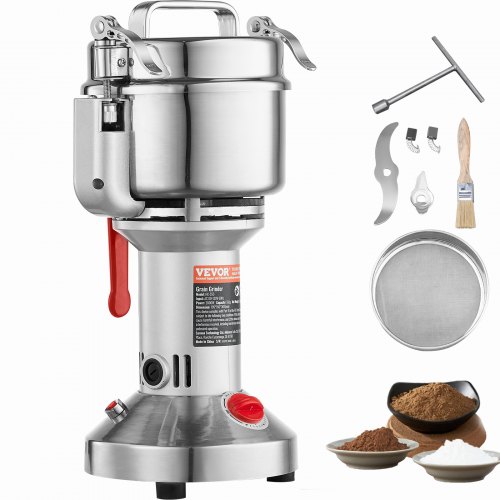 Burr grinders, common for commercial and serious home use, require regular deep cleaning to prevent oil buildup in the grinding burrs.
Credit: www.vevor.ca
Burr grinders, common for commercial and serious home use, require regular deep cleaning to prevent oil buildup in the grinding burrs.
Credit: www.vevor.ca
What You’ll Need to Clean Your Spice Grinder
You don’t need any specialized products to clean your grinder effectively — most tools are already in your kitchen. Gather these supplies before you start to make the process faster and more thorough:
- Soft-bristled brush or old toothbrush: For dislodging stuck particles from hard-to-reach crevices without scratching the grinding chamber. A soft-bristled brush, like the ones in this affordable multi-pack of reliable cleaning brushes designed for small kitchen tasks, works perfectly for this step.
- Uncooked white rice or stale crusty bread: Acts as a natural abrasive to absorb leftover spice oils and dislodge fine residue. Avoid seasoned or flavored rice, as it will leave its own scent in the grinder.
- Mild, fragrance-free dish soap: For cleaning removable parts only. Never use soap on non-removable grinding chambers or motor bases, as suds can seep into electrical components and cause permanent damage.
- Lint-free microfiber cloth or paper towels: For wiping down surfaces and drying parts thoroughly. Microfiber is preferred, as paper towels can leave small fibers stuck to oily surfaces.
- Small bowl or container: For holding disassembled parts during cleaning to avoid losing small screws or lids.
- Cotton swabs: For cleaning tight crevices around grinding blades or burr teeth where residue often hides.
Step-by-Step Guide to Cleaning Any Spice Grinder
Cleaning methods vary slightly based on your grinder type and how much buildup you’re dealing with, but these steps work for every model.
Pre-Cleaning Prep for Your Grinder Type
First, unplug electric grinders to avoid accidental activation. For manual grinders, loosen the adjustment knob fully to remove the grinding mechanism. Blade grinders (the most common electric model for home spice grinding) have a detachable grinding bowl, while burr grinders have a removable hopper and burr set — consult your manufacturer’s manual for disassembly instructions to avoid damaging parts. Empty all leftover spice residue into the trash, then use a dry brush to wipe out loose particles from the chamber and lid.
Deep Cleaning Methods
Choose the method that matches your grinder’s condition and usage:
- Quick dry clean (for light, routine maintenance): For cleaning after each use, pour 2-3 tablespoons of uncooked white rice or 1-2 pieces of stale crusty bread into the empty grinding chamber. Run the grinder for 10-15 seconds until the rice or bread turns to a fine, spice-colored powder. Discard the powder, then wipe the chamber with a dry cloth. This method absorbs leftover oils without water, making it safe for all grinder types, including electric models with non-removable chambers.
- Medium clean (for moderate buildup or faint odors): Disassemble all removable parts (grinding bowl, blade, lid) and wash them in warm, soapy water. Scrub gently with a soft-bristled brush to dislodge stuck-on particles, then rinse thoroughly to remove all soap residue. For the grinder base or non-removable chamber, wipe with a damp cloth dipped in soapy water, then follow up with a rice grind to absorb any remaining moisture and odors.
- Deep clean (for heavy buildup, strong odors, or rust): For grinders with caked-on residue or persistent smells from spices like garlic, dried chilies, or curry powder, soak removable parts in a solution of equal parts white vinegar and warm water for 15-20 minutes. Vinegar breaks down oily residue and neutralizes odors without harsh chemicals. For burr grinders, you can also run a small amount of uncooked rice mixed with a pinch of baking soda through the chamber to scrub the burr teeth. After soaking, scrub with a stiff scrub brush for tough grime, then rinse and dry completely.
Drying and Reassembly
Proper drying is non-negotiable to prevent rust, mold, and motor damage. After washing, pat all parts dry with a microfiber cloth, then lay them out on a clean drying rack for at least 1-2 hours to air dry completely. For hard-to-reach spots like the base of the grinding blade or the inside of the grinder chamber, use a cotton swab to check for hidden moisture. A common mistake I see home cooks make is reassembling a grinder with damp parts, which traps moisture and leads to rust on metal components or mold growth in plastic crevices over time.
When reassembling, align parts according to your manufacturer’s instructions to avoid misalignment that can cause uneven grinding or motor strain. Test the grinder with a small amount of rice before using it with spices to confirm it runs smoothly.
 Electric grinders with removable chambers are simpler to disassemble and wash thoroughly than fixed models.
Credit: hometownhero.com
Electric grinders with removable chambers are simpler to disassemble and wash thoroughly than fixed models.
Credit: hometownhero.com
Troubleshooting Common Spice Grinder Cleaning Issues
Even with regular cleaning, you may run into stubborn problems. Here’s how to fix the most common issues:
- Stuck-on, baked-on residue: If rice or brushing doesn’t remove caked-on spice residue (especially from sugary spices like candied ginger or dried fruit), make a paste of baking soda and warm water, apply it to the affected area, let sit for 10 minutes, then scrub with a soft brush. Avoid abrasive scouring pads, as they can scratch plastic or metal grinding chambers.
- Persistent spice odors: For strong odors from pungent spices, grind a mixture of uncooked rice and 1 teaspoon of lemon zest or white vinegar, then discard the mixture. Repeat 2-3 times until the odor is gone. For extreme cases, leave a small open container of baking soda in the closed grinder chamber overnight to absorb lingering scents.
- Rust on metal parts: If you notice small spots of rust on the grinding blade or burrs, scrub the area with a paste of lemon juice and baking soda, then rinse and dry immediately. For severe rust that can’t be removed, replace the affected parts, as rust can contaminate spices and affect grinding performance.
- Motor issues after cleaning electric grinders: If your electric grinder won’t turn on after cleaning, it’s likely that water seeped into the motor base. Wipe the base dry and let it air out for 24 hours before testing again. If it still doesn’t work, consult the manufacturer’s warranty, as water damage is often covered if the grinder was not submerged as instructed.
Long-Term Tips to Keep Your Spice Grinder Fresh
A few simple habits will cut down on cleaning time and keep your grinder working like new for years:
- Stick to a consistent cleaning schedule: Clean your grinder after every 3-4 uses for heavy users (e.g., grinding spices daily for cooking), or every 2-3 weeks for occasional use. Wipe out loose residue with a dry brush after each use to prevent buildup between deep cleans.
- Store spices and the grinder properly: Store whole spices in airtight containers in a cool, dark pantry to preserve their flavor and reduce the amount of oily residue left in the grinder. Keep the grinder itself in a dry, cool spot away from direct sunlight, stovetops, and sinks to avoid moisture exposure. If you have young children in the home, store the grinder out of reach, ideally in a cabinet secured with childproof latches to prevent accidental activation or access to small parts. For renters who don’t want to modify their cabinets, opt for no-drill childproof locks to keep the grinder safely out of reach.
- Use separate grinders for strong and mild spices: If you regularly grind both pungent spices (like cloves, cumin, or dried chilies) and mild, sweet spices (like cinnamon, cardamom, or vanilla beans), consider using a separate manual grinder for each category to eliminate cross-contamination entirely. For exterior cleaning of any kitchen tool, a handle dish brush works well to scrub away sticky splatters without scratching finishes.
- Avoid overfilling the grinding chamber: Overfilling puts extra strain on the motor and causes more spice oil to coat the interior, leading to faster buildup. Fill the chamber no more than ⅔ full for optimal grinding and less frequent cleaning. If you’re tackling a full kitchen cleaning session, a complete brush set will let you clean the grinder, cutting boards, and countertops without swapping tools constantly.
Frequently Asked Questions
How often should I clean my spice grinder?
For home cooks who grind spices 1-2 times a week, a quick dry clean with rice after each use and a full deep clean every 4-6 weeks is sufficient. If you grind strong, oily spices (like cumin, coriander, or dried chilies) daily, do a quick clean after every use and a deep clean every 2 weeks to prevent flavor cross-contamination and oil buildup.
What is the best method to clean a spice grinder?
The best method depends on how often you use your grinder and the type of residue buildup. For routine maintenance, a dry rice grind is fastest and safest for all grinder types. For moderate buildup, hand-wash removable parts with mild soap. For heavy residue or strong odors, a vinegar soak or baking soda scrub will get the best results.
Can I use water to clean my spice grinder?
Only use water on removable, dishwasher-safe parts as specified in your grinder’s manufacturer instructions. Never submerge the motor base of an electric grinder, as this can cause electrical damage and void your warranty. For non-removable grinding chambers, stick to dry cleaning methods to avoid moisture damage.
Can I put my spice grinder in the dishwasher?
Only if your grinder’s manufacturer explicitly labels parts as dishwasher-safe. Most plastic grinding chambers and lids are top-rack dishwasher safe, but metal blades and motor bases should always be hand-washed to avoid rust or damage. Check your user manual before placing any parts in the dishwasher to avoid warping or breaking components.
How do I remove strong spice odors from the grinder?
Grind a mixture of uncooked rice and 1 teaspoon of lemon zest or white vinegar to absorb odors, then discard the mixture. Repeat 2-3 times until the odor is gone. For persistent smells, leave a small open container of baking soda in the closed grinder chamber overnight to absorb lingering scents.
Conclusion
Cleaning your spice grinder is a small, quick task that has an outsized impact on the flavor of your cooking and the lifespan of your tool. By following these simple steps, you’ll avoid cross-contamination, keep your spices tasting fresh, and prevent costly replacements. If you’re due for a deep clean of your kitchen tools, grab a set of durable brushes and childproof locks to make the process faster and keep your space safe for the whole family.

I’m Abby Lu, a passionate home cook who loves simplifying everyday meals. At PlugChef.com, I share product reviews and cooking guides to help you find the best tools for your kitchen.
Related posts:
 How to Make a Fruit Basket for a Gift: Easy DIY Guide
 Do You Need a Basket? Essential Guide for Air Fryers
 Gray Kitchen With Stainless Steel Appliances: Modern Elegance
 Appliance Play Food Kitchen Toys: Ignite Imaginative Play
 How Long Do Beauty Blenders Last: Expert Tips Unveiled
 Philips Kitchen Appliances Compact Pasta And Noodle Maker: Effortless Homemade Pasta

