
Have you ever wondered what makes a chicken drumette different from other parts of the wing? If you love chicken wings or are curious about cooking, understanding this piece can change how you enjoy your meals.
The chicken drumette is more than just a tasty bite—it’s packed with flavor and perfect for many recipes. Keep reading, and you’ll discover everything you need to know about this delicious part of the chicken. Your next meal might just get a whole lot better.
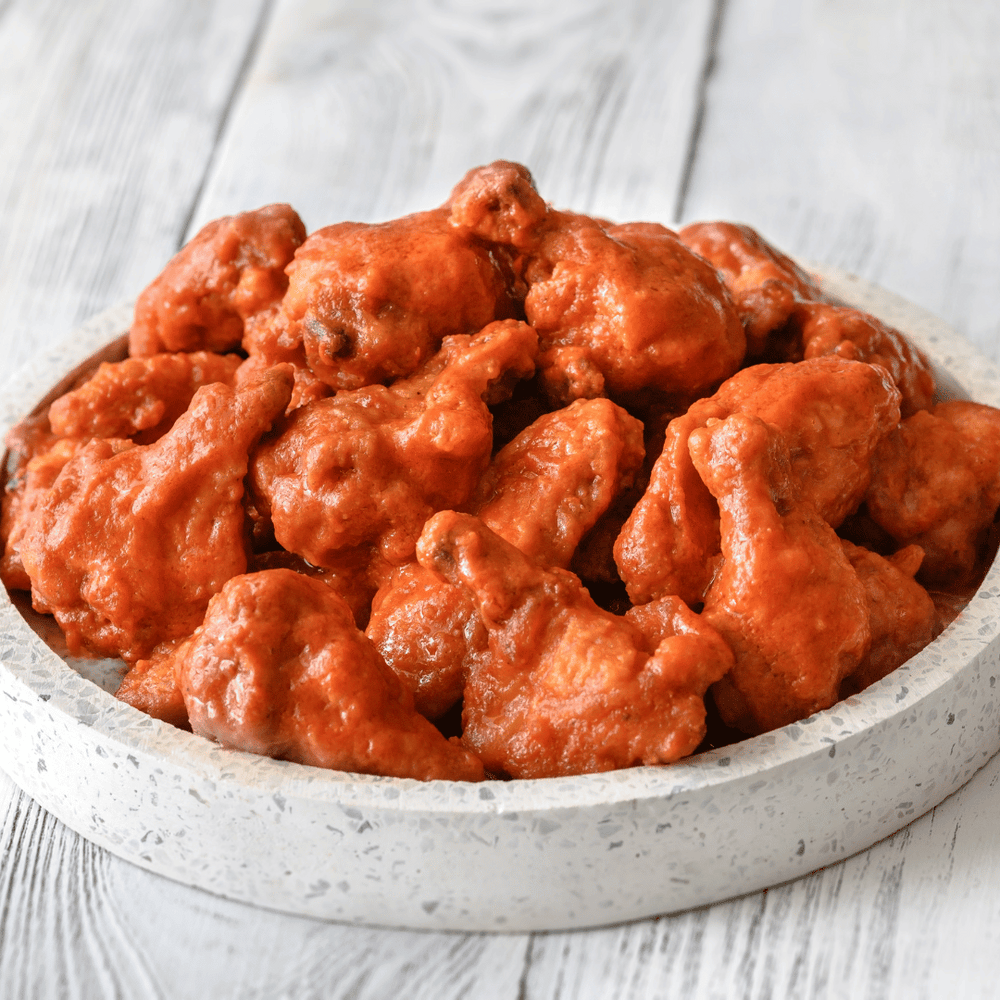
Credit: www.aussiemeat.hk
Chicken Drumette Basics
Understanding the chicken drumette is key if you want to master cooking chicken wings at home. It’s often the part that gets the most attention on your plate, but do you really know what makes it special? Knowing the basics can help you cook it perfectly every time and impress your guests with juicy, flavorful bites.
Anatomy Of A Drumette
The drumette is the meaty section of the chicken wing that looks like a small drumstick. It has one main bone running through the center, surrounded by a good amount of tender meat. The skin is thicker here, making it ideal for crispy cooking methods like frying or baking.
Unlike other wing parts, the drumette is shaped like a mini leg. This shape gives it a satisfying grip, which makes it a favorite for finger foods at parties or game days. It’s also easier to hold and eat without utensils compared to other pieces.
How It Differs From Other Wing Parts
Chicken wings are divided into three parts: the drumette, the wingette (or flat), and the tip. The drumette is the meatiest and most substantial part. Wingettes are flatter with two thin bones and less meat, while tips are mostly skin and bone with very little meat.
Because of its meat content, the drumette cooks differently. It holds marinades well and stays juicy, unlike the wingette, which can dry out faster. Have you noticed how drumettes often have a bolder flavor and a more satisfying bite? That’s because of their size and texture.
When you’re buying wings, knowing these differences helps you choose the right part for your recipe. Want a crispy snack? Drumettes are your best bet. Looking for something lighter? Wingettes might suit you better.
:max_bytes(150000):strip_icc()/Oven-Fried-Everything-Drumettes_step5_Audit-2526-183-5edd195efae54e66b874177d637e5478.jpg)
Credit: www.southernliving.com
Flavor And Texture
The chicken drumette offers a unique blend of flavor and texture that appeals to many. It is a part of the wing that closely resembles a small drumstick. This cut delivers rich taste and satisfying bite, making it a favorite in many recipes.
Taste Profile
The drumette has a deeper chicken flavor than other wing parts. It contains more meat and some fat, which adds richness. The taste is savory with a slight sweetness from the skin. This makes it ideal for bold spices and sauces. The meat absorbs flavors well, enhancing every bite.
Cooking Impact On Texture
Cooking changes the drumette’s texture significantly. When fried, the skin becomes crispy and the inside stays juicy. Grilling adds a smoky flavor and a firmer bite. Slow cooking makes the meat tender and easy to pull apart. Proper cooking keeps the drumette moist and flavorful, never dry or tough.
Popular Cooking Methods
Chicken drumettes are a delightful part of the chicken wing. They are popular for their juicy, tender meat. Cooking them to perfection requires the right method. Let’s explore some popular cooking methods for chicken drumettes.
Frying Techniques
Frying chicken drumettes creates a crispy and delicious texture. Use a deep fryer or a deep pan. Heat oil to about 350°F. Coat drumettes in flour or breadcrumbs. Fry until golden brown, turning occasionally. Ensure the internal temperature reaches 165°F. Drain them on paper towels to remove excess oil.
Grilling And Baking Tips
Grilling adds a smoky flavor to chicken drumettes. Preheat the grill to medium-high. Brush drumettes with oil and season well. Grill for 15-20 minutes, turning often. Baking is another healthy option. Preheat the oven to 400°F. Place drumettes on a baking sheet. Bake for 25-30 minutes until cooked through.
Sauce Pairings
Sauces enhance the taste of chicken drumettes. Classic choices include buffalo or barbecue sauce. Try honey mustard for a sweet and tangy twist. For a spicy kick, go for sriracha or hot sauce. Toss drumettes in sauce after cooking for maximum flavor.
Nutritional Value
Understanding the nutritional value of a chicken drumette can help you make smarter food choices. This small piece of chicken packs a punch in terms of nutrients. Let’s break down what you’re really getting when you enjoy a drumette.
Protein Content
Chicken drumettes are rich in protein, essential for muscle repair and growth. Each drumette typically contains around 6 to 8 grams of protein. This makes it a great snack or meal addition if you want to keep your protein intake high without eating a large portion.
Protein also helps you feel full longer. Have you noticed how a protein-rich snack keeps hunger at bay? That’s exactly why drumettes work well for quick energy boosts.
Calories And Fat
One chicken drumette usually has about 80 to 100 calories. The fat content ranges between 5 to 7 grams, depending on whether the skin is left on. The skin adds flavor but also increases the calorie count and fat.
If you’re watching your calorie intake, be mindful of how many drumettes you eat and how they’re cooked. Fried drumettes will have more calories and fat compared to baked or grilled ones.
Healthier Preparation Ideas
- Grill or bake:These methods reduce added fats and keep calories lower than frying.
- Use herbs and spices:Instead of heavy sauces, try garlic, paprika, or lemon for flavor without extra calories.
- Remove the skin:This cuts down on fat significantly but still leaves you with juicy meat.
Try swapping out your usual fried drumettes for baked ones with a dry rub. You might be surprised how tasty and satisfying they can be without the extra fat. What healthier twist will you try on your next chicken drumette?
Serving Suggestions
Serving chicken drumettes offers many tasty options. Their size and flavor make them perfect for various dishes. They can be served as a quick snack or part of a full meal. Explore simple ways to enjoy them with sides and creative presentation ideas.
Appetizer Ideas
- Coat drumettes in spicy buffalo sauce for a classic start.
- Serve with a side of ranch or blue cheese dip.
- Try a honey garlic glaze for a sweet and savory bite.
- Pair with crunchy celery sticks or carrot strips.
- Make mini drumette sliders with lettuce and sauce.
Pairing With Sides
- Serve with crispy French fries or potato wedges.
- Fresh coleslaw adds a cool, crunchy contrast.
- Steamed vegetables keep the meal light and healthy.
- Macaroni and cheese offers a creamy, comforting side.
- Garlic bread or dinner rolls complete the plate.
Presentation Tips
- Arrange drumettes on a large platter with dipping sauces.
- Use colorful garnishes like parsley or sliced chilies.
- Serve on wooden boards for a rustic look.
- Place drumettes upright in a glass for easy grabbing.
- Pair with small bowls of sides for a shared meal feel.
:max_bytes(150000):strip_icc()/Oven-Fried-Everything-Drumettes_step1_Audit-2526-123-8b88fcc89ba646b894bcfe45cd50c5f0.jpg)
Credit: www.southernliving.com
Global Drumette Dishes
Chicken drumettes are enjoyed in countless ways around the world. Each culture puts its own spin on this tasty part of the wing, creating dishes full of flavor and character. Let’s take a closer look at some popular global drumette recipes that might inspire your next meal.
American Favorites
In the US, drumettes are often the star of game day snacks and casual dinners. Buffalo wings, coated in a spicy, buttery sauce, are a classic example. They deliver a perfect balance of heat and tanginess that many find irresistible.
Another popular style is barbecue drumettes, smoked or grilled with a sweet and smoky sauce. These are great for backyard gatherings and bring a rich depth of flavor that’s hard to beat. Have you ever tried baking drumettes with a dry rub of paprika, garlic powder, and brown sugar? It’s a simple way to add bold taste without extra sauce.
Asian Variations
Asian cuisines offer some exciting twists on drumettes, often combining sweet, salty, and spicy flavors. In Korea, drumettes get coated in a sticky, gochujang-based sauce that’s both spicy and slightly sweet. These are perfect for those who love a little kick with their food.
In Japan, teriyaki drumettes are glazed with a soy sauce-based marinade that caramelizes beautifully when grilled. The subtle sweetness and umami depth make each bite memorable. Have you noticed how the textures change when drumettes are steamed before frying in some Chinese recipes? This method keeps the meat tender while the exterior crisps up nicely.
Other International Recipes
Drumettes also shine in many other parts of the world. In the Caribbean, jerk seasoning with allspice, thyme, and Scotch bonnet peppers gives drumettes a fiery and aromatic punch. It’s a flavor profile that can surprise and delight your taste buds.
In the Middle East, drumettes might be marinated in yogurt and spices like cumin and coriander, then grilled until juicy and flavorful. This technique results in a tender texture and vibrant taste. Have you ever tried drumettes with a North African harissa paste? The smoky heat adds complexity you might not expect.
Frequently Asked Questions
What Is A Chicken Drumette?
A chicken drumette is the upper part of a chicken wing. It looks like a small drumstick. It has one main bone and is meatier than other wing parts. It is popular in recipes and often served as finger food.
How Does A Drumette Differ From A Wingette?
A drumette has one bone and more meat. A wingette, or flat, has two bones and less meat. Drumettes resemble mini drumsticks, while wingettes are flatter and thinner. Both are parts of a chicken wing but offer different textures.
Are Chicken Drumettes Healthier Than Other Wing Parts?
Chicken drumettes contain similar nutrients to other wing parts. They have protein, fat, and calories typical of chicken wings. The difference in healthiness depends on cooking methods, not the part itself. Grilled or baked drumettes are healthier than fried ones.
How Do You Cook Chicken Drumettes Perfectly?
To cook drumettes, season them well and choose your method. Baking, grilling, or frying are popular options. Ensure an internal temperature of 165°F (74°C). Cooking times vary, but drumettes usually take 20-30 minutes to cook thoroughly.
Conclusion
Chicken drumettes are a tasty and easy-to-eat part of the wing. They have more meat and less bone than other wing parts. People enjoy them fried, grilled, or baked with different sauces. Knowing what a drumette is helps you choose the right dish.
Next time you order wings, you’ll know exactly what you want. Simple, flavorful, and fun to eat—drumettes make a great snack or meal. Give them a try and enjoy their juicy taste.

I’m Abby Lu, a passionate home cook who loves simplifying everyday meals. At PlugChef.com, I share product reviews and cooking guides to help you find the best tools for your kitchen.
Related posts:
 What Type of Cooking Utensils are Safe: Expert Picks
 What Innovations Could Blenders Make: Unleashing Future Tech
 Smart Strategies to Organize a Small Kitchen: Maximize Space
 How to Organize a Kitchen Cabinet: Expert Tips & Tricks
 How to Organize Kitchen Drawers: Expert Tips and Tricks
 How to Organize a Corner Kitchen Cupboard: Expert Tips

