
Imagine biting into a perfectly cooked baked potato, with a crispy skin and fluffy, steaming inside—all made right on your grill. If you love outdoor cooking, mastering foil baked potatoes on the grill is a game-changer.
You’ll discover how simple it is to prepare a tasty side dish that pairs perfectly with any meal. Keep reading, and you’ll learn easy steps to impress your family and friends with delicious, hassle-free grilled potatoes every time.
Choosing The Right Potatoes
Choosing the right potatoes can make all the difference when baking on the grill with foil. The texture, flavor, and cooking time all depend heavily on the type of potato you pick. Selecting the best variety and preparing it correctly will ensure your grilled potatoes come out perfectly tender and full of flavor every time.
Best Potato Varieties
Not all potatoes are created equal for grilling. Some hold up better to heat and develop a creamier texture inside the foil wrap. Here are some top choices:
- Russet Potatoes:Ideal for a fluffy interior. Their starchy nature helps them cook evenly and absorb seasonings well.
- Yukon Gold:Offers a buttery flavor with a slightly waxy texture. They hold their shape nicely on the grill.
- Red Potatoes:These are waxy and firm, perfect if you want a potato that stays intact without becoming mushy.
Think about what texture you prefer—fluffy or firm? This choice will guide you toward the right potato variety.
Size And Preparation Tips
Size matters when grilling potatoes in foil. Smaller potatoes or those cut into uniform pieces cook faster and more evenly. Large potatoes take longer, which can lead to uneven cooking if the heat is inconsistent.
Here are some preparation tips to get the best results:
- Wash and scrub potatoes thoroughly to remove dirt.
- If using large potatoes, cut them into halves or quarters for quicker grilling.
- Prick the potato skin a few times with a fork to allow steam to escape.
- Season the potatoes before wrapping them in foil to infuse flavor during cooking.
Have you ever ended up with a burnt outside and raw inside? Proper sizing and preparation help avoid that common grilling mistake.
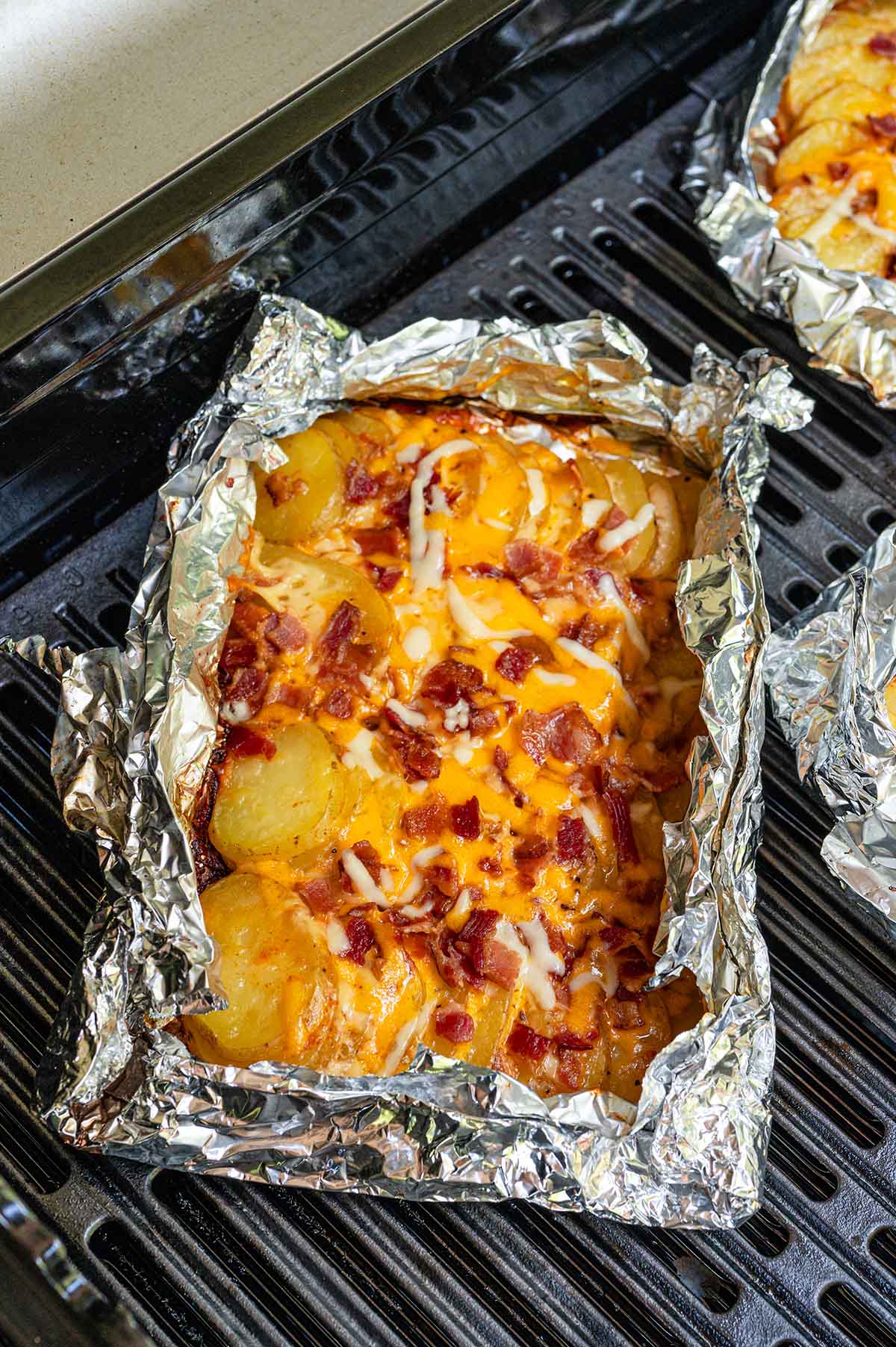
Credit: princesspinkygirl.com
Preparing Potatoes For Grilling
Preparing potatoes for grilling involves simple yet important steps. Proper prep ensures even cooking and rich flavor. Start by cleaning the potatoes well. Then, add seasoning and wrap them tightly in foil. This helps retain moisture and enhances taste. Follow these easy tips to get perfect foil baked potatoes on the grill.
Washing And Scrubbing
Rinse each potato under cold running water. Use a vegetable brush or sponge to scrub the skin gently. Remove dirt and any blemishes. Pat dry with a clean towel. Clean potatoes cook evenly and taste better.
Seasoning And Wrapping Techniques
Coat the potatoes with olive oil or butter. Sprinkle salt, pepper, and your favorite herbs for flavor. Wrap each potato tightly in aluminum foil. Seal edges well to keep steam inside. This method locks in heat and moisture. Place wrapped potatoes on the grill for a soft, tasty result.
Using Foil For Baking
Foil baked potatoes on the grill offer a delicious, smoky flavor. Using foil for baking enhances moisture retention, ensuring a soft, fluffy potato. The foil acts as a barrier, trapping steam and heat. This method is perfect for outdoor grilling enthusiasts. Let’s explore the best foil types and wrapping methods for perfect potatoes.
Types Of Foil To Use
Choose heavy-duty aluminum foil for grilling. It is thicker and prevents tearing. Regular foil might not withstand high grill temperatures. Heavy-duty foil ensures even cooking and protects the potatoes.
Proper Wrapping Methods
Place the potato in the center of the foil. Wrap it tightly to seal in moisture. Fold the edges carefully to prevent leakage. Leave some space for steam inside the foil packet. This technique promotes even cooking and a tender texture. Avoid wrapping too tightly, which might burst the foil. Secure wrapping ensures a perfectly cooked potato every time.
:max_bytes(150000):strip_icc()/237950-Balsamic-Grilled-Baby-Potatoes-DDMFS-4x3-b5cdbb09c57f4768a53323600d6916cc.jpg)
Credit: www.allrecipes.com
Grill Setup And Temperature
Setting up your grill correctly is key to perfect foil baked potatoes. Controlling the temperature ensures even cooking and a soft, fluffy inside. The heat should be steady but not too high to avoid burning the foil or potato skin. Understanding the difference between direct and indirect grilling helps achieve the best result.
Ideal Grill Heat
Set your grill heat to medium, around 350°F to 400°F (175°C to 205°C). This temperature range cooks potatoes evenly without burning. Too high heat can cause the skin to burn while the inside stays raw. Too low heat will take longer and might dry out the potato. Use a grill thermometer to check the temperature for accuracy.
Indirect Vs Direct Grilling
Indirect grilling means placing the potatoes away from the flames. This method uses heat circulating around the food, like an oven. It helps cook the potatoes evenly and gently.
Direct grilling places the potatoes right over the flames. This can burn the foil and skin quickly. It works best for quick cooking or adding grill marks.
For foil baked potatoes, indirect grilling is best. It allows the potato to cook through without burning the outside. Arrange coals or burners so the potatoes are next to, not above, the heat source.
Cooking Time And Tips
Knowing the right cooking time and having a few handy tips can make your foil baked potatoes on the grill a guaranteed hit. Timing affects not just texture but also flavor, so it’s key to get it right. Let’s break down how long you should grill and how to check if your potatoes are perfectly done.
How Long To Grill
Typically, foil-wrapped potatoes take about 45 to 60 minutes on a medium grill. The heat should be steady, around 375°F to 400°F, to ensure even cooking. If you’re cooking several potatoes at once, keep in mind that larger potatoes may need closer to 70 minutes.
Try flipping the potatoes every 15 minutes to prevent burning and encourage uniform softness. Remember, the thickness of the potato affects grilling time—smaller ones cook faster. Have you noticed your grill’s hot spots? Position the potatoes accordingly for consistent results.
Checking Doneness
The easiest way to tell if your potato is done is by piercing it with a fork or skewer. It should slide in easily without resistance. If you feel any firmness, give it more time wrapped in foil.
Another trick is to gently squeeze the potato (with tongs or a cloth to avoid burns). It should feel soft but not mushy. Overcooking can lead to a soggy texture, so keep a close eye after the 45-minute mark.
Have you tried unwrapping one early to test? It’s a quick way to avoid under or overcooking. Just wrap it back up and continue grilling if it’s not quite ready.
Enhancing Flavor
Foil baked potatoes on the grill are a fantastic way to enjoy a smoky, tender treat, but the real magic happens when you enhance their flavor. Simple additions can transform a basic grilled potato into a mouthwatering delight. Think beyond just salt and pepper—adding butter, herbs, and creative toppings can elevate every bite.
Adding Butter And Herbs
Butter is a game-changer for foil baked potatoes. As it melts inside the foil, it seeps into the potato, making the flesh rich and creamy. You can mix softened butter with fresh herbs like rosemary, thyme, or chives before adding it to your potato.
Try sprinkling garlic powder or freshly cracked black pepper on top for a burst of flavor. A tip from my own grilling experience: add a small pat of herb butter right after you remove the potatoes from the grill. It melts perfectly, giving the potato a velvety texture and a fragrant finish.
Toppings And Serving Ideas
What you put on your potato after grilling can make all the difference. Classic toppings like shredded cheese, sour cream, and crispy bacon bits never fail. But don’t stop there—consider fresh salsa, sautéed mushrooms, or even a dollop of Greek yogurt for a tangy twist.
- Chopped green onions or scallions add a fresh crunch.
- Try a sprinkle of smoked paprika or chili flakes for heat.
- Avocado slices or guacamole bring creaminess and a healthy boost.
Have you ever thought about turning your foil baked potatoes into a loaded meal? Adding cooked chili or pulled pork on top can turn them into a hearty dinner. What’s your favorite way to top a grilled baked potato? Experiment and find your signature flavor combination.
Troubleshooting Common Issues
Grilling foil baked potatoes is simple, but some issues can spoil the fun. Common problems like soggy potatoes and torn foil happen easily. Knowing how to fix these issues helps you enjoy perfect potatoes every time.
Avoiding Soggy Potatoes
Soggy potatoes happen when moisture builds up inside the foil. To keep potatoes fluffy, poke holes in the foil. This lets steam escape and stops sogginess.
Use dry potatoes and pat them with a paper towel before wrapping. Wrapping potatoes too tightly traps moisture. Leave a little space for air inside the foil.
Preventing Foil Tears
Foil tears cause heat loss and uneven cooking. Use heavy-duty foil for grilling. It is stronger and less likely to rip.
Wrap potatoes carefully without sharp edges poking the foil. Avoid over-handling the wrapped potatoes while grilling. Use tongs gently to turn them.

Credit: www.acouplecooks.com
Frequently Asked Questions
How Do You Prepare Foil Baked Potatoes On The Grill?
Wash and dry potatoes. Wrap each in foil tightly. Preheat grill to medium heat. Place wrapped potatoes on grill. Cook for 45-60 minutes. Turn occasionally for even cooking. Check doneness with a fork before serving.
What Type Of Potatoes Work Best For Grilling?
Russet potatoes are ideal for foil baking on grills. They have a starchy texture that becomes fluffy when cooked. Yukon Gold potatoes also work well and offer a buttery flavor. Avoid waxy potatoes as they stay firm and less fluffy.
How Long Should Foil Baked Potatoes Cook On The Grill?
Cook foil-wrapped potatoes on medium heat for 45-60 minutes. Larger potatoes may take closer to 60 minutes. Turn potatoes every 15 minutes for even cooking. Test doneness by piercing with a fork—it should slide in easily.
Can I Add Seasonings Before Grilling Foil Baked Potatoes?
Yes, you can add seasonings like salt, pepper, garlic powder, or herbs before wrapping. Lightly coat potatoes with olive oil and sprinkle seasonings for extra flavor. The foil traps moisture and enhances the seasoning infusion during grilling.
Conclusion
Grilling foil baked potatoes adds great flavor and soft texture. They cook evenly and stay warm longer. You can add butter, cheese, or herbs for more taste. This simple method fits any outdoor meal or BBQ. Try different toppings to keep meals fun and tasty.
Foil baked potatoes on the grill make a perfect side dish. Easy to prepare and enjoy with family and friends. Give this cooking style a try next time you grill.

I’m Abby Lu, a passionate home cook who loves simplifying everyday meals. At PlugChef.com, I share product reviews and cooking guides to help you find the best tools for your kitchen.
Related posts:
 What Type of Cooking Utensils are Safe: Expert Picks
 What Innovations Could Blenders Make: Unleashing Future Tech
 Smart Strategies to Organize a Small Kitchen: Maximize Space
 How to Organize a Kitchen Cabinet: Expert Tips & Tricks
 How to Organize Kitchen Drawers: Expert Tips and Tricks
 How to Organize a Corner Kitchen Cupboard: Expert Tips

