
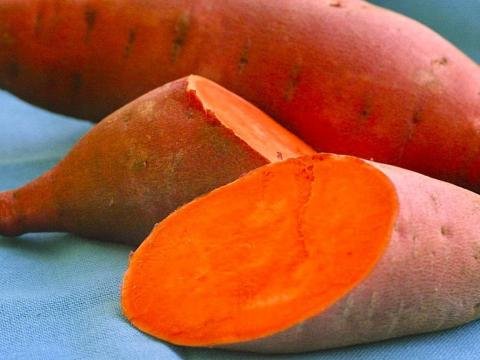
If you’ve ever walked through a grocery store produce section, you’ve likely seen rows of bright orange sweet potatoes stacked front and center. But are all sweet potatoes orange? The short answer is no: while orange-fleshed varieties are the most commercially common in North America, sweet potatoes actually come in a spectrum of flesh colors including white, yellow, purple, red, and even bicolor streaks. Each variety has its own distinct flavor, texture, and nutritional profile, making them far more versatile than most people realize. In this guide, we’ll break down the surprising range of sweet potato colors, what drives their differences, and how to pick, cook, and enjoy each type.
 A mix of common and heirloom sweet potato varieties showcasing their diverse flesh colors.
Credit: www.usatoday.com
A mix of common and heirloom sweet potato varieties showcasing their diverse flesh colors.
Credit: www.usatoday.com
The Short Answer: No, Sweet Potatoes Come In Far More Colors Than Orange
While orange sweet potatoes dominate supermarket shelves in the US, they represent just a fraction of the global sweet potato diversity. The USDA recognizes over 400 distinct sweet potato cultivars worldwide, with flesh colors spanning the full rainbow. Orange varieties make up roughly 90% of the US commercial market due to their high beta-carotene content, long shelf life, and broad consumer appeal, but white, purple, yellow, and even red and bicolor varieties are staples in many African, Asian, and Latin American cuisines.
What Drives Sweet Potato Color Differences?
The Role of Natural Pigments
Sweet potato flesh color is determined by two primary natural pigments:
- Beta-carotene: The orange-yellow pigment that gives orange and yellow varieties their vibrant hue. Your body converts beta-carotene to vitamin A, a critical nutrient for eye health and immune function.
- Anthocyanins: The antioxidant compounds that create purple, red, and blue shades in sweet potato flesh. These same pigments are found in blueberries and blackberries, and are linked to reduced inflammation and improved heart health.
- White and cream-fleshed varieties lack both pigments entirely, resulting in their pale, neutral color.
A common point of confusion for US shoppers is the mislabeling of orange-fleshed sweet potatoes as "yams." True yams belong to the Dioscorea plant genus, are native to Africa and Asia, and are rarely sold in North American grocery stores. The term "yam" was adopted by early 20th century sweet potato growers to differentiate their soft, orange, sweet varieties from the firmer, white-fleshed sweet potatoes that were previously standard. This classification is confirmed by USDA produce classification standards, which officially categorize all "yam" products sold in the US as sweet potatoes.
How Growing Conditions Impact Color
Even the same sweet potato cultivar can have slightly different color intensity based on where and how it is grown:
- Soil type: Well-drained, sandy soils enhance pigment development, leading to more vividly colored tubers. Heavy clay soils often produce denser, paler roots.
- Climate: Longer, warmer growing seasons with ample sunlight boost beta-carotene production in orange varieties. Cooler, cloudier climates may yield paler or more purple-fleshed tubers, even for cultivars that are typically orange.
- Nitrogen levels: High-nitrogen soil leads to larger, but less vividly colored, sweet potatoes, as the plant prioritizes leaf growth over pigment production in the tubers.
If you’ve ever tasted sweet potatoes from different regions and noticed subtle differences in flavor and color, these growing conditions are the reason why.
The Most Common (and Rare) Sweet Potato Color Varieties
Orange-Fleshed Sweet Potatoes
The most widely available variety in North America, with popular cultivars including Beauregard and Covington. These tubers have bright orange skin and flesh, a high natural sugar content, and a creamy, moist texture when cooked. They are incredibly versatile, working well for baking, mashing, frying, and desserts like sweet potato pie. Nutritionally, one medium baked orange sweet potato provides well over 100% of the daily recommended vitamin A intake for most adults, making it one of the most efficient dietary sources of the nutrient.
Purple and Blue Sweet Potatoes
Striking deep violet in both skin and flesh, popular cultivars include Stokes Purple and Okinawan sweet potato (often marketed as Hawaiian sweet potato). They have a nutty, earthy, mildly sweet flavor and a dense, dry texture that holds its shape well when cooked. Their deep anthocyanin content gives them a more robust antioxidant profile than orange varieties, though they have slightly less beta-carotene. Best uses include roasting for crispy chips, boiling for vibrant purple mash, or adding to salads for a pop of color. Note that their intense pigment can stain lighter ingredients, so avoid mixing them into white mashed potatoes or pale baked goods if you want to maintain a neutral color.
White and Yellow Sweet Potatoes
White varieties like the Hannah cultivar have pale, cream-colored flesh and skin, with a mild, subtly sweet, nutty flavor and a firm, dry texture closer to a russet potato than the creamy orange types. Yellow varieties fall between white and orange in both color and sweetness, with a golden hue and slightly softer texture. Both types are less sweet than orange varieties, making them ideal for savory dishes like stews, curries, and roasted wedges, where you don’t want an overpowering sweet flavor. Many white sweet potatoes are mislabeled as "yams" in some regions, but they are distinct from true yams and orange-fleshed sweet potatoes.
Rare and Bicolor Varieties
Beyond the common varieties, you may find red-skinned sweet potatoes with white or yellow flesh, or bicolor cultivars with streaks of orange and purple running through the flesh. These are typically grown by small specialty farms and sold at farmers markets or international grocers. Flavor varies by cultivar, often combining the sweetness of orange varieties with the nuttiness of white or purple types, making them a fun option for experimental cooks.
Nutritional Differences Across Sweet Potato Colors
While all sweet potatoes are nutrient-dense, their color indicates differences in their key nutrient profiles:
Orange Varieties: Vitamin A Powerhouses
Orange sweet potatoes are the highest dietary source of beta-carotene, the precursor to vitamin A. This nutrient supports eye health, immune function, and skin health. A practical tip to maximize nutrient absorption: pair orange sweet potatoes with a small amount of healthy fat (like olive oil, avocado, or nuts) to boost beta-carotene absorption by up to 3 times, per standard nutritional guidance.
Purple Varieties: Antioxidant-Rich
Purple sweet potatoes have the highest anthocyanin content of all sweet potato types. These antioxidant compounds have been linked to reduced inflammation and improved cardiovascular health in population studies. While they have slightly less beta-carotene than orange varieties, their unique antioxidant profile makes them equally nutrient-dense overall.
White and Yellow Varieties: Fiber-Focused
White and yellow sweet potatoes are lower in beta-carotene and anthocyanins than their colorful counterparts, but they are extremely high in dietary fiber, which supports digestive health and helps regulate blood sugar. Yellow varieties have moderate beta-carotene levels, falling between orange and white in overall nutrient density.
For a quick comparison of key benefits, refer to the table below:
| Variety | Key Nutrient Highlight | Best For |
|---|---|---|
| Orange | Highest beta-carotene (vitamin A precursor) | Boosting vitamin A intake, sweet dishes, desserts |
| Purple | Highest anthocyanin (antioxidant) content | Anti-inflammatory diets, vibrant savory dishes |
| White/Yellow | High dietary fiber, moderate beta-carotene (yellow only) | Savory dishes, low-sugar diets, stews and curries |
How To Pick, Store, and Cook Each Sweet Potato Variety
Selection Tips for Every Variety
No matter the color, choose firm, unbruised tubers with smooth, intact skin. Avoid any with soft spots, mold, or green patches, which indicate solanine buildup (a natural toxin that forms when potatoes are exposed to excessive light). Before cooking, scrub skins thoroughly with a reliable kitchen brush to remove dirt and residual pesticides, especially if you plan to eat the skin (which is packed with fiber and nutrients). For first-time buyers of colorful varieties, pick a medium-sized tuber to test flavor preferences without overspending.
Proper Storage to Extend Shelf Life
Store whole, uncooked sweet potatoes in a cool (55–60°F / 13–15°C), dark, well-ventilated space like a pantry or basement. Do not store them in the refrigerator, as cold temperatures halt the conversion of starch to sugar, leading to a bland, mealy texture. Cut sweet potatoes can be stored in an airtight container in the refrigerator for 3–5 days, or frozen for up to 6 months for later use. A common mistake is storing sweet potatoes near onions, garlic, or regular potatoes, as these release ethylene gas that speeds up spoilage and flavor degradation. If you’re storing prepped sweet potato slices or mashed sweet potatoes in lower cabinets accessible to young children, secure cabinet locks can prevent accidental spills and messes.
Cooking Best Practices by Variety
Cooking methods vary slightly by variety to bring out their best flavor and texture:
- Orange sweet potatoes: Roast at 400°F (200°C) for 25–30 minutes for caramelized, sweet wedges; bake whole at 375°F (190°C) for 45–60 minutes for ultra-fluffy mash. Their high sugar content means they burn easily, so avoid cooking at temperatures above 425°F (220°C) for long periods.
- Purple sweet potatoes: Boil or steam for 20–25 minutes to preserve their vibrant color and dense texture. Overcooking will make them mushy, so test for doneness with a fork, which should slide in with slight resistance. They also hold their shape well when roasted at 400°F (200°C) for 35–40 minutes for crispy chips.
- White and yellow sweet potatoes: Roast at 400°F (200°C) for 30–35 minutes to bring out their nutty, earthy flavor. Their lower sugar content means they won’t caramelize as quickly as orange varieties, so you can cook them slightly longer without burning. They are ideal for adding to savory stews and curries, as they won’t overpower other ingredients.
For a unique addition to charcuterie board platters, slice purple or yellow sweet potatoes thinly, toss with a little olive oil and salt, and roast at 400°F (200°C) for 15–20 minutes until crispy for a sweet, savory garnish. For a fun, decorative touch for dinner parties, try etching simple geometric designs into raw sweet potato skins before roasting, using the same safe engraving techniques recommended for wooden cutting boards. The designs will darken slightly as the sweet potato cooks, creating a beautiful, custom presentation. Stains from sweet potato flesh on countertops and utensils lift easily with a sturdy cleaning brush set, especially if you rinse them immediately after use.

Where To Find Colorful Sweet Potato Varieties
Mainstream Grocers and Specialty Markets
Most mainstream supermarkets carry orange-fleshed varieties year-round, and white-fleshed varieties seasonally (typically in fall and winter). Purple, yellow, and bicolor varieties are most often found at farmers markets, international grocery stores (especially Asian, African, and Latin American markets), and specialty organic food stores. Don’t hesitate to ask vendors about the origin and flavor profile of the varieties they stock – you may discover a new favorite that isn’t available at your regular grocery run.
Growing Your Own Colorful Sweet Potatoes
Sweet potatoes are surprisingly easy to grow in home gardens, even in small spaces, as long as they have full sun and well-drained soil. You can purchase slips (young shoots) of orange, purple, or white varieties from garden centers or online retailers in early spring. Home gardeners can reference university extension growing guides for region-specific planting timelines, pest management tips, and harvest advice tailored to their climate. Note that purple sweet potato varieties tend to be more cold-tolerant than orange types, making them a good option for northern climates with shorter growing seasons.
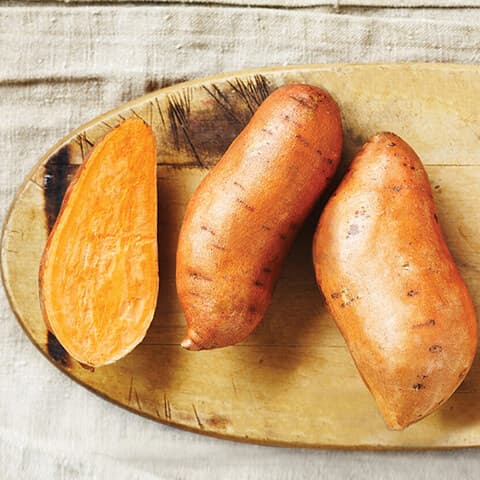 Purple and orange sweet potatoes stacked at a supermarket produce section, highlighting their visual contrast.
Credit: www.sobeys.com
Purple and orange sweet potatoes stacked at a supermarket produce section, highlighting their visual contrast.
Credit: www.sobeys.com
Frequently Asked Questions
Are all sweet potatoes orange inside?
No, sweet potato flesh color ranges from white and yellow to deep purple and bright orange, depending on the cultivar and growing conditions. Even the same variety can have slightly different color intensity based on soil quality, sunlight exposure, and climate.
What causes sweet potatoes to have different colors?
Sweet potato colors come from natural pigments: beta-carotene (orange/yellow), anthocyanins (purple/red), and the absence of these pigments (white/cream). Growing conditions like soil type and climate also impact how much pigment develops in the tubers.
Are purple sweet potatoes as nutritious as orange ones?
Yes, purple sweet potatoes are equally nutrient-dense, just with a different nutrient profile. Orange varieties are higher in vitamin A, while purple varieties have higher levels of anthocyanin antioxidants. Both are high in fiber, vitamin C, and potassium.
Can I substitute any sweet potato color in recipes?
Generally yes, but expect variations in flavor, texture, and cooking time. For example, purple sweet potatoes are denser, so they take 5–10 minutes longer to boil than orange varieties. White sweet potatoes are less sweet, so you may need to adjust added sugar in dessert recipes. Keep in mind that purple varieties can turn light-colored ingredients (like mashed potatoes or batter) a faint purple hue, which is harmless but may affect the appearance of delicate dishes.
Final Tips for Exploring Sweet Potato Varieties
Don’t be intimidated by unfamiliar sweet potato colors: start with one new variety each time you shop to build your preferences. Experiment with different cooking methods to bring out the best in each type: roast purple varieties for crispy chips, use white varieties in hearty stews, and stick to orange varieties for creamy mash and sweet desserts. All sweet potato colors are highly nutritious, so you can’t go wrong no matter which variety you choose.
Ready to test a new sweet potato variety? Pick up a purple or white sweet potato at your next grocery run, toss it with a little olive oil and salt, and roast it at 400°F (200°C) for 30 minutes for a simple, flavorful, and colorful side dish.

Hi, I’m Daniel Brooks—a food lover and kitchen gear enthusiast. I enjoy testing cookware, utensils, and gadgets to see what really works in everyday cooking. At PlugChef.com, I share honest reviews, comparisons, and simple guides to help you choose the best tools for a safer, smarter, and more enjoyable kitchen.
Related posts:
 How to Make a Fruit Basket for a Gift: Easy DIY Guide
 Do You Need a Basket? Essential Guide for Air Fryers
 How to Adjust Syrup Dispenser Pressure: Expert Tips
 Appliance Play Food Kitchen Toys: Ignite Imaginative Play
 How Long Do Beauty Blenders Last: Expert Tips Unveiled
 Philips Kitchen Appliances Compact Pasta And Noodle Maker: Effortless Homemade Pasta

