
If you’ve ever wondered how to cook butternut squash on the stove quickly and easily, you’re in the right place. This versatile vegetable can be a game-changer for your meals, adding a sweet, nutty flavor without the need for an oven.
Imagine having tender, flavorful squash ready in less time than roasting takes. Whether you’re new to cooking or just looking for a faster method, this guide will show you simple steps to get perfect results every time. Keep reading, and you’ll discover how to turn butternut squash into a delicious side or main dish without any hassle.
Credit: www.wellplated.com
Preparing Butternut Squash
Preparing butternut squash for cooking on the stove might seem tricky at first, but with the right approach, it becomes a straightforward and even enjoyable task. Getting your squash ready properly ensures even cooking and enhances the natural sweetness and texture you want in your dish. Let’s break down the essential steps to make your preparation smooth and efficient.
Choosing The Right Squash
Look for a butternut squash with a firm, matte skin free from soft spots or bruises. The color should be a deep beige, signaling ripeness and good flavor. Smaller squash tend to be sweeter and have fewer seeds, making them easier to handle and cook faster.
Have you noticed how some squashes feel heavier for their size? That’s a good sign—they contain more moisture and will yield a creamier texture once cooked.
Peeling And Cutting Techniques
Peeling butternut squash can be intimidating due to its tough skin. Use a sharp vegetable peeler or a small paring knife to remove the skin in downward strokes, working carefully around the curved shape. If you find peeling challenging, try microwaving the whole squash for 2 minutes to soften the skin slightly.
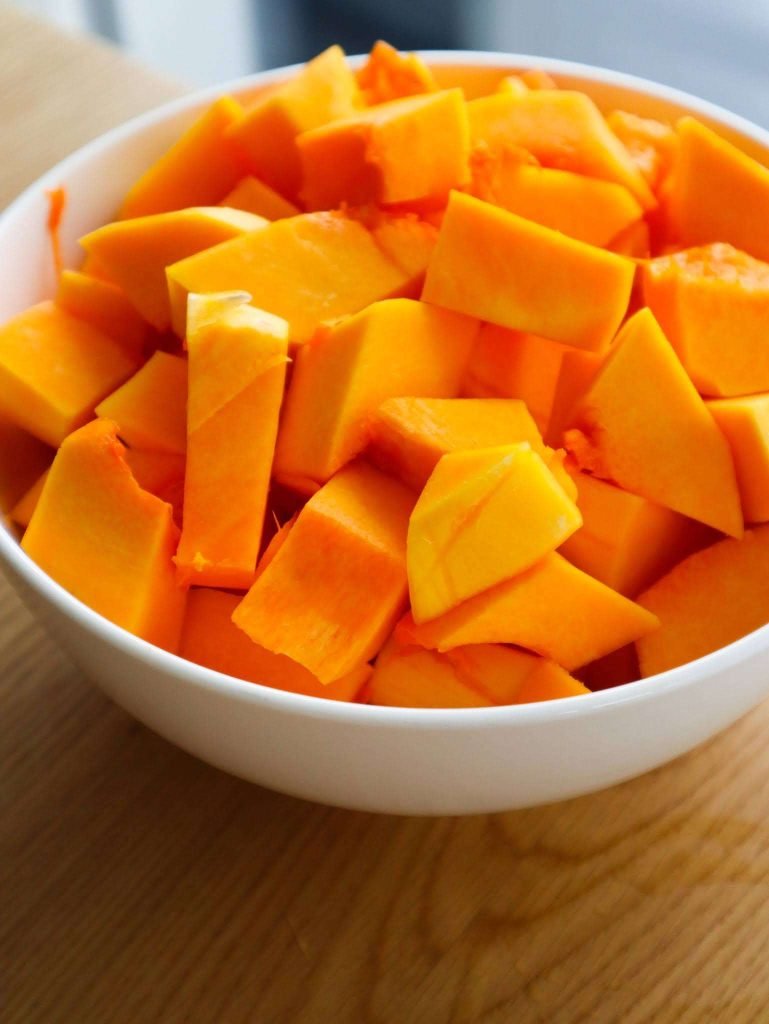
For cutting, start by slicing off both ends to create stable, flat surfaces. Then, cut the squash in half lengthwise. This makes it easier to access the seeds and achieve uniform pieces. After removing seeds, chop the flesh into cubes about 1-inch thick for even cooking.
Removing Seeds Efficiently
After halving the squash, you’ll find a cavity filled with seeds and stringy pulp. Use a sturdy spoon or an ice cream scoop to scrape out the seeds quickly. If you want to roast the seeds later, separate them from the pulp by rinsing under cold water and patting dry.
Removing seeds thoroughly helps avoid soggy spots during cooking and improves the texture of your dish. Have you ever cooked squash with leftover pulp inside? It often results in uneven cooking and a mushy bite.
Stove Cooking Methods
Cooking butternut squash on the stove offers fast and flexible options. Each method brings out different flavors and textures. Choose the one that fits your meal and time.
Sautéing For Quick Results
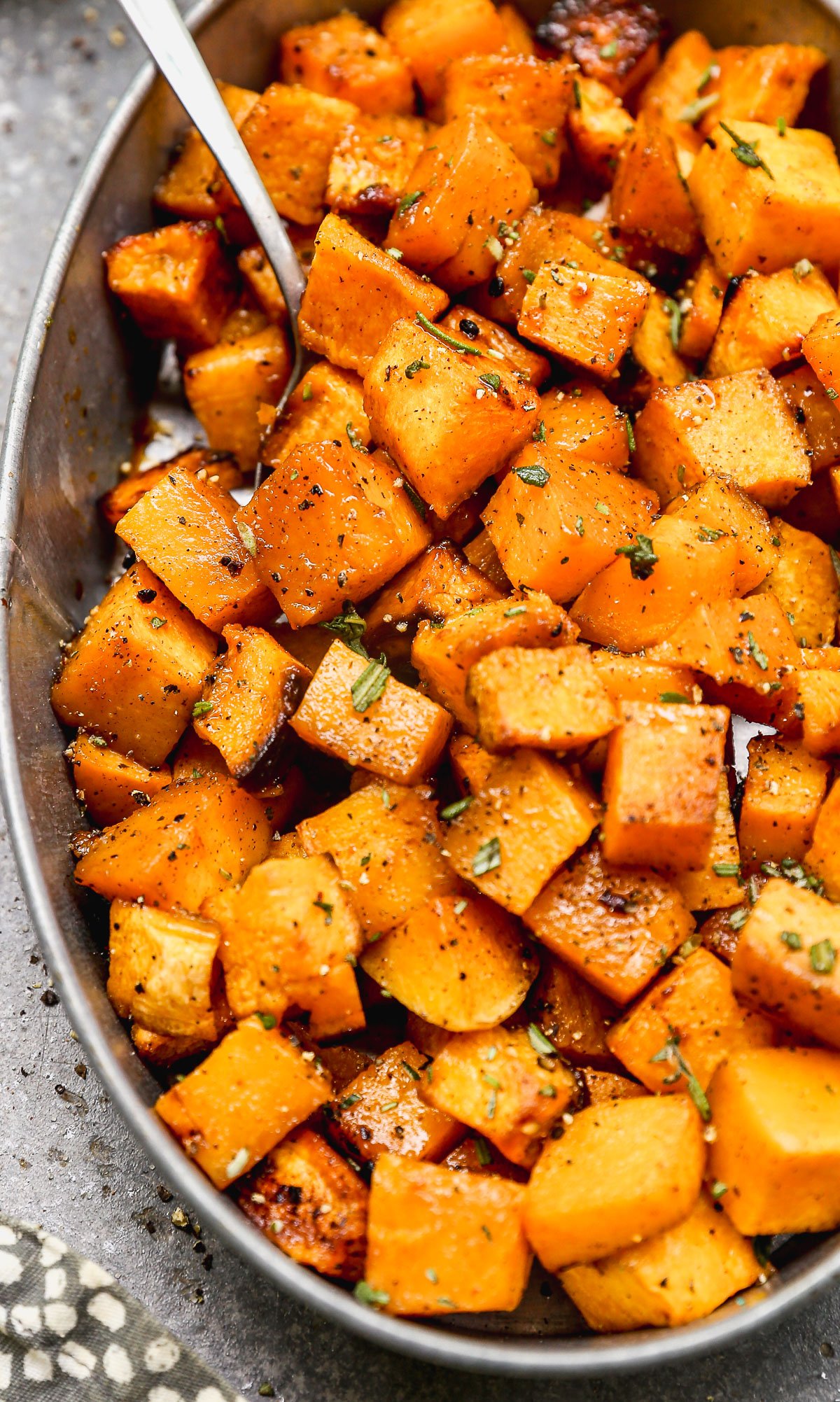
Sautéing butternut squash gives a nice caramelized flavor. Cut the squash into small cubes for even cooking. Heat oil in a pan over medium heat. Add squash pieces and stir often. Cook for about 10 minutes until tender and golden. Season with salt, pepper, or herbs for extra taste.
Simmering In Broth Or Water
Simmering softens squash gently and keeps it moist. Peel and chop the squash into chunks. Place them in a pot and cover with broth or water. Bring to a low boil, then reduce heat. Let it simmer for 15 to 20 minutes. Squash is ready when easily pierced with a fork. Use broth for more flavor or water for a neutral taste.
Steaming On The Stove
Steaming keeps squash bright and nutrient-rich. Cut the squash into even pieces for uniform cooking. Fill a pot with about an inch of water. Place a steamer basket inside, above the water level. Add squash to the basket and cover with a lid. Steam for 10 to 15 minutes until soft. This method is great for purees or salads.
Seasoning And Flavoring
Seasoning butternut squash with salt, pepper, and a touch of cinnamon enhances its natural sweetness. Adding garlic or herbs like thyme boosts flavor while cooking on the stove. Simple spices bring warmth and depth to each bite.
Seasoning and flavoring butternut squash on the stove can transform this humble vegetable into a delectable dish bursting with taste. Whether you prefer simple spices, fresh herbs, or a mix of sweet and savory elements, there’s a way to make the flavors pop. Let’s dive into some exciting ways to enhance your butternut squash.Simple Spices To Enhance Taste
A sprinkle of the right spices can elevate the natural sweetness of butternut squash. Consider using cinnamon or nutmeg for a warm, comforting flavor. These spices complement the squash’s sweetness and are perfect for cozy, autumn-inspired meals. Alternatively, a dash of cayenne pepper or paprika can add a subtle kick. These spices add depth and a hint of heat, making your squash more vibrant. Experimenting with these spices can lead to delightful new taste experiences.Using Herbs For Freshness
Fresh herbs can add a refreshing twist to your butternut squash. Thyme and sage are excellent choices, offering earthy and aromatic notes that balance the squash’s sweetness. Chop the herbs finely and add them towards the end of cooking. This ensures they retain their fresh flavor and don’t overpower the dish. You might find that using fresh herbs makes your dish feel lighter and more gourmet.Adding Sweet And Savory Elements
For those who love complexity, combining sweet and savory elements can create a masterpiece. Honey or maple syrup can enhance the squash’s natural sugars, offering a caramelized finish when cooked on the stove. Pair this with a sprinkle of sea salt or a splash of balsamic vinegar to introduce a savory contrast. This balance of flavors can intrigue your palate and keep you coming back for more. Have you tried adding a touch of brown sugar with a pinch of salt? The result might surprise you with its delicious harmony.
Credit: food52.com
Timing And Texture Tips
Cooking butternut squash on the stove needs attention to timing and texture. The goal is to get the squash tender but not mushy. Understanding how long to cook and how to check doneness helps you achieve perfect results every time.
How Long To Cook For Softness
Cut butternut squash into even pieces for uniform cooking. Typically, it takes about 10 to 15 minutes over medium heat. Stir occasionally to prevent burning. The squash should become tender enough to pierce with a fork but still hold its shape.
Maintaining A Slight Bite
For a firmer texture, cook the squash for 7 to 9 minutes. Keep the heat medium to avoid overcooking. This way, the squash stays slightly crisp and adds a pleasant contrast to softer dishes.
Checking Doneness
Test the squash by poking it with a fork or knife. It should slide in easily without much resistance. If it feels too hard, continue cooking in 2-minute increments. Avoid overcooking to keep the best flavor and texture.
Serving Suggestions
Butternut squash cooked on the stove is a versatile ingredient. It fits well in many dishes and adds a sweet, nutty flavor. Serving it right enhances the meal and brings out its best taste.
Pairing With Proteins
Butternut squash pairs wonderfully with many proteins. Try it alongside grilled chicken or roasted pork. The squash’s sweetness balances savory meats well. It also complements fish like salmon or cod. For plant-based meals, serve it with lentils or chickpeas. These combinations create a hearty, tasty plate.
Incorporating Into Salads And Sides
Add cooked butternut squash to salads for extra color and texture. Cube it and mix with spinach, nuts, and feta cheese. It works well in warm grain salads too, like quinoa or farro. Use it as a side dish by tossing with olive oil, herbs, and a pinch of salt. Roasted or sautéed, it makes a simple, healthy side.
Using As A Base For Soups
Butternut squash makes a creamy, rich soup base. Cook it with onions, garlic, and broth for a smooth texture. Blend until silky and season with spices like nutmeg or cumin. This soup is warming and perfect for cool days. Add a dollop of yogurt or a sprinkle of fresh herbs on top for extra flavor.
Storage And Leftover Ideas
Cooked butternut squash is delicious and versatile. Storing it properly keeps it fresh longer. Leftovers can be tasty and reduce waste. Simple storage and reheating tips help maintain flavor. Try creative ideas to enjoy squash beyond the first meal.
Storing Cooked Squash Safely
Cool the squash to room temperature before storing. Place it in an airtight container or resealable bag. Store in the refrigerator for up to 4 days. For longer storage, freeze in a freezer-safe container. Label with the date to keep track.
Reheating Without Losing Flavor
Reheat cooked squash gently to keep texture and taste. Use a microwave on low power or warm in a pan. Add a splash of water or broth to prevent drying. Stir occasionally to heat evenly. Avoid overheating to keep it soft and tasty.
Creative Recipes For Leftovers
- Add cooked squash to soups for natural sweetness.
- Mix into mashed potatoes for a creamy twist.
- Use in pasta sauces for extra flavor and nutrition.
- Blend into smoothies for a rich, healthy boost.
- Make squash fritters by combining with eggs and flour.
- Include in salads for a warm, hearty ingredient.

Credit: food52.com
Frequently Asked Questions
How Long To Cook Butternut Squash On Stove?
Cook peeled, cubed butternut squash for 10-15 minutes. Simmer in boiling water or steam until tender. Test with fork for softness.
Can I Cook Butternut Squash Without Peeling?
Yes, you can cook with skin on. Skin softens when boiled or steamed but tastes better peeled for recipes.
What’s The Best Method To Cook Butternut Squash On Stove?
Boiling or steaming are best. Boil cubes in water or steam until fork-tender. Both methods preserve flavor and nutrients.
How To Season Butternut Squash When Cooking On Stove?
Add salt, pepper, and butter after cooking. Herbs like thyme or rosemary enhance flavor. Season to taste for best results.
Conclusion
Cooking butternut squash on the stove is quick and simple. You only need a few steps to get soft, tasty squash. This method saves time and keeps the flavor fresh. Serve it as a side or add it to your favorite dishes.
Enjoy the natural sweetness and smooth texture with ease. Try this easy way to cook butternut squash anytime you want a healthy meal. Give it a go and taste the difference yourself.

Hi, I’m Daniel Brooks—a food lover and kitchen gear enthusiast. I enjoy testing cookware, utensils, and gadgets to see what really works in everyday cooking. At PlugChef.com, I share honest reviews, comparisons, and simple guides to help you choose the best tools for a safer, smarter, and more enjoyable kitchen.
Related posts:
 What Type of Cooking Utensils are Safe: Expert Picks
 What Innovations Could Blenders Make: Unleashing Future Tech
 Smart Strategies to Organize a Small Kitchen: Maximize Space
 How to Organize a Kitchen Cabinet: Expert Tips & Tricks
 How to Organize Kitchen Drawers: Expert Tips and Tricks
 How to Organize a Corner Kitchen Cupboard: Expert Tips

