
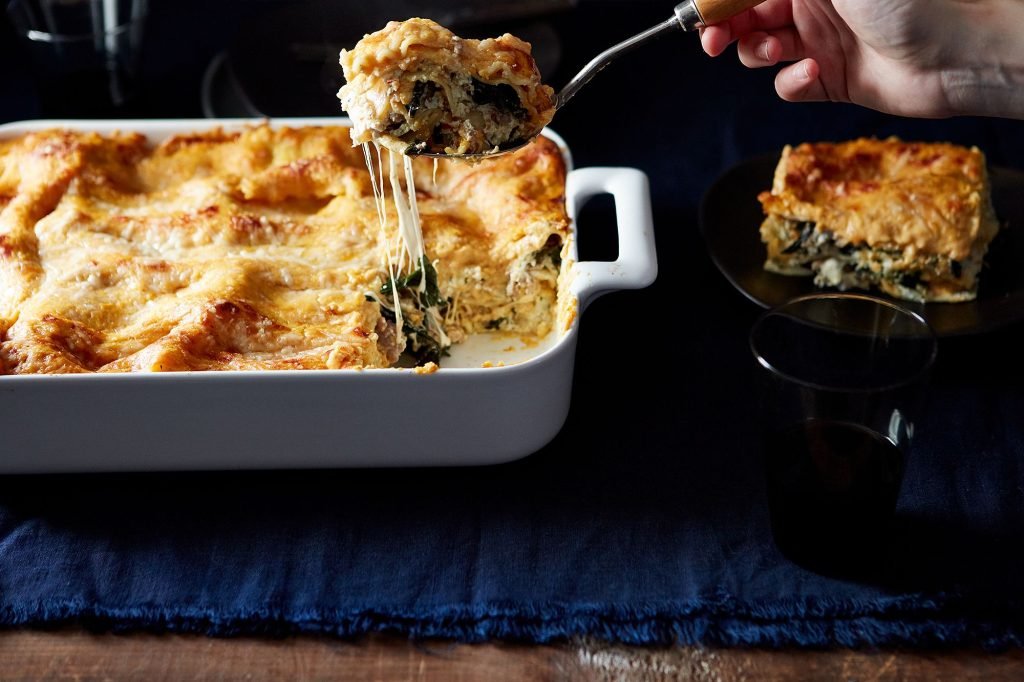
Are you ready to discover a lasagna that brings comfort and bold flavors to your table? Imagine layers of creamy butternut squash blending perfectly with savory sausage, all baked to golden perfection.
This Butternut Squash and Sausage Lasagna is not just another pasta dish—it’s a delicious twist that will surprise your taste buds and satisfy your hunger like never before. Keep reading, and you’ll learn how to make this mouthwatering meal that’s perfect for family dinners or impressing your guests.
Your new favorite lasagna recipe is just ahead!

Credit: honeyimhungryblog.com
Ingredients For Rich Flavor
Creating a lasagna that bursts with rich flavor starts with choosing the right ingredients. Each component plays a crucial role in building layers of taste that make every bite memorable. Your selection of butternut squash, sausage, cheese, and herbs will define the dish’s personality and depth.
Selecting The Butternut Squash
Pick a butternut squash that feels heavy for its size and has a matte, firm skin without blemishes. This indicates ripeness and sweetness, which add a natural sweetness to the lasagna. Roasting the squash before layering intensifies its flavor and softens the texture, creating a creamy base that contrasts beautifully with savory sausage.
Choosing The Right Sausage
Go for a sausage with balanced seasoning—too mild, and your dish may lack punch; too spicy, and it might overpower the squash. Italian sausage, whether sweet or spicy, works wonderfully because it adds both fat and flavor. If you prefer, mix pork sausage with a bit of fennel or sage sausage to create a complex taste that keeps your palate interested.
Essential Cheese Varieties
Cheese is the glue that holds your lasagna together, and picking the right types is key. Use ricotta for creaminess, mozzarella for meltiness, and a sharp Parmesan to add a nutty, salty finish. Layering these cheeses thoughtfully ensures your lasagna isn’t just cheesy but balanced in texture and flavor.
Herbs And Spices To Enhance Taste
Fresh herbs like sage and thyme complement both the butternut squash and sausage perfectly. A pinch of nutmeg in the ricotta mixture can elevate the squash’s sweetness subtly. Don’t underestimate the power of freshly cracked black pepper and a bit of garlic powder—they bring warmth and depth without stealing the spotlight.
Preparing The Butternut Squash
Preparing the butternut squash is a key step in making a delicious lasagna. It brings natural sweetness and a smooth texture. Proper preparation ensures the squash cooks evenly and blends well with sausage and cheese. Use simple techniques to peel, cube, and cook the squash for the best results.
Peeling And Cubing Techniques
Start by cutting off both ends of the squash. Use a sharp vegetable peeler to remove the skin carefully. The skin is tough and should be fully peeled. Cut the squash in half lengthwise and scoop out the seeds with a spoon.
Slice the squash into strips, then cut into cubes. Aim for uniform pieces about 1-inch wide. This size cooks evenly and mixes well in the lasagna. Keep your cuts steady and consistent for the best texture.
Roasting For Sweetness
Roasting the squash enhances its natural sweetness. Preheat the oven to 400°F (200°C). Toss the cubes with a little olive oil, salt, and pepper. Spread them in a single layer on a baking sheet.
Roast for 25-30 minutes until tender and lightly browned. Stir halfway through cooking to ensure even roasting. The caramelized edges add flavor and depth to the dish. Roasted squash softens perfectly for layering in lasagna.
Alternatives To Roasting
Steaming is a gentle way to cook the squash. Place cubes in a steamer basket over boiling water. Cover and steam for 10-15 minutes until soft. Steamed squash is moist and mild in taste.
Boiling is faster but can make the squash waterlogged. Boil cubes in salted water for 8-10 minutes. Drain well to avoid excess moisture in the lasagna. Choose cooking methods based on texture preference and time available.
Cooking The Sausage
Sausage sizzles in the pan, releasing rich flavors. Browning it well adds depth to the butternut squash and sausage lasagna. This step ensures a tasty, hearty dish.
Cooking the sausage is a crucial step in crafting the perfect Butternut Squash and Sausage Lasagna. The right technique can elevate your dish from ordinary to exceptional, infusing it with rich flavors and a delightful texture. Let’s dive into the essential steps to achieve sausage perfection.Removing Casings And Crumbling
First, remove the casings from your sausage. This can be easily done by making a small incision with a sharp knife along the length of the sausage. Once the casing is off, crumble the sausage into bite-sized pieces. This ensures an even distribution in the lasagna, allowing each bite to burst with flavor.Browning For Depth
Heat your pan over medium-high heat and add the crumbled sausage. Let it brown on one side before stirring to achieve a deep, caramelized crust. This browning process adds a depth of flavor that enhances the overall dish.Balancing Fat Content
Sausage can be fatty, and too much grease can overwhelm your lasagna. After browning, drain excess fat by pouring it out or using a paper towel to blot the sausage. Consider how much fat you want to retain for flavor—some fat is good, but too much can be overpowering. What are your thoughts on managing fat content in your recipes? Share your experiences in the comments below!Making The Sauce
Making the sauce is an important part of Butternut Squash and Sausage Lasagna. The sauce ties all the flavors together. It adds moisture and richness to every bite. You can choose a classic tomato base or a creamy white sauce. Adding herbs and garlic brings extra aroma and depth. Each sauce style gives a unique taste to your lasagna.
Classic Tomato Base
This sauce uses ripe tomatoes for a fresh, tangy flavor. Start by sautéing onions and garlic in olive oil. Add crushed tomatoes and simmer gently. Season with salt and pepper. The tomato base balances the sweetness of the butternut squash. It also complements the savory sausage perfectly. Let the sauce thicken slightly before layering in the lasagna.
Creamy White Sauce Option
A creamy white sauce offers a smooth, rich texture. Melt butter in a pan, then whisk in flour to make a roux. Slowly add warm milk, stirring constantly. Cook until the sauce thickens. Add a pinch of nutmeg for warmth. This sauce enhances the lasagna’s creaminess and pairs well with the squash and sausage. Use it instead of tomato for a milder flavor.
Incorporating Herbs And Garlic
Herbs and garlic add fresh and savory notes to the sauce. Mince garlic finely and sauté it first for a fragrant base. Use herbs like basil, oregano, thyme, or sage. Fresh herbs brighten the sauce, while dried herbs add deep flavor. Stir herbs into the sauce near the end of cooking. This step lifts the overall taste and aroma of the lasagna sauce.
Layering The Lasagna
Layering the lasagna is the key to building rich flavors and a perfect texture. Each layer adds its own taste and character. Careful assembly ensures every bite is balanced with noodles, squash, sausage, cheese, and sauce. Take time to layer evenly for a beautiful and delicious dish.
Arranging Noodles Perfectly
Start by placing noodles flat in the baking dish. Overlap slightly to cover the entire surface. Avoid gaps to keep layers intact during baking. Use cooked or no-boil noodles for softness. Press noodles gently to create a solid base.
Combining Squash And Sausage
Spread a mix of roasted butternut squash and cooked sausage over the noodles. Distribute evenly for consistent flavor. The sweet squash balances the savory sausage well. Use a spoon to break large pieces for smooth layering. This combo adds rich texture and taste.
Adding Cheese And Sauce Layers
Next, dollop a layer of creamy ricotta or mozzarella cheese. Spread sauce over the cheese to keep it moist. The sauce blends all ingredients and adds juiciness. Repeat layering with noodles, squash, sausage, cheese, and sauce. End with a generous cheese topping for a golden crust.
Baking Tips For Best Results
Baking your Butternut Squash and Sausage Lasagna to perfection requires attention to a few key details. These tips help you avoid common pitfalls like drying out or undercooking the layers. Let’s dive into how you can get that perfect golden top and tender inside every time.
Ideal Oven Temperature
Setting the right oven temperature is crucial for even cooking. Aim for 350°F (175°C) to allow the lasagna to cook slowly and thoroughly.
This moderate heat melts the cheese nicely without burning the edges. Higher temperatures might brown the top too fast, leaving the inside undercooked. If you’ve ever had a lasagna with crispy edges but raw middle, you know why this matters.
Covering And Uncovering
Covering the lasagna with foil for most of the baking time traps moisture and prevents the top from drying out. Remove the foil in the last 10–15 minutes to let the cheese brown beautifully.
This simple step balances moisture and texture. Have you noticed how foil can keep your dish steaming, but too long under foil leaves the top pale? Timing the uncovering makes all the difference.
Checking For Doneness
Doneness isn’t just about timer settings; it’s about checking the layers. Insert a knife or skewer into the center—if it slides in easily and the squash feels tender, you’re good.
Also, look for bubbling sauce along the edges. That’s a sign the heat reached the middle. If the top browns too fast but the inside isn’t done, lower the oven temperature and cover the lasagna again.
Serving Suggestions
Serving Butternut Squash and Sausage Lasagna offers a rich, comforting meal. Enhancing the dish with suitable sides, drinks, and garnishes makes the experience even better. These suggestions help create a balanced and tasty plate.
Pairing With Sides
- A fresh green salad with a light vinaigrette complements the richness.
- Roasted Brussels sprouts add a crispy texture and earthy flavor.
- Garlic bread or warm focaccia helps soak up the lasagna sauce.
- Steamed green beans provide a simple, healthy balance.
Wine And Beverage Options
- A medium-bodied red wine like Chianti pairs well with sausage flavors.
- White wines such as Chardonnay balance the sweetness of butternut squash.
- For non-alcoholic options, try sparkling water with a slice of lemon.
- Herbal iced teas, like mint or chamomile, refresh the palate.
Garnishing Ideas
- Fresh basil leaves add a bright, herbal note.
- Grated Parmesan cheese enhances the cheesy layers.
- Toasted pine nuts bring a pleasant crunch and nutty flavor.
- A drizzle of balsamic glaze adds a touch of sweetness.

Credit: food52.com
Variations To Try
Butternut squash and sausage lasagna can be customized in many ways. These variations help fit different tastes and dietary needs. Experiment with these ideas to make the dish your own.
Vegetarian Alternatives
Replace sausage with plant-based options like mushrooms or lentils. Use roasted vegetables such as zucchini, spinach, or eggplant for extra flavor. Add herbs like basil and oregano for a fresh taste. Swap the cheese for vegan versions to keep it dairy-free.
Spicy Sausage Versions
Choose spicy Italian sausage to add heat and depth. Mix in chili flakes or hot paprika for extra kick. Use pepper jack or a spicy cheese to enhance the flavor. Balance the spice with sweet butternut squash to avoid overpowering.
Gluten-free Options
Use gluten-free lasagna noodles or thinly sliced vegetables like zucchini or eggplant instead. Ensure the sausage is gluten-free by checking labels. Substitute regular flour in the sauce with gluten-free flour or cornstarch. This way, the dish stays safe for gluten sensitivity.

Credit: www.countryliving.com
Frequently Asked Questions
What Ingredients Are Needed For Butternut Squash And Sausage Lasagna?
You need butternut squash, Italian sausage, lasagna noodles, ricotta, mozzarella, Parmesan, garlic, onions, and tomato sauce. Fresh herbs like sage or thyme enhance the flavor. These ingredients create a savory and slightly sweet lasagna with creamy cheese layers.
How Do You Prepare Butternut Squash For Lasagna?
Peel and cube the butternut squash, then roast or sauté until tender. Cooking it softens the squash, making it blend well with the sausage and cheese. This step adds a natural sweetness and smooth texture to the lasagna.
Can I Use Turkey Sausage Instead Of Pork Sausage?
Yes, turkey sausage is a leaner alternative and works well in this recipe. It provides similar flavor without extra fat. Using turkey sausage keeps the dish lighter while maintaining the savory taste that complements the butternut squash.
How Long Should I Bake Butternut Squash And Sausage Lasagna?
Bake the lasagna covered at 375°F (190°C) for about 40-45 minutes. Then, uncover and bake for an additional 10-15 minutes until the cheese is bubbly and golden. This ensures the lasagna is heated through and perfectly cooked.
Conclusion
This butternut squash and sausage lasagna offers a warm, tasty meal. It combines sweet squash with savory sausage perfectly. Easy to prepare and full of flavor. A great dish for family dinners or gatherings. Try it once, and you might make it often.
Healthy and comforting, all in one pan. Enjoy the rich taste and simple ingredients. A perfect way to enjoy fall flavors any time.

Hi, I’m Daniel Brooks—a food lover and kitchen gear enthusiast. I enjoy testing cookware, utensils, and gadgets to see what really works in everyday cooking. At PlugChef.com, I share honest reviews, comparisons, and simple guides to help you choose the best tools for a safer, smarter, and more enjoyable kitchen.
Related posts:
 What Type of Cooking Utensils are Safe: Expert Picks
 What Innovations Could Blenders Make: Unleashing Future Tech
 Smart Strategies to Organize a Small Kitchen: Maximize Space
 How to Organize a Kitchen Cabinet: Expert Tips & Tricks
 How to Organize Kitchen Drawers: Expert Tips and Tricks
 How to Organize a Corner Kitchen Cupboard: Expert Tips

