
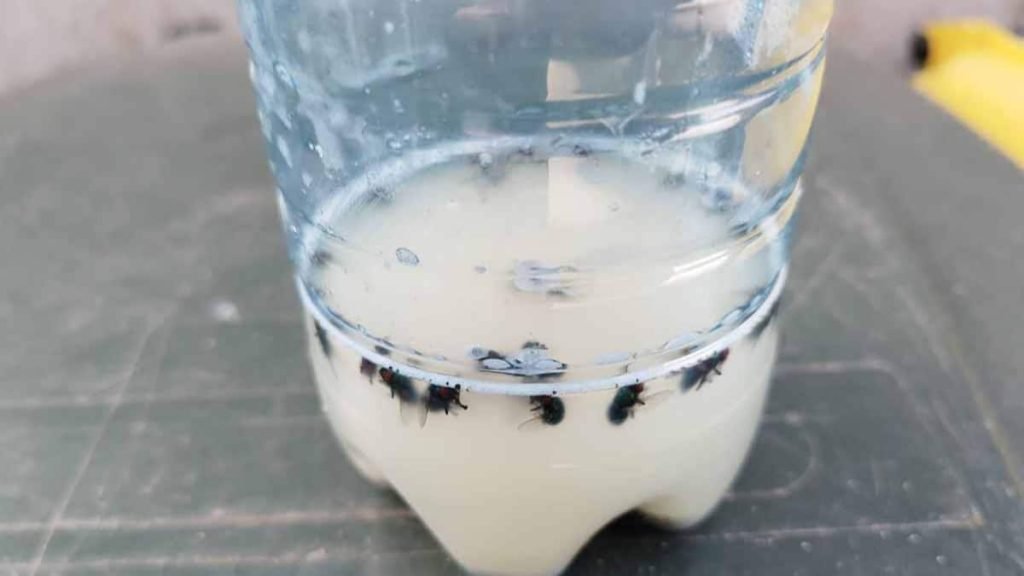
Are you tired of annoying flies buzzing around your home or backyard? You don’t have to spend a lot of money on store-bought traps or harmful sprays.
Imagine creating your own fly trap with simple items you already have. Not only will you save money, but you’ll also get rid of flies quickly and safely. Keep reading, and you’ll discover an easy step-by-step guide to making a fly trap that really works.
Your home will feel fresher, and those pesky flies will be gone for good.

Credit: moxieservices.com
Why Use Diy Fly Traps
DIY fly traps offer a simple, effective way to control flies around your home. They put you in charge, letting you customize traps to fit your specific needs. Why settle for off-the-shelf solutions when you can create something that works better and is kinder to your budget and the planet?
Benefits Over Store-bought Options
Store-bought fly traps often contain harsh chemicals that can be harmful to pets and children. DIY traps use natural ingredients, making them safer for your household. You also get to decide the size and placement, which helps target fly hotspots more precisely.
Have you noticed how some commercial traps lose effectiveness quickly? DIY traps can be refreshed or modified easily to keep working longer. This flexibility means you spend less time swapping out traps and more time enjoying a fly-free space.
Environmental Impact
Many commercial fly traps come in plastic packaging and use synthetic attractants that contribute to pollution. Creating your own traps reduces plastic waste since you can reuse containers and materials. Using natural baits like sugar water or fruit scraps avoids introducing chemicals into your environment.
By choosing DIY options, you reduce your carbon footprint. You’re not supporting mass-produced goods that require transportation and excess packaging. How much difference could your small change make if everyone tried it?
Cost Savings
Making fly traps at home is incredibly budget-friendly. The ingredients are often items you already have, like vinegar, sugar, or old jars. This means you avoid the recurring costs of buying new traps every few weeks.
Think about the money spent on fly sprays, zappers, or sticky traps over a season. DIY fly traps offer a one-time effort that pays off repeatedly. How much could you save by simply using what’s already in your kitchen?
Common Materials Needed
Building your own fly trap needs simple materials found at home or nearby. These items make the process easy and affordable. Gathering the right things saves time and effort.
Below are common materials you will need. They fall into three groups: household items, safe baits, and tools for assembly. Each group plays a key role in making a functional fly trap.
Household Items
- Empty plastic bottles or jars
- Sticky tape or glue
- Scissors or a sharp knife
- String or rubber bands
- Paper or cardboard
- Plastic wrap or mesh
Safe Baits
- Sugar water or simple syrup
- Fruit scraps like banana or apple
- Vinegar, especially apple cider vinegar
- Honey or molasses
- Overripe fruit pieces
Tools For Assembly
- Marker or pen for marking cuts
- Measuring tape or ruler
- Needle or pin for poking holes
- Gloves to protect your hands
- Small funnel for pouring liquids
Simple Diy Fly Trap Designs
Create easy fly traps using household items like bottles, sugar, and vinegar. These simple traps catch flies without harmful chemicals. Perfect for keeping your home fly-free naturally.
If you’re tired of pesky flies buzzing around your home, creating your own fly trap might just be the solution you need. DIY fly traps are not only cost-effective but also incredibly easy to make. Let’s explore some simple designs that can help you keep those unwelcome visitors at bay.Bottle Trap
The bottle trap is a favorite among many DIY enthusiasts due to its simplicity and effectiveness. Grab an empty plastic bottle, such as a soda bottle, and cut it in half. Invert the top half into the bottom half, creating a funnel that leads flies inside but makes it tricky for them to escape. To attract flies, add a bait such as sugar water or a piece of fruit to the bottom of the bottle. Secure the two halves together with tape or staples to ensure stability. Place it in a spot where flies tend to gather, and watch as they find their way in but struggle to find their way out.Paper Cone Trap
This design is both fun and quick to assemble. Roll a piece of paper into a cone shape, ensuring the narrow end can easily fit into a jar or cup. Secure the cone with tape to maintain its shape. Fill your chosen container with a sweet bait like honey or apple cider vinegar. Insert the cone, ensuring it doesn’t touch the liquid, and place the trap in an area with high fly activity. The flies will be drawn in by the scent but find it difficult to leave.Jar And Bait Trap
The jar and bait trap is an excellent choice for those who prefer a more discreet option. Use any jar with a lid and puncture small holes in the lid using a nail or screwdriver. The holes should be big enough for flies to enter but not too large. Add bait such as fruit scraps or a meat piece into the jar and securely close the lid. Place the jar in a strategic location, and let the bait do its work. This trap is not only effective but also easy to clean and reuse. Creating your own fly trap can be a rewarding endeavor. Which of these designs will you try first? Your homemade solution might just be the key to a fly-free home.Effective Baits To Attract Flies
Choosing the right bait is key for a successful DIY fly trap. Flies are drawn to strong scents, especially sweet or decaying odors. Using effective baits increases the chances of catching more flies quickly. Here are some simple bait ideas that work well.
Sweet Solutions
Sweets attract many types of flies, especially fruit flies. Simple sugar-based baits are easy to prepare at home. Use ingredients like:
- Honey mixed with water
- Fruit juice or soda
- Overripe fruits, such as bananas or peaches
The sweet smell lures flies inside the trap. Keep the bait fresh for the best results.
Rotten Food Baits
Decay attracts house flies and blowflies. Rotten food baits emit a strong odor that flies cannot resist. Use scraps like:
- Old meat or fish
- Fermented vegetables
- Stale bread or cheese
Place the bait in a sealed container with small holes. This traps the flies while letting the scent escape.
Commercial Alternatives
Pre-made fly baits offer convenience and strong attraction. These baits often contain enzymes or pheromones. Popular options include:
- Fly bait gels
- Sticky fly papers with scent
- Liquid fly attractants
Use commercial baits according to instructions for safe and effective fly trapping.
Placement Tips For Best Results
Placing your DIY fly trap in the right spot can make a huge difference in how well it works. You want to catch flies effectively without attracting unwanted insects or creating inconvenience. Paying attention to where you put your trap helps you get results faster and keeps your space more comfortable.
Indoor Spots
Inside your home, flies often gather near food sources or trash bins. Place your fly trap close to these areas but not right on top of food preparation surfaces. A corner of the kitchen or near the garbage can works well.
Try hanging the trap at eye level or slightly above. This makes it easy for flies to spot and enter. Avoid placing it near open windows or vents where flies might simply bypass the trap.
Outdoor Areas
Outside, think about where flies like to rest or breed. Common spots include patios, near compost piles, and around outdoor dining areas. Set your trap a few feet away from where people gather to keep the space pleasant.
Shade is important. Flies prefer warmer spots, but your trap will last longer if it’s not in direct sunlight all day. A sheltered location helps maintain the bait’s scent and effectiveness.
Avoiding Non-target Insects
You don’t want to catch helpful insects like bees or butterflies by mistake. To reduce this risk, avoid placing traps near flowering plants or fruit trees. Use baits that specifically attract flies, such as sugar water or vinegar mixes, rather than sweet floral scents.
Check your traps regularly. Removing caught insects quickly prevents attracting predators or causing unpleasant odors. Are you ready to experiment with placement and see which spot catches the most flies in your space?

Credit: www.architecturaldigest.com
Maintenance And Disposal
Keeping your DIY fly trap in top shape is key to making sure it works well over time. Regular maintenance helps you catch more flies and prevents any unpleasant smells or messes around your home. Knowing how to clean, replace bait, and dispose of the trap safely can save you time and keep your space hygienic.
Cleaning Traps
Cleaning your fly trap regularly stops buildup that can reduce its effectiveness. Start by emptying the trap carefully—flies and sticky residue can be messy. Use warm water and mild soap to wash the trap parts, avoiding harsh chemicals that might damage your DIY setup.
Rinse everything thoroughly to remove any soap traces. Let the trap dry completely before refilling it with bait. This simple routine keeps your trap fresh and ready to catch more flies without losing its stickiness or appeal.
Replacing Baits
The bait is the heart of your fly trap—it attracts flies to come closer. Over time, bait loses its smell and effectiveness, so replacing it regularly is essential. Pay attention to how quickly flies stop showing up; this is a good sign your bait needs refreshing.
You can use natural baits like fruit peels or sugar water, which are easy to replace and safe. Changing the bait every few days or when you notice fewer flies helps maintain your trap’s success and keeps flies away longer.
Safe Disposal Methods
Disposing of flies and bait properly is important for cleanliness and safety. Avoid throwing the trap directly into open trash where flies might escape or spread germs. Instead, seal the trap or its contents in a plastic bag before discarding.
If your trap uses biodegradable materials, consider composting them if possible. Otherwise, place the sealed bag in your regular trash bin. This keeps your home clean and prevents any unwanted fly outbreaks after disposal.
Preventing Future Fly Problems
Stopping flies before they become a problem saves effort and keeps your space cleaner. Preventing future fly problems means making your environment less welcoming to these pests. Simple habits and tools can make a big difference in fly control.
Sanitation Practices
Flies are attracted to garbage, food scraps, and spills. Keep your home and yard clean to reduce their food sources. Empty trash bins often and use sealed containers. Clean up pet waste promptly. Wipe down counters and floors regularly to remove crumbs and spills. Compost bins should be covered tightly and located away from living areas.
Physical Barriers
Blocking flies from entering your home is a strong defense. Use window and door screens to keep flies out. Repair any holes or gaps in screens immediately. Install door sweeps to close gaps under doors. Use fly strips or traps near entrances as an extra layer of protection. Keeping doors and windows closed during peak fly activity helps too.
Regular Monitoring
Check your home and yard often for signs of flies. Early detection allows quick action before they multiply. Look for fly eggs or larvae in moist areas. Inspect trash bins and compost regularly. Use simple fly traps to monitor fly activity. Adjust cleaning and barrier measures based on what you find. Consistent monitoring keeps fly problems under control.

Credit: www.wowcatch.com
Frequently Asked Questions
What Materials Do I Need For A Diy Fly Trap?
You need a plastic bottle, sugar, water, and yeast or vinegar. These items attract and trap flies effectively. They are easy to find and inexpensive for homemade fly traps.
How Does A Diy Fly Trap Work?
The trap uses sweet liquid to lure flies inside. Once flies enter, they cannot escape. This method safely reduces fly populations without chemicals.
Where Should I Place My Diy Fly Trap?
Place the trap in areas with high fly activity. Common spots include kitchens, patios, and trash bins. Proper placement increases trap effectiveness.
How Often Should I Clean Or Replace The Trap?
Replace the trap every one to two weeks. Clean it regularly to maintain attraction. Fresh bait ensures the trap continues to capture flies efficiently.
Conclusion
Making your own fly trap saves money and works well. You need just a few simple items found at home. This trap helps reduce flies without harmful chemicals. It keeps your space cleaner and more comfortable. Try it today and see the difference yourself.
Small steps like this make a big change. Stay fly-free with easy, do-it-yourself solutions.

Hi, I’m Daniel Brooks—a food lover and kitchen gear enthusiast. I enjoy testing cookware, utensils, and gadgets to see what really works in everyday cooking. At PlugChef.com, I share honest reviews, comparisons, and simple guides to help you choose the best tools for a safer, smarter, and more enjoyable kitchen.
Related posts:
 What Type of Cooking Utensils are Safe: Expert Picks
 What Innovations Could Blenders Make: Unleashing Future Tech
 Smart Strategies to Organize a Small Kitchen: Maximize Space
 How to Organize a Kitchen Cabinet: Expert Tips & Tricks
 How to Organize Kitchen Drawers: Expert Tips and Tricks
 How to Organize a Corner Kitchen Cupboard: Expert Tips

