
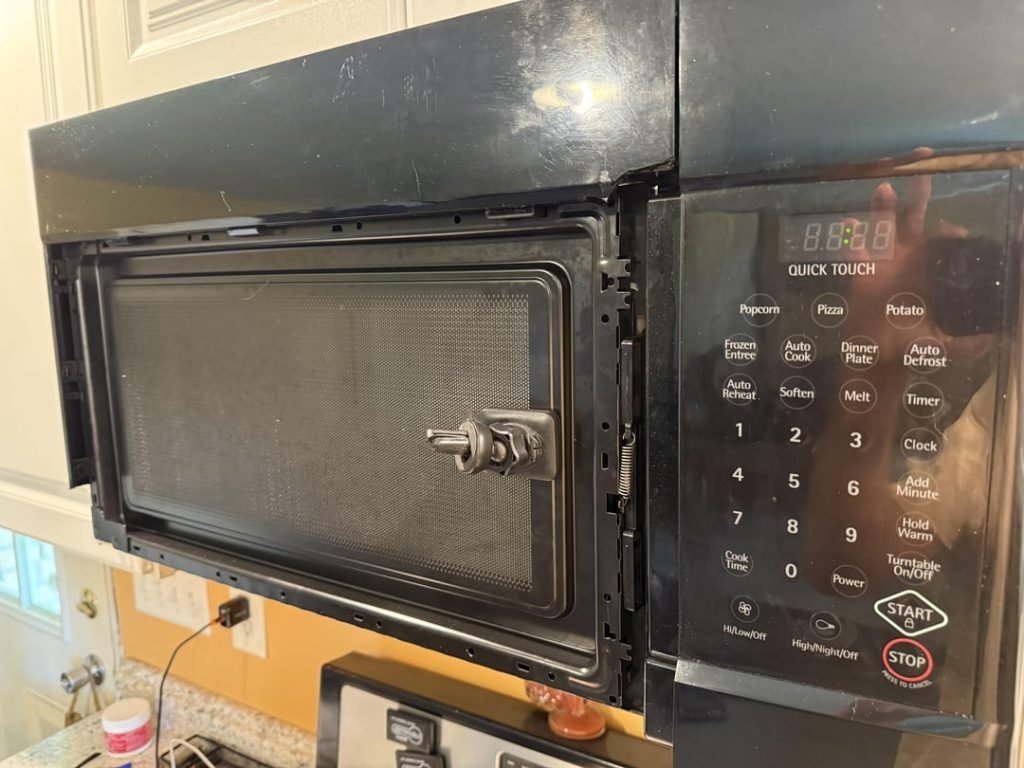
Is your microwave acting up, but you’re not sure if it’s time to let it go? You rely on your microwave every day to heat meals quickly and make life easier.
But how do you know when it’s truly time to replace it instead of just fixing it? You’ll discover clear signs that your microwave has reached the end of its life. By the time you finish reading, you’ll feel confident about making the right choice for your kitchen and your budget.
Keep reading—your next meal might depend on it!
Microwave Lifespan Basics
Understanding the lifespan of a microwave helps decide the right time for replacement. Microwaves do not last forever. Knowing their typical duration and what affects their working life saves money and prevents cooking delays. This section explains basic facts about microwave lifespan and key influences on its durability.
Average Usage Duration
Most microwaves last between 7 to 10 years. This range depends on brand and model. Some may work well beyond ten years with low usage. Others might fail earlier if used heavily. On average, expect a microwave to function smoothly for about eight years.
Regular use wears down parts like the magnetron and control panel. After around a decade, repairs may cost more than replacement. At this stage, buying a new microwave is often better.
Factors Affecting Longevity
- Frequency of Use:Daily use shortens lifespan compared to occasional use.
- Maintenance:Cleaning regularly prevents build-up that harms internal parts.
- Quality:Higher quality models often last longer with better components.
- Power Level:Constant use at high power strains the microwave’s parts.
- Environment:Humidity and heat can damage the microwave’s electronics.
- Repairs:Timely fixing small issues extends the appliance’s life.
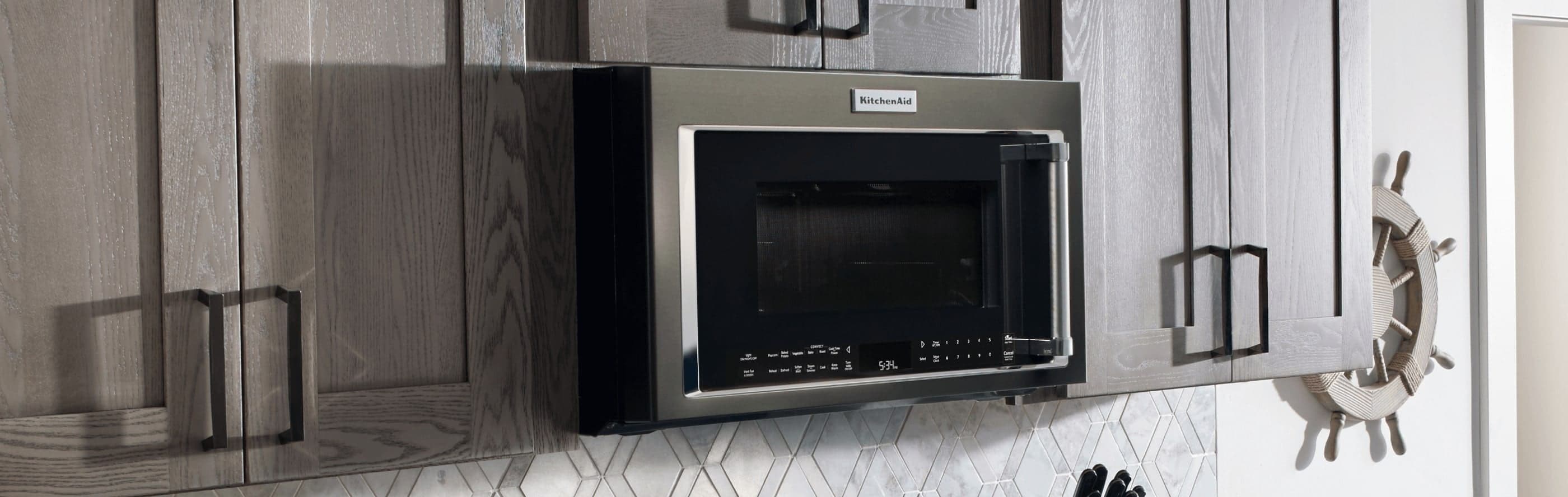
Credit: www.kitchenaid.com
Common Warning Signs
Noticing warning signs early can save you from a sudden microwave failure or even potential hazards. Your microwave gives off subtle hints when it’s nearing the end of its life. Paying attention to these signs helps you decide if it’s time to replace the appliance rather than risk poor performance or safety issues.
Inconsistent Heating
Does your food come out cold in some spots and piping hot in others? This uneven heating often means the magnetron, the part that generates microwaves, is weakening. When reheating leftovers, your microwave should warm food evenly. If it doesn’t, you might be wasting energy and time.
Think about the last time you reheated a cup of coffee only to find half of it cold. That’s a clear signal your microwave isn’t working properly anymore.
Unusual Noises
Your microwave should hum quietly while operating. Loud buzzing, grinding, or rattling noises are not normal. These sounds often point to failing internal components like the turntable motor or the cooling fan.
Have you ever ignored a strange noise, hoping it would go away? That noise is your microwave asking for help—don’t wait until it stops working completely.
Sparking And Arcing
Sparks or arcs inside your microwave are serious warning signs. They usually happen due to damaged waveguides or metal objects inside the oven. This can cause permanent damage or even fires.
If you see sparks, immediately stop using the microwave. Continuing to use it could put your safety at risk and likely means replacement is necessary.
Physical Damage
Cracks, dents, or broken door seals affect your microwave’s performance and safety. A damaged door may not close properly, allowing microwaves to leak out. This can be harmful to you and your family.
Inspect your microwave regularly. Even small physical damage can grow worse over time, making replacement the safer choice.
Performance And Safety Concerns
Strange noises or sparks inside the microwave signal safety risks. Poor heating or uneven cooking shows performance issues. Replace the oven to avoid hazards and ensure proper function.
When it comes to your microwave oven, performance and safety concerns are paramount. Over time, you may notice that your microwave isn’t working as efficiently as it once did. This could be a sign that it’s time to consider a replacement. Let’s dive into some specific issues that might indicate it’s time to part ways with your old microwave.Energy Efficiency Drop
An older microwave might consume more electricity than necessary, leading to higher energy bills. If you notice that your appliance takes longer to heat food or needs to be run multiple times, it could be an energy guzzler. Upgrading to a newer model could not only save you money but also be kinder to the environment.Electrical Issues
Flickering lights or unusual sounds are red flags. These can signal electrical issues that could potentially lead to more serious problems. If you’ve ever felt a slight shock when touching your microwave, it’s crucial to address this immediately, as it poses a significant safety risk.Radiation Leakage Risks
Microwaves are designed to keep radiation safely contained. However, wear and tear over the years can lead to door seal damage. If the door doesn’t close properly, or if there’s visible wear, there could be a risk of radiation leakage. Ensuring your microwave is in top condition is essential for the safety of your household. Have you experienced any of these issues with your microwave? Taking action sooner rather than later can save you from unexpected hazards. It’s not just about convenience—it’s about keeping your home safe and efficient.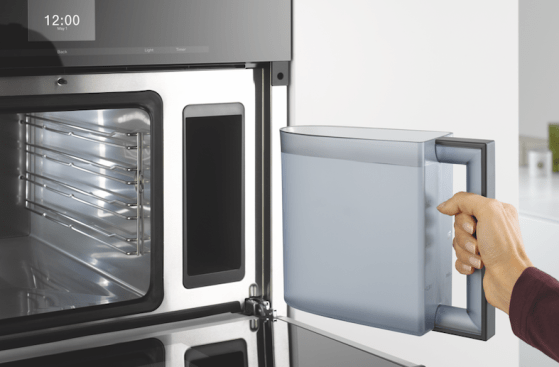
Credit: www.jlconline.com
Cost Vs. Repair
Deciding whether to repair your microwave or replace it boils down to a careful look at cost versus benefit. Repairing can seem like the obvious choice if the issue is minor, but sometimes the repair bill approaches the price of a new unit. Understanding when to invest in fixing your microwave and when to cut losses can save you money and frustration.
When Repairs Are Worth It
If your microwave has only a simple issue, like a faulty door latch or a broken turntable motor, repairing it usually makes sense.
- Costs for these repairs often run well under $100.
- Fixing minor parts means you avoid the hassle of shopping for a new microwave.
- Your appliance may still have several years of life left after a small repair.
I once fixed a microwave door switch for $50, and it worked perfectly for another three years. Asking yourself if the repair cost is less than half the price of a new microwave can be a good rule of thumb.
When Replacement Is Cheaper
If the microwave has major issues—like a failing magnetron or control panel—repairs often get expensive and tricky.
- Parts for older models can be hard to find and costly.
- Repair costs sometimes reach $150 or more, close to or exceeding new microwave prices.
- Older microwaves may lack energy efficiency and updated safety features.
Think about how much convenience and reliability you lose if your microwave breaks down again soon after repair. Would you rather spend that money on a fresh model with a warranty? Sometimes, replacing your microwave gives better value and peace of mind than sinking money into repairs.
Choosing A New Microwave
Choosing a new microwave is more than just picking the first model you see. It’s about finding a microwave that fits your cooking style, kitchen space, and energy needs. Think about what features matter most to you and how you use your microwave daily.
Key Features To Consider
Look for features that make your cooking easier and faster. Sensor cooking, for example, adjusts the time based on the food’s moisture, so you don’t have to guess. A turntable that can be turned off is handy if you want to heat large dishes evenly.
Other useful features include multiple power levels, defrost options, and easy-to-clean interiors. Ask yourself, do you want a simple microwave, or one with smart technology and preset menus? Your choice should match your routine and comfort with tech.
Size And Capacity Options
Microwaves come in various sizes, so measure your available counter or built-in space before buying. A compact microwave can fit small kitchens but might limit the size of dishes you can heat. Larger models offer more capacity but take up more room.
Think about the size of plates and containers you usually use. A microwave with at least 1 cubic foot of capacity is good for most families. If you often cook large meals or use big containers, go for a bigger size to avoid reheating in multiple batches.
Energy Ratings
Energy-efficient microwaves save money and reduce your environmental impact. Look for models with an Energy Star rating, which means they meet strict energy-saving guidelines. Even small differences in power consumption add up over time.
Consider how often you use your microwave. If it’s a daily tool, investing in an energy-efficient model can lower your utility bills noticeably. Have you checked the energy label before? It’s a quick way to compare models and find one that won’t drain your wallet.

Credit: www.searshomeservices.com
Frequently Asked Questions
When Is It Time To Replace My Microwave Oven?
Replace your microwave if it shows frequent malfunctions, unusual noises, or uneven heating. Also, consider replacement if it’s over 10 years old or energy inefficient.
How Do I Know If My Microwave Is Unsafe?
A microwave is unsafe if it has sparks, smoke, or a damaged door seal. These signs indicate potential radiation leaks or electrical hazards, requiring immediate replacement.
Can A Microwave Be Repaired Instead Of Replaced?
Minor issues like a faulty turntable motor or door latch can be repaired. However, frequent breakdowns or costly repairs usually mean replacement is more economical.
What Are The Signs Of Microwave Inefficiency?
Slow cooking, uneven heating, or increased energy bills indicate inefficiency. Older models often consume more power and deliver less effective heating, signaling a replacement need.
Conclusion
A microwave oven that stops working well wastes time and energy. Strange noises or sparks are clear warning signs. Older models may lack safety features found in new ones. Repair costs can add up and exceed replacement prices. Choosing a new microwave can save money and improve cooking.
Trust your senses and check how it heats food. Your kitchen deserves a reliable and safe appliance. Don’t wait too long to make the change. Small issues today can turn into bigger problems tomorrow. Keep your meals quick and easy with the right microwave.

Hi, I’m Daniel Brooks—a food lover and kitchen gear enthusiast. I enjoy testing cookware, utensils, and gadgets to see what really works in everyday cooking. At PlugChef.com, I share honest reviews, comparisons, and simple guides to help you choose the best tools for a safer, smarter, and more enjoyable kitchen.
Related posts:
 What Type of Cooking Utensils are Safe: Expert Picks
 What Innovations Could Blenders Make: Unleashing Future Tech
 Smart Strategies to Organize a Small Kitchen: Maximize Space
 How to Organize a Kitchen Cabinet: Expert Tips & Tricks
 How to Organize Kitchen Drawers: Expert Tips and Tricks
 How to Organize a Corner Kitchen Cupboard: Expert Tips

