
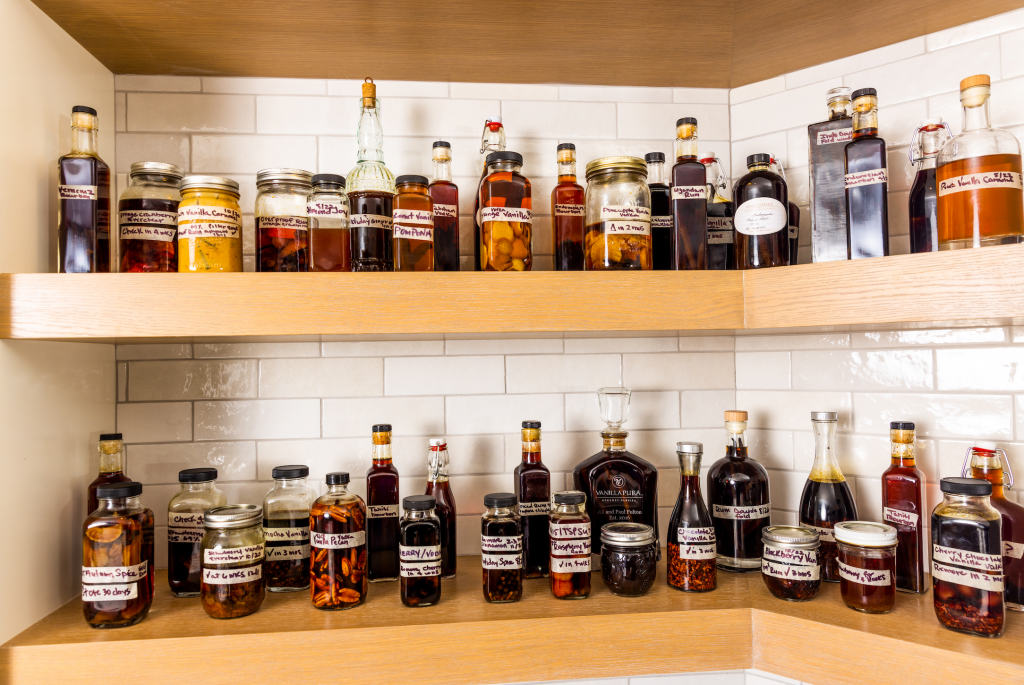
Have you ever wondered how long your favorite extract stays fresh and effective? Whether you use vanilla, almond, or any other extract in your recipes, knowing its shelf life can save you from wasted ingredients and disappointing flavors.
You want to get the best taste and value every time, right? You’ll discover exactly how long extracts last, how to store them properly, and signs that tell you when it’s time to replace them. Keep reading to make sure your extracts always deliver the flavor you expect.
Factors Affecting Extract Longevity
Understanding what affects the longevity of an extract can help you get the most out of your purchase. Several factors play a key role in how long an extract maintains its flavor, potency, and overall quality. Paying attention to these can save you money and enhance your cooking or crafting experience.
Type Of Extract
Different extracts have different shelf lives. Pure extracts, like vanilla or almond, usually last longer because they contain alcohol, which acts as a preservative. On the other hand, imitation or synthetic extracts often contain fewer natural ingredients and may lose their flavor faster.
Oils used in some extracts can go rancid quicker than alcohol-based ones. So, ask yourself: what kind of extract are you using, and how does its base affect its durability?
Storage Conditions
Where and how you store your extract greatly influences its shelf life. Heat, light, and air exposure can degrade the quality rapidly. Keeping your extracts in a cool, dark place like a pantry or cupboard away from direct sunlight is ideal.
Have you ever noticed your extract tasting off after leaving it near a stove or window? That’s the effect of poor storage. Sealing the bottle tightly after each use also helps prevent evaporation and contamination.
Packaging Materials
The type of container your extract comes in can either protect or expose it to harmful elements. Dark glass bottles are excellent because they block out light that can break down the extract. Plastic containers, while lightweight, may allow air and light to pass through, reducing the extract’s lifespan.
Consider reusing a dark glass bottle for homemade extracts or transferring your extract to one if it came in a less protective container. This simple switch can extend the life of your extract significantly.
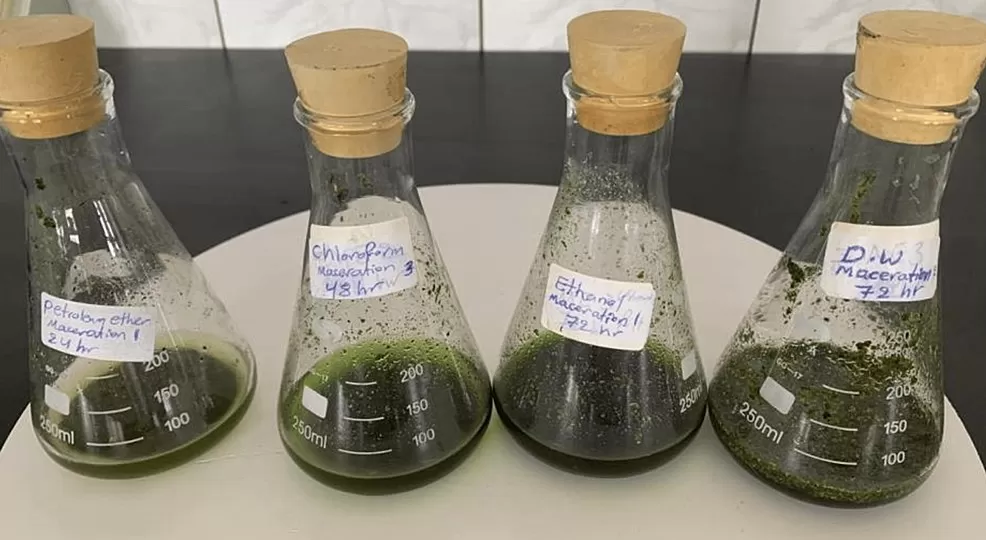
Credit: www.greenskybio.com
Shelf Life Of Common Extracts
Knowing the shelf life of your favorite extracts helps you get the best flavor without wasting money. Extracts vary in how long they keep their potency, so understanding each type is key. Let’s look at how long common extracts stay fresh and tasty.
Vanilla Extract
Vanilla extract is one of the longest-lasting extracts you can keep in your kitchen. Properly stored in a cool, dark place, it can last indefinitely without losing much flavor. I once used a bottle that was over five years old, and it still gave a rich, warm aroma to my desserts.
Keep the bottle tightly sealed to prevent evaporation and contamination. Pure vanilla extract often improves with age, unlike imitation versions that may lose flavor quicker.
Almond Extract
Almond extract usually lasts about 5 years when stored correctly. Its strong flavor means even a slightly aged bottle can still add a nice touch to recipes. However, if you notice a change in smell or taste, it’s time to replace it.
Storing almond extract in a cool, dark cupboard away from heat sources will help maintain its quality. Have you ever tasted a recipe with old almond extract? It’s a subtle difference but noticeable.
Peppermint Extract
Peppermint extract tends to hold up well for around 4 to 6 years. Since peppermint’s flavor is quite bold, slight aging might not be obvious in baked goods or drinks. Still, check for any off smells before using.
To keep peppermint extract fresh, avoid exposing it to direct sunlight or extreme temperatures. This simple step can extend the life of your extract significantly.
Citrus Extracts
Citrus extracts like lemon, orange, and lime generally have a shorter shelf life, about 2 to 3 years. Their delicate, fresh flavor fades faster compared to vanilla or almond. You might notice a duller taste if your extract is too old.
Store citrus extracts away from heat and light to keep their brightness longer. If your recipes aren’t popping with citrus flavor anymore, consider replacing the extract to restore that zing.
Signs Of Expired Extract
Extract that has gone bad often smells off or sour. Changes in color and texture also show it’s expired. Using expired extract can weaken flavors and affect your recipe’s taste.
Discovering that your favorite extract has expired can be a disheartening experience, especially when you’re in the middle of a baking spree or crafting the perfect dish. Identifying the signs of expired extract can save you from potential culinary disasters. Let’s dive into some telltale signs that your extract might have overstayed its welcome.Changes In Color
One of the first indicators of an expired extract is a noticeable change in color. If your vanilla extract, which is typically a rich amber, has turned darker or cloudy, it might be time to replace it. Have you ever noticed a lemon extract losing its vibrant yellow hue? This is a classic sign it’s past its prime.Altered Aroma
The aroma of extracts is their signature trait. A good extract should have a strong, pleasant smell. If you find that the scent has weakened or developed an off or sour note, it’s likely expired. Imagine opening a bottle of almond extract and being greeted by a scent that’s more chemical than nutty. It’s a clear hint to toss it.Texture And Consistency
The texture and consistency of extracts should remain consistent over time. If your extract becomes thicker or develops sediment, it’s a warning sign. Consider your peppermint extract turning syrupy or gritty. That’s your cue to replace it for optimal flavor in your recipes. Keeping an eye out for these changes can ensure that your extracts enhance rather than detract from your culinary creations. Have you checked your extracts lately? It might be the perfect time to give them a quick review.
Credit: shopsavvy.com
Tips To Extend Extract Shelf Life
Extending the shelf life of your extract not only saves money but also keeps your recipes tasting fresh. Small changes in how you handle and store extracts can make a big difference. Ready to learn simple ways to keep your extracts potent and flavorful for longer?
Proper Storage Techniques
Store your extract in a cool, dark place away from heat and sunlight. Heat can cause the extract to lose its flavor and aroma faster than usual. A kitchen cabinet or pantry away from the stove or oven works well.
Also, keep the extract at a consistent temperature. Frequent temperature changes may degrade the quality. Do you keep your pantry door open often? That might be affecting your extracts more than you think.
Avoiding Contamination
Always use a clean spoon or dropper when scooping out extract. Introducing moisture or food particles can spoil the extract quickly. Imagine dipping a wet spoon into the bottle—this invites bacteria and mold.
If you accidentally touch the inside of the bottle with your fingers, wipe the rim clean before closing it. This small habit prevents unwanted contaminants from sneaking in and ruining your extract.
Using Airtight Containers
Choose containers that seal tightly to keep air out. Oxygen exposure causes extracts to lose flavor over time. Glass bottles with rubber stoppers or screw caps are your best bet.
Resist the urge to leave the bottle open while cooking. Even a few minutes can let air degrade the extract. Have you noticed how quickly your favorite extract loses its punch after opening? Airtight storage is the key to stopping that.
Diy Extracts And Their Durability
DIY extracts can add a special touch to your cooking and baking, giving you flavors that are fresh and customized. But how long do these homemade creations really last? Understanding their durability helps you know when to use them for the best taste and safety.
Homemade Vanilla Extract
Vanilla extract is one of the easiest and most popular extracts to make at home. You simply soak vanilla beans in alcohol for several weeks. The longer it sits, the stronger the flavor becomes.
Typically, homemade vanilla extract can last indefinitely if stored properly in a cool, dark place. Over time, the flavor may deepen, but it rarely spoils thanks to the alcohol content. Have you noticed how your homemade vanilla gets richer the longer you wait?
Herbal And Floral Extracts
Extracts made from herbs or flowers like lavender, mint, or rosemary bring unique notes to your recipes. These extracts often have a more delicate flavor compared to vanilla and may require a shorter steeping time.
Their shelf life tends to be shorter, usually around 1 to 2 years, depending on the ingredients and storage conditions. Because herbal extracts might contain less alcohol, their preservation isn’t as strong, so keep an eye out for any changes in smell or appearance.
Alcohol Content And Preservation
Alcohol acts as a natural preservative in extracts, preventing the growth of bacteria and mold. The higher the alcohol content, the longer your extract will last. This is why most homemade extracts use at least 35% alcohol by volume.
If you use lower alcohol spirits or glycerin, your extract might not last as long. Always store your extracts in tightly sealed glass bottles away from sunlight to maintain their quality. How do you choose your alcohol base, and have you noticed a difference in how long your extracts last?

Credit: drinkafterdream.com
Common Myths About Extract Shelf Life
Many people have questions about how long extracts last and often rely on myths rather than facts. Misunderstandings about the shelf life of extracts can lead to unnecessary waste or, worse, the use of spoiled products. Clearing up these myths helps you store and use your extracts more confidently and effectively.
Does Extract Go Bad?
Contrary to popular belief, pure extracts like vanilla or almond don’t spoil quickly. Their high alcohol content acts as a natural preservative, keeping them safe for years. However, over time, extracts may lose some of their flavor potency, making them less effective in recipes.
Have you ever noticed a change in your old vanilla extract’s aroma? That’s a sign the flavor is fading, not that it’s unsafe to use. If your extract smells off or has mold, it’s time to toss it.
Alcohol As A Preservative
Alcohol is the key reason many extracts last so long. It prevents the growth of bacteria and mold, which usually cause food to spoil. This is why extracts with a higher alcohol percentage tend to have a longer shelf life.
Think about it: many extracts contain 35% or more alcohol. This concentration is similar to spirits like vodka, which also keep well over time. So, alcohol isn’t just a flavor carrier—it’s a powerful preservative that protects your extract.
Expiration Dates On Extracts
Expiration dates on extract bottles can be confusing. Often, these dates are more about quality than safety. You might find that an extract is still safe to use years after the printed date, but the flavor may not be as vibrant.
Always check for changes in appearance, smell, or taste before deciding to discard an extract. If your extract looks clear and smells fresh, it’s probably still good to use. Would you rather toss a bottle too soon, or risk dull flavor in your baked goods?
Frequently Asked Questions
How Long Does Vanilla Extract Last Unopened?
Unopened vanilla extract can last indefinitely if stored properly. Keep it in a cool, dark place away from heat and sunlight to maintain its quality.
How Long Does Opened Extract Stay Fresh?
Once opened, extract typically stays fresh for up to 2-4 years. Store it tightly sealed in a cool, dark cabinet for best results.
Does Extract Expire Or Go Bad?
Extract doesn’t spoil but may lose flavor and aroma over time. Proper storage extends its shelf life and preserves its potency.
Can Expired Extract Be Used For Cooking?
Expired extract is generally safe for cooking but might lack strong flavor. It’s best to replace it for optimal taste in recipes.
Conclusion
Extracts can last a long time if stored right. Keep them in a cool, dark place. Avoid heat and sunlight to keep flavor fresh. Always check the expiration date before use. Using old extract may change the taste of your food.
Small bottles often stay fresh longer than large ones. Remember, proper storage helps you enjoy the best quality. Now you know how to make your extract last longer. Simple steps, great results.

Hi, I’m Daniel Brooks—a food lover and kitchen gear enthusiast. I enjoy testing cookware, utensils, and gadgets to see what really works in everyday cooking. At PlugChef.com, I share honest reviews, comparisons, and simple guides to help you choose the best tools for a safer, smarter, and more enjoyable kitchen.
Related posts:
 What Type of Cooking Utensils are Safe: Expert Picks
 What Innovations Could Blenders Make: Unleashing Future Tech
 Smart Strategies to Organize a Small Kitchen: Maximize Space
 How to Organize a Kitchen Cabinet: Expert Tips & Tricks
 How to Organize Kitchen Drawers: Expert Tips and Tricks
 How to Organize a Corner Kitchen Cupboard: Expert Tips

