
Have you ever sliced an apple, only to watch it turn brown within minutes? It’s frustrating when your fresh, crisp apple starts looking dull and unappetizing so quickly.
But what if you could keep your cut apples looking fresh and delicious for hours? Imagine enjoying perfectly crisp apple slices anytime you want, without worrying about them browning. You’ll discover simple, effective tricks to stop your apples from browning—so your snacks stay fresh and inviting longer.
Keep reading to learn how easy it is to keep your apples looking their best!
Why Apples Brown
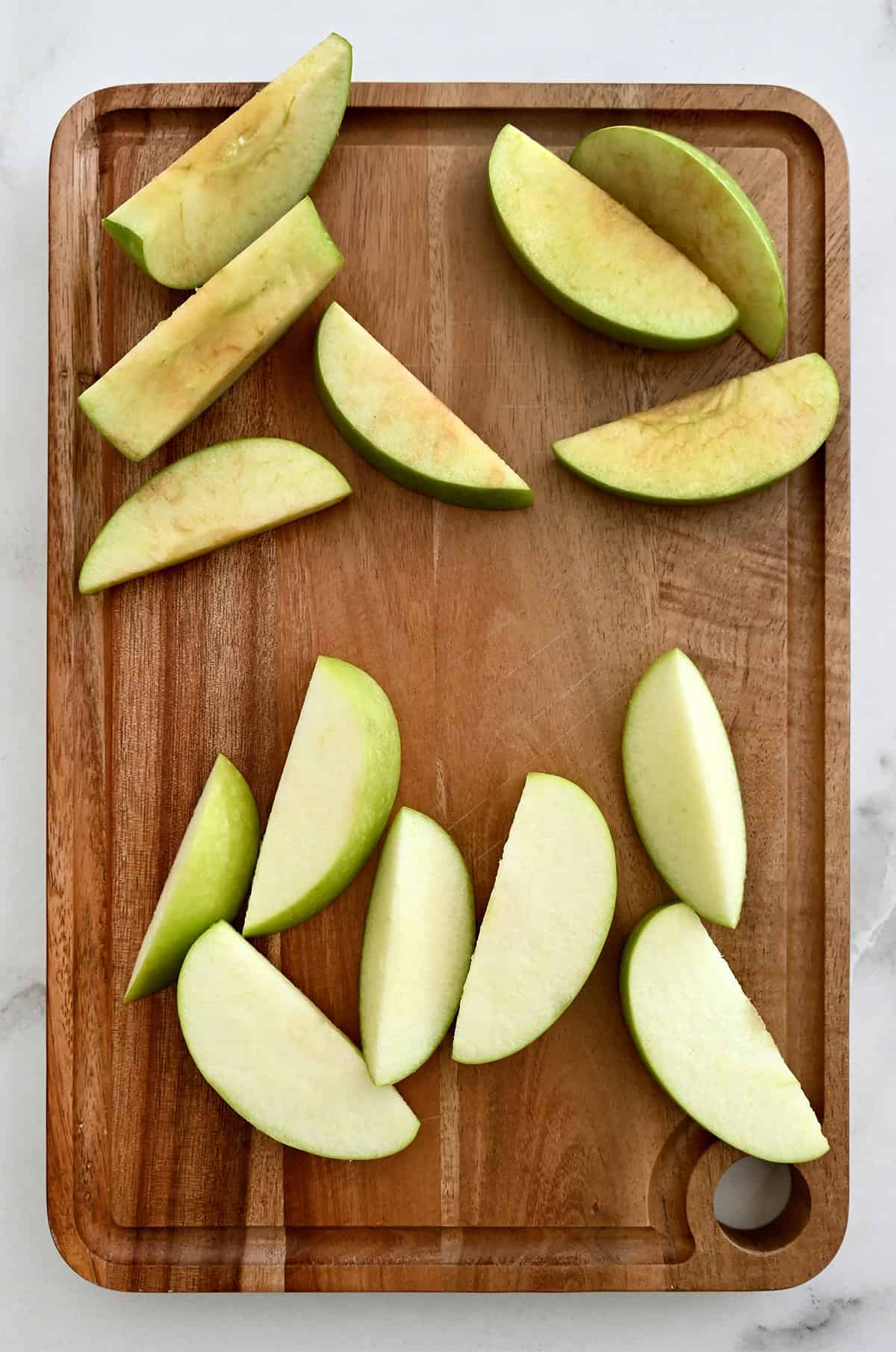
Apples turn brown after cutting due to a natural chemical reaction. This change affects their look and taste. Understanding why this happens helps keep apples fresh longer. The browning is mainly caused by enzymes and exposure to oxygen.
The Role Of Enzymes
Apples contain enzymes that react when the fruit is cut. One key enzyme is polyphenol oxidase (PPO). It starts a process called oxidation. This enzyme breaks down phenolic compounds in the apple. The result is the formation of brown pigments on the surface.
Enzymes become active only after the apple’s skin is broken. This is why whole apples stay fresh longer. Cutting or bruising exposes these enzymes to the fruit’s inner parts.
Impact Of Oxygen Exposure
Oxygen from the air triggers the browning process in apples. Once the apple is cut, oxygen reaches the inner cells easily. It reacts with the phenolic compounds and enzymes. This reaction creates the brown color.
Limiting oxygen contact can slow down browning. This is why storing apples in airtight containers helps. Wrapping apples in plastic wrap also reduces oxygen exposure. The less oxygen, the slower the browning.
Credit: www.justataste.com
Quick Methods To Prevent Browning
Cut apples turn brown fast because of air exposure. This happens due to a natural reaction called oxidation. Quick methods can slow down this process and keep apples fresh longer. These simple tricks use common kitchen ingredients and work in minutes.
Using Lemon Juice
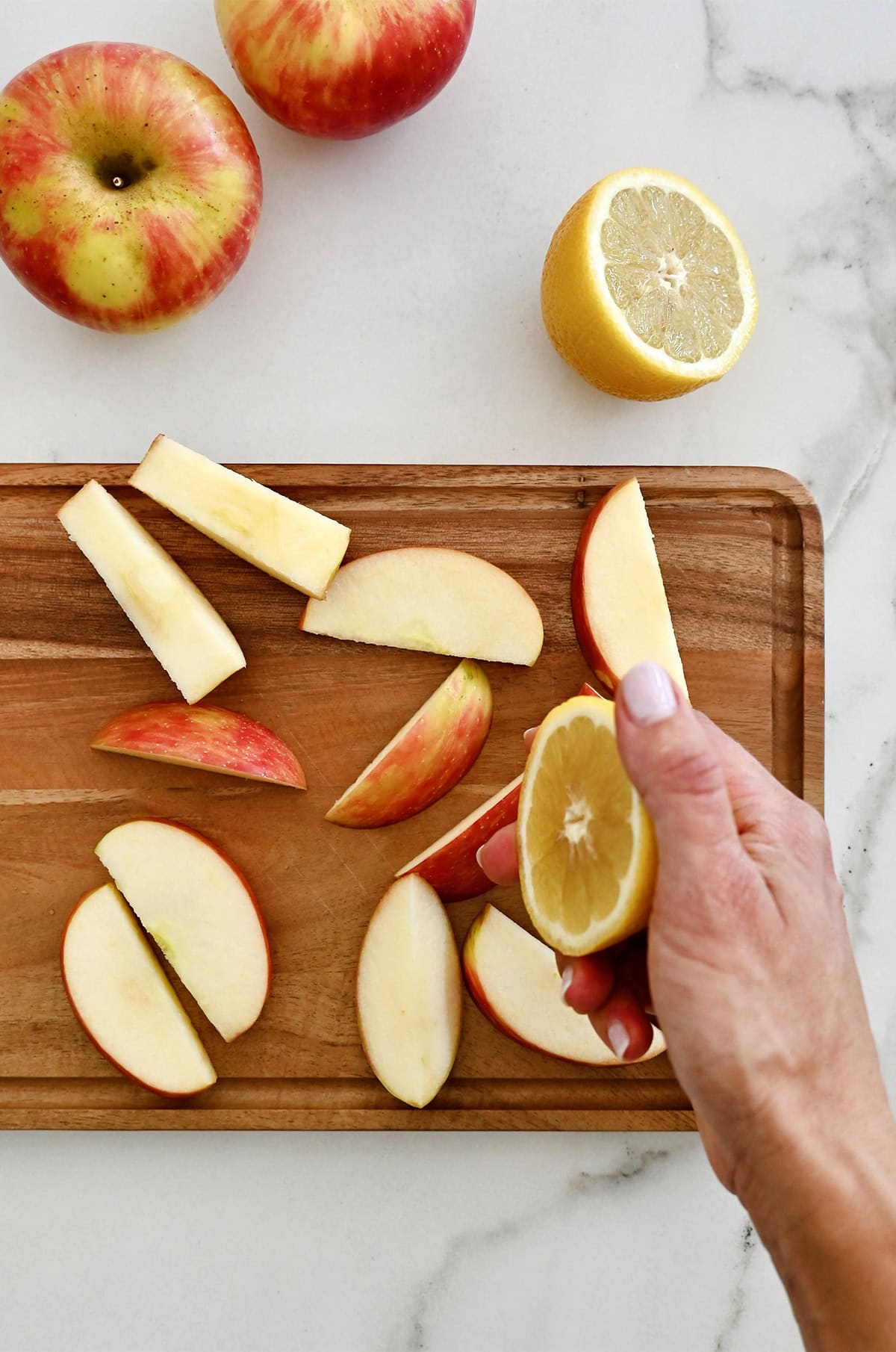
Lemon juice contains citric acid that slows browning. Lightly brush or sprinkle lemon juice on apple slices. The acid blocks enzymes that cause color change. It also adds a fresh, tangy taste to the apples. Use fresh lemon juice for best results. Avoid soaking apples too long to keep texture firm.
Applying Salt Water
Salt water creates a barrier to air and stops browning. Mix half a teaspoon of salt in one cup of cold water. Soak apple slices in this water for about 3 to 5 minutes. Rinse quickly with fresh water to remove salty taste. This method keeps apples crisp and fresh for hours.
Soaking In Vinegar
Vinegar slows down oxidation with its acetic acid. Use one tablespoon of vinegar in one cup of water. Soak apple slices for 3 to 5 minutes. Rinse well to avoid vinegar flavor. This trick helps keep apples looking fresh and tasty longer.
Natural Alternatives To Keep Apples Fresh
Keeping cut apples fresh can be a challenge. Browning affects their taste and appearance. Natural methods can help keep apples fresh without chemicals. Simple ingredients from your kitchen can work wonders. Let’s explore these natural alternatives.
Honey Water Solution
Honey can keep apples fresh. Mix two tablespoons of honey with one cup of water. Soak apple slices in this solution for a few minutes. Honey helps in preventing browning naturally. It is safe and adds a slight sweetness.
Using Pineapple Juice
Pineapple juice is a great option. Its natural acids slow down the browning process. Dip apple slices in pineapple juice for a refreshing taste. This method preserves the color and adds a tropical twist.
Sprinkling Cinnamon
Cinnamon can also keep apples from browning. Sprinkle a small amount on cut apples. It acts as a natural preservative. Cinnamon enhances flavor and provides an aromatic touch.
Credit: www.justataste.com
Proper Storage Techniques
Keeping cut apples fresh and free from browning relies heavily on how you store them. Proper storage techniques slow down the oxidation process that turns apple slices brown. Understanding these simple methods can help you enjoy crisp, appealing apples longer.
Airtight Containers
Sealing your apple slices in airtight containers limits their exposure to oxygen, which is the main culprit behind browning. Glass or BPA-free plastic containers with tight-fitting lids work best.
Make sure to pack the apple slices snugly but avoid crushing them. Adding a small piece of damp paper towel inside helps maintain moisture without making the slices soggy.
Refrigeration Tips
Keeping cut apples cold slows down enzyme activity that causes browning. Store your airtight container in the refrigerator’s crisper drawer, which maintains ideal humidity levels.
Try to avoid storing apples near strong-smelling foods; apples absorb odors easily. Ever noticed how your apples taste a bit off after sitting next to onions? That’s why the crisper drawer is your best bet.
Using Plastic Wrap
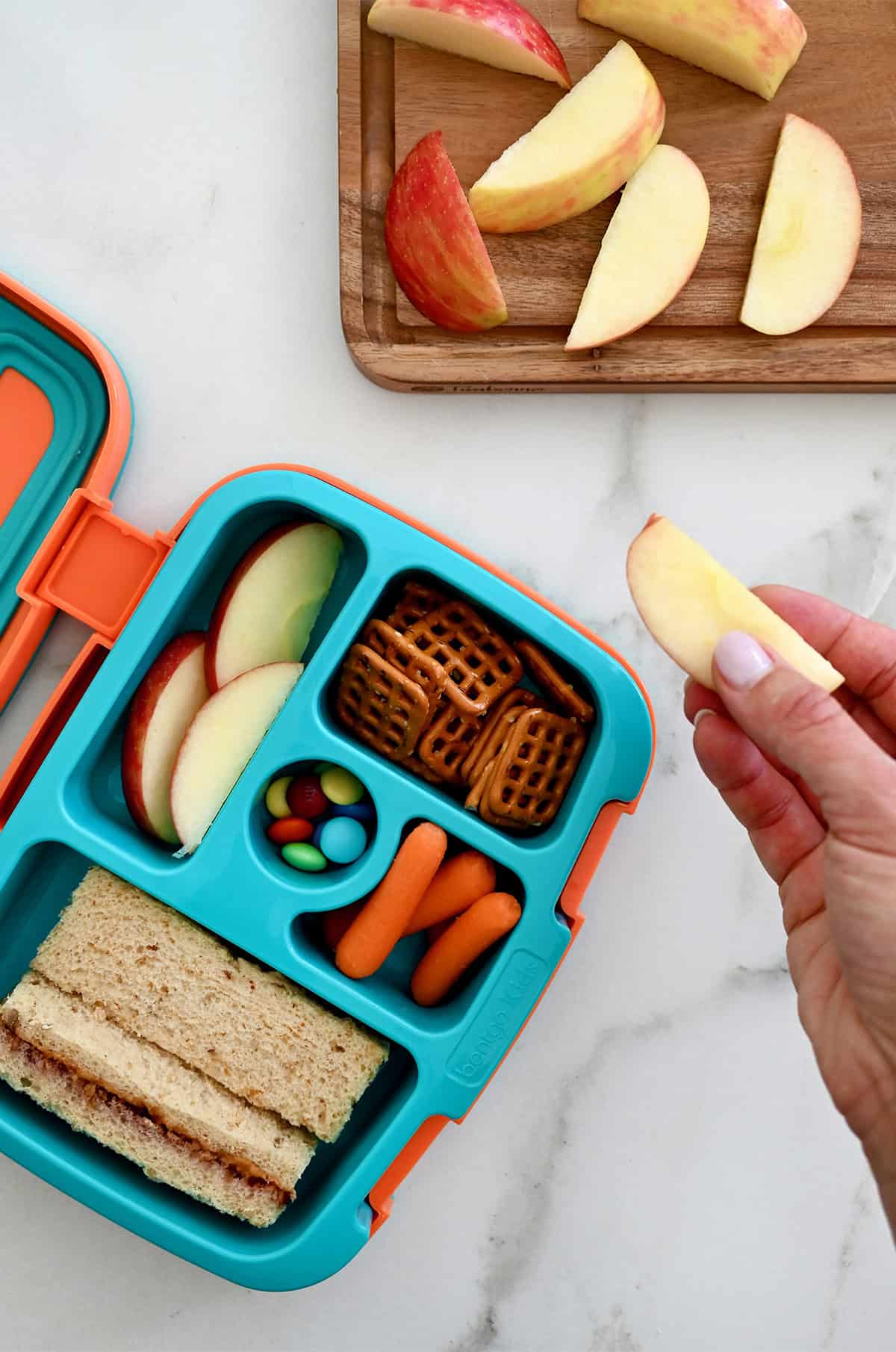
If you don’t have an airtight container handy, plastic wrap can be a quick fix. Wrap the cut side of the apple tightly with plastic wrap to minimize oxygen contact.
Press the wrap gently against the apple surface to remove air pockets. This method works well for short-term storage, like when packing lunch or prepping snacks for the day.
Tools That Help Prevent Browning
Keeping cut apples fresh and free from browning is easier with the right tools. These tools slow down oxidation and keep apples looking appealing. Using them saves time and reduces food waste. Below are some helpful tools that protect sliced apples effectively.
Apple Slicers With Protective Coatings
Apple slicers make cutting quick and uniform. Some slicers have coatings that reduce browning. These coatings block oxygen from reacting with the apple’s flesh. It helps the slices stay fresh longer. Using a coated slicer means less need for extra treatments like lemon juice.
Vacuum Sealers
Vacuum sealers remove air from storage bags or containers. Oxygen causes apples to brown fast. Removing air slows down this process. Vacuum sealing keeps apples crisp and fresh for days. It also prevents moisture loss, preserving texture and flavor.
Freshness-preserving Bags
These bags are designed to keep fruits fresh longer. They control moisture and oxygen levels inside the bag. Special materials inside the bags slow browning naturally. Using these bags is simple and convenient. Just place apple slices inside and seal tightly.
Credit: www.justataste.com
Creative Uses For Slightly Browned Apples
Slightly browned apples might look less appealing, but they still hold great potential in the kitchen. Instead of tossing them out, you can turn them into delicious treats that bring new life to your fruit. Here are some creative ways to use those apples before they go to waste.
Baking Ideas
Browned apples are perfect for baking since their texture softens and their flavor deepens. Try making a warm apple crisp or a spiced apple pie where the browned parts blend seamlessly with cinnamon and sugar. You can also add them to muffins or quick breads, which hides any discoloration and adds natural sweetness.
Have you ever noticed how browned apples make baked goods moister? That’s because the oxidation breaks down the fruit’s structure slightly, releasing more juice. Don’t hesitate to experiment with your favorite recipes by swapping fresh apples for the browned ones.
Smoothie Recipes
Smoothies are forgiving when it comes to fruit appearance. Slightly browned apples work well here, adding natural sweetness and a touch of tartness. Combine them with spinach, banana, and a splash of almond milk for a nutrient-packed breakfast or snack.
Think about what you usually put in your smoothie. Could those browned apples replace some ingredients? They blend smoothly and their flavor mixes well with berries, yogurt, or even a bit of ginger for a zingy twist.
Making Applesauce
Applesauce is a classic way to use up apples that are past their prime appearance. The browning doesn’t affect the taste once cooked down into a smooth, sweet sauce. Simply peel, chop, and simmer your apples with a little water, cinnamon, and a touch of sugar or honey.
Have you tried making your own applesauce? It’s easy and lets you control the sweetness and spices. Plus, homemade applesauce tastes fresher than store-bought and can be frozen for later use in baking or as a snack.
Frequently Asked Questions
Why Do Cut Apples Turn Brown Quickly?
Cut apples brown due to oxidation. When exposed to air, enzymes react with oxygen. This causes the apple’s surface to darken and look less fresh.
How Can Lemon Juice Prevent Apple Browning?
Lemon juice contains citric acid and vitamin C. These slow oxidation by lowering pH and blocking enzymes. Applying lemon juice keeps cut apples fresh and visually appealing longer.
What Are Natural Ways To Stop Apple Browning?
Use lemon juice, saltwater, or honey water dips. Wrap apples tightly in plastic wrap or store in airtight containers. Refrigeration also slows the browning process significantly.
Does Refrigeration Help Keep Cut Apples Fresh?
Yes, refrigeration slows enzyme activity and oxidation. Store cut apples in airtight containers or sealed bags. This preserves freshness and prevents browning for a longer time.
Conclusion
Keeping cut apples fresh and bright is simple with a few easy steps. Use lemon juice or cold water to stop browning fast. Store apples in airtight containers to keep them crisp. These tips save time and reduce food waste.
Enjoy fresh apples anytime without the brown spots. Try these tricks for longer-lasting, tasty apple slices. Easy to do and good for your snacks. Keep your apples looking good and tasting great!

Hi, I’m Daniel Brooks—a food lover and kitchen gear enthusiast. I enjoy testing cookware, utensils, and gadgets to see what really works in everyday cooking. At PlugChef.com, I share honest reviews, comparisons, and simple guides to help you choose the best tools for a safer, smarter, and more enjoyable kitchen.
Related posts:
 What Type of Cooking Utensils are Safe: Expert Picks
 What Innovations Could Blenders Make: Unleashing Future Tech
 Smart Strategies to Organize a Small Kitchen: Maximize Space
 How to Organize a Kitchen Cabinet: Expert Tips & Tricks
 How to Organize Kitchen Drawers: Expert Tips and Tricks
 How to Organize a Corner Kitchen Cupboard: Expert Tips

