
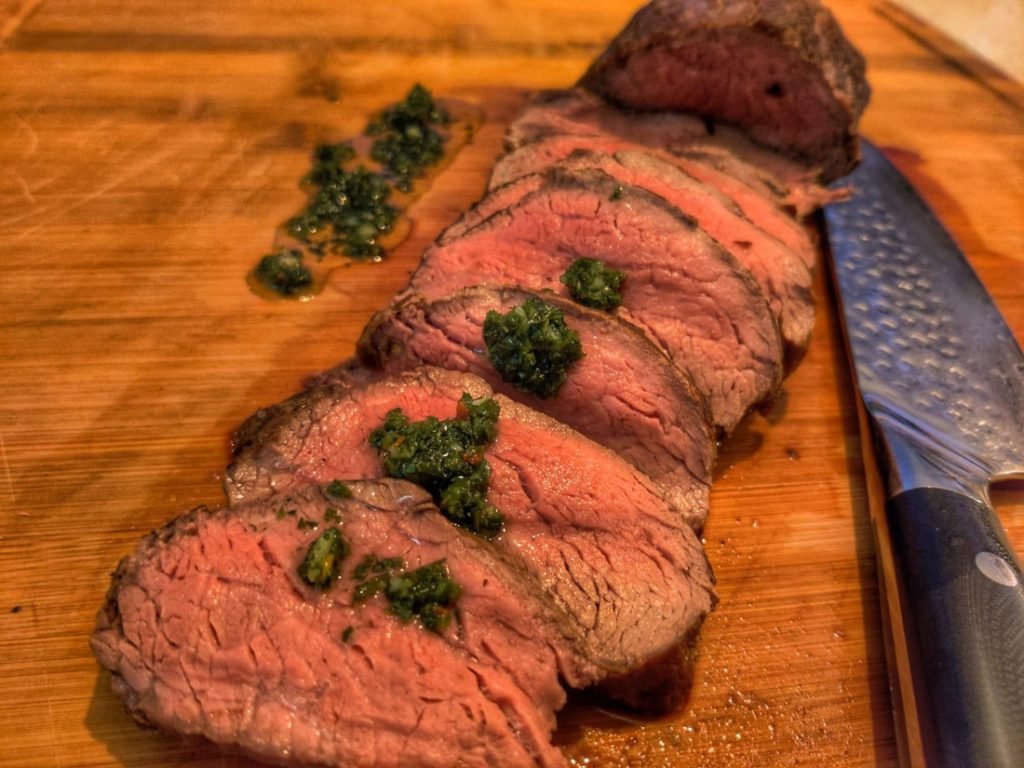
If you want to impress at your next dinner or simply enjoy a special meal, mastering the best way to cook Chateaubriand is a game-changer. This tender, juicy cut of beef can feel intimidating, but with the right steps, you can create a restaurant-quality dish right at home.
Imagine slicing into perfectly cooked meat that melts in your mouth—sounds amazing, right? Keep reading, and you’ll discover simple tips and techniques that will make your Chateaubriand unforgettable every time.
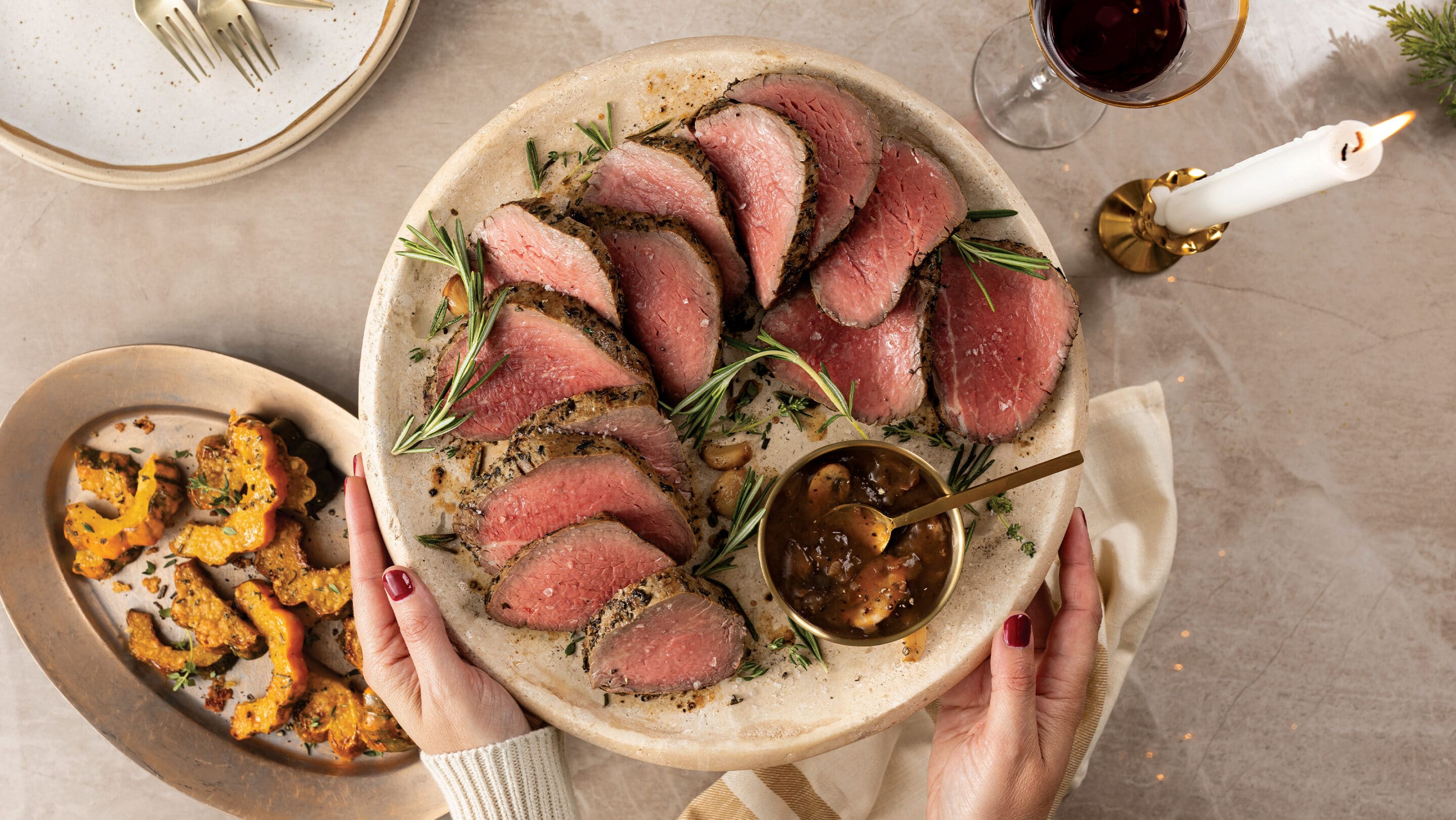
Credit: www.omahasteaks.com
Choosing The Right Cut
Choosing the right cut is key to cooking a perfect Chateaubriand. The cut affects texture, flavor, and tenderness. A carefully chosen piece makes your meal special. Understanding what to look for helps you get the best results.
Selecting Quality Beef
Start with fresh, high-grade beef for the best taste. Look for bright red color and firm texture. Avoid meat with dark spots or a strong odor. Quality beef has fine marbling. This means thin white lines of fat inside the muscle. Marbling adds flavor and keeps the meat juicy.
Choose beef that feels cold and moist, not wet or sticky. The cut should be thick and even for uniform cooking. Ask your butcher for prime or choice grade for better tenderness.
Identifying The Chateaubriand Cut
Chateaubriand comes from the thick center of the beef tenderloin. This part is lean and very tender. The cut is usually about 2 to 3 inches thick and shaped like a small roast.
Look for a piece with a consistent shape and size. It should have minimal silver skin or fat on the outside. The tenderloin’s center section is ideal for this dish. It cooks evenly and stays soft.
Ask your butcher to trim the cut properly. This helps with even cooking and improves presentation. Knowing the exact cut makes a big difference in the cooking process.
Preparing The Meat
Preparing Chateaubriand properly sets the stage for a perfect cook. The way you handle the meat before it hits the pan or oven can make a significant difference in flavor and texture. Taking time with preparation ensures each bite is tender and delicious.
Trimming And Seasoning
Start by trimming the meat carefully. Remove any excess fat and silver skin that won’t render well during cooking. This helps the steak cook evenly and prevents chewy bits.
Next, season generously with salt and freshly ground black pepper. Don’t be shy—seasoning penetrates the meat and enhances its natural flavors. Some cooks add a touch of garlic powder or fresh herbs like rosemary for extra aroma, but keep it simple to let the beef shine.
Bringing To Room Temperature
Let your Chateaubriand rest at room temperature for about 30 to 60 minutes before cooking. This step is crucial because cold meat straight from the fridge cooks unevenly, often resulting in a tough exterior and undercooked center.
Have you noticed how steak cooks more evenly when it’s not ice-cold? That’s exactly why this step matters. Pat the meat dry before cooking to ensure a good sear and prevent steaming.
Cooking Techniques
Searing Chateaubriand in a hot pan locks in juices and flavor. Finish cooking gently in the oven for even doneness and tenderness. Resting the meat before slicing keeps it juicy and soft.
Cooking the perfect Chateaubriand can feel like an art form, but mastering a few essential techniques can make the process both rewarding and delicious. Whether you’re a seasoned chef or a culinary novice, understanding these techniques can elevate your dish from good to unforgettable. Let’s dive into the best ways to bring out the full flavor of this exquisite cut of beef.Searing For Flavor
Searing is all about locking in flavor. Heat a heavy skillet over high heat until it’s scorching hot. Add a small amount of oil and let it shimmer before placing the Chateaubriand in the pan. Allow it to sear without moving for a couple of minutes on each side. This creates a beautiful crust and enhances the meat’s natural flavors.Oven Roasting Tips
Once you’ve seared the Chateaubriand, it’s time to transfer it to the oven. Preheat your oven to 375°F (190°C). Place the meat on a roasting rack to ensure even heat circulation. Roast until it reaches your desired doneness. Consider using a lower rack in the oven to prevent the top from over-browning.Using A Meat Thermometer
A meat thermometer is your best friend for perfect doneness. Insert it into the thickest part of the meat without touching bone or fat. Aim for a temperature of 130°F (54°C) for medium-rare, as the meat will continue to cook after being removed from the oven. Let it rest for 10 minutes to allow the juices to redistribute, ensuring every bite is succulent. Have you ever noticed how a simple tool can transform your cooking confidence? The meat thermometer is just that—a small device that guarantees big results.
Credit: www.harryanddavid.com
Achieving Perfect Tenderness
Achieving perfect tenderness in Chateaubriand relies on careful handling after cooking. The meat’s texture improves significantly with the right resting and carving techniques. These steps allow juices to settle and fibers to relax. The result is a juicy, tender steak that melts in your mouth.
Resting The Meat
Rest the Chateaubriand for at least 10 minutes after cooking. Cover it loosely with foil to keep warm. This pause lets juices redistribute inside the meat. Cutting too soon causes juicy loss and dryness. Resting ensures a moist, tender bite every time.
Carving Tips
Use a sharp knife to carve the meat against the grain. Slicing against the grain shortens muscle fibers, making the meat easier to chew. Cut into even, thin slices for the best texture. Serve immediately after carving to enjoy the full flavor and tenderness.
Serving Suggestions
Serving Chateaubriand offers a chance to highlight its rich, tender flavors. Thoughtful pairings and sauces can elevate this dish beautifully. Choose options that complement the beef without overpowering it. Presentation also matters, making the meal feel special and inviting.
Classic Sauces
- Béarnaise Sauce:A creamy sauce with tarragon and shallots. It adds a fresh, herbal note.
- Red Wine Reduction:Rich and deep in flavor. It enhances the meat’s natural taste.
- Mushroom Sauce:Earthy and smooth. Perfect for a comforting touch.
- Dijon Mustard Sauce:Tangy and sharp. It cuts through the richness of the beef.
Side Dish Pairings
- Roasted Asparagus:Light and crisp, balancing the beef’s heaviness.
- Garlic Mashed Potatoes:Creamy texture with a mild garlic flavor. A classic side.
- Grilled Vegetables:Adds smoky notes and color to the plate.
- Green Beans Almondine:Crunchy almonds with fresh green beans. Simple and elegant.
- Cauliflower Purée:Smooth and subtle. A lighter alternative to potatoes.

Credit: www.aol.com
Common Mistakes To Avoid
Cooking Chateaubriand perfectly requires care and attention. Many cooks make simple mistakes that ruin the flavor or texture. Avoiding these errors helps create a tender, juicy steak. Learn what to watch out for to improve your cooking results.
Overcooking The Meat
Chateaubriand is best served medium-rare to medium. Cooking it too long makes the meat tough and dry. Use a meat thermometer to check the temperature. Aim for 130°F to 135°F for medium-rare.
Not Letting The Meat Rest
Cutting into the steak right after cooking causes juices to escape. Rest the meat for at least 10 minutes. This keeps the steak moist and flavorful.
Skipping The Searing Step
Searing the meat locks in flavor and creates a nice crust. Skip this step, and the steak may taste bland. Use a hot pan or grill for a quick sear on all sides.
Using The Wrong Cut
Chateaubriand comes from the thick center of the tenderloin. Using thinner or irregular cuts changes cooking time and texture. Choose a thick, even piece for best results.
Ignoring Seasoning
Under-seasoned meat tastes flat. Use salt and pepper generously before cooking. Seasoning enhances the natural flavor of the beef.
Frequently Asked Questions
What Is The Best Cooking Method For Chateaubriand?
The best method is pan-searing followed by oven roasting. This locks in juices and ensures even cooking. Use medium-high heat for searing, then finish at 375°F for tenderness and flavor.
How Long Should I Cook Chateaubriand?
Cook Chateaubriand about 20-25 minutes for medium-rare. Use a meat thermometer to check for 130-135°F internal temperature. Rest the meat 10 minutes before slicing for optimal juiciness.
Should I Marinate Or Season Chateaubriand?
Season simply with salt, pepper, and herbs. Marinating can overpower the delicate beef flavor. A light herb butter or garlic rub enhances taste without masking natural richness.
What Side Dishes Complement Chateaubriand?
Classic sides include roasted vegetables, mashed potatoes, and green beans. Light salads and red wine sauces also pair well. Choose sides that balance the rich, tender beef.
Conclusion
Cooking Chateaubriand takes patience and care. Use a hot pan to sear the meat well. Then cook it slowly to keep it tender. Let the meat rest before slicing. This helps juices stay inside. Serve with simple sides to enjoy its rich flavor.
Try this method for a tasty, classic dish. You will impress family and friends with ease.

Hi, I’m Daniel Brooks—a food lover and kitchen gear enthusiast. I enjoy testing cookware, utensils, and gadgets to see what really works in everyday cooking. At PlugChef.com, I share honest reviews, comparisons, and simple guides to help you choose the best tools for a safer, smarter, and more enjoyable kitchen.
Related posts:
 What Type of Cooking Utensils are Safe: Expert Picks
 What Innovations Could Blenders Make: Unleashing Future Tech
 Smart Strategies to Organize a Small Kitchen: Maximize Space
 How to Organize a Kitchen Cabinet: Expert Tips & Tricks
 How to Organize Kitchen Drawers: Expert Tips and Tricks
 How to Organize a Corner Kitchen Cupboard: Expert Tips

