
If you love the creamy, rich taste of peanut butter but need to avoid peanuts, you’re not alone. Finding tasty nut free peanut butter alternatives can feel tricky, especially when you want something just as satisfying.
What if you could enjoy spreads that are safe, delicious, and perfect for your snacks or recipes? Keep reading, because we’re about to explore options that might change the way you think about peanut butter forever. Your next favorite spread could be just a few lines away.
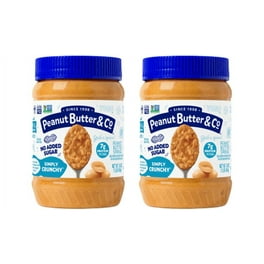
Credit: www.walmart.com
Why Choose Nut Free Peanut Butter
Choosing nut free peanut butter is important for many reasons. It offers a safe alternative for those with allergies. It also provides variety for people who want to avoid nuts. Nut free options can be delicious and nutritious. They help prevent allergic reactions and keep everyone safe.
Allergy Risks And Concerns
Nut allergies can cause serious health problems. Even small amounts of nuts can trigger reactions. Symptoms range from mild itching to life-threatening anaphylaxis. Cross-contamination in food production is a common risk. Nut free peanut butter avoids these dangers. It ensures a safer choice for children and adults.
Benefits Of Nut Free Options
Nut free peanut butter alternatives offer many benefits. They provide similar taste and texture without nuts. Many contain healthy ingredients like seeds and legumes. These options are often lower in fat and calories. They expand food choices for people with allergies. Nut free products can also be used in various recipes.
Seed Butters As Nut Free Alternatives
Seed butters offer a tasty and safe alternative if you need to avoid nuts. They provide a similar creamy texture and rich flavor without the allergy risks. These butters also bring unique nutrients and can easily fit into your daily meals or snacks.
Sunflower Seed Butter
Sunflower seed butter stands out with its mild, slightly sweet taste that pairs well with both sweet and savory dishes. It’s packed with vitamin E, magnesium, and healthy fats that support heart health. If you enjoy peanut butter on toast or in smoothies, sunflower seed butter can be a perfect swap.
Have you tried it with a bit of honey or cinnamon? Many find it enhances the flavor without overpowering the natural nuttiness. Plus, it’s widely available and often found in allergy-friendly sections.
Pumpkin Seed Butter
Pumpkin seed butter has a deeper, earthier flavor that adds a unique twist to your snacks. It’s rich in zinc and iron, nutrients that boost your immune system and energy levels. Spread it on crackers or mix it into oatmeal for a nutrient-packed start to your day.
One surprising benefit is its creamy texture, which rivals traditional peanut butter. If you’re looking for a butter that stands out in taste and nutrition, pumpkin seed butter deserves a spot in your pantry.
Hemp Seed Butter
Hemp seed butter offers a slightly nutty and grassy flavor that may surprise you with its smoothness. It contains omega-3 and omega-6 fatty acids in an ideal ratio, supporting brain and heart health. Using it in salad dressings or drizzling over fruits can add a nutritious punch.
Have you noticed how some seed butters can feel gritty? Hemp seed butter often feels smoother, making it easier to spread or blend. This butter is a great choice if texture matters as much as taste to you.
Legume-based Spreads
Legume-based spreads offer a tasty, nut-free alternative to traditional peanut butter. Made from beans or lentils, they provide protein and a creamy texture. Perfect for those with nut allergies or seeking new flavors.
Legume-based spreads offer tasty options for nut-free diets. These spreads come from legumes, a plant family rich in protein and fiber. They provide a safe and delicious alternative for people with nut allergies. Below are some popular legume-based spreads that mimic the taste and texture of peanut butter.Soy Butter
Soy butter is creamy and rich in taste. It is made from roasted soybeans, which are ground into a smooth paste. This spread is high in protein and often fortified with vitamins. It is a good choice for those seeking a nut-free substitute. Many enjoy its mild and nutty flavor. Soy butter pairs well with bread, crackers, and fruits.Pea Protein Butter
Pea protein butter is another excellent option. It is crafted from yellow peas, known for their protein content. This spread is smooth and slightly sweet. It is a perfect match for those avoiding nuts and soy. Pea protein butter is also rich in essential amino acids. It can be used in sandwiches, smoothies, and baked goods for added nutrition.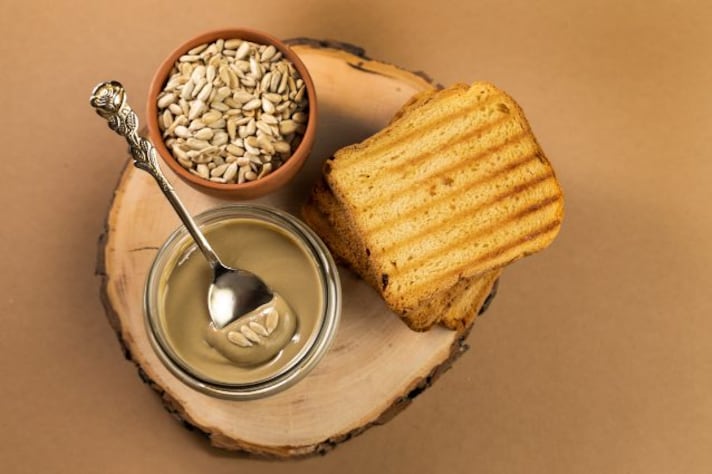
Credit: www.cookist.com
Fruit And Vegetable Spreads
Fruit and vegetable spreads offer a fresh and healthy alternative to nut butters. They bring natural sweetness and rich textures without any nuts. Perfect for those with allergies or anyone wanting variety. These spreads are easy to make and full of nutrients.
Avocado Spread
Avocado spread is creamy and mild in flavor. It works well on toast, sandwiches, and crackers. Rich in healthy fats, it supports heart health. Mash ripe avocado with a pinch of salt and lemon juice for a simple spread. You can add garlic or herbs for extra taste. Avocado spread is smooth and easy to digest.
Sweet Potato Butter
Sweet potato butter is naturally sweet and smooth. It provides fiber, vitamins, and antioxidants. Roast or boil sweet potatoes, then blend until creamy. Add a little cinnamon or vanilla for flavor. This spread pairs well with bread or fruit slices. Sweet potato butter has a warm, comforting taste that many enjoy.
Taste And Texture Comparison
Choosing a nut free peanut butter alternative means paying close attention to both taste and texture. These two aspects make or break your experience, especially if you’re accustomed to the familiar flavor and feel of traditional peanut butter. Let’s dive into what you can expect from various substitutes and how they might fit into your daily routine.
Flavor Profiles
Nut free alternatives often come from seeds or legumes, which bring their own unique flavors to the table. Sunflower seed butter, for example, has a mild, slightly sweet taste that can remind you of peanuts but with a fresher note. Soy butter tends to be earthier and more neutral, making it a good canvas for adding honey or cinnamon.
Some options, like pea butter, surprise with a subtle nuttiness despite being legume-based. If you’ve tried almond or cashew butters, you might find these alternatives less rich but more versatile in recipes. Consider what flavor you want to highlight—do you prefer something closer to peanut butter or something that stands out on its own?
Creaminess And Consistency
Texture can make a big difference in how much you enjoy a nut free butter. Sunflower seed butter often matches peanut butter’s creamy, spreadable consistency, making it easy to use on toast or in smoothies. However, some brands can be a bit gritty or oily, so checking labels or trying different products helps.
Soy butter usually has a smoother, more uniform texture but can feel thinner, which might change how it spreads or blends. Pea butter can range from creamy to slightly pasty, depending on the brand, so you might want to experiment before committing to a jar.
Have you noticed how texture affects your enjoyment of nut butters? Trying a few options side-by-side can reveal which one feels right for your taste buds and your favorite recipes.
How To Use Nut Free Butters
Nut free butters offer a safe and tasty alternative for those with allergies. They can be used just like traditional nut butters. Their creamy texture and rich flavor work well in many dishes. Experimenting with these butters adds variety and nutrition to your meals.
Recipes And Snack Ideas
- Spread sunflower seed butter on toast with honey or jam.
- Mix soy butter into smoothies for extra creaminess.
- Use pea butter as a base for creamy salad dressings.
- Make energy balls with pumpkin seed butter, oats, and dried fruit.
- Swap peanut butter with tigernut butter in baking recipes.
- Stir coconut butter into oatmeal or yogurt for a tropical twist.
Pairing With Other Foods
- Pair seed butters with apple or banana slices for a quick snack.
- Use soy butter as a dip for carrot and celery sticks.
- Spread coconut butter on warm bread with a sprinkle of cinnamon.
- Add pea butter to sauces for noodles or roasted vegetables.
- Combine sunflower seed butter with dark chocolate for a sweet treat.
- Top pancakes or waffles with nut free butter and fresh berries.
Where To Buy Nut Free Peanut Butter Alternatives
Finding nut free peanut butter alternatives can be a bit tricky, but knowing where to look makes a huge difference. These products are designed for people with nut allergies or those simply avoiding nuts, and availability varies depending on your location and shopping preferences.
Let’s break down some practical options where you can pick up these tasty and safe alternatives without hassle.
Online Stores
Shopping online opens a wide range of choices for nut free peanut butter alternatives. Websites like Amazon carry brands such as Wowbutter and SunButter, which use seeds instead of nuts. You can easily compare prices, read reviews, and have your order delivered straight to your door.
Specialty allergy-friendly stores like AllergyWise and Nuts.com also offer extensive selections. They often provide detailed ingredient lists and allergy information, helping you avoid surprises. Plus, online shopping allows you to stock up without running out, which is a lifesaver if you rely on these alternatives daily.
Local Grocery Options
Many local grocery stores now carry nut free peanut butter alternatives. Check the allergy-friendly or organic sections in stores like Whole Foods, Trader Joe’s, and even some large supermarket chains. These stores often stock sunflower seed butter, soy butter, and pea protein spreads.
Don’t hesitate to ask store employees if you can’t find these products on your own. Smaller health food stores and co-ops are also great places to explore. Have you noticed a particular store in your area that carries these alternatives? Sometimes the best finds come from chatting with local staff.

Credit: www.walmart.com
Frequently Asked Questions
What Are The Best Nut Free Peanut Butter Alternatives?
Sunflower seed butter, soy nut butter, and pumpkin seed butter are top nut free alternatives. They mimic peanut butter’s texture and flavor well. These options are safe for nut allergies and provide similar protein and healthy fats.
Are Sunflower Seed Butters Safe For Nut Allergies?
Yes, sunflower seed butter is nut free and safe for most with nut allergies. It is made from sunflower seeds, not nuts. Always check labels to avoid cross-contamination with nuts during processing.
How Do Nut Free Butters Compare Nutritionally?
Nut free butters like sunflower and soy nut butter have similar protein and fat content. They also provide essential vitamins and minerals. However, some may contain more sodium or sugar, so check the nutrition label.
Can Children With Peanut Allergies Eat Nut Free Alternatives?
Yes, many nut free alternatives are safe for children with peanut allergies. Always introduce new foods slowly and watch for reactions. Consult an allergist before trying new butters if allergies are severe.
Conclusion
Nut free peanut butter alternatives offer tasty and safe options. Seeds like sunflower and pumpkin create creamy spreads. Legumes such as soy or peas provide good protein too. These choices suit people with nut allergies well. Easy to find in many stores today.
Try different kinds to find your favorite taste. Enjoy spreads on bread, fruits, or snacks. Eating nut free does not mean missing out. Simple swaps keep your meals healthy and fun. Explore these alternatives and enjoy safe, delicious treats.

Hi, I’m Daniel Brooks—a food lover and kitchen gear enthusiast. I enjoy testing cookware, utensils, and gadgets to see what really works in everyday cooking. At PlugChef.com, I share honest reviews, comparisons, and simple guides to help you choose the best tools for a safer, smarter, and more enjoyable kitchen.
Related posts:
 What Type of Cooking Utensils are Safe: Expert Picks
 What Innovations Could Blenders Make: Unleashing Future Tech
 Smart Strategies to Organize a Small Kitchen: Maximize Space
 How to Organize a Kitchen Cabinet: Expert Tips & Tricks
 How to Organize Kitchen Drawers: Expert Tips and Tricks
 How to Organize a Corner Kitchen Cupboard: Expert Tips