
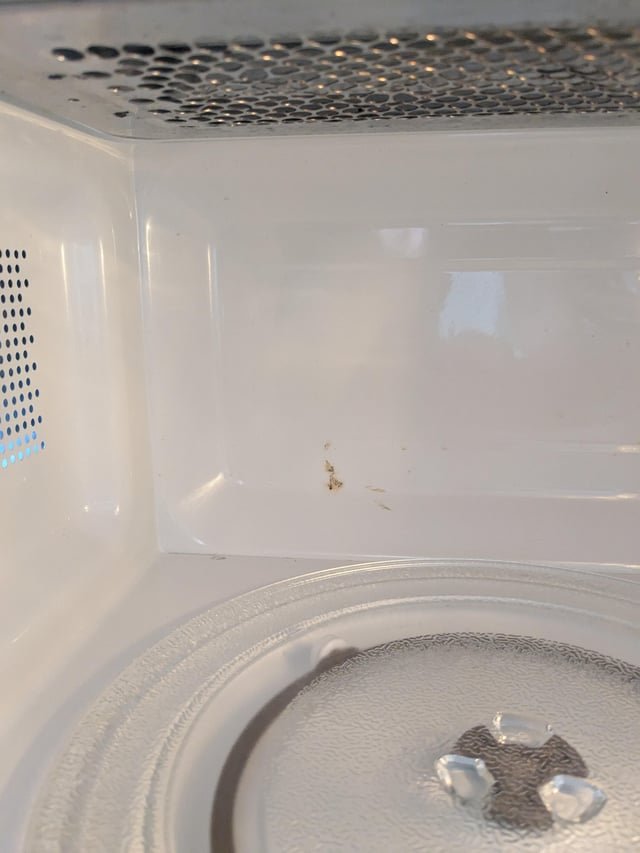
Is your microwave acting up, or are you just unsure if it’s time for a change? You rely on your microwave every day to heat meals quickly and easily.
But when does a simple fix turn into a full replacement? Knowing the right moment to replace your microwave can save you money, avoid frustration, and keep your kitchen running smoothly. You’ll discover clear signs that it’s time to say goodbye to your old microwave and how to choose the perfect new one.
Keep reading to make the best decision for your home and your convenience.

Credit: www.youtube.com
Microwave Lifespan
Your microwave is likely one of the most used appliances in your kitchen. Knowing when to replace it depends a lot on how long it can last and what affects its lifespan. Understanding this can save you from unexpected breakdowns and help you decide if repairs are worth it.
Typical Usage Duration
Most microwaves last around 7 to 10 years with regular use. If you use your microwave daily, expect the lower end of that range. Less frequent use can stretch its life closer to 10 years or more.
Think about your own habits. Do you reheat meals multiple times a day or just occasionally? This directly impacts how soon you might need a replacement.
Factors Affecting Longevity
Several things can shorten or extend your microwave’s life:
- Frequency of use:More use means more wear and tear.
- Maintenance:Regular cleaning and avoiding metal inside help it run smoothly.
- Power level:Constantly using high power can strain the machine.
- Build quality:Cheaper models may not last as long as higher-end ones.
- Environment:Kitchens with high humidity or dust can affect performance.
Have you noticed your microwave getting noisier or heating unevenly? These signs could mean it’s nearing the end of its lifespan. Addressing small issues early can sometimes add years to your microwave’s usefulness.
Common Warning Signs
Microwaves usually work well for years, but signs show when replacement is needed. Spotting these common warning signs helps avoid bigger problems. It also ensures safety in your kitchen.
Some warning signs seem small but matter a lot. They show the microwave may no longer work correctly or safely. Watch for noises, heating issues, damage, or sparks.
Unusual Noises
Microwaves make a steady humming sound during use. Strange noises like grinding, buzzing, or rattling indicate a problem. These sounds may mean parts are worn or broken. Ignoring them can cause more damage.
Inconsistent Heating
Food should heat evenly in the microwave. If meals come out cold in spots or overcooked in others, something is wrong. This uneven heating could mean the magnetron or turntable is faulty. It can spoil food or waste energy.
Physical Damage
Cracks, dents, or broken buttons affect microwave safety and function. Damage to the door or seals can leak radiation. Using a physically damaged microwave can be risky. Replace it to protect yourself and your family.
Sparking Inside
Sparks or flashes inside the microwave are serious warning signs. They often happen due to metal objects or damaged interior parts. Sparking can cause fires or damage the appliance permanently. Stop using the microwave immediately if sparks appear.
Safety Concerns
Microwaves are a kitchen staple, but their convenience can sometimes mask hidden safety risks. Ignoring warning signs could put you and your home in danger. Understanding the safety concerns related to your microwave helps you decide when it’s time to replace it.
Electrical Issues
Frayed cords or sparks when you plug in your microwave are major red flags. These problems can cause electric shocks or short circuits. If you notice unusual noises, flickering lights inside the microwave, or if it suddenly stops working, it’s safer not to ignore these signals.
Have you ever experienced a sudden power trip linked to your microwave? That’s your body telling you something is wrong. Instead of risking a bigger electrical hazard, consider replacing your unit promptly.
Radiation Risks
Microwaves use radiation to heat food, but a damaged door seal or cracks in the casing can cause leakage. While the amount of radiation is generally low, any leak increases exposure and health risks.
Regularly inspect your microwave door for gaps or damage. If it doesn’t close tightly or if you see visible cracks, it’s time to stop using it. Remember, your safety comes before convenience.
Fire Hazards
Old microwaves are more prone to overheating and electrical faults that can spark fires. Overheating can happen if you use metal containers or if food spills inside the microwave and accumulates over time.
Have you ever smelled something burning while reheating your meal? That warning should never be ignored. Keep your microwave clean and pay attention to warning signs like smoke or burning smells. If these appear, replacing your microwave is the safest choice.

Credit: www.youtube.com
Performance Problems
Performance problems are one of the clearest signs that your microwave might be nearing the end of its useful life. When your microwave starts acting up, it’s not just an inconvenience—it can affect how safely and efficiently you prepare your food. Identifying specific issues can help you decide whether repair or replacement is the better choice.
Longer Cooking Times
Have you noticed your microwave taking longer than usual to heat or cook food? This slowdown often means the magnetron, the part that generates microwaves, is weakening. A microwave that can’t cook quickly wastes your time and energy, and it might not heat food evenly.
Instead of guessing, test your microwave by heating a cup of water for one minute and timing how long it takes to get hot. If it’s slower than before, it’s a sign to consider replacing it rather than waiting for it to fail completely.
Power Fluctuations
Does your microwave’s power seem inconsistent? Sometimes it heats perfectly, and other times it barely warms your food. Fluctuating power can indicate electrical or component issues inside the unit.
These problems can lead to uneven cooking and might even pose safety risks. If you notice flickering lights or the microwave cutting in and out, it’s worth getting a professional opinion or thinking about a new model.
Error Codes
Modern microwaves often display error codes to signal internal problems. If your microwave shows a code you don’t recognize, check the manual or manufacturer’s website for details. Persistent error codes often point to serious faults in sensors or circuits.
Ignoring these codes can lead to a complete breakdown. If resetting or troubleshooting doesn’t clear the error, replacing your microwave might save you from ongoing frustration and repair costs.
Cost Vs. Repair
Repair costs that approach or exceed the price of a new microwave often signal replacement time. Frequent breakdowns and outdated features also justify buying a new unit. Balancing cost and convenience helps decide the best choice.
Deciding between repairing or replacing your microwave can be a tricky financial decision. It’s not just about the initial cost; you have to consider long-term value and performance. Are you spending more on repairs than you would on a new model? Let’s break it down with some practical insights.Repair Expenses
Repairing a microwave can sometimes be more costly than anticipated. Common issues like faulty sensors or broken door latches can quickly add up if not addressed promptly. Imagine paying $100 to fix a microwave that’s already a decade old. Is it worth it? Consider the repairman’s hourly rate, the cost of parts, and whether the issue might recur. If you’re constantly calling the repairman, it might be time to rethink your strategy.When Replacement Is Cheaper
Sometimes, replacing your microwave is the more economical choice. Newer models often come with energy-efficient features that can save you money in the long run. Think about how a new microwave could improve your daily life. Faster cooking times and advanced settings could make your kitchen routine more enjoyable. Check the price of new models, and weigh it against the accumulated repair costs of your old one. A new purchase might seem like a splurge, but if it’s saving you frustration and cash down the line, it might just be the smarter investment. Are you ready for an upgrade that not only fits your budget but also enhances your kitchen experience?Upgrading Benefits
Upgrading your microwave brings more than just a fresh look to your kitchen. It can impact your daily cooking experience, save you money, and even keep your home safer. Understanding the benefits can help you decide the right time to replace your old microwave.
Energy Efficiency
Newer microwave models use less electricity while cooking just as quickly, or even faster. This means your energy bills can go down without sacrificing convenience.
Imagine cutting down on wasted power every time you heat a meal. Over months, those savings add up and help the environment too. Are you ready to lower your energy use with a more efficient appliance?
Advanced Features
Modern microwaves come packed with features that make cooking easier and more precise. Sensor cooking, for example, adjusts time and power automatically based on the food’s moisture level.
You might also find models with convection cooking, which lets you bake and roast, giving you more flexibility than a basic microwave. Wouldn’t it be great to try new recipes without needing extra appliances?
Improved Safety
Older microwaves may have worn-out parts that pose risks like sparks or overheating. New microwaves include safety improvements such as better door seals and automatic shut-off functions.
These features help prevent accidents and give you peace of mind every time you use the microwave. How important is safety when choosing your next kitchen appliance?
Disposal And Recycling
Disposing of an old microwave responsibly is important to protect the environment and comply with local regulations. Many people overlook how their appliance waste can impact the planet. Taking the right steps to dispose or recycle your microwave ensures harmful materials don’t end up in landfills.
Proper Disposal Methods
Microwaves contain electronic components and sometimes hazardous materials like lead and mercury. You should never throw them in your regular trash. Instead, check if your community offers special electronic waste collection days or drop-off points.
Many cities have designated e-waste centers where you can safely leave your microwave. Some retailers also provide take-back programs when you buy a new appliance. Asking around or searching online for local disposal guidelines can save you from fines and environmental harm.
Recycling Options
Recycling your microwave can recover valuable metals like copper and steel. This reduces the need for mining new raw materials and lowers energy use. Look for certified e-waste recyclers who follow environmentally safe processes.
- Some manufacturers accept old microwaves for free recycling.
- Local recycling facilities may offer drop-off or pick-up services.
- Community drives or charity programs sometimes accept working microwaves for reuse.
Have you checked if your area offers appliance recycling? Taking a few minutes to find the right option can make a big difference. You help the environment and keep hazardous waste out of the wrong hands.
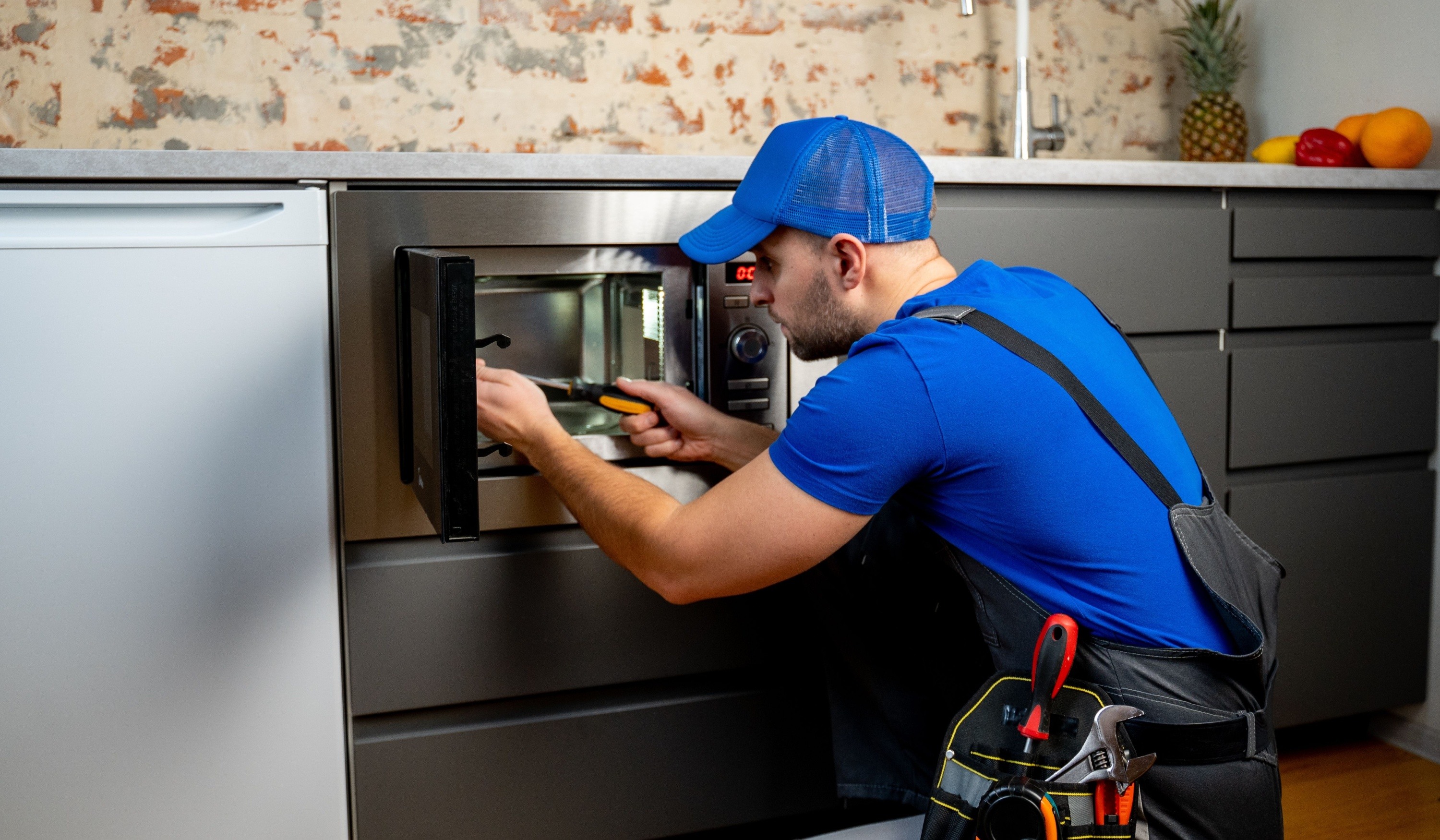
Credit: blog.puls.com
Frequently Asked Questions
When Is It Time To Replace A Microwave?
Replace your microwave when it stops heating properly, makes strange noises, or has visible damage. Frequent repairs also indicate replacement is needed.
How Long Does A Microwave Typically Last?
Most microwaves last between 7 to 10 years. Usage and maintenance affect lifespan, so regular care can extend its life.
What Are Signs Of A Failing Microwave?
Signs include uneven heating, sparks inside, unusual smells, and buttons not working. These issues suggest your microwave needs replacement.
Can A Microwave Be Repaired Or Should I Replace It?
Minor issues can be repaired. However, costly repairs or safety concerns mean replacing the microwave is better.
Conclusion
Microwaves do not last forever. When they start making strange noises or don’t heat well, it’s time to think about replacing them. Old microwaves can waste energy and may not be safe. Choosing a new one can improve your kitchen’s efficiency.
Keep an eye on how your microwave works daily. This helps you avoid sudden breakdowns. A reliable microwave saves time and effort. Remember, small signs can tell you when to replace it. Stay safe and enjoy cooking with the right appliance.

Hi, I’m Daniel Brooks—a food lover and kitchen gear enthusiast. I enjoy testing cookware, utensils, and gadgets to see what really works in everyday cooking. At PlugChef.com, I share honest reviews, comparisons, and simple guides to help you choose the best tools for a safer, smarter, and more enjoyable kitchen.
Related posts:
 What Type of Cooking Utensils are Safe: Expert Picks
 What Innovations Could Blenders Make: Unleashing Future Tech
 Smart Strategies to Organize a Small Kitchen: Maximize Space
 How to Organize a Kitchen Cabinet: Expert Tips & Tricks
 How to Organize Kitchen Drawers: Expert Tips and Tricks
 How to Organize a Corner Kitchen Cupboard: Expert Tips

