
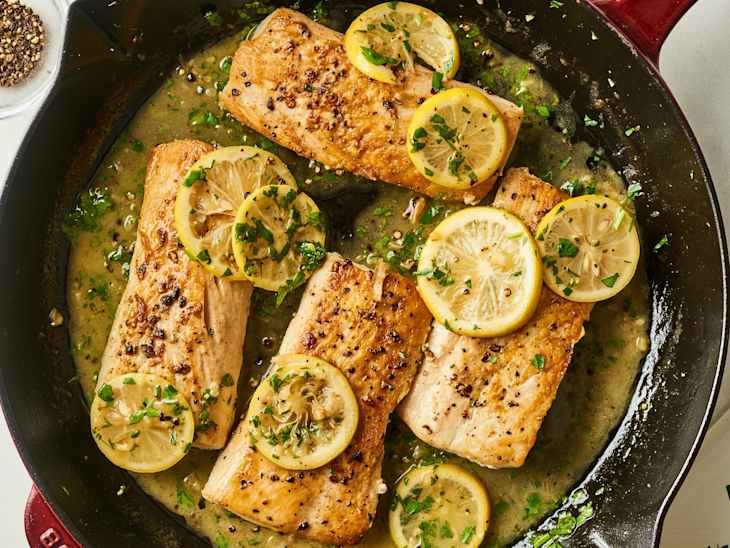
If you want to enjoy a delicious, crispy fish dinner that’s quick and simple, frying mahi mahi is the way to go. You might think frying fish is tricky, but with the right steps, you can master it easily.
Imagine biting into perfectly golden, tender mahi mahi with a crunch that makes your taste buds sing. In this guide, you’ll discover exactly how to fry mahi mahi like a pro, with tips that make your cooking fail-proof. Ready to impress yourself and anyone at your table?
Keep reading, and you’ll be frying mahi mahi perfectly in no time.
Credit: www.thekitchn.com
Choosing Fresh Mahi Mahi
Choosing fresh Mahi Mahi is key to a delicious fried fish dish. Fresh fish offers the best flavor and texture. It ensures your meal tastes clean and vibrant. Knowing how to spot fresh Mahi Mahi helps you avoid fish that smells or looks off.
Identifying Quality Fish
- Check the eyes: They should be clear and bright, not cloudy.
- Look at the skin: It must be shiny and moist, not dull or dry.
- Smell the fish: Fresh Mahi Mahi has a mild sea scent, not a strong fishy odor.
- Touch the flesh: It should feel firm and bounce back when pressed.
- Inspect the gills: Bright red or pink gills show freshness.
Selecting The Right Cut
Choose cuts that are thick and even for frying. Fillets with skin on hold together better during cooking. Avoid pieces with bruises or dark spots. Uniform cuts cook evenly and remain juicy. Tail cuts are lean but can dry out fast. Center cuts offer a good balance of fat and texture.
Preparing Mahi Mahi For Frying
Preparing mahi mahi for frying is a crucial step that sets the stage for a delicious meal. Getting the fish ready properly helps you achieve the perfect texture and flavor. You’ll find that a little care in cleaning, marinating, and seasoning makes a big difference on your plate.
Cleaning And Patting Dry
Start by rinsing your mahi mahi under cold water to remove any surface slime or debris. Use your fingers to gently rub the flesh, ensuring it’s clean but not damaged.
Pat the fish dry with paper towels. This step is vital because excess moisture can cause the oil to splatter and prevent the fish from frying evenly. A dry surface helps the coating stick better and crisps up the outside beautifully.
Marinating Tips
Marinating mahi mahi adds flavor and keeps the fish moist during frying. Use simple ingredients like lemon juice, garlic, and a touch of olive oil for a bright, fresh taste.
Let the fish soak in the marinade for 15 to 30 minutes—any longer and the acid can start to “cook” the fish, changing its texture. Think about what flavors you love: spicy, tangy, or herbal? Customize your marinade to suit your taste buds.
Seasoning Secrets
Seasoning mahi mahi well is key to enhancing its natural flavor without overpowering it. Salt and pepper are basics, but adding paprika, cayenne, or dried herbs can give your fish a subtle kick.
Try seasoning both the fish and the coating you plan to use. This double layer of flavor ensures every bite is tasty. Have you experimented with seasoning blends like Old Bay or Cajun spices? They can transform your mahi mahi into a restaurant-quality dish.
Breading And Coating Techniques
Coating mahi mahi with flour, egg wash, and breadcrumbs creates a crispy outer layer. This technique seals moisture inside while frying. It gives the fish a golden, crunchy texture that enhances every bite.
Frying Mahi Mahi to perfection requires not only the right technique but also the right breading and coating. The way you coat your fish can significantly impact its texture and flavor. Dive into the world of breading and coating techniques to elevate your Mahi Mahi dish from ordinary to extraordinary. From the choice of flour or breadcrumbs to using cornmeal for that extra crunch, each method offers a unique twist to your culinary creation. Let’s explore how you can transform your Mahi Mahi into a crispy delight.Flour Vs. Breadcrumbs
Choosing between flour and breadcrumbs can be a game-changer in your frying process. Flour provides a light, crispy coating that lets the fish’s natural flavor shine through. On the other hand, breadcrumbs add a heartier crunch and can absorb more seasonings, offering a flavorful crust. Think about what texture you prefer. If you’re going for a classic, light fish fry, flour might be your best bet. For a more robust and crunchy experience, breadcrumbs will not disappoint.Using Cornmeal For Extra Crunch
Cornmeal is a fantastic option if you’re seeking an extra crunchy bite. Its coarse texture creates a distinct crispiness that flour or breadcrumbs alone can’t match. Mixing cornmeal with a bit of flour can balance the texture and prevent the coating from becoming too gritty. Experiment with different ratios to find your perfect crunch level. Have you ever tried adding spices to your cornmeal mix? This simple tweak can elevate the flavor profile of your fish, giving it an unexpected twist.Egg Wash And Batter Options
Egg wash is a crucial step in ensuring your breading sticks to the fish. It acts like glue, binding the coating to the Mahi Mahi and preventing it from falling apart during frying. You might also consider using a batter instead of a dry coating. Batters, made from flour and liquid, create a thick, crunchy shell that some people prefer. Explore different liquids for your batter—beer, soda water, or even buttermilk can add unique flavors and textures. What will you choose to make your Mahi Mahi unforgettable?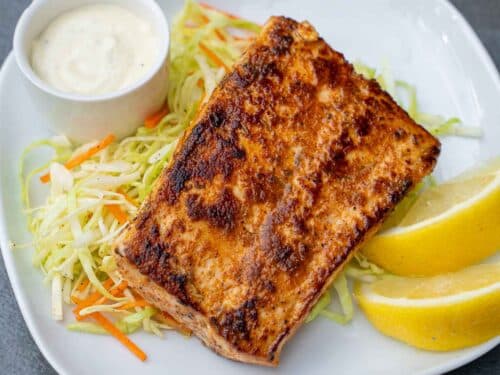
Credit: www.hungrylankan.com
Choosing The Right Oil And Pan
Choosing the right oil and pan plays a big role in frying mahi mahi perfectly. The right oil ensures the fish cooks evenly and stays moist. The right pan helps control heat and prevents sticking. Both affect flavor and texture. Picking them carefully makes frying easier and tastier.
Best Oils For Frying
Use oils with a high smoke point for frying mahi mahi. These oils handle heat well without burning or breaking down. Good choices include:
- Canola oil – light flavor, high smoke point
- Peanut oil – great for frying, adds mild taste
- Vegetable oil – versatile and affordable
- Sunflower oil – clean taste, good heat resistance
Avoid oils with low smoke points like olive oil. They burn quickly and give a bitter taste.
Pan Selection And Heat Control
Choose a heavy-bottomed pan for even heat distribution. Cast iron and stainless steel pans work best. Non-stick pans can help prevent sticking but may not brown fish as well.
Keep the heat medium to medium-high. Too hot oil burns the fish outside and leaves inside raw. Too low heat makes fish greasy. Watch the oil carefully for a steady sizzle before adding the fish.
Frying Mahi Mahi To Crispy Perfection
Frying mahi mahi to crispy perfection is all about balancing heat, timing, and technique. Achieving that golden crust while keeping the fish tender inside can elevate your dish from ordinary to memorable. With a few key tips, you can master this cooking style and impress your guests every time.
Optimal Temperature And Timing
Maintaining the right oil temperature is crucial. Aim for 350°F to 375°F (175°C to 190°C) to get that crispy exterior without overcooking the fish. If the oil is too cool, the mahi mahi will absorb excess oil and become greasy.
Timing depends on the thickness of your fillets. Generally, fry each side for 3 to 4 minutes until the crust is golden brown. Thicker cuts may need an extra minute, but be careful not to dry out the fish inside.
Avoiding Common Mistakes
One frequent mistake is overcrowding the pan. This drops the oil temperature and results in soggy fish. Cook in small batches to keep the oil hot and the crust crisp.
Another pitfall is not drying the fish before frying. Moisture causes splattering and prevents crispiness. Pat your mahi mahi dry with paper towels before seasoning and frying.
Flipping And Handling Tips
Flip the mahi mahi gently using a thin spatula to avoid breaking the crust. Let the first side cook undisturbed until it’s firm enough to release easily from the pan.
Resist the urge to press down on the fish while frying. Pressing squeezes out moisture and leads to a dry texture. Handle your fillets with care to keep them juicy and tender inside.
Credit: www.hungrylankan.com
Serving Suggestions
Serving your fried mahi mahi just right can elevate the entire meal. The flavors and textures you choose to pair with this fish can bring out its best qualities. Think about balancing the crispy, golden crust with complementary sides, sauces, and presentation styles that make the dish pop.
Ideal Side Dishes
Pairing fried mahi mahi with the right sides can create a harmonious plate. Try light and fresh options like a crisp garden salad or steamed asparagus to balance the richness of the fried fish.
- Garlic roasted potatoes add a comforting touch without overpowering the fish.
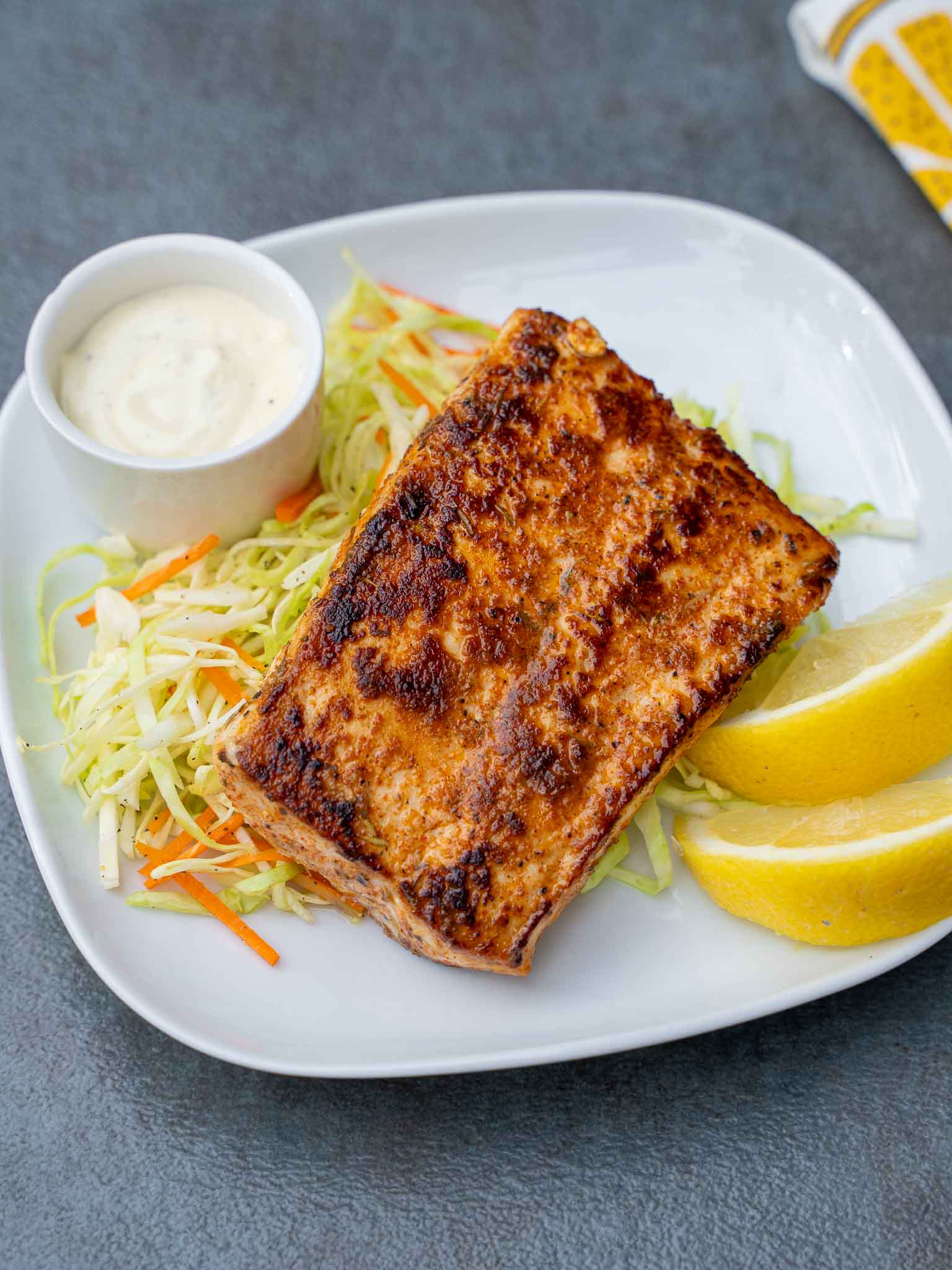
- Coleslaw offers crunch and a tangy contrast that complements the crispy coating.
- Grilled vegetables, such as zucchini or bell peppers, bring smoky flavors and vibrant colors.
Do you prefer something warm or cold on the side? Your choice can change the whole meal experience.
Sauce Pairings
A good sauce can transform fried mahi mahi from simple to spectacular. Think about sauces that add moisture and a flavor boost without drowning the fish.
- Tartar sauce gives a classic, creamy tang that pairs well with the mild fish.
- A zesty mango salsa adds sweetness and a fresh kick, perfect if you want a tropical vibe.
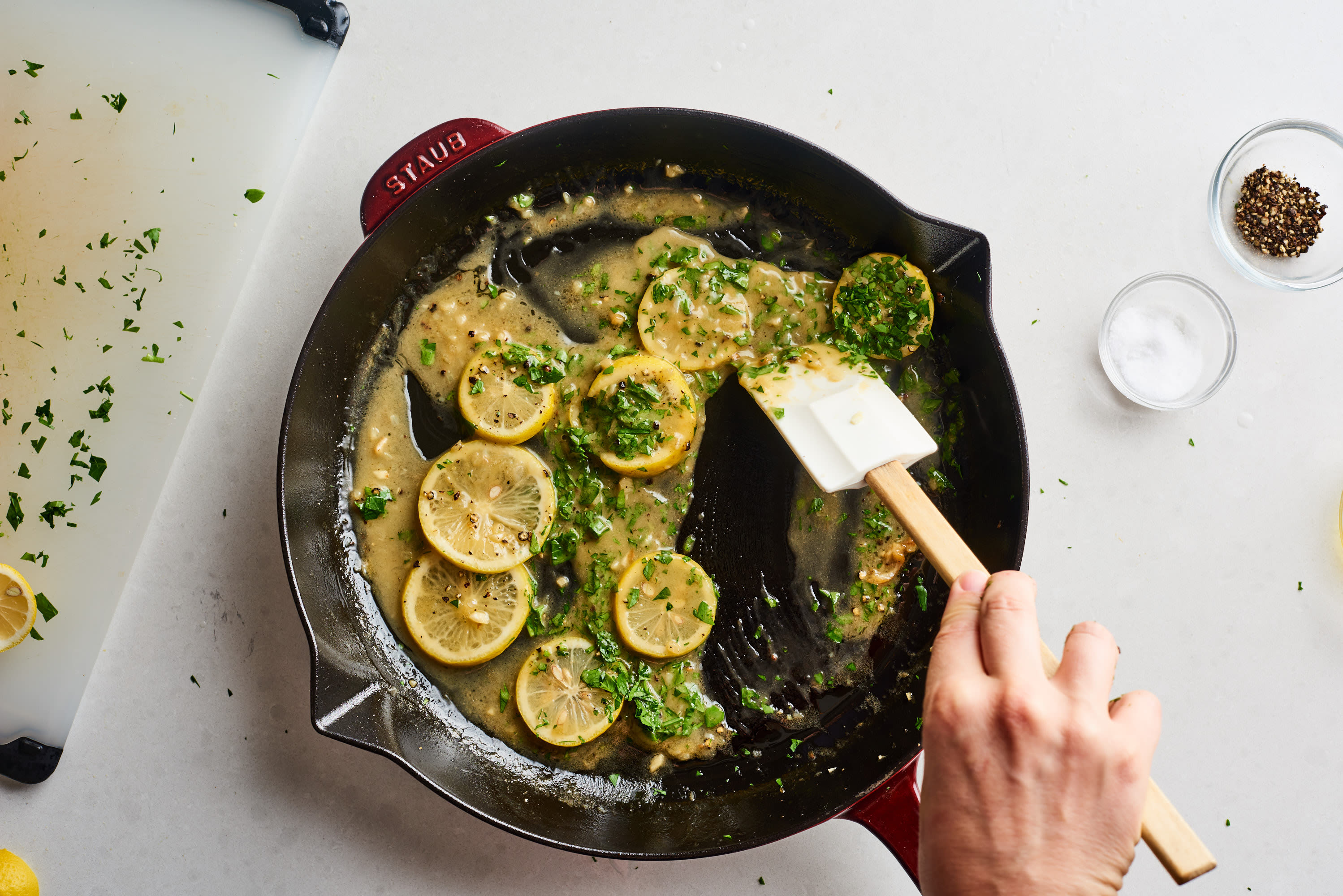
- Lemon butter sauce enhances the natural flavors with its rich, citrusy notes.
Which sauce matches your mood today? A little experimentation can lead to delicious discoveries.
Presentation Ideas
How you plate your fried mahi mahi can make your meal feel special. Use colorful garnishes like fresh herbs or lemon wedges to brighten the dish visually and flavor-wise.
- Place the fish on a bed of greens to add height and contrast.
- Serve with a small ramekin of sauce on the side for dipping appeal.
- Sprinkle some paprika or freshly cracked black pepper over the top to enhance the look.
Have you thought about how your presentation affects your appetite? Sometimes, a simple change in plating can make you enjoy your food even more.
Storing And Reheating Leftovers
Properly storing and reheating leftover fried mahi mahi keeps it safe and tasty. It helps avoid waste and saves time for your next meal. Follow simple steps to keep the fish fresh and crispy.
Proper Storage Methods
Cool the fried mahi mahi before storing it. Place the fish in an airtight container or wrap it tightly with plastic wrap. Store in the refrigerator within two hours of cooking. Use the leftovers within 2 to 3 days for best taste. Avoid leaving the fish at room temperature for long.
Reheating Without Losing Crispiness
Reheat fried mahi mahi gently to keep its crunchy texture. Use an oven or toaster oven set to 350°F (175°C). Place the fish on a baking sheet and heat for 10-15 minutes. Avoid microwaving as it can make the fish soggy. Let the fish rest for a minute before serving to keep it crisp.
Frequently Asked Questions
What Oil Is Best For Frying Mahi Mahi?
Use oils with high smoke points like canola, vegetable, or peanut oil. These oils ensure even cooking and a crispy texture.
How Long Should I Fry Mahi Mahi Fillets?
Fry each fillet for about 3-4 minutes per side. Cook until the fish turns golden brown and flakes easily.
Should I Season Mahi Mahi Before Frying?
Yes, lightly season with salt, pepper, and optional spices. This enhances flavor and complements the fish’s natural taste.
How Do I Know When Mahi Mahi Is Fully Cooked?
The fish should be opaque and flake easily with a fork. Internal temperature should reach 145°F (63°C) for safety.
Conclusion
Frying mahi mahi is simple and rewarding. Use fresh fish and the right oil. Keep the heat steady for a crispy outside and tender inside. Season well to bring out the flavor. Serve hot with your favorite sides. Enjoy this tasty and healthy meal anytime.
Cooking fish at home can be quick and fun. Try different spices to find your favorite taste. Now, you know how to fry mahi mahi easily. Time to cook and enjoy a delicious dish!

Hi, I’m Daniel Brooks—a food lover and kitchen gear enthusiast. I enjoy testing cookware, utensils, and gadgets to see what really works in everyday cooking. At PlugChef.com, I share honest reviews, comparisons, and simple guides to help you choose the best tools for a safer, smarter, and more enjoyable kitchen.
Related posts:
 What Type of Cooking Utensils are Safe: Expert Picks
 What Innovations Could Blenders Make: Unleashing Future Tech
 Smart Strategies to Organize a Small Kitchen: Maximize Space
 How to Organize a Kitchen Cabinet: Expert Tips & Tricks
 How to Organize Kitchen Drawers: Expert Tips and Tricks
 How to Organize a Corner Kitchen Cupboard: Expert Tips

