
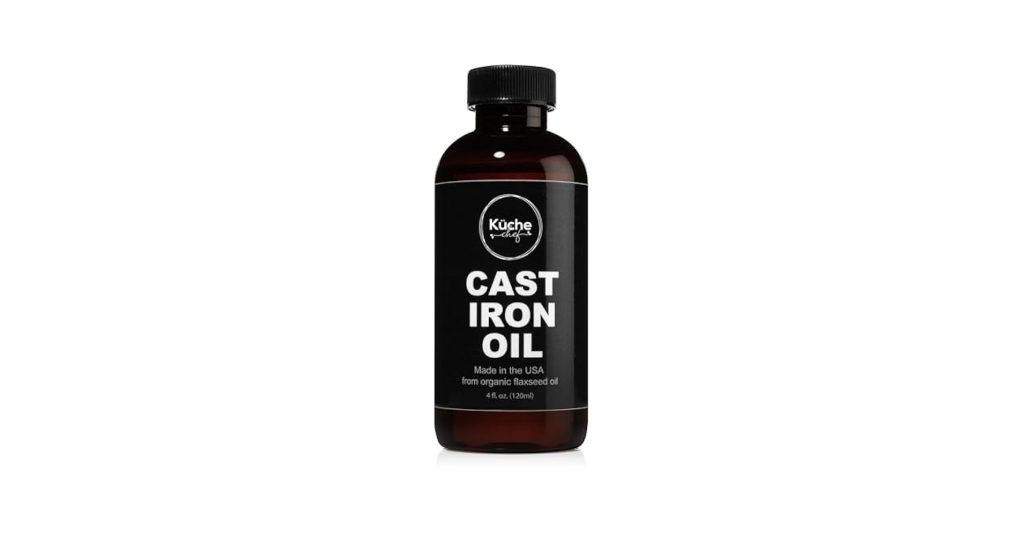
If you love cooking with cast iron, you know how important it is to keep your skillet in top shape. Seasoning your cast iron creates a natural, non-stick surface that makes every meal better.
But did you know that using flaxseed oil for seasoning can make your pan last longer and perform even better? You’ll discover why flaxseed oil is the secret weapon for perfect cast iron seasoning. Ready to transform your cookware and boost your cooking?
Keep reading to find out how flaxseed oil can make all the difference.
Credit: hopewellheightsblog.com
Why Choose Flaxseed Oil
Choosing the right oil for cast iron seasoning matters. Flaxseed oil stands out for many reasons. It creates a strong, durable coating that protects your pan. The oil dries hard, which helps build a smooth, non-stick surface. This makes cooking and cleaning easier. Flaxseed oil also has natural properties that improve your cast iron’s lifespan.
Properties That Benefit Seasoning
Flaxseed oil is rich in omega-3 fatty acids. These fats polymerize well during seasoning. Polymerization means the oil turns into a solid layer on the pan. This layer is tough and resists peeling or flaking.
The oil’s quick drying time helps form multiple seasoning layers fast. It creates a smooth, shiny surface that improves over time. This results in better heat distribution and food release.
Comparing Oils For Cast Iron
| Oil Type | Drying Time | Durability | Non-Stick Quality |
|---|---|---|---|
| Flaxseed Oil | Fast | High | Excellent |
| Vegetable Oil | Medium | Medium | Good |
| Canola Oil | Slow | Low | Fair |
| Olive Oil | Slow | Low | Fair |
Flaxseed oil dries faster and creates a stronger layer than other oils. This makes it ideal for seasoning cast iron pans.
Health And Environmental Aspects
Flaxseed oil is natural and free from chemicals. It does not release harmful fumes during seasoning. This makes the process safer indoors. The oil is also biodegradable and eco-friendly. Using flaxseed oil supports a cleaner environment.
Choosing flaxseed oil for seasoning means healthier cooking. It reduces the risk of toxins from synthetic oils. Your food tastes pure and natural, with no odd smells.
Preparing Your Cast Iron Pan
Preparing your cast iron pan is key to a strong, lasting seasoning. A clean, dry surface helps flaxseed oil bond well. Proper preparation prevents sticking and rust. This section covers the best ways to get your pan ready.
Cleaning And Drying Techniques
Start with warm water and a soft brush. Avoid soap, which can strip the pan’s surface. Scrub gently to remove dirt or food bits.
Dry the pan immediately to stop rust. Use a clean cloth or paper towel. Heat the pan on low stove heat for a few minutes. This removes any leftover moisture.
Removing Old Seasoning
Old seasoning can peel or flake off, causing uneven coating. Use coarse salt and a little water to scrub the pan’s surface. This acts like a gentle abrasive.
For stubborn layers, use steel wool or a dedicated cast iron cleaner. Rinse well and dry completely before applying new oil.
Prepping Surface For Oil
Make sure the pan is fully dry and cool. Wipe the surface with a cloth dipped in flaxseed oil. Spread the oil thinly and evenly.
Remove any excess oil with a clean cloth. Too much oil creates sticky spots. A thin layer helps build a smooth, durable seasoning.
Applying Flaxseed Oil
Flaxseed oil creates a strong, non-stick layer on cast iron pans. Apply a thin, even coat and heat the pan to seal the oil. This process helps protect the pan and improves cooking performance.
Applying flaxseed oil to your cast iron skillet can transform it from a dull piece of cookware into a glossy, non-stick marvel. The magic lies in the oil’s polymerization process, which creates a durable coating. But how do you ensure that your seasoning process is perfect? Let’s dive into the specifics.How Much Oil To Use
Using the right amount of flaxseed oil is crucial. A teaspoon is typically enough for an average-sized skillet. Remember, less is more with cast iron seasoning. You want a thin layer to avoid sticky or uneven spots.Even Coating Tips
Achieving an even coat can be tricky, but it’s essential for effective seasoning. Start by applying the oil to the skillet with a clean cloth or paper towel. Ensure every inch is covered, including the handle and outer edges. After coating, use a separate cloth to wipe away excess oil. This step is vital to prevent pooling, which can lead to an uneven finish. Think of it like buffing your car for that perfect shine.Avoiding Common Mistakes
One common mistake is using too much oil. This can cause a sticky residue that’s hard to clean. Another pitfall is not heating the skillet enough during the process. The skillet should be hot enough to allow the oil to bond and form a solid layer. A final tip: patience is key. Letting the skillet cool completely before using it ensures the seasoning sets properly. Have you found yourself rushing the process only to be disappointed with the results? Slow down, and let the science of seasoning work its magic. By using these tips, you’ll be well on your way to a perfectly seasoned cast iron skillet. Enjoy the cooking adventures ahead with your newly seasoned cookware!Heat Treatment Process
The heat treatment process is crucial for seasoning cast iron with flaxseed oil. This step creates a strong, durable coating that protects the pan from rust and improves its cooking surface. Proper heat helps the oil polymerize, turning it from liquid to a solid layer bonded to the iron.
Temperature and timing during heat treatment affect the seasoning’s quality. Too low heat leaves the oil sticky. Too high heat can burn it, ruining the coating. The right approach ensures a smooth, hard finish that lasts.
Optimal Oven Temperature
Set the oven temperature between 450°F and 500°F (232°C to 260°C). This range is hot enough to start polymerization without burning the oil. Flaxseed oil’s low smoke point makes precise temperature control important. Avoid going above 500°F to prevent cracking or flaking of the coating.
Baking Duration And Cycles
Bake the cast iron for about one hour per seasoning cycle. This time allows the oil to fully bond with the surface. Multiple cycles improve the seasoning’s strength and smoothness. Usually, three to five cycles create a robust, non-stick finish. Let the pan cool between cycles for best results.
Cooling And Handling Post-seasoning
Turn off the oven and let the cast iron cool inside it slowly. Rapid cooling can cause the seasoning to crack. Handle the pan gently after cooling to keep the coating intact. Avoid washing or scrubbing for 24 hours to allow full curing of the seasoning layer.
Building Multiple Layers
Building multiple layers of flaxseed oil seasoning on your cast iron pan is key to creating a durable, non-stick surface that improves with use. Each layer adds a thin, hard coating that protects the pan and enhances its cooking performance. The process requires patience, but the result is a pan that feels smooth and looks almost black with a subtle sheen.
Why Layering Matters
Every layer you add strengthens the seasoning by bonding the oil to the iron’s surface. Thin, even coats prevent sticky buildup and encourage a uniform finish. Skipping layers or applying thick oil can cause uneven seasoning, which may flake off during cooking.
Think about it like painting a wall—you don’t apply a thick coat all at once. Instead, multiple thin layers dry better and last longer. This approach also allows you to control how dark and slick your pan becomes over time.
Timing Between Coats
Allow each coat to fully cure before adding the next. This usually means heating the pan at high temperature for about an hour, then letting it cool completely. Rushing the process traps wet oil, leading to sticky or uneven seasoning.
Patience here pays off. Your pan needs to be dry and hard before you apply more oil, or the layers won’t bond properly. How often have you tried seasoning and found the surface tacky? Waiting longer between coats can solve that problem.
Signs Of A Well-seasoned Pan
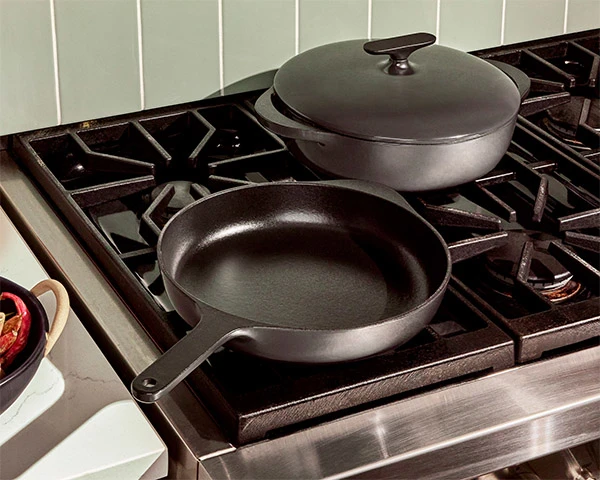
A well-seasoned pan has a smooth, almost glass-like surface without any sticky patches. It should feel dry to the touch and have a consistent dark color that deepens with each layer. When food slides easily without sticking, that’s your best proof.
Another sign is durability—your seasoning should resist scratching and flaking even after scrubbing. If you notice dull spots or rust forming, it’s time to add more layers. Your pan’s performance improves with each careful seasoning session.
Credit: www.carawayhome.com
Maintaining Your Seasoned Pan
Maintaining your flaxseed oil-seasoned cast iron pan keeps its surface smooth and non-stick. Proper care extends the pan’s life and improves cooking results. Small daily habits protect the seasoning and prevent rust.
Cleaning Without Damaging
Clean your pan right after use while still warm. Avoid harsh soaps and scrubbing pads that strip seasoning. Use a soft sponge or brush with hot water only.
- Remove stuck food with coarse salt and a paper towel.
- Rinse thoroughly and dry immediately to stop rust.
- Never soak your pan or put it in the dishwasher.
Re-seasoning Tips
Re-season your pan to restore its protective layer. Heat the pan on the stove or in the oven until dry. Apply a thin layer of flaxseed oil all over the surface.
- Use a lint-free cloth to spread oil evenly.
- Heat the pan at 450°F for one hour.
- Let it cool in the oven before storing.
Storing To Preserve Seasoning
Store your cast iron in a dry place to avoid moisture. Place a paper towel between stacked pans to absorb humidity. Keep the lid off or slightly ajar to allow air flow.
- Never store with food or water inside.
- Check the pan regularly for rust or sticky spots.
- Re-season as needed to maintain a smooth surface.
Troubleshooting Common Issues
Seasoning cast iron with flaxseed oil can sometimes cause issues. These problems affect the cooking surface and your pan’s performance. Understanding how to fix common problems helps keep your cast iron smooth and durable. Below are solutions for sticky surfaces, uneven seasoning, and rust.
Sticky Or Flaky Surfaces
Sticky or flaky surfaces happen when too much oil is applied. The oil does not fully polymerize, leaving a tacky layer. To fix this, wipe off excess oil before heating. Heat the pan in an oven at 450°F for one hour. This helps the oil bond properly. Repeat the process if needed for a smooth finish.
Uneven Seasoning Spots
Uneven seasoning shows as patches where food sticks or colors vary. This occurs if oil is applied unevenly or the pan is not heated enough. Use a clean cloth to spread a thin, even layer of flaxseed oil. Bake the pan on a level rack to ensure heat reaches all areas. Rotate the pan halfway through baking for uniform results.
Handling Rust And Residue
Rust forms when moisture stays on the pan too long. Residue builds up from food or old seasoning layers. Remove rust with steel wool or a scrub brush and mild soap. Rinse and dry thoroughly. Reapply flaxseed oil in a thin coat. Bake to restore the seasoning. Regular care prevents rust and residue from returning.
Credit: www.carawayhome.com
Frequently Asked Questions
What Makes Flaxseed Oil Ideal For Cast Iron Seasoning?
Flaxseed oil dries quickly and forms a strong, durable coating. It polymerizes into a hard layer that protects cast iron from rust and creates a non-stick surface. This makes it a top choice for seasoning cast iron cookware.
How Do I Apply Flaxseed Oil For Seasoning Cast Iron?
Clean and dry your cast iron thoroughly. Apply a thin layer of flaxseed oil using a cloth. Bake upside down at 450°F for one hour. Repeat the process 3-4 times for the best seasoning layer.
Can Flaxseed Oil Cause Sticky Seasoning On Cast Iron?
Yes, applying too much flaxseed oil can cause sticky, uneven seasoning. Always use a thin, even coat. Bake at the right temperature to allow proper polymerization and avoid tacky residue on your cookware.
How Often Should I Season Cast Iron With Flaxseed Oil?
Season your cast iron every few months or when the surface dulls. Frequent use and cleaning may require more seasoning. Regular maintenance keeps the non-stick layer effective and prevents rust.
Conclusion
Flaxseed oil works well for seasoning cast iron pans. It creates a strong, smooth layer that protects the pan. Regular seasoning keeps the pan non-stick and rust-free. Apply thin coats and heat the pan carefully. Patience helps build a lasting, natural finish.
Clean the pan gently after each use. This simple step saves time and effort later. Enjoy cooking with your well-seasoned cast iron every day. A little care goes a long way for great results.

Hi, I’m Daniel Brooks—a food lover and kitchen gear enthusiast. I enjoy testing cookware, utensils, and gadgets to see what really works in everyday cooking. At PlugChef.com, I share honest reviews, comparisons, and simple guides to help you choose the best tools for a safer, smarter, and more enjoyable kitchen.
Related posts:
 What Type of Cooking Utensils are Safe: Expert Picks
 What Innovations Could Blenders Make: Unleashing Future Tech
 Smart Strategies to Organize a Small Kitchen: Maximize Space
 How to Organize a Kitchen Cabinet: Expert Tips & Tricks
 How to Organize Kitchen Drawers: Expert Tips and Tricks
 How to Organize a Corner Kitchen Cupboard: Expert Tips

