
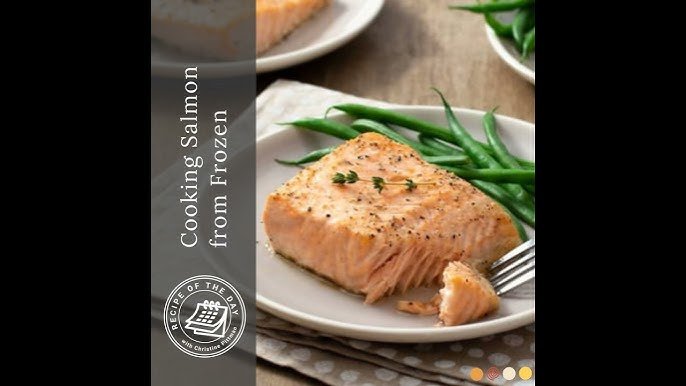
Are you craving a delicious, healthy meal but only have frozen salmon on hand? Don’t worry—baking frozen salmon is easier than you think.
With the right steps, you can turn that frozen fillet into a juicy, flavorful dish without any thawing time. Imagine enjoying tender salmon, perfectly cooked and ready in minutes, all from your oven. Keep reading, and you’ll discover simple tips and tricks to make your frozen salmon taste just like fresh.
Your next quick and tasty dinner is just a few clicks away!

Credit: noblepig.com
Choosing Frozen Salmon
Choosing the right frozen salmon is important for a tasty meal. The type, quality, and source of the salmon affect the final dish. Understanding these factors helps you pick the best fish for baking.
Types Of Frozen Salmon
Frozen salmon comes in several types. The most common are sockeye, king, coho, and Atlantic salmon. Sockeye has a deep red color and rich flavor. King salmon is larger and fattier, great for moist dishes. Coho offers a milder taste and firm texture. Atlantic salmon is often farmed and widely available. Each type suits different recipes and tastes.
Quality Indicators
Look for firm flesh and bright color in frozen salmon. Avoid fish with frost or ice crystals on the packaging. These may mean the fish thawed and refroze. Check for a clean, fresh smell once thawed. Packaging should be sealed without tears or holes. Proper labeling with harvest date or freezing date is a plus. These signs help ensure freshness and quality.
Sustainable Options
Choose salmon from sustainable sources to protect the environment. Wild-caught salmon with certification is a good choice. Look for labels like MSC (Marine Stewardship Council). Farmed salmon can be sustainable if responsibly raised. Seek brands that follow eco-friendly practices. Sustainable choices support healthy oceans and future fish supplies.
Preparation Tips
Preparing frozen salmon for baking can feel tricky, but a few simple tips can make all the difference. How you handle the fish before it even hits the oven affects texture, flavor, and cooking time. Paying attention to thawing, seasoning, and the right tools will help you get the best results every time.
Thawing Methods
Thawing salmon properly is key to even cooking. You can thaw it slowly in the refrigerator overnight for the best texture. If you’re short on time, place the sealed salmon in a bowl of cold water, changing the water every 20 minutes until thawed.
Avoid thawing salmon at room temperature. This can cause uneven thawing and increase the risk of bacteria growth. Have you tried baking salmon straight from frozen? It’s possible but expect longer cooking times and slightly different texture.
Seasoning Ideas
Seasoning frozen salmon doesn’t have to be complicated. Simple salt and pepper work well, but adding herbs like dill, parsley, or thyme can lift the flavor. Consider rubbing the fish with olive oil or melted butter to keep it moist and add richness.
- Try a squeeze of lemon juice or a sprinkle of garlic powder for extra zing.
- Mix a little honey and soy sauce for a sweet-savory glaze.
- Don’t underestimate the power of fresh herbs added right after baking.
What’s your favorite way to season salmon? Experimenting with different flavors can turn a basic meal into something memorable.
Tools And Equipment
Using the right tools speeds up preparation and improves your salmon’s texture. A non-stick baking sheet or a piece of parchment paper helps prevent sticking and simplifies cleanup. A sharp knife is essential for trimming any excess skin or bones.
Consider using a meat thermometer to check doneness without cutting into the fish. This small tool can save you from overcooking or undercooking. Have you ever used a baking rack? It allows heat to circulate evenly around the salmon, helping it cook more uniformly.
Baking Techniques
Frozen salmon cooks best when baked directly from the freezer. Season it well, bake at a moderate temperature, and allow extra time for even cooking. This method keeps the fish moist and flavorful without thawing.
Baking Techniques Baking frozen salmon can be a delightful experience with the right techniques. Whether you’re a seasoned cook or a beginner, mastering the art of baking frozen salmon ensures you always have a delicious meal on your table. Let’s dive into some practical methods to get the most flavor and texture out of your frozen fish.Oven Temperature Settings
Setting your oven temperature correctly is crucial. For frozen salmon, a temperature of 400°F (205°C) often works best. This allows the salmon to cook evenly without drying out, preserving its rich flavors. Consider using an oven thermometer for accuracy. This small step can make a big difference in achieving perfectly baked salmon. Have you ever tried adjusting the temperature slightly to see how it affects the texture? Experimenting can lead to surprising results.Baking Time Guidelines
Baking frozen salmon requires precise timing. Generally, aim for 20 to 25 minutes, depending on the thickness of the fillet. Thicker cuts may need a few extra minutes to ensure they’re thoroughly cooked. Check for doneness by gently pressing the top of the fillet with a fork. If it flakes easily, it’s ready. How do you like your salmon—moist and tender or with a firmer texture? Your personal preference can guide your timing adjustments.Using Foil Or Parchment
Deciding between foil or parchment can influence the final taste and texture. Foil helps retain moisture, resulting in juicier salmon. Simply wrap the fillet tightly and add herbs or lemon slices for extra flavor. Parchment paper offers a lighter, more delicate bake. It allows the salmon to steam, which is perfect if you enjoy a subtly infused flavor. Which method aligns with your taste buds? You might find that alternating between the two keeps your meals exciting.
Credit: downshiftology.com
Quick Recipes
Quick recipes help you cook frozen salmon fast and tasty. These simple ideas use common ingredients. They bring flavor without extra effort. Each recipe suits busy days or last-minute meals.
Lemon Garlic Salmon
Preheat the oven to 400°F (200°C). Place frozen salmon on a baking sheet. Mix lemon juice, minced garlic, olive oil, salt, and pepper. Spread this mix over the fish. Bake for 20-25 minutes until cooked through. The lemon and garlic make the salmon bright and fresh.
Honey Mustard Salmon
Set the oven at 425°F (220°C). Put frozen salmon on foil or parchment paper. Blend honey, Dijon mustard, olive oil, and a pinch of salt. Brush the sauce on the salmon evenly. Bake for 18-22 minutes. This recipe gives a sweet and tangy taste that pleases the palate.
Herb-crusted Salmon
Heat oven to 400°F (200°C). Arrange frozen salmon on a lined baking tray. Combine chopped parsley, dill, breadcrumbs, olive oil, salt, and pepper. Press this herb mix gently on top of the fish. Bake for 20-25 minutes. The crust adds a crunchy texture and fresh herb flavor.
Serving Suggestions
Serving baked frozen salmon offers a great opportunity to create a delicious and visually appealing meal. How you present your salmon can elevate the entire dining experience. Paying attention to side dishes, sauces, and plating will make your meal memorable and satisfying.
Side Dish Pairings
Choose side dishes that complement the rich, tender texture of baked salmon. Steamed asparagus or roasted Brussels sprouts add a fresh, slightly crunchy contrast. You can also serve creamy mashed potatoes or quinoa for a hearty base.
Think about balancing flavors and textures. Light, crisp salads with lemon vinaigrette brighten the plate, while garlic butter green beans add a savory touch. What sides do you enjoy that bring out the best in salmon?
Sauces And Toppings
Enhance your baked salmon with simple sauces that add moisture and flavor. A lemon dill sauce or a tangy mango salsa works beautifully. Even a drizzle of honey mustard glaze can create a delightful sweet and savory combo.
Toppings like toasted almonds or fresh herbs add an exciting crunch and burst of flavor. Don’t overlook a sprinkle of capers or a dollop of creamy tzatziki for an unexpected twist. What toppings do you find elevate your salmon dishes?
Plating Tips
Presentation matters when serving salmon, so take a moment to plate thoughtfully. Place the salmon at the center and arrange side dishes around it for balance. Use a clean plate and wipe any spills to keep the look neat.
Adding a lemon wedge or a sprig of fresh parsley brings color and freshness. Try layering textures—soft salmon on a bed of crunchy greens, for instance. How can you make your plate inviting enough to enjoy first with your eyes?

Credit: mowisalmon.us
Safety And Storage
Handling and storing frozen salmon safely is crucial to enjoy its fresh taste and avoid foodborne illnesses. Knowing the right steps to keep your fish fresh not only preserves its flavor but also protects your health. Let’s dive into practical tips that make a real difference in your kitchen routine.
Proper Handling
Always wash your hands before and after touching frozen salmon. Avoid letting the fish sit at room temperature for too long; bacteria grow quickly in the danger zone between 40°F and 140°F (4°C to 60°C).
Thaw frozen salmon in the refrigerator overnight or under cold running water in a sealed bag to keep bacteria out. Never thaw on the countertop—have you ever wondered why some fish tastes off despite being fresh?
Storing Leftovers
Store any leftover cooked salmon in an airtight container within two hours of cooking. Keep it in the fridge at 40°F (4°C) or below, and try to eat it within 2 to 3 days.
If you want to save it longer, freeze the leftovers tightly wrapped or in a freezer-safe container. Label the package with the date to avoid mystery meals later on.
Reheating Tips
Reheat your salmon gently to keep it moist and flavorful. Use a low oven temperature or microwave at medium power in short bursts, checking often.
Have you noticed how reheated salmon can dry out quickly? Cover it loosely with foil or a damp paper towel to trap moisture and prevent toughness.
Frequently Asked Questions
How Long To Bake Frozen Salmon In Oven?
Bake frozen salmon at 425°F (220°C) for 20-25 minutes. Check doneness by flaky texture and internal temperature of 145°F (63°C).
Do I Need To Thaw Salmon Before Baking?
No, you can bake salmon directly from frozen. Baking without thawing preserves texture and saves time.
What Seasonings Work Best For Frozen Salmon?
Use salt, pepper, lemon, garlic, dill, or paprika. These enhance flavor without overpowering delicate salmon taste.
Can I Bake Frozen Salmon With Skin On?
Yes, baking with skin on helps retain moisture. It also adds flavor and easy removal after cooking.
Conclusion
Baking frozen salmon is simple and quick. You do not need to thaw it first. Just season the fish and bake at the right temperature. This method keeps the salmon juicy and tasty. It works well for busy days or last-minute meals.
Try different spices to find your favorite flavor. Cooking frozen salmon saves time and still gives great results. Give it a try and enjoy a healthy, delicious meal tonight.

Hi, I’m Daniel Brooks—a food lover and kitchen gear enthusiast. I enjoy testing cookware, utensils, and gadgets to see what really works in everyday cooking. At PlugChef.com, I share honest reviews, comparisons, and simple guides to help you choose the best tools for a safer, smarter, and more enjoyable kitchen.
Related posts:
 What Type of Cooking Utensils are Safe: Expert Picks
 What Innovations Could Blenders Make: Unleashing Future Tech
 Smart Strategies to Organize a Small Kitchen: Maximize Space
 How to Organize a Kitchen Cabinet: Expert Tips & Tricks
 How to Organize Kitchen Drawers: Expert Tips and Tricks
 How to Organize a Corner Kitchen Cupboard: Expert Tips

