
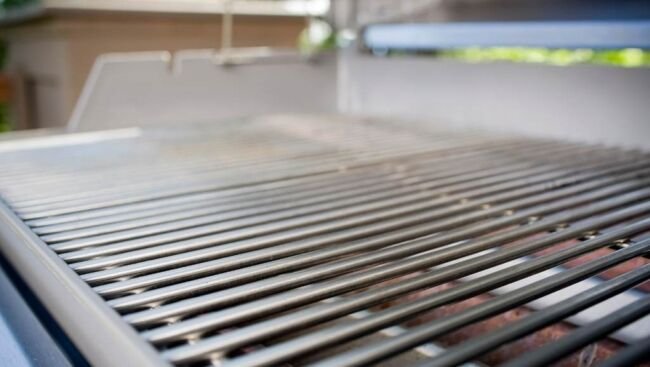
If you love grilling, you know how important clean grill grates are for tasty food and a safe cookout. But cleaning those grates can feel like a tough job.
What if there was a simple way to get them sparkling without stress or scrubbing forever? In this guide, you’ll discover easy, effective tips to clean your grill grates like a pro. Say goodbye to stuck-on food and rusty metal, and get ready to enjoy your next barbecue more than ever.
Keep reading—you won’t want to miss these game-changing cleaning secrets!
Choosing The Right Tools
Choosing the right tools for cleaning your grill grates can make a huge difference in how easy and effective the task becomes. Using the wrong brush or tool not only wastes your time but can also damage your grill or leave harmful residues behind. Let’s look at what tools work best and how to stay safe while cleaning.
Types Of Grill Brushes
Grill brushes come in various styles, each suited for different types of grates and cleaning needs. Wire brushes are popular because they scrape off stuck-on food quickly, but you must choose one with stainless steel or brass bristles to avoid rust. If you have porcelain-coated grates, a nylon-bristle brush is gentler and prevents scratches.
Have you ever noticed bristles falling off your brush? That’s a warning sign to replace it immediately to avoid dangerous ingestion. Consider brushes with long handles to keep your hands away from heat and grime.
Alternative Cleaning Tools
If you want to avoid brushes with bristles, there are other effective options. A grill stone or pumice block works well for scrubbing without the risk of loose bristles. You can also use crumpled aluminum foil held with tongs to rub off residue—this is a trick many BBQ enthusiasts swear by.
Another idea is using a ball of steel wool, but only if your grate material can handle it. For a natural solution, try soaking the grates in a vinegar and baking soda mixture, then scrubbing with a sponge or cloth.
Safety Gear For Cleaning
Protecting yourself during grill cleaning is crucial. Always wear heat-resistant gloves to avoid burns from hot grates or steam. Safety glasses can shield your eyes from flying debris or cleaning sprays.
Consider wearing a mask if you’re using strong chemical cleaners to prevent inhaling fumes. Proper ventilation is key—open your grill lid and work outdoors or in a well-ventilated space to keep the air fresh.
Preparing The Grill
Preparing your grill is the first important step before cleaning the grates. A well-prepared grill makes cleaning easier and more effective. This preparation involves heating the grill to loosen stuck food, removing any loose debris, and then letting the grill cool down slightly. Proper preparation helps protect your grill and ensures a thorough clean.
Heating The Grill
Turn the grill on high heat for 10 to 15 minutes. This burns off leftover food and grease. The heat loosens stuck particles, making them easier to remove. Heating also sterilizes the grates, reducing bacteria.
Removing Loose Debris
Use a grill brush or scraper to remove loose debris. Brush across the grates in a back-and-forth motion. Pay attention to areas with stuck-on food. Clearing debris before washing prevents clogging and improves cleaning results.
Cooling Down Before Cleaning
Let the grill cool for 10 minutes after heating and brushing. Cooling makes the grates safe to touch. Cleaning while still hot can cause burns. This short wait balances safety and ease of cleaning.
Cleaning Techniques
Cleaning your grill grates can feel like a chore, but choosing the right technique can make all the difference. Each method targets grime and residue in unique ways, helping you maintain your grill’s performance and taste. Let’s explore some effective cleaning techniques that you can try at home.
Scrubbing With A Brush
Using a stiff wire brush is one of the most straightforward ways to clean grill grates. After cooking, while the grates are still warm (but not hot), scrape off any stuck-on food particles. This prevents buildup and makes deep cleaning easier later.
Be sure to choose a brush with durable bristles that won’t break off easily. If you’re worried about brushing safety, try a brush with a long handle to keep your hands protected from heat.
Soaking Grates
Soaking grill grates is perfect for loosening stubborn grease and burnt-on bits. Fill a large container or your sink with hot, soapy water and submerge the grates for at least 30 minutes.
After soaking, use a sponge or brush to wipe away softened residue. This technique saves you scrubbing time and reduces elbow grease.
Using Baking Soda And Vinegar
This natural combination can tackle tough grime without harsh chemicals. Sprinkle baking soda over the grates, then spray or pour vinegar to create a fizzy reaction.
Let the mixture sit for 10-15 minutes before scrubbing with a brush. The fizz helps break down grease and food particles, making the cleaning process more effective and eco-friendly.
High-heat Cleaning Method
Heating your grill grates to a high temperature can burn off excess food and grease. Turn your grill on high and close the lid for 10-15 minutes to let the heat do the work.
After heating, use a brush to scrape off the charred residue. This method is quick and chemical-free but works best as a regular maintenance step rather than a deep clean.

Credit: www.youtube.com
Deep Cleaning Options
Deep cleaning your grill grates goes beyond a quick scrub. It requires targeted methods to remove built-up grease, rust, and stubborn food residue that regular cleaning can’t handle. Taking the time for a thorough clean not only improves the taste of your grilled food but also extends the life of your grill grates.
Using Grill Cleaner Solutions
Specialized grill cleaner solutions can be a game-changer. These products are designed to break down tough grease and carbon buildup without damaging your grates.
Apply the cleaner according to the instructions, usually letting it sit for 10-15 minutes. Use a grill brush or scouring pad to scrub off the loosened grime.
Always rinse thoroughly to avoid any chemical residue affecting your food. Have you ever noticed how much easier cleaning becomes after using the right solution?
Removing Rust And Stubborn Residue
Rust can sneak up on even the best-maintained grills. To tackle rust, start by scrubbing the grates with a wire brush to remove loose flakes.
For stubborn rust spots, try a paste made from baking soda and water. Apply it and let it sit for about 30 minutes before scrubbing again.
If the residue is particularly tough, steel wool can help—but use it carefully to avoid damaging the metal surface. How do you know when rust has gone too far to restore?
Dishwasher Cleaning For Removable Grates
If your grill grates are removable and dishwasher-safe, this can save you serious effort. Place the grates on the bottom rack and run a regular cycle.
This method is great for grills you use frequently and want to keep spotless without harsh scrubbing. Just be sure to check your grill’s manual to confirm dishwasher safety.
Have you tried this and noticed a difference in your grill’s performance afterward?
Maintenance Tips
Maintaining your grill grates is key to ensuring great-tasting food and extending the life of your grill. Proper upkeep makes each grilling session easier and prevents the frustration of stubborn, stuck-on residue. Let’s dive into some practical tips that you can easily add to your routine.
Seasoning Grill Grates
Seasoning your grill grates creates a natural non-stick surface and helps prevent rust. After cleaning, apply a thin layer of cooking oil—like vegetable or canola oil—to the grates while they are still warm. This simple step can make a huge difference in how your food cooks and how easy the grates are to clean next time.
Have you ever noticed how a well-seasoned pan improves your cooking? The same goes for grill grates. Repeating this process regularly keeps your grill in top shape.
Regular Cleaning Schedule
Setting a regular cleaning schedule keeps buildup from becoming overwhelming. After each use, scrape off any food debris with a grill brush or scraper while the grates are still warm. For a deeper clean, soak the grates in soapy water weekly and scrub with a non-abrasive pad.
Cleaning doesn’t have to be a chore if you keep up with it. How often do you check your grill grates? Try to tie it to your grilling routine so it becomes second nature.
Storing The Grill Properly
Proper storage protects your grill grates from moisture and dirt, which can cause rust and damage. Use a grill cover if your grill stays outside, or store it in a dry, sheltered spot during bad weather. Taking a few minutes to cover or move your grill can save you from costly repairs later.
Think about the last time you found rust on your grill. Could better storage have prevented it? Small habits like these protect your investment and keep your grill ready for your next cookout.

Credit: www.youtube.com
Common Mistakes To Avoid
Avoid using harsh brushes that can damage grill grates. Skipping regular cleaning leads to tough, stuck-on residue. Using too much soap may leave a bad taste on food.
Cleaning grill grates can seem simple, but mistakes are common. These errors can damage your grill or make cleaning harder. Avoiding them keeps your grill in top shape.Using Harsh Chemicals
Harsh chemicals can damage your grill grates. They might strip away protective coatings. This can lead to rust and wear. Instead, use mild soap and warm water. Baking soda and vinegar work well too.Ignoring Safety Precautions
Safety is crucial when cleaning grill grates. Always ensure the grill is cool before cleaning. Wear gloves to protect your hands. Use tools like brushes safely to avoid injury.Neglecting Grill After Use
Neglecting your grill after cooking is a big mistake. Food residue hardens and becomes difficult to remove. Clean the grates while they are still warm. This makes the process easier and keeps your grill ready for next time.
Credit: www.yahoo.com
Frequently Asked Questions
How Often Should I Clean Grill Grates?
Clean grill grates after every use to prevent buildup. Regular cleaning extends grill life and improves food taste. Deep clean monthly to remove stubborn residue and grease. Consistent maintenance ensures safe, hygienic grilling.
What Is The Best Tool For Cleaning Grill Grates?
A grill brush with stainless steel bristles works best. It effectively removes burnt food and grease. Avoid wire brushes that shed bristles. Alternatively, use a scraper or a ball of aluminum foil for light cleaning.
Can I Use Soap To Clean Grill Grates?
Yes, mild dish soap mixed with warm water is safe. It removes grease and grime without harming the grates. Rinse thoroughly to avoid soap residue on food. Avoid harsh chemicals that can damage the grill surface.
How Do I Clean Rusty Grill Grates?
Use a wire brush to scrub off rust spots. For stubborn rust, apply a paste of baking soda and water. Let it sit, then scrub and rinse. Regular seasoning with oil prevents rust formation.
Conclusion
Keeping grill grates clean helps food taste better and last longer. Scrape off leftover bits after each use. Soak grates in warm, soapy water for easy cleaning. Use a grill brush or scrub pad to remove stuck-on residue. Rinse well and dry before storing.
Regular care stops rust and keeps grills safe. Clean grates make grilling more fun and healthy. Try these simple steps to enjoy your next barbecue. A clean grill means better meals every time.

Hi, I’m Daniel Brooks—a food lover and kitchen gear enthusiast. I enjoy testing cookware, utensils, and gadgets to see what really works in everyday cooking. At PlugChef.com, I share honest reviews, comparisons, and simple guides to help you choose the best tools for a safer, smarter, and more enjoyable kitchen.
Related posts:
 What Type of Cooking Utensils are Safe: Expert Picks
 What Innovations Could Blenders Make: Unleashing Future Tech
 Smart Strategies to Organize a Small Kitchen: Maximize Space
 How to Organize a Kitchen Cabinet: Expert Tips & Tricks
 How to Organize Kitchen Drawers: Expert Tips and Tricks
 How to Organize a Corner Kitchen Cupboard: Expert Tips

