
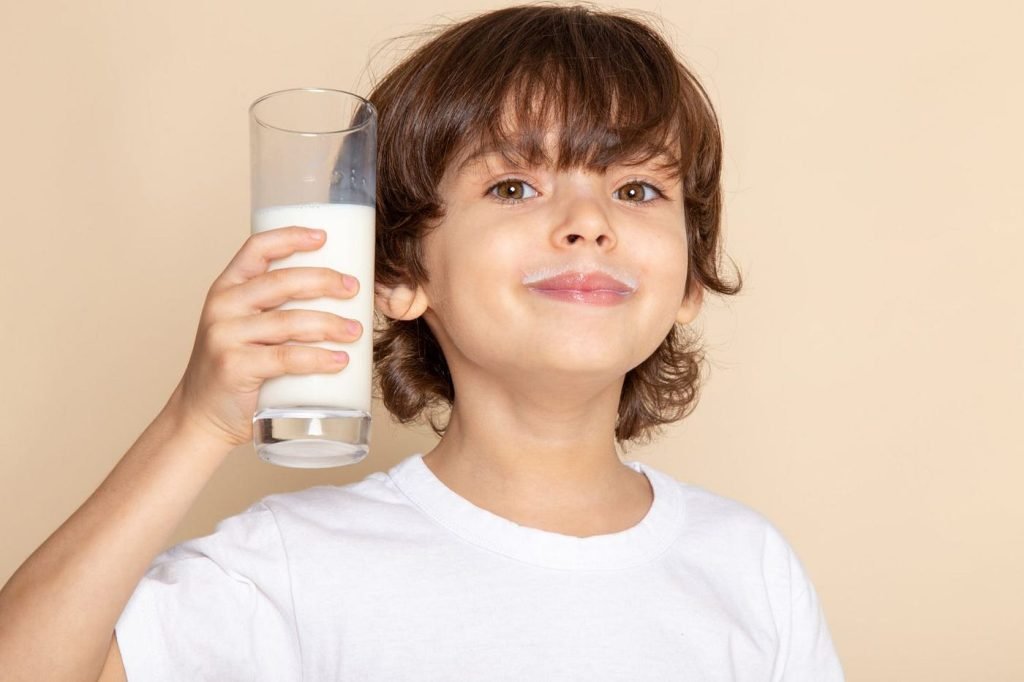
Have you ever wondered what makes the milk you drink safe and healthy? If you’ve seen the term “Vat Pasteurized Milk” on a carton and felt unsure about what it means, you’re not alone.
Understanding this process can help you make better choices for your family’s health. You’ll discover exactly what vat pasteurization is, why it matters, and how it affects the milk you pour into your glass every day. Keep reading—you might be surprised by what you learn about this simple yet powerful way to protect your milk.
Credit: www.foodsafetynews.com
Vat Pasteurization Basics
Understanding vat pasteurization basics helps you appreciate how milk retains its natural flavor while staying safe to drink. This method uses a gentle heating process that kills harmful bacteria without altering the milk’s taste or texture much. If you’ve ever wondered why some milk tastes fresher or creamier, vat pasteurization might be the reason.
Process And Temperature
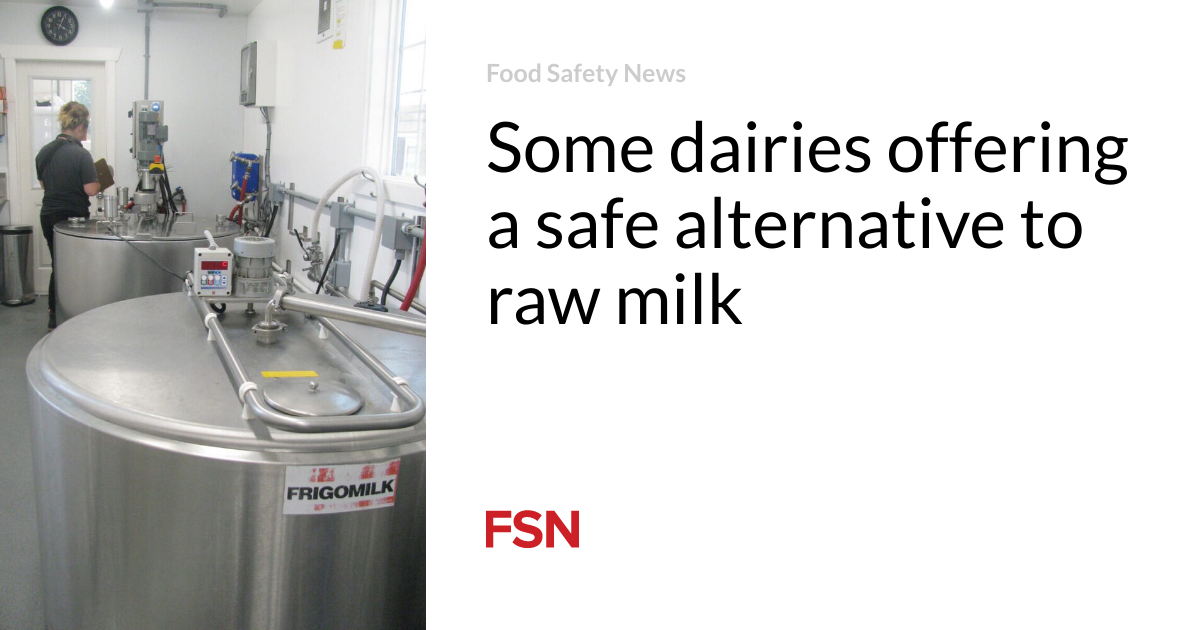
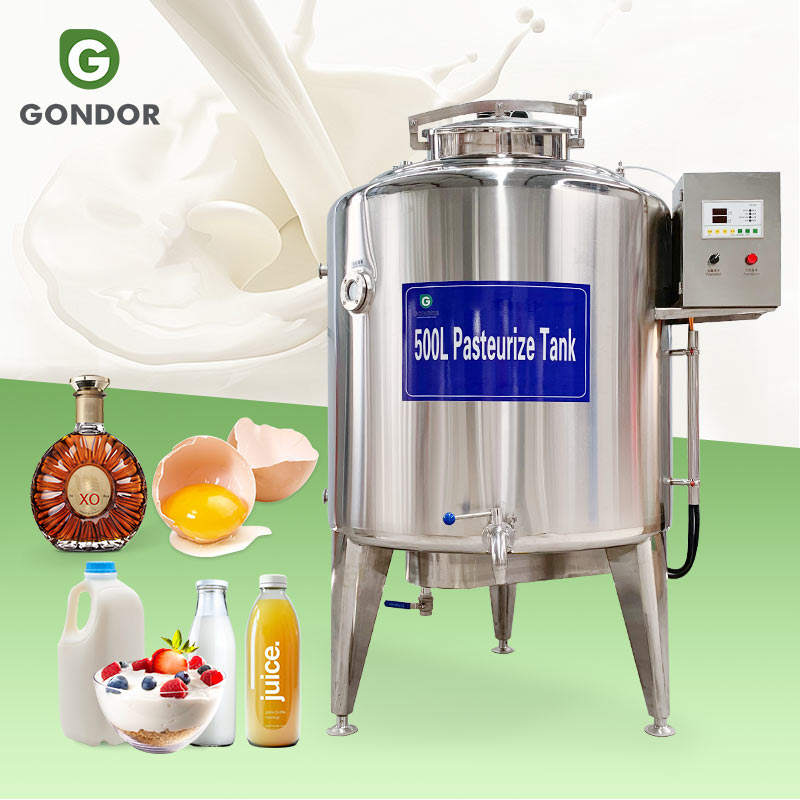
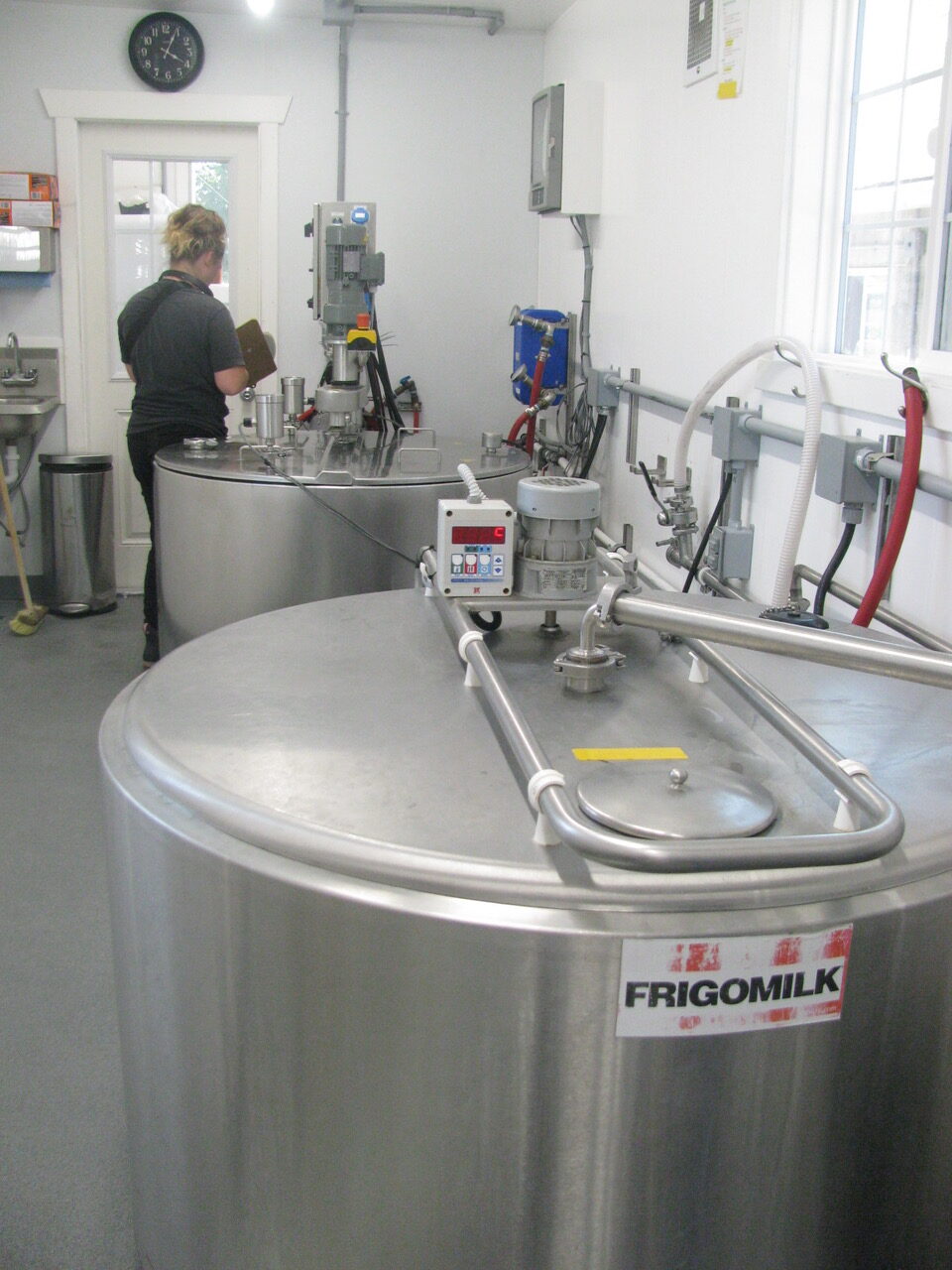
Vat pasteurization involves heating milk in a large, temperature-controlled tank called a vat. The milk is kept at 63°C (145°F)for 30 minutes, ensuring harmful bacteria are eliminated.
The slow heating preserves more of the milk’s natural qualities compared to faster methods. After heating, the milk is quickly cooled to about 4°C (39°F) to stop any further bacterial growth.
Have you noticed milk labeled as “low-temperature pasteurized” or “creamline”? That’s often vat-pasteurized milk, prized for its richer taste.
History And Development
Vat pasteurization traces back to Louis Pasteur’s work in the 1860s, where he discovered heating liquids could prevent spoilage. Early dairy farmers adopted this method to keep milk safe for longer periods.
Over the years, vat pasteurization became a standard for small dairies and artisan milk producers. It’s less common in large-scale production today but remains favored for delivering traditional, high-quality milk.
Do you think the extra time and care in vat pasteurization make a difference in what ends up in your glass? Many consumers say yes, valuing taste and freshness.
Benefits Of Vat Pasteurized Milk
Vat pasteurized milk offers several benefits that make it a preferred choice for many. This method involves heating milk at a lower temperature for a longer time. This process preserves more of the milk’s natural qualities. Let’s explore the benefits of vat pasteurized milk.
Nutrient Retention
Vat pasteurization preserves essential nutrients in milk. Important vitamins and minerals remain intact. This includes vitamins A, B12, and D. Calcium and protein levels are also well-preserved. This retention supports overall health and nutrition.
Flavor And Texture
The taste of vat pasteurized milk is rich and creamy. It maintains a natural sweetness. The texture is smooth and pleasant. This is due to the gentle heating process. Many people enjoy this authentic milk flavor.
Shelf Life
Vat pasteurized milk has a decent shelf life. It is not as long as ultra-pasteurized milk. However, it lasts long enough for regular consumption. Proper refrigeration can extend its freshness. This makes it a convenient option for daily use.
Safety Aspects
Safety is a major concern when choosing milk for your family. Vat pasteurization is a traditional method that focuses heavily on eliminating harmful bacteria while preserving milk’s natural qualities. Understanding how this process works can help you make better decisions about the milk you consume daily.
Eliminating Harmful Bacteria
Vat pasteurization heats milk to about 145°F (63°C) and holds it at that temperature for 30 minutes. This steady, moderate heat kills dangerous bacteria like Salmonella, Listeria, and E. coli without damaging the milk’s nutrients.
Unlike quick heating methods, vat pasteurization allows thorough heat penetration, ensuring all parts of the milk reach a safe temperature. Have you ever wondered why some milk tastes fresher or creamier? It might be because vat pasteurization gently kills bacteria without affecting flavor as much.
Comparison With Other Pasteurization Methods
| Pasteurization Type | Temperature | Time | Effect on Milk | Safety Level |
|---|---|---|---|---|
| Vat Pasteurization | 145°F (63°C) | 30 minutes | Preserves flavor & nutrients | Very effective |
| High-Temperature Short-Time (HTST) | 161°F (72°C) | 15 seconds | Some nutrient loss, less creamy | Effective |
| Ultra-High Temperature (UHT) | 275°F (135°C) | 2-5 seconds | Long shelf life, altered taste | Highly effective |
This table helps you see the trade-offs between safety, taste, and nutrition. Vat pasteurized milk might take longer to produce, but it keeps milk closer to its natural state.
Which do you prefer—milk with a fresher taste or milk that lasts longer on your shelf? Knowing these differences can guide you to choose the milk best suited for your health and taste preferences.
Common Uses Of Vat Pasteurized Milk
Vat pasteurized milk has many uses in daily life. It keeps milk safe by heating it slowly. This method protects the milk’s natural taste and nutrients. People use vat pasteurized milk in many ways. Its quality makes it ideal for several products and recipes.
Dairy Products
Vat pasteurized milk is common in making cheese and yogurt. It helps keep the milk fresh and clean. Many dairies prefer vat pasteurization for these products. It keeps the milk’s natural flavor intact. Butter and cream also benefit from this process. The milk’s texture and taste stay rich and smooth.
Cooking And Baking
Vat pasteurized milk works well in cooking and baking. It adds creaminess to soups and sauces. Bakers use it for cakes, breads, and pastries. The milk’s gentle heat treatment keeps recipes tasting fresh. It mixes well without changing flavor. It is perfect for dishes needing milk’s natural qualities.
Consumer Preferences
Some consumers choose vat pasteurized milk for its taste. They find it fresher than other milks. It often feels creamier and richer. People also trust it for safety and quality. Many families prefer it for everyday drinking. It appeals to those who want natural milk flavor.
Environmental Impact
Understanding the environmental impact of vat pasteurized milk helps you see beyond just the taste and safety. This method of pasteurization has its own footprint on energy use and sustainability efforts. Let’s break down what that means for your choices and the planet.
Energy Consumption
Vat pasteurization requires heating milk to a moderate temperature for a longer time compared to other methods. This means it uses energy steadily rather than in quick bursts. You might think this uses more power, but the slower heating can sometimes be more efficient depending on the equipment.
Have you ever noticed how some appliances run longer but use less energy overall? Vat pasteurization can be similar. However, older systems can waste energy, so upgrading machinery can make a big difference in reducing consumption.
Sustainability Factors
Vat pasteurized milk often comes from local dairies that focus on quality and tradition. This can reduce transportation emissions since the milk doesn’t need to travel far. Supporting local producers means you’re contributing to lower carbon footprints in the supply chain.
But sustainability isn’t just about where milk comes from; it’s also about packaging and waste. Many vat pasteurized milk producers use recyclable containers, which helps reduce landfill waste. When choosing milk, consider if the packaging is biodegradable or recyclable—small choices add up.
What if you could support milk producers who prioritize both traditional methods and green practices? Your decision to buy vat pasteurized milk can influence the industry toward more sustainable habits. Would you consider this when picking milk next time?
Credit: www.alibaba.com
Credit: www.foodsafetynews.com
Frequently Asked Questions
What Is Vat Pasteurization In Milk Processing?
Vat pasteurization heats milk at 63°C (145°F) for 30 minutes. This process kills harmful bacteria while preserving milk’s natural taste and nutrients. It is a traditional method ensuring safety without high heat.
How Does Vat Pasteurized Milk Differ From Other Types?
Vat pasteurized milk uses lower heat for longer time than ultra-pasteurization. This retains more flavor and nutrients but has a shorter shelf life. It offers a balance between safety and natural taste.
Is Vat Pasteurized Milk Safer To Drink?
Yes, vat pasteurization kills harmful pathogens, making milk safer. It reduces risk of foodborne illnesses while maintaining nutritional quality. Consumers get safe, fresh-tasting milk.
What Are The Benefits Of Vat Pasteurized Milk?
Vat pasteurized milk preserves natural flavor and nutrients better than high-heat methods. It’s safer than raw milk and often preferred for its fresh taste. It suits those wanting quality and safety.
Conclusion
Vat pasteurized milk stays fresh longer and tastes natural. It kills harmful germs without losing nutrients. This method uses low heat for a longer time. Many people prefer its smooth flavor and safety. Choosing vat pasteurized milk helps protect your health.
It’s a simple way to enjoy milk every day. Try it and notice the difference yourself. Safe, fresh, and natural—vat pasteurized milk works well.

Hi, I’m Daniel Brooks—a food lover and kitchen gear enthusiast. I enjoy testing cookware, utensils, and gadgets to see what really works in everyday cooking. At PlugChef.com, I share honest reviews, comparisons, and simple guides to help you choose the best tools for a safer, smarter, and more enjoyable kitchen.
Related posts:
 What Type of Cooking Utensils are Safe: Expert Picks
 What Innovations Could Blenders Make: Unleashing Future Tech
 Smart Strategies to Organize a Small Kitchen: Maximize Space
 How to Organize a Kitchen Cabinet: Expert Tips & Tricks
 How to Organize Kitchen Drawers: Expert Tips and Tricks
 How to Organize a Corner Kitchen Cupboard: Expert Tips

