
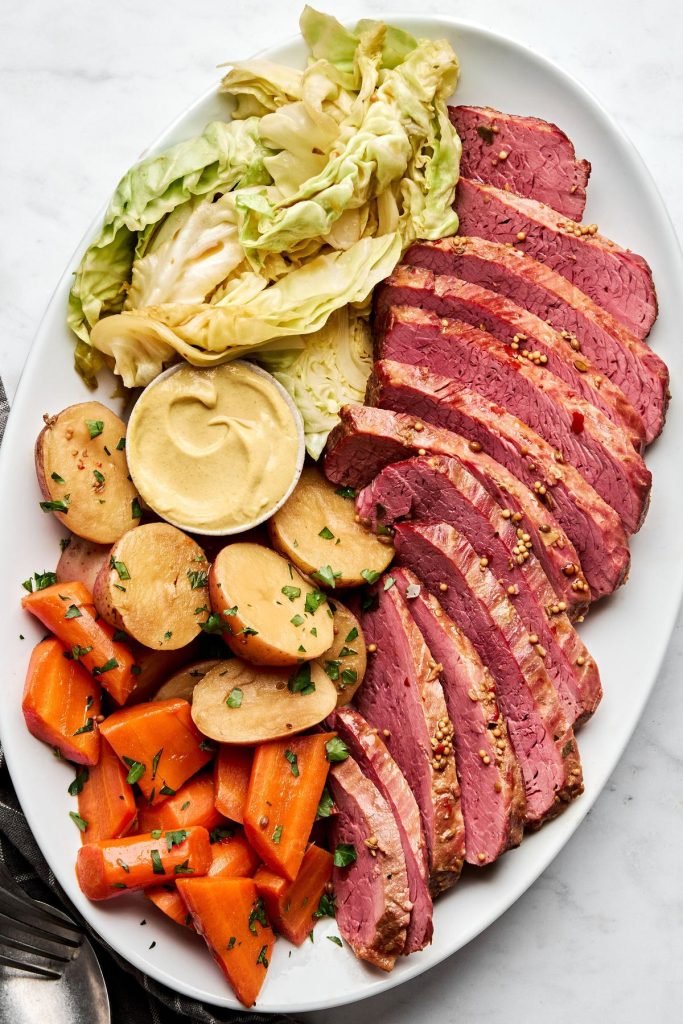
Are you ready to enjoy a delicious, tender corned beef cooked right on your stovetop? Cooking corned beef at home might seem tricky, but it doesn’t have to be.
With the right steps, you can turn a simple cut of meat into a flavorful, melt-in-your-mouth meal that your whole family will love. In this guide, you’ll discover easy tips and tricks to make your stovetop corned beef perfect every time.
Keep reading, and soon you’ll be serving up a classic dish that’s both satisfying and simple to prepare.
Choosing The Right Corned Beef
Choosing the right corned beef sets the foundation for a delicious stovetop meal. The cut and quality of the beef affect texture, flavor, and cooking time. Knowing what to pick helps avoid tough or bland results. Freshness and trusted brands also play key roles in your dish’s success.
Types Of Corned Beef Cuts
Corned beef comes in several cuts. The brisket is the most common and ideal for stovetop cooking. It has two parts:
- Flat cut – leaner and easy to slice.
- Point cut – fattier and more tender.
Other less common cuts include round or chuck. These can be tougher and need longer cooking. Choose brisket for tender, flavorful corned beef.
Selecting Freshness And Quality
Freshness matters for taste and safety. Look for beef with a bright, pinkish color. Avoid dull or gray spots. The meat should feel firm, not slimy. Check the packaging date or sell-by date. Fresh corned beef gives the best flavor and texture.
Recommended Brands
Some brands have a good reputation for quality corned beef. They use proper curing methods and fresh cuts. Trusted brands often offer consistent taste and tenderness. Choose brands known for their quality control to ensure a great stovetop corned beef experience.
Credit: www.fromvalerieskitchen.com
Preparing Corned Beef For Cooking
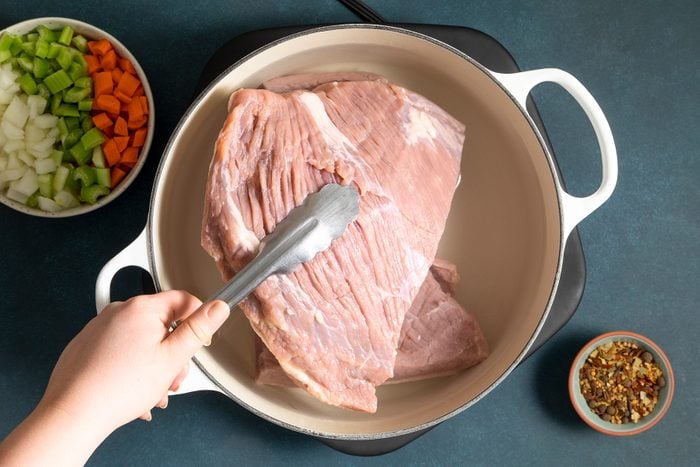
Rinse the corned beef to remove excess brine and pat it dry. Place it in a pot with water and spices for simmering. Keep the heat low to cook slowly and tenderize the meat.
Preparing Corned Beef for Cooking Cooking corned beef on the stovetop can be a rewarding endeavor, but proper preparation is key to achieving that tender, flavorful dish you crave. Before you start, it’s important to get your corned beef ready for its culinary transformation. This process involves a few essential steps that will ensure the meat absorbs flavors beautifully and cooks to perfection.Rinsing And Soaking Techniques
Corned beef often comes pre-brined, which can make it quite salty. To manage the saltiness, you can rinse the beef under cold water to remove the excess brine. Some cooks recommend soaking the beef in cold water for a few hours, changing the water periodically. This additional step can further reduce saltiness, making your dish more palatable.Trimming Excess Fat
While some fat is necessary for flavor, too much can make your corned beef greasy. Inspect the meat and use a sharp knife to trim any thick layers of fat. Leave a thin layer for moisture during cooking. This ensures a balanced texture and taste, allowing the spices and seasoning to shine through.Seasoning Tips
Corned beef usually comes with a spice packet, but don’t let that limit your creativity. Enhance the flavor by adding your own spices like bay leaves, peppercorns, and mustard seeds. You can also try adding a splash of apple cider vinegar or a hint of brown sugar for a unique twist. What seasonings would you experiment with to make the dish truly your own? Taking these preparation steps seriously can transform your cooking experience and the final dish. Each choice you make, from rinsing to seasoning, contributes to the delightful journey of cooking corned beef on the stovetop.Stovetop Cooking Methods
Cooking corned beef on the stovetop offers a range of approaches to suit your timing and taste preferences. Whether you prefer the slow, gentle simmer or a faster pressure cooking technique, each method brings out unique flavors and textures. Let’s break down some practical stovetop options that you can try at home.
Simmering In A Pot
Simmering corned beef in a pot is a classic approach that yields tender, flavorful meat. Start by placing the corned beef in a large pot and covering it with water or broth. Add spices like bay leaves, peppercorns, and mustard seeds to boost the flavor.
Keep the heat low enough that the liquid barely bubbles—this slow cooking helps break down the tough fibers without drying out the beef. You’ll want to simmer it for about 2.5 to 3 hours, checking occasionally to ensure it’s covered with liquid.
Have you noticed how slow simmering lets the beef absorb spices better? It’s a simple step that makes a big difference in taste.
Using A Slow Cooker On The Stovetop
If you have a slow cooker with a stovetop heating option, it’s a handy way to cook corned beef without constant monitoring. Place the beef inside with enough liquid and seasoning, then set the cooker to low heat.
This method mimics slow simmering but with more control over temperature. It’s perfect if you want to prepare your meal early and let it cook gently while you handle other tasks.
Try this if you value convenience but don’t want to sacrifice the tenderness and flavor of your corned beef.
Pressure Cooking Options
Pressure cooking drastically cuts down cooking time while still producing tender corned beef. Use a stovetop pressure cooker, add your beef and liquid, seal the lid, and cook under high pressure for about 60 to 90 minutes depending on the size.
This method is excellent when you’re short on time but still want a hearty, well-cooked meal. Just be sure to release the pressure carefully to avoid losing moisture.
Have you tried pressure cooking corned beef yet? It might change how you think about quick stovetop meals.
Step-by-step Cooking Process
Cooking corned beef on the stovetop can seem straightforward, but the details make all the difference in flavor and tenderness. Paying close attention to each part of the process ensures your corned beef turns out juicy and perfectly cooked. Let’s break down the key steps you’ll follow to get the best results every time.
Boiling Water And Adding Spices
Start by filling a large pot with enough water to fully cover the corned beef. Bring it to a boil before adding the meat to help lock in flavor and prevent it from becoming tough.
Next, add the spices that came with your corned beef or your own blend. Common additions include bay leaves, peppercorns, mustard seeds, and cloves. These spices infuse the meat during cooking, so don’t skip this step.
If you want extra flavor, consider tossing in aromatics like garlic cloves, onions, or a few slices of ginger. Have you ever tried adding a cinnamon stick? It adds a subtle, warming note that surprises your taste buds.
Cooking Time And Temperature
Once the water returns to a gentle boil, lower the heat to maintain a steady simmer. Boiling aggressively can make the meat tough and dry.
Cooking time usually ranges from 2.5 to 3 hours for a 3-pound brisket. If your cut is larger, add more time accordingly. Remember, slow and steady wins here.
Keep the pot partially covered to let some steam escape and avoid overflow. It’s a simple trick that helps maintain the right moisture level in the pot.
Checking For Tenderness
After the minimum cooking time, test the corned beef for tenderness using a fork or skewer. It should slide in easily without resistance.
If it feels firm, continue simmering and check every 15 minutes. The texture changes gradually, so patience is key.
Once tender, remove the corned beef from the pot and let it rest for 10 minutes before slicing. Resting helps redistribute the juices and keeps each bite moist.
Adding Vegetables And Sides
Adding vegetables and sides to your stovetop corned beef not only boosts flavor but creates a balanced meal. Choosing the right vegetables and knowing when to add them can make a big difference in taste and texture. Let’s dig into which veggies work best, the perfect timing, and how to cook them just right.
Best Vegetables To Pair
Classic vegetables like cabbage, carrots, and potatoes complement corned beef beautifully. Each brings a unique texture and flavor that enhances the dish without overpowering it.
- Cabbage:Adds a mild crunch and sweetness.
- Carrots:Offer a subtle sweetness and vibrant color.
- Potatoes:Provide heartiness and soak up the savory broth.
- Onions:Give a slight sharpness and depth.
- Parsnips or turnips:Add earthiness if you want to try something different.
Have you ever tried adding a handful of green beans or peas near the end of cooking for a fresh pop? It’s worth experimenting with to brighten your plate.
When To Add Vegetables
Timing is crucial to avoid mushy or undercooked vegetables. Root vegetables like carrots and potatoes need more time, so add them earlier in the cooking process.
Cabbage and leafy vegetables cook quickly and should go in during the last 20–30 minutes. Onions can be added early to soften and meld with the broth.
Think about your preferred vegetable texture. Do you like them tender or with a bit of bite? Adjust the timing accordingly to get your perfect balance.
Cooking Vegetables To Perfection
Keep an eye on the pot as vegetables near doneness. Use a fork to test tenderness, especially with potatoes and carrots.
To avoid overcooking, remove vegetables as soon as they reach your desired texture and keep them warm on the side. This prevents them from turning mushy while the corned beef finishes.
Adding a pinch of salt or a splash of the cooking broth to the vegetables after cooking can enhance their flavor even more. Have you tried tossing your veggies in fresh herbs like parsley or thyme right before serving? It adds a fresh, aromatic touch that balances the richness of corned beef.
Credit: www.tasteofhome.com
Serving And Storing Corned Beef
Serving and storing corned beef properly can make all the difference in enjoying your stovetop-cooked meal to the fullest. How you slice it affects both texture and flavor, while smart serving ideas can elevate the dish beyond the basics. And knowing the right way to store leftovers ensures you keep that delicious taste without waste.
Slicing Techniques
Always slice corned beef against the grain. This means cutting perpendicular to the long muscle fibers, which makes the meat tender and easier to chew.
Use a sharp knife and cut thin slices, about 1/8 inch thick. Thick slices can feel tough and chewy, while thin slices melt in your mouth.
If you’re unsure about the grain direction, look closely at the meat’s texture before slicing. It’s a small step that improves your eating experience dramatically.
Serving Suggestions
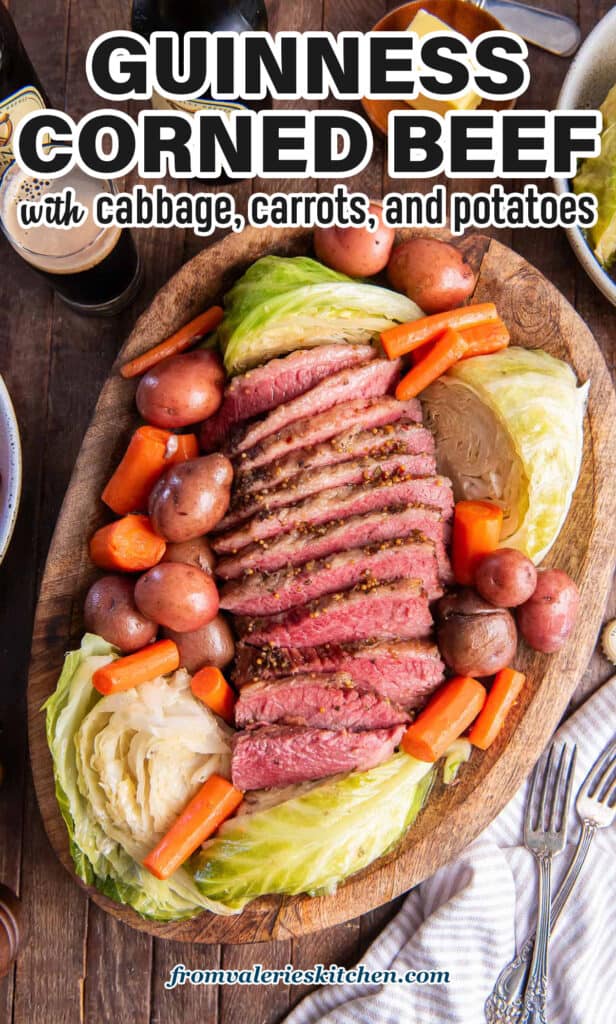
Corned beef pairs wonderfully with classic sides like cabbage, potatoes, and carrots. But why stop there? Try serving it with mustard and rye bread for a simple, tasty sandwich.
For a twist, add corned beef to scrambled eggs or toss it into a hearty stew. This not only uses leftovers creatively but also offers new flavors to enjoy.
Are you making this for a crowd? Consider a buffet-style setup with various toppings and sides so guests can customize their plates.
Storing Leftovers Safely
Let your corned beef cool to room temperature before storing to prevent condensation and sogginess. Wrap it tightly in foil or place it in an airtight container.
Store leftovers in the refrigerator for up to 4 days. For longer storage, freeze the beef in portions, wrapped well to avoid freezer burn.
When reheating, add a splash of broth or water and cover the dish to keep the meat moist. This keeps your leftovers tasting fresh and juicy.
Troubleshooting Common Issues
Cooking corned beef on the stovetop can sometimes lead to unexpected challenges. Even with careful preparation, issues like tough meat, overcooking, or excess saltiness can arise. Knowing how to troubleshoot these problems can help you turn your corned beef into a tender, flavorful dish every time.
Avoiding Tough Meat
Tough corned beef usually means it hasn’t cooked long enough or the heat was too high. Slow simmering at a low temperature breaks down the connective tissues, making the meat tender. If you notice your beef feels chewy, try cooking it longer on low heat and avoid boiling it vigorously.
Also, cutting against the grain is crucial when slicing your corned beef. It shortens the muscle fibers, making each bite easier to chew. Have you tried checking the grain direction before slicing?
Fixing Overcooked Corned Beef
Overcooked corned beef can become dry and stringy, but don’t toss it out just yet. Slice it thinly and use it in soups, stews, or sandwiches where the broth or sauce adds moisture back. Adding a bit of mustard or a tangy sauce can also help mask dryness.
If you catch it early, reducing the cooking time next time and keeping an eye on the texture will prevent this issue. Do you usually test your meat with a fork during cooking?
Handling Excess Saltiness
Sometimes, corned beef can end up too salty, especially if you don’t rinse it well before cooking. Rinsing the meat under cold water for a minute before simmering helps remove some of the brine’s salt. If saltiness remains, balancing it with starchy sides like potatoes or adding unsalted vegetables during cooking can help.
Another trick is to add a bit of sugar or a splash of vinegar to the cooking liquid to soften the salty taste. What sides do you usually serve with your corned beef to complement its flavors?

Credit: happymoneysaver.com
Frequently Asked Questions
How Long To Cook Corned Beef On Stovetop?
Corned beef usually takes 2. 5 to 3 hours simmering on low heat. Cooking time depends on meat size and tenderness. Use a fork to test softness. Avoid boiling to keep meat tender and juicy.
What Liquid Is Best For Stovetop Corned Beef?
Water or beef broth works best for cooking corned beef. Adding spices or a bay leaf enhances flavor. Avoid acidic liquids to prevent toughening the meat. Keep the beef fully submerged during cooking.
Should I Cover Corned Beef While Cooking Stovetop?
Yes, always cover the pot while cooking corned beef. This traps steam and helps the meat cook evenly. It prevents moisture loss, keeping the beef tender and flavorful. Check occasionally to maintain a gentle simmer.
Can I Add Vegetables During Stovetop Corned Beef Cooking?
Add vegetables like potatoes, carrots, and cabbage in the last 30-45 minutes. This prevents overcooking and mushy texture. Cut veggies into large chunks for even cooking. Adding them too early can make them soggy.
Conclusion
Cooking corned beef on the stovetop is simple and rewarding. It takes time but needs little effort. You get tender, flavorful meat every time. Use basic ingredients and follow the steps carefully. Serve with your favorite sides for a complete meal.
This method suits both beginners and experienced cooks. Enjoy a classic dish made fresh at home. Try it today and taste the difference. Easy, tasty, and satisfying.

Hi, I’m Daniel Brooks—a food lover and kitchen gear enthusiast. I enjoy testing cookware, utensils, and gadgets to see what really works in everyday cooking. At PlugChef.com, I share honest reviews, comparisons, and simple guides to help you choose the best tools for a safer, smarter, and more enjoyable kitchen.
Related posts:
 What Type of Cooking Utensils are Safe: Expert Picks
 What Innovations Could Blenders Make: Unleashing Future Tech
 Smart Strategies to Organize a Small Kitchen: Maximize Space
 How to Organize a Kitchen Cabinet: Expert Tips & Tricks
 How to Organize Kitchen Drawers: Expert Tips and Tricks
 How to Organize a Corner Kitchen Cupboard: Expert Tips

