
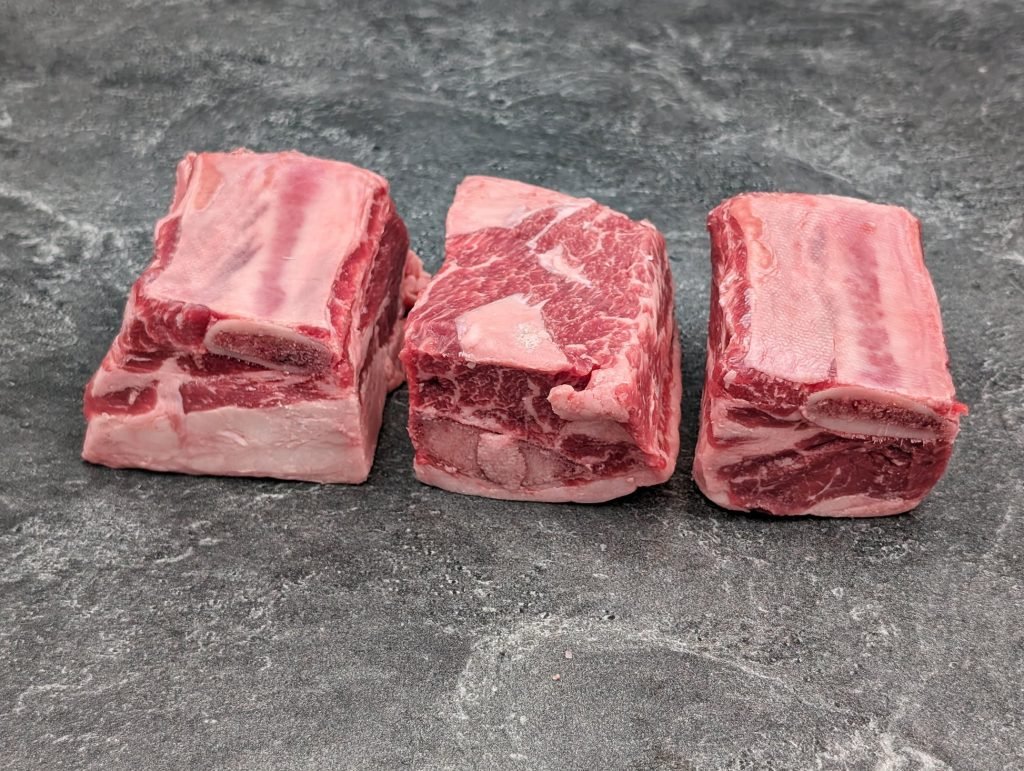
If you love rich, tender meat that melts in your mouth, beef short ribs English cut are about to become your new favorite. These ribs are packed with flavor and perfect for slow cooking or grilling.
Whether you’re a seasoned cook or just starting out, understanding how to choose, prepare, and enjoy English cut short ribs will take your meals to the next level. Ready to impress your family or friends with a delicious, hearty dish?
Keep reading to discover everything you need to know about beef short ribs English cut.

Credit: boudreaumeat.ca
Choosing The Right Cut
Choosing the right cut of beef short ribs can make a big difference in taste and cooking style. Each cut offers unique textures and flavors. Understanding these differences helps in selecting the best ribs for your recipe. Quality also plays a key role in how tender and juicy the ribs turn out. Knowing what to look for ensures a satisfying meal every time.
Differences Between English And Flanken Cuts
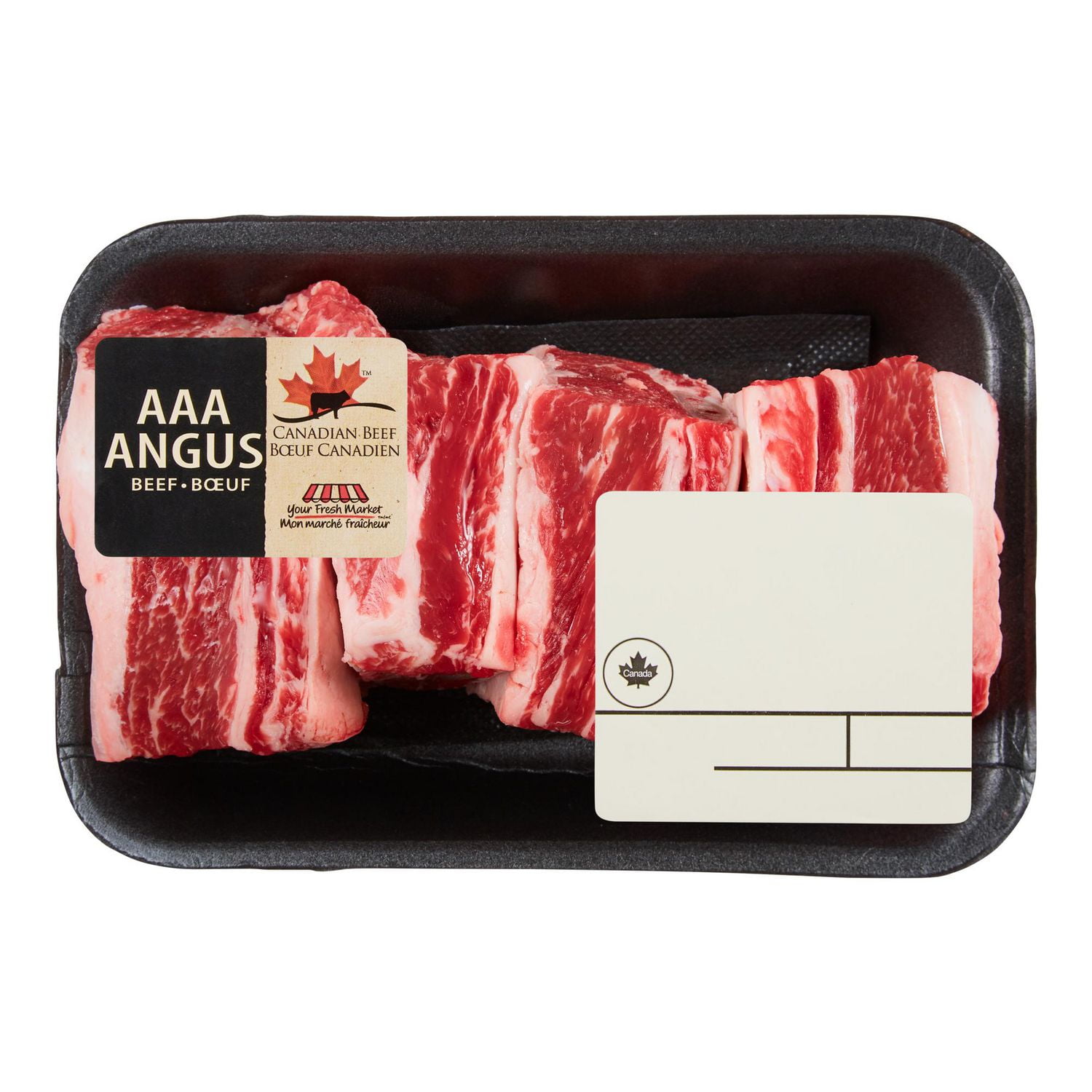
English cut ribs are thick and cut parallel to the bone. They usually have one large bone per piece and more meat. This cut works well for slow cooking and braising.
Flanken cut ribs are thin slices cut across the bones. They contain several small bones in each piece. Flanken cuts are great for grilling and quick cooking.
Choosing between these cuts depends on your cooking method and dish type. English cut offers a hearty, rich bite. Flanken cut cooks faster and is ideal for barbecues.
What To Look For In Quality Short Ribs
- Color: Bright red meat signals freshness.
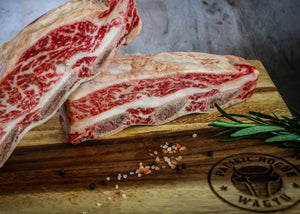
- Marbling: Look for thin white fat streaks for flavor and tenderness.
- Bone: Should be clean and firm, not dry or cracked.
- Thickness: Even thickness helps in cooking ribs evenly.
- Smell: Fresh ribs have a mild, meaty scent without any sour odor.
Good quality ribs enhance the taste and texture of your dish. They cook evenly and stay juicy. Always choose ribs that look fresh and have good fat distribution.
Preparing Beef Short Ribs
Beef short ribs English cut are thick and meaty, perfect for slow cooking. Season well and cook slowly to make them tender and flavorful. This cut works great for braising or roasting.
Preparing Beef Short Ribs The journey to perfect beef short ribs begins with thoughtful preparation. This ensures they are not only tender but also bursting with flavor. Whether you’re a seasoned chef or a home cook, mastering the basics of trimming, seasoning, and marinating can elevate your dish to new heights.Trimming And Seasoning Tips
The first step is to trim any excess fat from your ribs. Leaving a bit of fat is essential for flavor, but too much can make the dish greasy. A sharp knife will help you achieve clean cuts without tearing the meat. Once trimmed, it’s time to season. Use a generous amount of salt and pepper to enhance the natural flavors. Don’t shy away from experimenting with other spices like garlic powder or smoked paprika for an added kick.Marinating For Maximum Flavor
Marinating is key to infusing your ribs with flavor. A simple marinade of soy sauce, garlic, and a touch of honey can work wonders. Allow your ribs to soak overnight in the refrigerator for the best results. Think about using a ziplock bag for marinating. It ensures an even distribution of flavors and saves space in your fridge. Have you ever noticed how a well-marinated rib just melts in your mouth? This is the magic of giving your ribs the time they need to absorb every drop of deliciousness. How do you ensure your short ribs are the star of your dinner table? It all starts with preparation. Each step is an opportunity to add depth and character to your dish.Cooking Techniques For Tenderness
Beef short ribs English cut need careful cooking to become tender. The meat is rich and flavorful but can be tough without the right approach. Slow cooking breaks down the connective tissues, making the ribs soft and juicy. Different cooking methods can bring out the best texture and taste.
Slow Braising Methods
Braising uses low heat and moisture to cook ribs slowly. Start by browning the ribs in a hot pan. Then place them in a pot with broth, wine, or vegetables. Cover and cook on low heat for several hours. This melts the fat and softens the meat. The result is tender ribs that fall off the bone.
Oven Roasting Tips
Oven roasting can make ribs tender if done right. Preheat the oven to a low temperature, around 275°F (135°C). Season the ribs well and place them in a roasting pan. Cover the pan with foil to keep moisture inside. Roast the ribs slowly for 3 to 4 hours. This slow heat helps break down tough fibers and keeps the ribs juicy.
Grilling And Smoking Options
Grilling and smoking add rich flavor to beef short ribs. Use indirect heat on the grill to cook ribs slowly. Keep the temperature around 225°F to 250°F (107°C to 121°C). Smoke the ribs with wood chips like hickory or oak for extra taste. Cook for several hours until the meat is tender. Turn the ribs occasionally to cook evenly.
Credit: www.walmart.ca
Flavor Enhancements
Enhancing the flavor of Beef Short Ribs English Cut transforms the dish into a rich and savory delight. Careful selection of herbs, spices, sauces, and glazes can deepen the natural taste. These enhancements create layers of flavor that complement the tender meat. Small changes make a big impact on the final dish.
Choosing The Right Herbs And Spices
Herbs and spices add aroma and complexity to beef short ribs. Fresh herbs like rosemary, thyme, and parsley work well. They bring a fragrant, earthy note that balances the meat’s richness.
Spices such as black pepper, garlic powder, and smoked paprika introduce warmth and depth. Use them in rubs or marinades to penetrate the meat. A pinch of chili flakes can add a gentle heat without overpowering the flavor.
- Rosemary for piney, fresh aroma
- Thyme for subtle earthiness
- Smoked paprika for smoky warmth
- Black pepper for sharp bite
- Garlic powder for savory depth
Using Sauces And Glazes
Sauces and glazes coat the ribs, adding moisture and shine. A rich barbecue sauce enhances sweetness and tang. Soy sauce-based marinades bring salty umami notes that boost the beef’s flavor.
Glazes made with honey, brown sugar, or balsamic vinegar add a sticky, caramelized crust. Apply them near the end of cooking to avoid burning. This final touch creates a beautiful finish and mouthwatering taste.
- Barbecue sauce for sweet and smoky flavor
- Soy sauce for savory umami boost
- Honey glaze for caramelized sweetness
- Balsamic vinegar glaze for tangy richness
Serving Suggestions
Serving beef short ribs English cut offers a rich and hearty meal. The meat is tender and full of flavor. Perfect pairings and presentation make the dish even more enjoyable. Thoughtful serving suggestions enhance the dining experience and impress guests.
Side Dishes That Complement Beef Short Ribs
Choose sides that balance the richness of the ribs. Creamy mashed potatoes add a smooth texture. Roasted vegetables bring color and earthiness. A fresh green salad offers a light contrast. Garlic bread or dinner rolls help soak up sauces. Pick simple sides to keep the focus on the ribs.
- Creamy mashed potatoes
- Roasted carrots and Brussels sprouts
- Steamed green beans with lemon
- Fresh garden salad
- Warm garlic bread
Plating Ideas For A Stunning Presentation
Presentation makes meals feel special. Use large white plates for a clean look. Place the ribs in the center with sides arranged neatly. Spoon sauce over the ribs for shine and flavor. Garnish with fresh herbs like parsley or thyme. Add a small bowl of extra sauce on the side. Keep the plating simple and inviting.
Common Mistakes To Avoid
Cooking Beef Short Ribs English Cut perfectly takes practice. Many cooks make simple mistakes that spoil flavor and texture. Avoiding these errors helps create tender, juicy ribs every time.
Overcooking And Undercooking
Overcooking dries out the meat and makes it tough. Undercooking leaves the ribs chewy and hard to eat. Aim for slow, steady heat to break down the connective tissue. Use a meat thermometer to check for the right temperature. Proper cooking time varies by thickness and method.
Skipping Resting Time
Resting allows the juices to redistribute inside the meat. Cutting ribs right after cooking causes juice loss and dryness. Let the ribs rest covered for at least 10 minutes. This step improves flavor and tenderness significantly.
Credit: www.pacificroguewagyu.com
Frequently Asked Questions
What Is Beef Short Ribs English Cut?
Beef short ribs English cut are thick, rectangular pieces cut parallel to the bone. They contain one long bone per piece. This cut is ideal for braising or slow cooking, resulting in tender, flavorful meat with rich marbling.
How Do You Cook English Cut Short Ribs?
English cut short ribs are best cooked low and slow. Braising or slow roasting breaks down collagen, making meat tender. Cooking times vary but usually take 2-3 hours. This method enhances flavor and ensures juicy, melt-in-your-mouth texture.
What’s The Difference Between English And Flanken Cut Ribs?
English cut ribs are thick, with a single bone per piece. Flanken cut ribs are thin, cut across the bones with multiple small bones. English cuts suit slow cooking; flanken cuts are great for grilling or quick cooking methods.
Are English Cut Short Ribs Good For Grilling?
English cut short ribs are less ideal for grilling due to thickness. They need longer cooking times to become tender. However, they can be grilled if pre-cooked by braising or slow roasting first. This ensures tenderness and full flavor.
Conclusion
Beef short ribs English cut offer rich flavor and tender meat. They cook well slow and low, making them perfect for hearty meals. Simple seasoning lets the natural taste shine through. These ribs fit many recipes, from stews to grills.
Try them soon to enjoy a tasty, satisfying dish. Great for family dinners or special occasions alike. You won’t regret adding these ribs to your cooking. A delicious choice that brings comfort and joy to the table.

Hi, I’m Daniel Brooks—a food lover and kitchen gear enthusiast. I enjoy testing cookware, utensils, and gadgets to see what really works in everyday cooking. At PlugChef.com, I share honest reviews, comparisons, and simple guides to help you choose the best tools for a safer, smarter, and more enjoyable kitchen.
Related posts:
 What Type of Cooking Utensils are Safe: Expert Picks
 What Innovations Could Blenders Make: Unleashing Future Tech
 Smart Strategies to Organize a Small Kitchen: Maximize Space
 How to Organize a Kitchen Cabinet: Expert Tips & Tricks
 How to Organize Kitchen Drawers: Expert Tips and Tricks
 How to Organize a Corner Kitchen Cupboard: Expert Tips

