
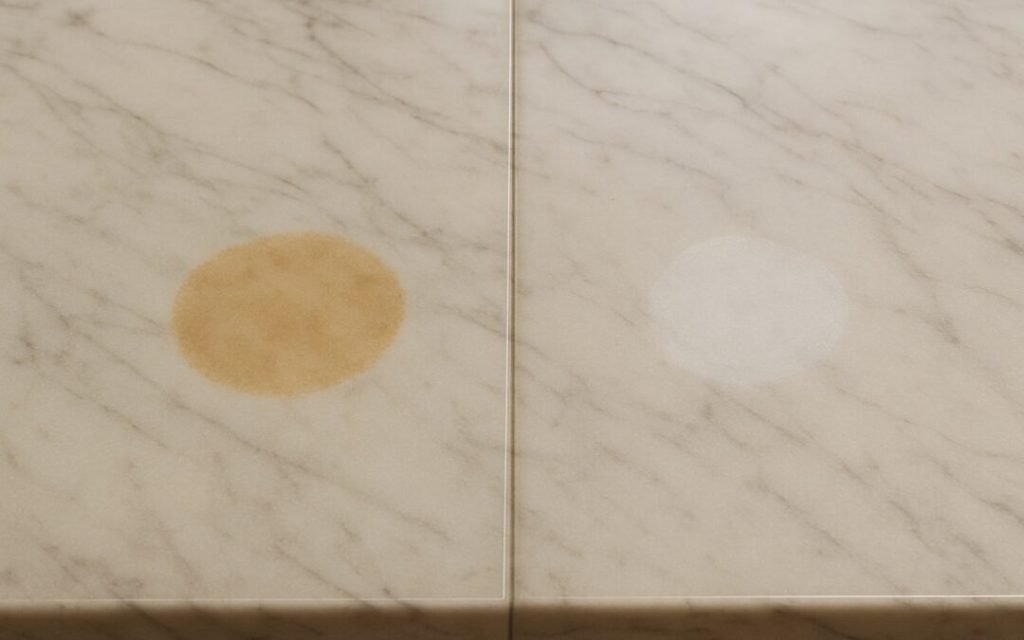
Have you ever noticed dull spots or tiny marks on your beautiful marble surfaces and wondered what caused them? These marks are often the result of something called etching.
Understanding what etching in marble means can save you from frustration and costly repairs. You’ll discover exactly how etching happens, why it affects your marble, and simple steps you can take to protect and restore your prized surfaces. Keep reading to learn how to keep your marble looking flawless for years to come.

Credit: www.washingtonpost.com
Etching In Marble
Etching in marble is a common issue that many homeowners and designers face. It happens when acidic substances come into contact with the marble surface, causing visible marks or dull spots. Understanding what etching is and how it affects your marble can help you protect and maintain its natural beauty.
What Happens During Etching
Etching occurs when acids react with the calcium carbonate in marble. Common household items like lemon juice, vinegar, or even some cleaning products can trigger this reaction.
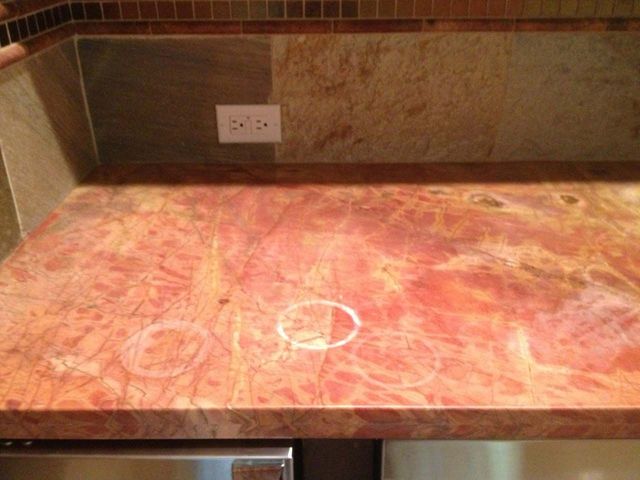
The acid eats away at the surface, leaving behind tiny pits or dull spots instead of stains. These marks often look like water rings or cloudy patches and can be tricky to remove.
Even a small spill that isn’t wiped up quickly can start the etching process. This means you need to be cautious about what touches your marble and how fast you clean it up.
How Etching Affects Marble Surface
Etching changes the smooth, polished finish of marble into a rougher, uneven texture. This not only affects the appearance but also makes the surface more vulnerable to future damage.
Since etching removes some of the surface’s shine, your marble can look dull and aged over time. You might notice these etched spots stand out more under certain lights or angles.
Once etched, the surface can be restored, but it often requires professional polishing. Would you rather prevent etching or deal with costly repairs later? Taking care of marble means being mindful of what touches it every day.

Credit: www.reddit.com
Common Causes Of Etching
Etching in marble happens when acids touch its surface, causing dull spots or marks. Common causes include acidic foods, drinks, and cleaning products. Even lemon juice or vinegar can damage marble easily.
Understanding the common causes of etching in marble can help you better protect and maintain this elegant material. Etching, which results in dull spots on the marble surface, often surprises many homeowners. But it doesn’t have to be a mystery. By identifying the usual culprits, you can take actionable steps to preserve your marble’s beauty.Acidic Substances And Spills
Acidic substances are the primary enemy of marble surfaces. Lemon juice, vinegar, and wine can leave noticeable marks. Even a small spill can result in significant etching if not cleaned immediately. Consider this: a single drop of lemon juice may seem harmless, yet it can leave a permanent mark if left unattended.Environmental Factors
Environmental elements can also play a role in etching. Humid conditions can increase the risk of chemical reactions with the marble. Additionally, dust and pollutants in the air may settle on surfaces and react over time. Are you living in a coastal area? The salty air might be an unexpected contributor to your marble woes.Improper Cleaning Methods
Using the wrong cleaning methods is another major cause of etching. Many cleaning agents contain acids or harsh chemicals that are not marble-friendly. Regular household cleaners may promise a sparkling finish but can lead to more harm than good. Have you checked the ingredients of your cleaning products recently? Opt for marble-specific cleaners to ensure safety. Protecting your marble from etching involves understanding these common causes. With a few simple changes, you can enjoy your marble surfaces for years to come. Which of these factors have you overlooked in your own home?Preventing Marble Etching
Preventing marble etching is essential to keep your marble surfaces looking pristine and beautiful. Etching can dull the shine and leave permanent marks if not addressed early. Taking proactive steps can save you time and money on repairs later.
Using Sealants And Protective Coatings
Applying a high-quality sealant creates a barrier that helps protect marble from acidic substances. Sealants don’t make marble completely etch-proof, but they reduce the chance of damage. Reapply sealants every 6 to 12 months depending on usage and product instructions.
Protective coatings add an extra layer of defense by making the surface more resistant to stains and etching. Some coatings are specially formulated for marble and enhance its shine while providing protection. Have you checked if your marble already has a coating? If not, consider consulting a professional for the best options.
Safe Cleaning Practices
Cleaning marble with harsh or acidic cleaners accelerates etching. Always use pH-neutral or specially formulated marble cleaners to avoid damage. Avoid vinegar, lemon juice, or ammonia-based products even if they seem effective for other surfaces.
Use a soft cloth or sponge to clean spills immediately before they have a chance to etch the stone. For stubborn spots, dab gently instead of scrubbing hard. Have you noticed how quickly marble absorbs liquids? Acting fast can make all the difference.
Handling And Usage Tips
Placing coasters under glasses and trivets under hot dishes prevents direct contact with marble surfaces. Acidic drinks like wine or soda can cause etching if left on marble too long. Simple habits like wiping spills immediately protect your investment.
When moving heavy objects, lift instead of dragging to avoid scratches that make etching more visible. You might not think about it, but even your daily routines affect marble’s longevity. How often do you pause to care for your marble surfaces?
Restoring Etched Marble
Restoring etched marble is essential to bring back its natural shine and smoothness after surface damage caused by acids or harsh cleaners. The process can be straightforward or complex, depending on the severity of the etching. Knowing how to approach restoration helps you decide whether to tackle it yourself or call in experts.
Diy Restoration Techniques
You can start by using a marble polishing powder, which gently removes the etched layer without damaging the stone beneath. Apply the powder with a damp cloth or a low-speed buffer, rubbing in small circular motions. Rinse thoroughly and dry to see if the etch marks have faded.
For minor etching, a mixture of baking soda and water can also help. Make a thick paste, spread it on the affected area, cover with plastic wrap, and let it sit overnight. Wipe off and rinse carefully the next day.
Be cautious with DIY methods; test a small hidden spot first to avoid worsening the damage. Are you willing to invest time in careful restoration, or does your marble need a faster fix?
Professional Restoration Services
If etching is deep or widespread, professional restoration is often the best choice. Experts use specialized grinding and polishing tools that can remove several layers of marble to restore a flawless surface. This service also includes sealing the marble to protect it from future etching.
Professional restorers assess the condition of your marble and recommend the best treatment plan. They can also handle complicated situations like cracks or stains that often accompany etching damage.
Consider the cost and time involved versus the value of your marble surface. Sometimes, professional care is a worthwhile investment to preserve your home’s elegance.
Maintenance After Restoration
After restoring your marble, protecting it is key to prevent new etch marks. Use pH-neutral cleaners specifically designed for marble and avoid acidic substances like vinegar or lemon juice on the surface.
Regularly sealing the marble helps create a barrier against spills and acids. You can apply a marble sealer every 6 to 12 months depending on use and wear.
Have you noticed how small daily habits impact the longevity of your marble? Simple changes like wiping up spills immediately can save you from future restoration hassles.
Credit: www.marblerepairmarblepolishing.com
Frequently Asked Questions
What Causes Etching In Marble Surfaces?
Etching occurs when acidic substances, like lemon juice or vinegar, react with marble’s calcium carbonate. This reaction dulls or corrodes the surface, leaving noticeable marks or pits.
How Can I Prevent Etching On Marble Countertops?
Use coasters and cutting boards to avoid direct acid contact. Clean spills immediately with a neutral pH cleaner to protect marble from etching.
Can Etching Be Removed From Marble?
Yes, light etching can be polished out using marble polishing powders or professional refinishing. Deep etching may require expert restoration for best results.
Is Etching Different From Staining On Marble?
Yes, etching is surface corrosion caused by acid, while staining involves color absorption from liquids. Both affect marble but require different treatments.
Conclusion
Etching in marble happens when acids react with its surface. This causes dull spots or marks that change its look. Knowing what etching is helps you care for marble better. Use gentle cleaners and avoid acidic substances on marble. Quick cleaning can stop etching from getting worse.
Marble stays beautiful with simple, careful steps. Understanding etching means you protect your marble’s shine longer. Keep your marble surfaces smooth and bright by acting fast. Small efforts make a big difference in marble care.

Hi, I’m Daniel Brooks—a food lover and kitchen gear enthusiast. I enjoy testing cookware, utensils, and gadgets to see what really works in everyday cooking. At PlugChef.com, I share honest reviews, comparisons, and simple guides to help you choose the best tools for a safer, smarter, and more enjoyable kitchen.
Related posts:
 What Type of Cooking Utensils are Safe: Expert Picks
 What Innovations Could Blenders Make: Unleashing Future Tech
 Smart Strategies to Organize a Small Kitchen: Maximize Space
 How to Organize a Kitchen Cabinet: Expert Tips & Tricks
 How to Organize Kitchen Drawers: Expert Tips and Tricks
 How to Organize a Corner Kitchen Cupboard: Expert Tips

