
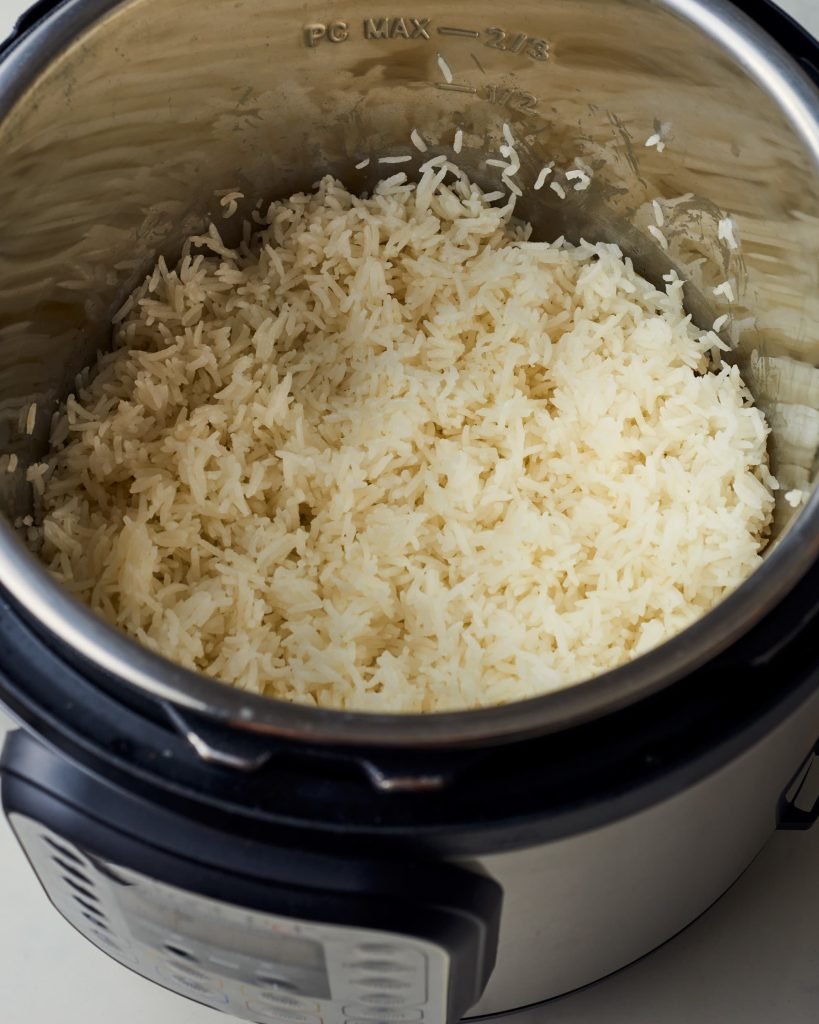
Are you tired of the hassle that comes with cooking rice perfectly every time? You’re not alone.
Many find the process tricky, often ending up with rice that’s either too mushy or undercooked. But what if there was a way to consistently achieve fluffy, delicious rice without the guesswork? Enter the electric pressure cooker, your new kitchen ally.
This modern marvel can transform your rice-cooking routine, saving you time and ensuring perfect results. In this guide, you’ll discover simple, step-by-step instructions to master rice cooking in your electric pressure cooker. Imagine impressing your family and friends with your culinary skills without breaking a sweat. Dive in, and let’s unlock the secret to effortless, perfect rice every time.
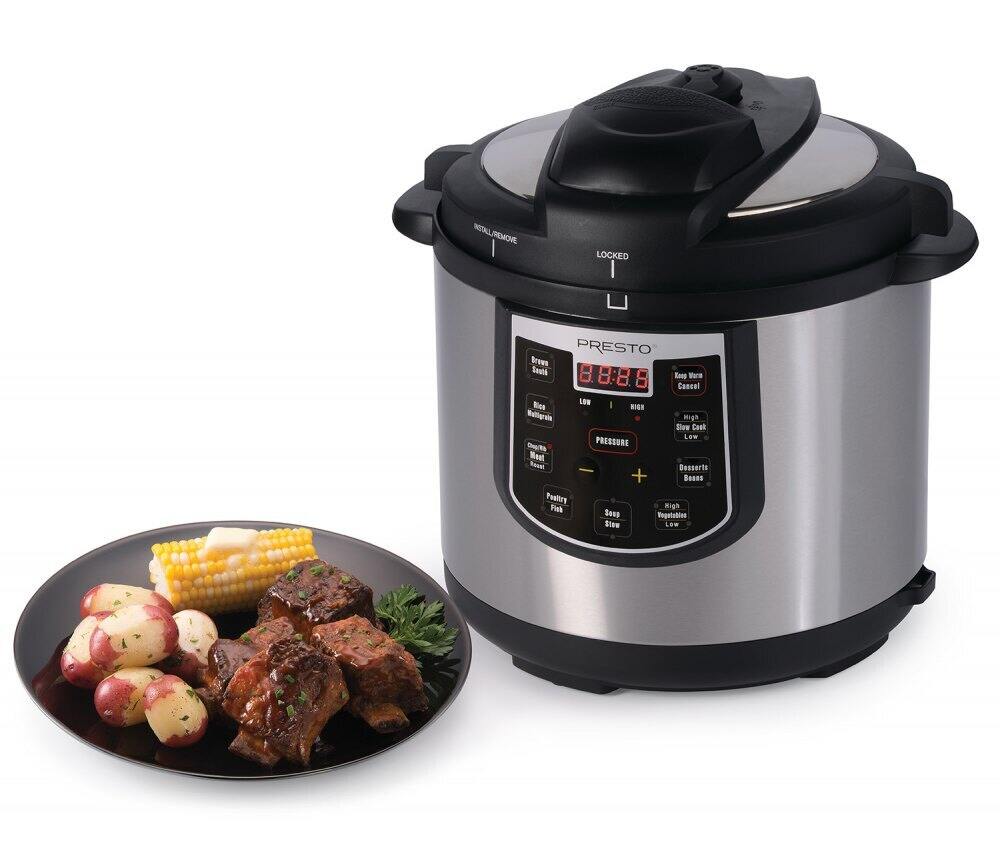
Credit: www.gopresto.com
Choosing The Right Rice
Cooking rice in an electric pressure cooker requires choosing the right type. Opt for long-grain or basmati for fluffy results. Short-grain rice like sushi rice works well for sticky textures. Adjust cooking time based on rice type for perfect results every time.
Choosing the right rice can make a significant difference when cooking rice in an electric pressure cooker. The type and quality of rice you choose can affect both the texture and flavor of your dish. With so many options available, how do you decide which rice is best for your needs?Types Of Rice
Rice comes in various types, each offering unique characteristics. Long-grain rice, like basmati or jasmine, cooks up light and fluffy, making it ideal for dishes where separate grains are preferred. Medium-grain rice, such as arborio, is perfect for creamy risottos due to its starch content. Short-grain rice, often used in sushi, is sticky and chewy, holding together well. Have you ever considered trying black or red rice? They add a nutty flavor and vibrant color to your meal, providing both taste and visual appeal. Experimenting with different types can transform a simple meal into an exciting culinary experience.Rice Quality Considerations
Choosing high-quality rice ensures consistency and flavor. Look for rice with minimal broken grains, as these can lead to uneven cooking. Organic rice is often less processed, retaining more nutrients and natural flavor. Check the packaging date for freshness. Older rice might not cook as evenly, resulting in a less desirable texture. Investing in good quality rice can enhance your cooking experience and deliver delicious results every time. Take a moment to consider: have you ever noticed the difference in taste and texture when using premium versus budget rice? Quality truly matters and can elevate even the simplest dish.
Credit: m.youtube.com
Preparing The Rice
Cooking rice in an electric pressure cooker ensures a quick, efficient process. Measure rice and water in the pot, seal the lid, and set the timer. Fluffy, perfectly cooked rice is ready in minutes.
Preparing rice in an electric pressure cooker can be simple. Proper preparation ensures perfect rice every time. Before starting, focus on cleaning and measuring. These steps are crucial for success. Let’s dive into the details.Washing And Rinsing
Washing rice removes excess starch and impurities. Place the rice in a large bowl. Fill the bowl with cold water. Gently swirl the rice with your fingers. This helps loosen dirt and starch. Pour out the cloudy water carefully. Repeat this process two or three times. Stop when the water runs clear. Clean rice cooks evenly and tastes better.Measuring Rice And Water
Accurate measurements ensure perfect rice texture. Use a standard measuring cup for rice. For most types, use a 1:1.25 ratio. That means one cup of rice to 1.25 cups of water. Adjust the water for different rice types. For example, brown rice needs more water. Always check your pressure cooker’s instructions. They may suggest specific ratios. Proper measurements prevent mushy or dry rice.Setting Up The Electric Pressure Cooker
Cooking rice perfectly every time is easy with an electric pressure cooker. Before starting, setting up your cooker correctly is essential. This ensures safety and optimal performance. Let’s dive into the setup process.
Understanding Cooker Functions
Electric pressure cookers come with various functions. These functions control heat, time, and pressure levels. Familiarize yourself with each setting. Look for options like ‘Rice’ or ‘Grain’. These are tailored to cooking rice efficiently. Read the user manual to understand your model’s specific functions. Knowing these will help you use the cooker correctly.
Safety Precautions
Safety is crucial when using an electric pressure cooker. Always check the sealing ring before cooking. Make sure it is clean and undamaged. A damaged seal can cause leaks. Ensure the lid locks securely. This prevents accidental openings during cooking. Never overfill the cooker. Follow the maximum fill line indicated inside the pot. This avoids pressure build-up issues. Keep the steam vent clear from obstructions. This is vital for pressure release. Always use the pressure release valve carefully. Follow instructions for safe handling.
Cooking Process
Rice cooks perfectly in an electric pressure cooker. Start by rinsing the rice to remove excess starch. Combine rice with water, then set the pressure cooker. In minutes, enjoy fluffy, delicious rice that’s easy to make and perfect for any meal.
Cooking rice in an electric pressure cooker is a game-changer for many home cooks. This method ensures perfectly cooked rice with minimal effort. Whether you prefer fluffy white rice or nutty brown rice, the pressure cooker delivers consistent results every time. But how do you achieve that perfect texture? Let’s delve into the cooking process and discover the secrets to making rice that’s just right.Pressure Cooking Settings
Selecting the right pressure cooking settings is crucial. Most electric pressure cookers have a dedicated rice function, simplifying the process. If your cooker has this feature, use it for optimal results. For manual settings, choose high pressure for white rice and medium pressure for brown rice. Adjust the cooking time based on the type of rice you are using. For instance, white rice often needs around 5 minutes, while brown rice may require up to 22 minutes. Always refer to your pressure cooker’s manual for precise guidelines.Natural Vs Quick Release
The release method can significantly affect your rice texture. Natural release allows steam to escape gradually, resulting in tender grains. This method is ideal for brown rice or when you want a softer texture. Quick release, on the other hand, lets out steam rapidly. This method is perfect for white rice, where a firmer texture is desired. However, be cautious as quick release can sometimes lead to a starchy mess if not done correctly. Have you ever tried both methods and noticed a difference in taste or texture? Experimenting with these techniques can lead you to discover your personal preference. The choice is yours, but understanding the impact of each method will enhance your cooking experience.Post-cooking Tips
Cooking rice in an electric pressure cooker simplifies the process, ensuring fluffy grains every time. Adjust water levels based on rice type for best results. After cooking, allow natural release to enhance texture and flavor.
Cooking rice in an electric pressure cooker can be a game-changer for your kitchen routine. It’s fast, efficient, and can yield perfectly cooked rice every time. But what happens after the cooking cycle ends? You might be wondering how to get the best texture and solve any little hiccups that occur. Here’s where post-cooking tips come into play, ensuring that your rice is not only delicious but also visually appealing.Fluffing The Rice
Once your rice is cooked, it’s crucial to let it rest for a few minutes. This allows the grains to settle and finish absorbing moisture. After resting, gently fluff the rice using a fork. This step separates the grains and enhances the texture, preventing it from clumping together. Ever noticed how restaurant rice looks so light and airy? Fluffing is the secret behind that perfect presentation. It’s a simple step that makes a big difference!Troubleshooting Common Issues
Sometimes, things don’t go as planned. Is your rice too sticky or perhaps a bit dry? You’re not alone. For sticky rice, try adding a bit of water and fluffing again. This might help loosen the grains. If the rice is dry, add a small amount of warm water and cover the pressure cooker for a few minutes. This can help rehydrate the rice without overcooking it. Have you ever wondered why the rice sticks to the bottom? It could be due to insufficient water or using the wrong rice type. Adjusting water ratios or experimenting with different rice varieties can often solve this issue. What’s your go-to method for rescuing less-than-perfect rice? Sharing your experiences might just help someone else in their kitchen adventures!Serving Suggestions
Cooking rice in an electric pressure cooker is quick and easy. But once the rice is ready, you might wonder how to serve it. Serving rice correctly can enhance your meal’s flavors. Explore these serving suggestions to make your rice dish unforgettable.
Pairing With Dishes
Rice pairs well with various dishes. Serve it with savory curries or stir-fried vegetables. It complements grilled meats and seafood too. For a simple meal, pair rice with a vegetable stew. You can also enjoy rice with beans or lentils. These combinations create a balanced and flavorful meal.
Storage And Reheating
Store leftover rice in an airtight container. Keep it in the refrigerator for up to three days. Reheat rice gently to maintain its texture. Use a microwave or a stovetop method. Add a splash of water when reheating. This prevents the rice from drying out. Stir occasionally to ensure even heating.
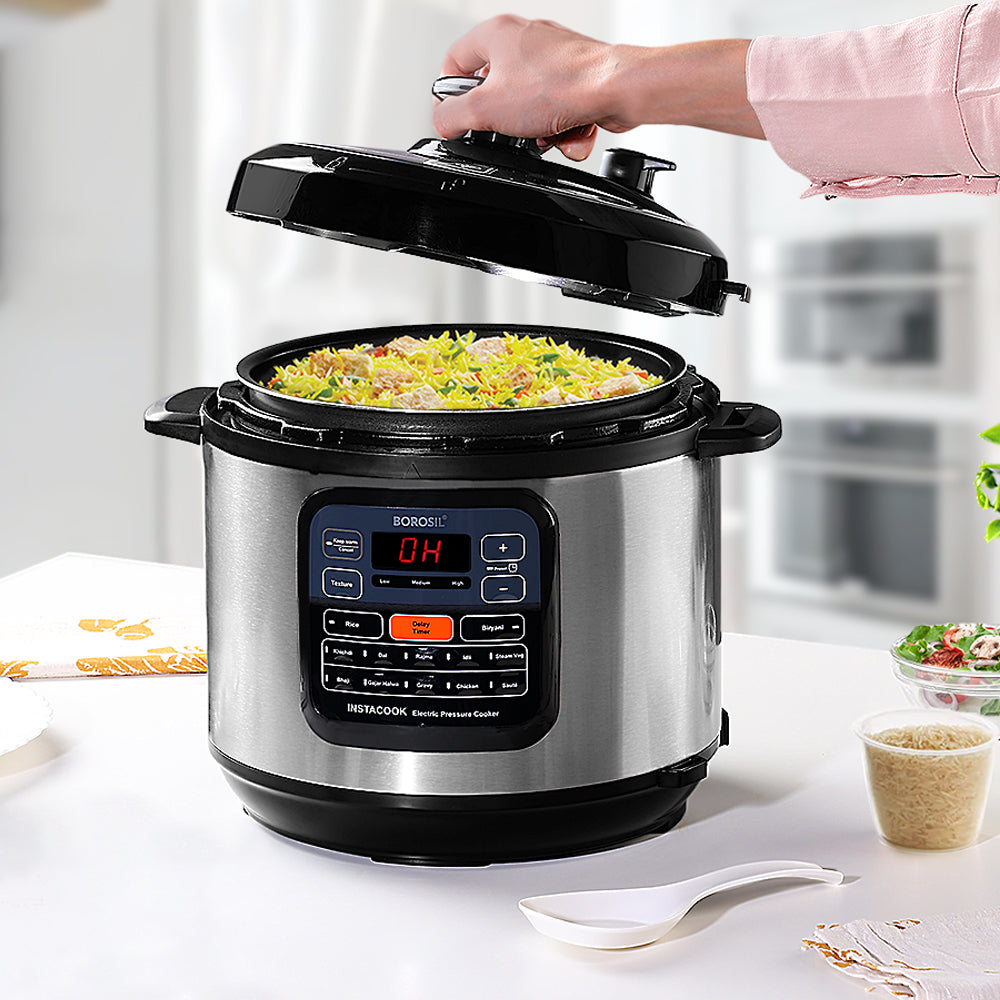
Credit: myborosil.com
Frequently Asked Questions
How To Use An Electric Pressure Cooker For Rice?
Rinse the rice and add it to the pressure cooker. Add water in a 1:1. 5 rice-to-water ratio. Close the lid and set the cooker to the “Rice” setting. Once done, let the pressure release naturally for 10 minutes, then fluff the rice with a fork.
How Much Water Do I Put In A Pressure Cooker For Rice?
Use a 1:1. 25 ratio of rice to water in a pressure cooker. For 1 cup of rice, add 1. 25 cups of water. Adjust based on rice type and personal preference. Ensure the cooker is not overfilled for optimal cooking.
What Is The Ratio Of Rice To Water In An Electric Rice Cooker?
The typical rice to water ratio in an electric rice cooker is 1:1. 5 or 1:2. Adjust for rice type. Always check your rice cooker’s manual for specific instructions.
How To Cook Rice In An Electric Cooker?
Rinse rice until the water runs clear. Add rice and water in a 1:2 ratio to the cooker. Close the lid and press the “Cook” button. Wait until it switches to “Warm” mode. Fluff with a fork before serving.
Conclusion
Cooking rice in an electric pressure cooker is simple and efficient. Perfect rice every time. No more guessing water ratios. Quick and easy. Save time on busy days. Just measure, set, and forget. This method ensures fluffy, delicious rice. Ideal for beginners and experts alike.
Enjoy your meals with perfectly cooked rice. The electric pressure cooker is a great kitchen tool. Make meal prep less stressful. Experiment with different rice varieties. Add flavors for variety. Try it today and see the difference. Happy cooking!

I’m Abby Lu, a passionate home cook who loves simplifying everyday meals. At PlugChef.com, I share product reviews and cooking guides to help you find the best tools for your kitchen.
Related posts:
 What Type of Cooking Utensils are Safe: Expert Picks
 What Innovations Could Blenders Make: Unleashing Future Tech
 Smart Strategies to Organize a Small Kitchen: Maximize Space
 How to Organize a Kitchen Cabinet: Expert Tips & Tricks
 How to Organize Kitchen Drawers: Expert Tips and Tricks
 How to Organize a Corner Kitchen Cupboard: Expert Tips

