

Have you ever wondered if your regular eyeglasses can protect your eyes like safety goggles do? When it comes to keeping your eyes safe, you might think your everyday glasses are enough.
But is that really true? Understanding the difference could save you from serious eye injuries. You’ll discover why normal eyeglasses may or may not be a good substitute for safety goggles—and what you should really be wearing to protect your vision.
Keep reading to learn how to make the best choice for your eye safety.
Credit: nocry.com
Differences Between Eyeglasses And Safety Goggles
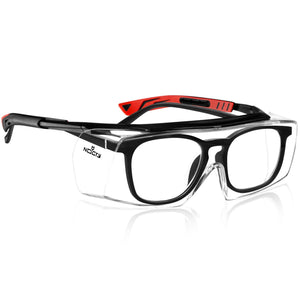
Normal eyeglasses and safety goggles look similar but serve very different purposes. Understanding their differences helps decide if eyeglasses can replace safety goggles. Each offers a unique level of protection based on design and material. Safety goggles meet strict rules to keep eyes safe in risky environments. Eyeglasses mainly help with vision correction and offer limited protection.
Design And Material Variations
Eyeglasses have thin frames and lenses made for clear vision. They fit loosely on the face and leave gaps. This design lets dust and liquids reach the eyes.
Safety goggles have a snug fit to seal around the eyes. They use strong materials like polycarbonate lenses. This stops flying debris, chemicals, and splashes from entering.
Common features of safety goggles include:
- Soft rubber or foam lining for comfort and seal
- Impact-resistant lenses to withstand hits
- Ventilation systems to reduce fogging
- Adjustable straps for a secure fit
Protection Standards And Certifications
Eyeglasses rarely meet safety standards for workplace hazards. They do not carry certifications for impact or chemical resistance.
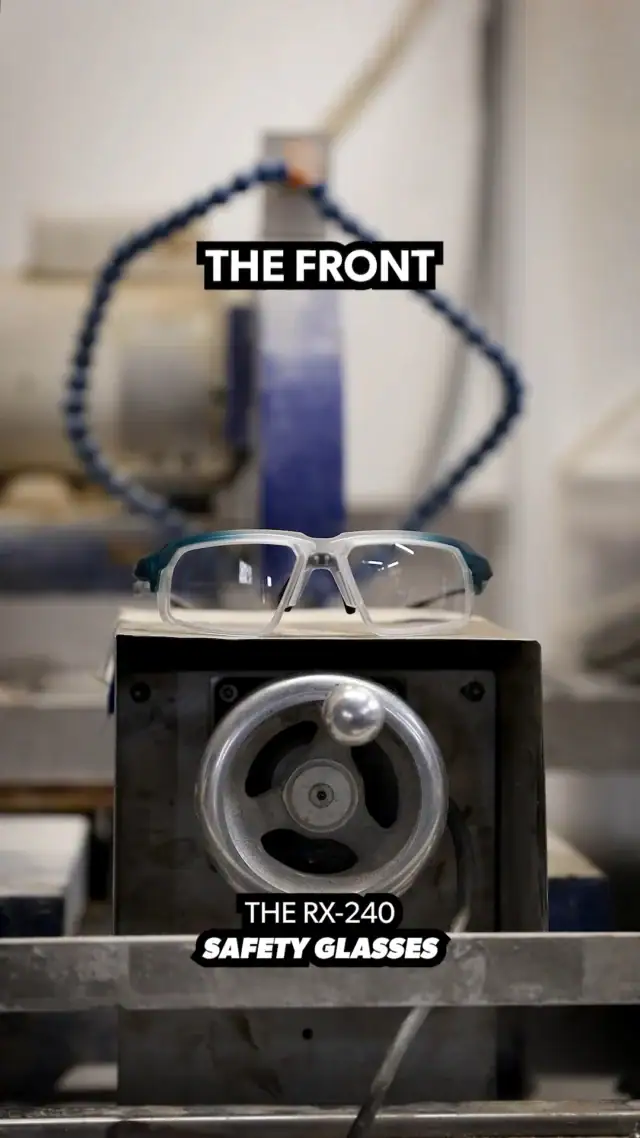
Safety goggles must follow strict standards like ANSI Z87.1 in the US or EN166 in Europe. These rules ensure goggles can protect eyes from specific dangers.
Certified safety goggles:
- Pass impact tests with high-speed particles
- Resist chemicals and heat exposure
- Provide full coverage around the eyes
- Are tested for durability and safety
Using normal eyeglasses instead of safety goggles can increase risk of eye injury. Safety goggles remain the best choice for hazardous work.
Credit: rx-safety.com
Common Misconceptions About Eyeglasses As Safety Gear
Many people assume that their regular eyeglasses can double as safety gear. This belief can lead to risky situations, especially in environments where eye protection is crucial. Understanding the limits of normal eyeglasses is key to keeping your eyes safe.
Perceived Adequacy Of Regular Eyewear
Regular eyeglasses do offer some level of protection. They shield your eyes from dust and minor splashes. Many users feel confident wearing them during light tasks, thinking they offer sufficient defense.
However, this sense of security can be misleading. Eyeglasses are primarily designed to correct vision, not to withstand impact or hazardous substances. They often lack side shields and strong frames, which are essential for proper safety goggles.
Situations Where Eyeglasses Fall Short
Think about working with chemicals, power tools, or flying debris. Your normal glasses may crack or shatter, leaving your eyes vulnerable. They don’t provide a seal to block harmful particles from entering around the edges.
Have you ever noticed how safety goggles wrap around your eyes? This design is intentional, offering comprehensive protection where regular glasses cannot. In workplaces with high-risk factors, relying on your everyday glasses is not enough.
- High-speed particles can easily bypass regular lenses.
- Chemical splashes can enter from the sides or top.
- Impact resistance standards are not met by normal eyewear.
Next time you consider substituting safety goggles with your regular eyeglasses, ask yourself: Is the risk worth it? Choosing proper eye protection could prevent serious injuries.
Potential Risks Of Using Eyeglasses Instead Of Goggles
Have you ever found yourself in a situation where you thought your regular eyeglasses could double as safety goggles? It’s a common assumption that eyeglasses provide adequate protection, but this can lead to serious risks. Understanding these potential hazards is crucial for safeguarding your vision.
Eye Injury Hazards
Regular eyeglasses are designed to correct vision, not to shield your eyes from physical harm. Imagine working in a workshop with flying debris. Your eyeglasses might deflect a small fragment, but they won’t prevent larger particles from hitting your eyes. This can result in painful injuries and long-term damage.
Chemical And Particle Exposure
Exposure to chemicals is another risk when relying on eyeglasses instead of goggles. While eyeglasses cover your eyes, they leave gaps that can easily allow harmful substances or dust to reach your eyes. In environments with chemical fumes or floating particles, this can be a severe oversight. Why gamble with your eye health when proper goggles could offer full coverage?
Impact And Penetration Vulnerabilities
Eyeglasses lack the durability and design to withstand direct impacts. Whether it’s a sudden splash or a sharp object, eyeglasses can shatter or bend, leaving your eyes vulnerable. Safety goggles are specifically engineered to absorb impacts and protect your eyes from penetration. Isn’t it worth investing in specialized protection for such crucial organs?
Credit: rx-safety.com
Safety Goggles Features That Enhance Protection
When considering whether normal eyeglasses can replace safety goggles, it’s crucial to understand the key features that make safety goggles truly protective. These features are designed not just to shield your eyes but to provide comprehensive defense against various hazards. Knowing what to look for can help you decide if your regular glasses measure up or if you need that extra layer of security.
Wraparound Design
Safety goggles often have a wraparound design that covers the sides of your eyes as well as the front. This design blocks particles, dust, and liquids from sneaking in through the gaps that normal eyeglasses usually leave open.
Have you noticed how tiny debris can enter your eyes from the side when wearing regular glasses? The wraparound feature directly tackles this issue, creating a barrier all around your eyes.
Impact-resistant Lenses
The lenses in safety goggles are made from materials like polycarbonate, which can withstand strong impacts without breaking. Normal eyeglasses, especially those with plastic lenses, might shatter or crack upon impact, posing a risk rather than preventing one.
Imagine a small tool or debris flying toward your face—would your glasses protect you? Safety goggles are built to handle such risks, offering peace of mind during hazardous tasks.
Sealing And Ventilation
Good safety goggles feature a seal around the edges that keeps out dust and splashes, while also allowing air to circulate to prevent fogging. Normal glasses lack this seal, so they often let in unwanted particles or become foggy when you breathe or sweat.
Have you ever struggled with foggy lenses at a critical moment? The balance of sealing and ventilation in safety goggles ensures clear vision and reliable protection simultaneously.
Legal And Workplace Safety Regulations
Legal and workplace safety regulations ensure the protection of workers’ eyes. These rules set clear standards for eye protection equipment. Understanding these regulations helps employers provide safe work environments. It also clarifies when normal eyeglasses can or cannot replace safety goggles.
Osha And Ansi Requirements
OSHA sets rules for eye protection in workplaces. Safety goggles must meet specific ANSI standards. ANSI Z87.1 defines the design and strength of protective eyewear. Normal eyeglasses often lack these safety features. Employers must provide eyewear that complies with these standards.
Employer Responsibilities
Employers must assess workplace hazards carefully. They must provide appropriate eye protection to workers. Training workers on proper eyewear use is essential. Employers must replace damaged or inadequate eye protection. They should ensure workers wear the right gear at all times.
Consequences Of Non-compliance
Failing to follow safety rules leads to penalties. OSHA can issue fines for non-compliance. Workplace injuries may increase without proper eye protection. Injuries cause lost workdays and higher costs. Legal liability can result from ignoring these regulations.
Choosing The Right Eye Protection For Different Environments
Choosing the right eye protection depends on the environment you are in. Different tasks require different types of safety gear. Wearing normal eyeglasses may not always be enough. It is important to pick protection designed for the hazards you face.
Industrial And Construction Settings
These places have many flying particles and heavy machinery. Safety goggles must be impact-resistant and cover the entire eye area. Normal eyeglasses offer some protection but can leave gaps where dust or debris enter. Choose goggles with side shields or full seal protection. Look for lenses that resist scratches and fogging. Proper fit prevents accidents and eye injuries.
Laboratories And Chemical Handling
In labs, eyes face risks from chemicals and splashes. Safety goggles with chemical splash resistance are essential. Normal glasses cannot protect against liquid spills or fumes. Goggles should form a tight seal around eyes. Ventilation features help reduce fogging while keeping chemicals out. Use anti-fog coatings for clear vision during long work hours.
Home And Diy Projects
Home tasks like sanding, drilling, or painting create small hazards. Regular eyeglasses provide basic protection but may not block all particles. Use safety glasses with impact-resistant lenses for better defense. Wrap-around styles keep dust and debris away from eyes. Comfortable and lightweight options encourage regular use. Eye protection prevents injuries and keeps vision safe.
Tips For Proper Use And Maintenance Of Safety Goggles
Proper use and maintenance of safety goggles ensure your eyes stay protected. Wearing goggles that fit well and are clean boosts comfort and safety. Regular care extends the life of your goggles and keeps vision clear.
Correct Fit And Comfort
Choose goggles that fit snugly without pressing too hard. The straps should hold the goggles firmly but not cause pain. Look for soft padding around the edges to avoid skin irritation. Adjust the nose bridge to keep goggles stable. Make sure the goggles do not fog up easily by selecting those with ventilation or anti-fog coatings.
Cleaning And Storage Practices
Clean goggles after each use with mild soap and water. Avoid harsh chemicals that can damage lenses. Use a soft cloth to dry them gently. Store goggles in a hard case to prevent scratches and dust. Keep them in a cool, dry place away from direct sunlight.
When To Replace Goggles
Replace goggles if lenses are scratched or cracked. Damaged lenses reduce visibility and protection. Change goggles if straps lose elasticity or break. If padding wears out or becomes uncomfortable, get a new pair. Replace goggles after heavy impact even if no damage is visible.
Frequently Asked Questions
Can Normal Eyeglasses Replace Safety Goggles?
Normal eyeglasses do not provide the same protection as safety goggles. Goggles shield eyes from impact, dust, and chemicals. Eyeglasses mainly correct vision and lack side protection. For hazardous tasks, safety goggles are essential to prevent eye injuries effectively.
What Risks Come From Using Regular Glasses Instead?
Using regular glasses instead of safety goggles increases eye injury risks. They lack impact resistance and full coverage. Debris or chemicals can easily reach the eyes. This makes regular glasses unsuitable for workplaces or activities with eye hazards.
Are There Any Standards For Safety Eyewear?
Yes, safety eyewear must meet standards like ANSI Z87. 1 or EN166. These standards ensure impact resistance and proper coverage. Normal eyeglasses do not meet these criteria. Safety goggles are tested to protect against workplace hazards and provide reliable eye safety.
When Can Normal Eyeglasses Be Used Safely?
Normal eyeglasses are safe for everyday use and non-hazardous environments. They are suitable for vision correction but not for protecting against flying debris or chemicals. Always wear certified safety goggles in labs, construction, or industrial settings for proper eye protection.
Conclusion
Normal eyeglasses can protect your eyes from some risks. They are better than no protection at all. Yet, safety goggles offer stronger defense against many hazards. Choose the right eyewear for the task you do. Always prioritize your eye safety at work or home.
Protecting your vision should never be taken lightly. Stay safe and keep your eyes healthy every day.

Hi, I’m Daniel Brooks—a food lover and kitchen gear enthusiast. I enjoy testing cookware, utensils, and gadgets to see what really works in everyday cooking. At PlugChef.com, I share honest reviews, comparisons, and simple guides to help you choose the best tools for a safer, smarter, and more enjoyable kitchen.
Related posts:
 What Type of Cooking Utensils are Safe: Expert Picks
 What Innovations Could Blenders Make: Unleashing Future Tech
 Smart Strategies to Organize a Small Kitchen: Maximize Space
 How to Organize a Kitchen Cabinet: Expert Tips & Tricks
 How to Organize Kitchen Drawers: Expert Tips and Tricks
 How to Organize a Corner Kitchen Cupboard: Expert Tips

