
When you take meat out of the freezer, you want to cook it safely and enjoy a delicious meal. But do you know the right way to defrost meat to keep it safe from harmful bacteria?
One small mistake during defrosting can put your health at risk. You will discover simple, easy-to-follow tips that protect your family and make sure your meat stays fresh and safe. Keep reading to learn how to handle defrosted meat the right way every time.

Credit: m.facebook.com
Risks Of Improper Defrosting
Improper defrosting of meat can cause serious health risks. Bacteria can grow quickly on meat left at unsafe temperatures. This growth can lead to contamination and foodborne illnesses. Knowing the risks helps keep meals safe and healthy.
Bacterial Growth And Contamination
Bacteria multiply fast on meat that is not defrosted correctly. The outer layer thaws first, creating a warm environment. This warmth allows bacteria to grow even if the inside is still frozen. Harmful bacteria like Salmonella and E. coli thrive in these conditions.
Cross-contamination can occur when bacteria spread to other foods or surfaces. Handling meat without washing hands or utensils spreads germs easily. This increases the chance of food poisoning in your home.
Common Foodborne Illnesses Linked To Meat
Improper defrosting links to several foodborne illnesses. Salmonella causes stomach pain, fever, and diarrhea. E. coli infection can lead to severe cramps and kidney problems. Listeria affects pregnant women and can cause miscarriage.
These illnesses result from eating contaminated meat or touching infected surfaces. Cooking meat thoroughly kills most bacteria but preventing contamination is safer. Defrost meat safely to reduce the risk of these illnesses.
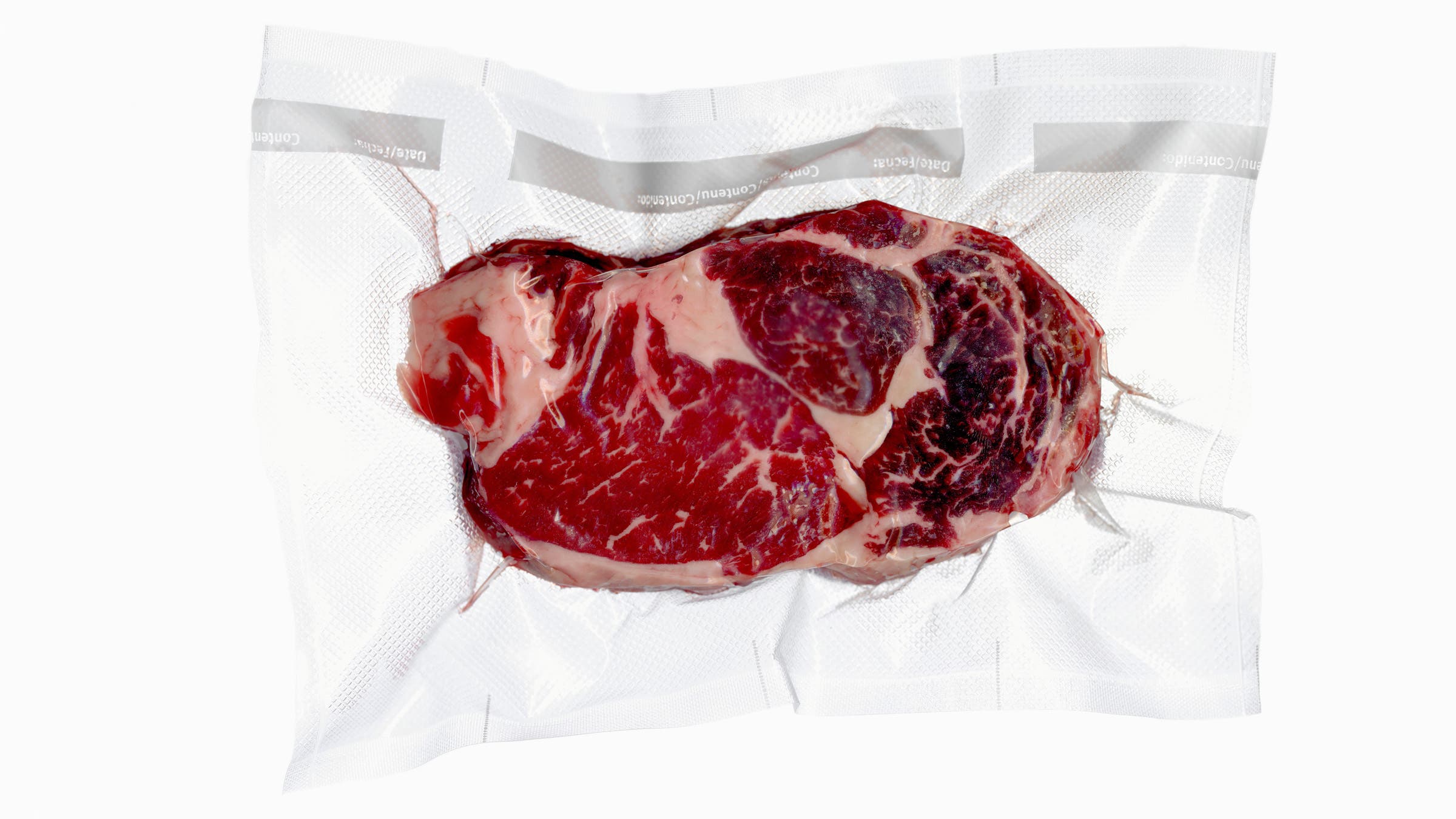
Credit: www.cleaneatingmag.com
Safe Defrosting Methods
Defrosting meat safely is key to preventing foodborne illness. Meat must never sit at room temperature for long. This allows bacteria to grow rapidly. Safe defrosting stops harmful bacteria from multiplying. There are three trusted ways to defrost meat safely.
Refrigerator Thawing
Refrigerator thawing is the safest method. Place meat on a plate or tray to catch drips. Keep meat in its original packaging or cover it. Allow enough time; larger cuts need more hours or days. Plan ahead to ensure meat fully thaws in the fridge. This method keeps meat at a safe, constant temperature.
Cold Water Thawing
Cold water thawing is faster than refrigerator thawing. Seal meat tightly in a leak-proof bag. Submerge the bag in cold tap water. Change water every 30 minutes to keep it cold. Small packages thaw in an hour or less. Larger cuts may take 2 to 3 hours. Cook meat immediately after thawing this way.
Microwave Thawing
Microwave thawing is the quickest option. Use the defrost setting on your microwave. Rotate or flip meat to defrost evenly. Some parts may start cooking during this process. Cook meat right after microwave thawing. Do not leave meat standing after thawing in the microwave.
Handling Meat After Defrosting
Defrosted meat must be cooked quickly to avoid bacteria growth. Keep it refrigerated and never refreeze without cooking first. Always wash hands and surfaces after handling raw meat.
Handling defrosted meat requires careful attention to ensure safety. Once meat is thawed, it becomes more susceptible to bacteria. Proper handling is crucial to avoid foodborne illnesses. Follow these guidelines to keep your meals safe and delicious.Cooking Within Safe Timeframes
Cook defrosted meat promptly. Aim to cook it within 24 hours. This reduces the risk of bacterial growth. If you can’t cook it immediately, keep it refrigerated. Ensure your fridge is set below 40°F (4°C). Use a thermometer to check the meat’s internal temperature during cooking. Meat should reach safe temperatures, like 165°F (74°C) for poultry.Avoiding Cross-contamination
Cross-contamination can spread harmful bacteria. Use separate cutting boards for meat and other foods. Wash hands before and after handling meat. Clean surfaces with hot, soapy water. Keep raw meat away from cooked items. Store defrosted meat in sealed containers to prevent leakage.Proper Storage Of Defrosted Meat
Store defrosted meat correctly to maintain freshness. Keep it in the coldest part of the fridge. Avoid storing it in the fridge door where temperatures fluctuate. Use airtight containers or wrap tightly in plastic wrap. Label the meat with the date of defrosting. This helps you track its freshness and avoid spoilage.
Credit: www.instagram.com
Tips To Maintain Meat Quality
Maintaining the quality of defrosted meat is crucial not only for taste but also for your health. Proper care ensures the meat stays safe to eat and retains its texture and flavor. Here are practical tips to help you keep your meat fresh after defrosting.
Avoiding Refreezing
Refreezing meat after it has thawed can seriously damage its quality. Each freeze-thaw cycle breaks down the meat fibers, making it tough and dry. If you thaw more meat than you need, try cooking the extra portion instead of refreezing it.
Consider planning your meals to defrost only what you will use immediately. This small habit protects your meat’s natural juices and flavor.
Monitoring Texture And Smell
Pay close attention to how the meat feels and smells after defrosting. Fresh meat should feel firm and slightly moist, not slimy or sticky. The smell is also a strong indicator—any sour or off odors mean it’s best to discard the meat.
Trust your senses. If something seems off, don’t risk your health by using questionable meat.
Using Meat Quickly
Once meat is defrosted, it doesn’t last long. Aim to cook or freeze it within 24 hours to maintain quality and safety. Leaving meat too long increases the chance of bacteria growth.
Think about your schedule and meal plans to use defrosted meat promptly. Quick use keeps your meals tasty and reduces waste.
Emergency Measures For Unsafe Meat
Handling unsafe defrosted meat needs quick action to avoid health risks. Knowing what signs to watch for and how to respond keeps you and your family safe. Emergency measures include identifying spoiled meat, knowing when to throw it away, and reporting any foodborne illness symptoms promptly.
Recognizing Spoiled Meat
Spoiled meat often has a strong, unpleasant smell. It may look slimy or sticky. Color changes, like a green or gray tint, show it is bad. Trust your senses. If the meat looks or smells wrong, it is unsafe to eat.
When To Discard Meat
Discard meat if it shows any signs of spoilage. Do not taste test meat to check freshness. If defrosted meat has been left out too long, throw it away. Meat left at room temperature for over two hours can be dangerous.
Reporting Foodborne Illness Symptoms
If you feel sick after eating meat, act quickly. Symptoms include stomach pain, vomiting, diarrhea, and fever. Report these symptoms to your doctor or local health department. Early reporting helps prevent others from getting sick.
Frequently Asked Questions
How Long Is Defrosted Meat Safe To Eat?
Defrosted meat is safe for 1 to 2 days in the refrigerator. Always keep it below 40°F (4°C) to prevent bacteria growth. Cook or freeze it within this period for best safety and quality.
Can Refrozen Defrosted Meat Cause Food Poisoning?
Refreezing defrosted meat can be safe if it was thawed in the fridge and not left out. However, repeated freezing may reduce quality and increase bacteria risk if mishandled. Always cook thawed meat thoroughly before refreezing.
What Is The Safest Method To Defrost Meat?
The safest method is thawing meat in the refrigerator. It keeps meat at a safe temperature and prevents bacteria growth. Avoid defrosting meat at room temperature to reduce the risk of foodborne illness.
How To Tell If Defrosted Meat Has Gone Bad?
Check for off smells, slimy texture, or discoloration. If meat smells sour or feels sticky, it’s unsafe. Always trust your senses and discard meat if in doubt to avoid health risks.
Conclusion
Safe handling of defrosted meat protects your health. Always thaw meat in the fridge or cold water. Avoid leaving meat out at room temperature for long. Cook meat soon after thawing to kill germs. Store leftovers properly and reheat them well.
These simple steps help keep your food safe. Taking care with defrosted meat prevents illness. Stay cautious, and enjoy your meals with confidence.

Hi, I’m Daniel Brooks—a food lover and kitchen gear enthusiast. I enjoy testing cookware, utensils, and gadgets to see what really works in everyday cooking. At PlugChef.com, I share honest reviews, comparisons, and simple guides to help you choose the best tools for a safer, smarter, and more enjoyable kitchen.
Related posts:
 What Type of Cooking Utensils are Safe: Expert Picks
 What Innovations Could Blenders Make: Unleashing Future Tech
 Smart Strategies to Organize a Small Kitchen: Maximize Space
 How to Organize a Kitchen Cabinet: Expert Tips & Tricks
 How to Organize Kitchen Drawers: Expert Tips and Tricks
 How to Organize a Corner Kitchen Cupboard: Expert Tips

