
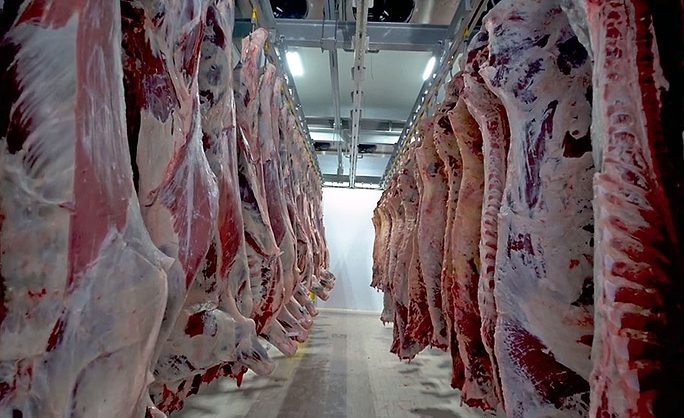
When you handle or cook meat, do you ever wonder what hidden dangers might be lurking on your plate? Knowing which type of food safety hazard is associated with meat is key to protecting yourself and your loved ones from illness.
Whether you’re grilling, frying, or roasting, understanding these risks helps you make smarter choices in the kitchen. Keep reading to uncover the common hazards linked to meat and learn simple steps you can take to keep your meals safe and healthy every time.

Credit: www.foodengineeringmag.com
Biological Hazards In Meat
Biological hazards in meat are a major concern for anyone handling or consuming it. These hazards include living organisms that can cause illness or infection. Understanding these dangers helps you take the right steps to keep your food safe and your family healthy.
Bacterial Contamination
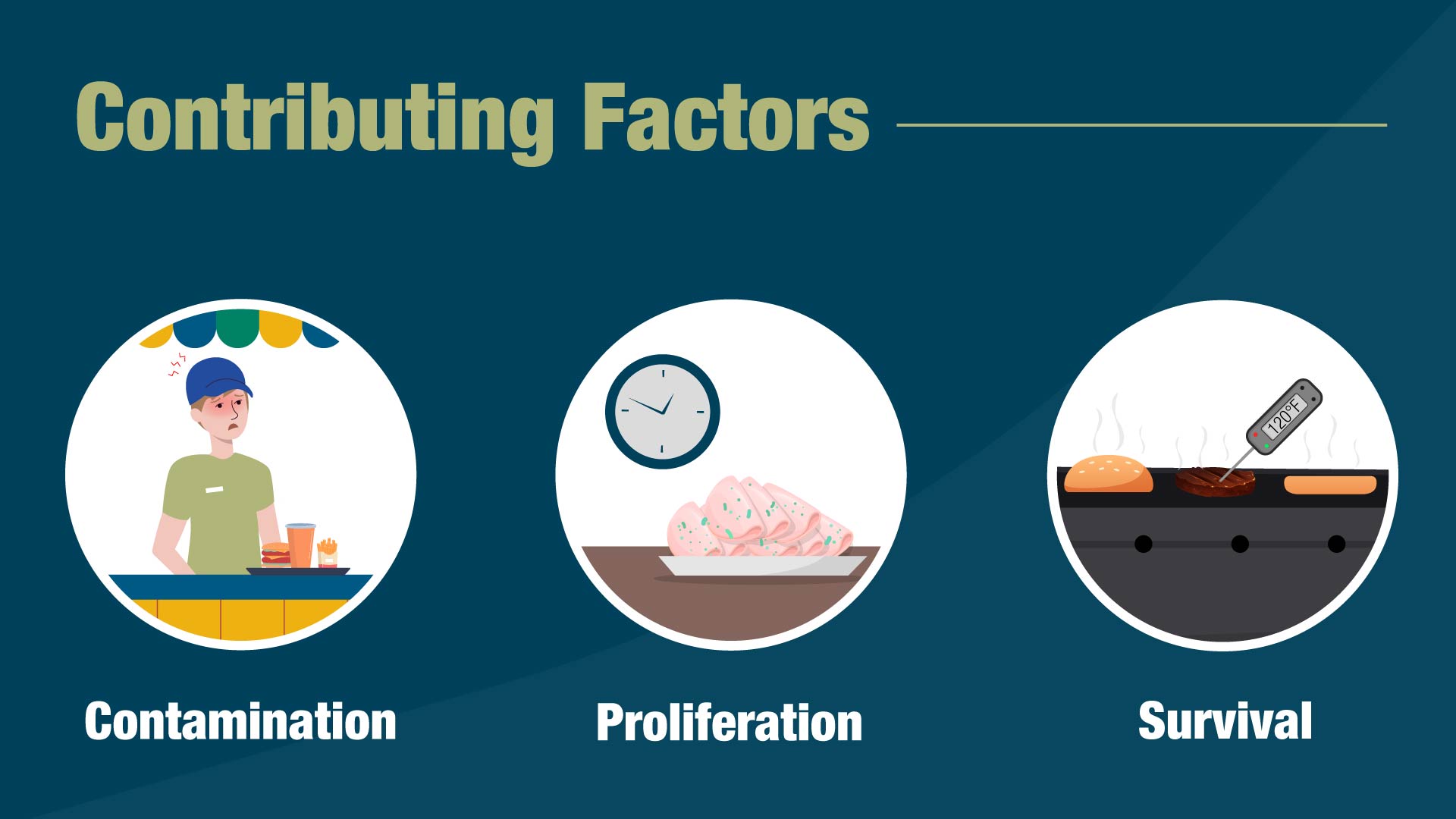
Bacteria are the most common biological hazard in meat. Harmful strains like Salmonella, E. coli, and Listeriacan multiply quickly if meat is not stored or cooked properly.
Did you know that even a small temperature slip in your fridge can allow bacteria to grow? Always keep meat refrigerated below 40°F (4°C) and cook it to the right temperature to kill these germs.
Viral Threats
Viruses such as Hepatitis Eand Noroviruscan be present in undercooked or contaminated meat. Unlike bacteria, viruses need a living host to multiply, but they can still cause serious illness if ingested.
Handling raw meat with clean hands and avoiding cross-contamination in your kitchen reduces the risk. Have you ever considered how often you wash your hands after touching raw meat?
Parasitic Risks
Parasites like Trichinella spiralisand Toxoplasma gondiican be hidden inside meat. These organisms cause infections that may lead to long-term health problems.
Cooking meat thoroughly is key to killing parasites. Freezing certain cuts before cooking can also reduce risk. Are you confident that your cooking methods eliminate these hidden threats?
Credit: www.cdc.gov
Chemical Hazards Linked To Meat
Chemical hazards in meat pose real risks that often go unnoticed. These hazards come from substances that can contaminate meat during production or processing. Understanding these chemicals helps you make safer choices about the meat you eat and how you handle it.
Residues Of Antibiotics
Antibiotics are commonly used in livestock to prevent or treat infections. However, leftover antibiotic residues can remain in meat if animals aren’t given enough time to clear these drugs before slaughter.
Consuming meat with antibiotic residues may contribute to antibiotic resistance in humans. This resistance makes infections harder to treat and poses a serious health challenge.
Have you ever checked if your meat comes from animals raised without unnecessary antibiotics? Choosing antibiotic-free or organic meat can reduce your exposure to these residues.
Pesticide Contamination
Meat can become contaminated with pesticides when animals consume feed or water containing these chemicals. Pesticides are used in agriculture to protect crops but can accumulate in animal tissues.
High levels of pesticide residues in meat can cause health issues like hormonal disruption or nervous system problems. It’s important to buy meat from sources that monitor and minimize pesticide contamination.
Consider asking your local butcher or supplier about their meat’s pesticide testing. Staying informed helps you protect your family from hidden chemical risks.
Toxins And Additives
Some toxins form naturally in meat during improper storage or processing. For example, substances like nitrites are added to processed meats to preserve color and prevent bacteria, but excessive intake may be harmful.
Other additives might trigger allergic reactions or have long-term health effects. Reading labels and understanding what goes into your meat products gives you better control over your diet.
Next time you shop, look for meats with fewer additives or natural preservation methods. How often do you check the ingredients in your meat products before buying?
Physical Hazards In Meat Products
When you think of meat, your mind might conjure up images of juicy steaks or sizzling sausages. However, amidst all the deliciousness, physical hazards in meat products can pose a serious threat to your health and safety. These hazards include foreign objects, bone fragments, and packaging materials that might unintentionally end up on your plate. Understanding these risks can help you make safer choices and ensure your meals are free from unwanted surprises.
Foreign Objects
Imagine biting into a succulent burger only to find a piece of plastic or metal. Foreign objects in meat products are not just unsettling; they can be downright dangerous. These objects might originate from machinery used during processing or accidental contamination. You can minimize these risks by purchasing meat from reputable sources that prioritize quality control and thorough inspections.
Bone Fragments
Bone fragments in meat products are more common than you might expect. Especially in ground meat or processed meats, small pieces of bone can slip through the processing cracks. While some bone content is inevitable, too much can be harmful, causing dental damage or choking hazards. Opting for boneless cuts or ground meats processed with advanced equipment can reduce these risks significantly.
Packaging Materials
Have you ever found bits of plastic wrap or cardboard in your store-bought meat products? Packaging materials can accidentally mix with meat during processing, making their way to your table. These contaminants can be harmful if ingested, causing digestive issues or chemical exposure. Always inspect your meat for packaging remnants and choose products from companies with transparent packaging processes.
Cross-contamination Risks
Cross-contamination is a major food safety hazard linked to meat. It happens when harmful bacteria move from raw meat to other foods, surfaces, or hands. This can cause foodborne illnesses. Understanding how cross-contamination occurs helps prevent it effectively.
Handling And Processing
Raw meat carries bacteria like Salmonella and E. coli. These germs spread easily during handling and processing. Using the same knives or cutting boards for raw meat and other foods can transfer bacteria. Always wash hands thoroughly after touching raw meat. Separate utensils for raw and cooked foods reduce risks.
Storage Practices
Improper storage of meat increases cross-contamination risks. Raw meat should be kept below cooked or ready-to-eat foods in the fridge. This stops juices dripping onto other items. Store meat in sealed containers or tightly wrapped to prevent contact. Keep the fridge temperature below 40°F (4°C) to slow bacterial growth.
Equipment And Surfaces
Surfaces and equipment used for meat must be cleaned and sanitized regularly. Bacteria can survive on cutting boards, countertops, and knives. Use hot, soapy water to clean all tools after use. Sanitize surfaces with approved cleaners to kill germs. Avoid using the same sponge or cloth on raw meat areas and other foods.
Preventing Meat Safety Hazards
Preventing meat safety hazards is essential to protect your health and avoid foodborne illnesses. Meat can carry bacteria, viruses, and parasites that thrive if proper care isn’t taken. Understanding key prevention techniques helps you keep your meals safe and delicious.
Safe Slaughtering Techniques
Slaughtering meat safely starts with clean, controlled environments. Animals should be handled calmly to reduce stress, which can affect meat quality and safety. Using sanitized tools and surfaces prevents contamination from harmful bacteria like Salmonella and E. coli.
Have you ever thought about how the first step in meat processing sets the tone for the entire food chain? Even small lapses here can cause big problems later. Ensuring all workers follow strict hygiene protocols is non-negotiable.
Proper Cooking Temperatures
Cooking meat to the right temperature kills dangerous pathogens. Different types of meat require different minimum internal temperatures—ground beef should reach at least 160°F (71°C), while poultry needs 165°F (74°C).
Using a reliable food thermometer is a smart habit. It removes guesswork and guarantees safety. What’s your go-to method for checking if meat is cooked properly?
Hygienic Storage Solutions
Keeping meat at safe temperatures is crucial after purchase. Refrigerate raw meat below 40°F (4°C) and freeze if you won’t use it within a few days. Avoid cross-contamination by storing meat separately from other foods, especially ready-to-eat items.
Think about your own kitchen setup—do you have a dedicated area or containers for raw meat? Small changes like these reduce risk significantly and help maintain freshness.
Regulations And Standards
Understanding the regulations and standards around meat safety hazards is key to protecting your health and ensuring quality. These rules guide how meat is handled, processed, and sold, aiming to reduce contamination risks. Let’s look at the main frameworks that keep meat products safe for you and your family.
Government Food Safety Policies
Government agencies set strict policies to control hazards in meat, focusing on bacterial contamination, chemical residues, and physical hazards. In the United States, the USDA’s Food Safety and Inspection Service (FSIS) enforces regulations that require regular inspections of slaughterhouses and processing plants.
These policies include temperature controls, sanitation standards, and traceability requirements. You might wonder how often these inspections happen—some facilities are checked daily to prevent outbreaks like E. coli or Salmonella. Knowing these rules exist helps you trust the meat you buy.
Industry Best Practices
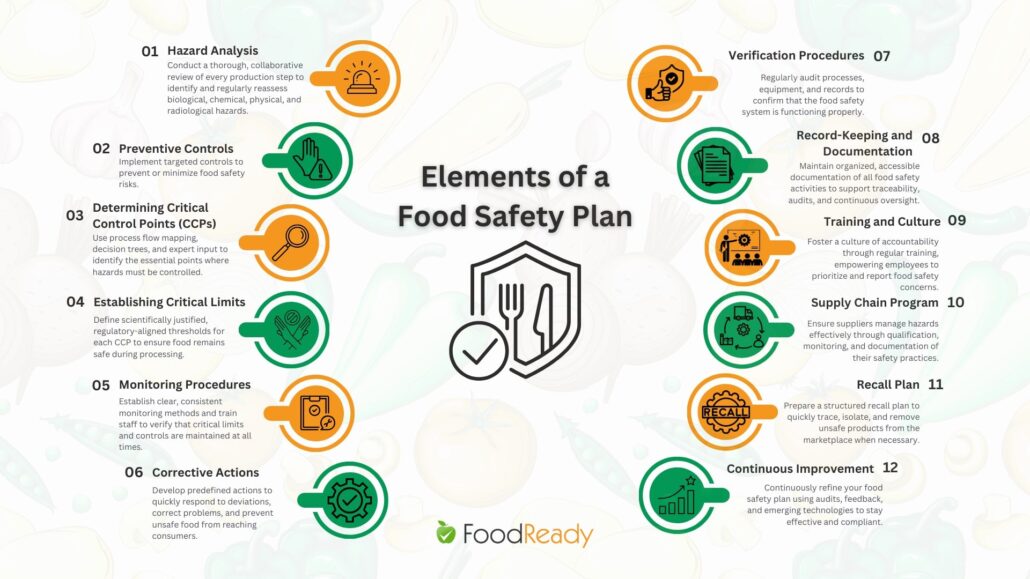
Many meat producers go beyond government rules by adopting best practices that minimize risks. These include proper employee training, using clean equipment, and applying Hazard Analysis and Critical Control Points (HACCP) systems to identify potential hazards before they cause harm.
Have you ever noticed signs about food safety in stores or restaurants? Those are part of these best practices. They show a commitment to safety that protects you every step from farm to table.
Certification Programs
Certification programs offer an extra layer of assurance about meat safety. Programs like Safe Quality Food (SQF) and Global Food Safety Initiative (GFSI) require companies to meet high standards verified by third-party audits.
When you see a certification label on meat packaging, it means the product has passed rigorous safety checks. Would you feel more confident choosing meat with these certifications on the label? These programs are designed to give you that peace of mind.
Credit: foodready.ai
Frequently Asked Questions
What Types Of Hazards Are Linked To Meat Safety?
Meat safety hazards include biological, chemical, and physical risks. Biological hazards like bacteria are the most common. Chemical hazards arise from contaminants and additives. Physical hazards involve foreign objects like metal shards or bone fragments.
How Do Biological Hazards Affect Meat Safety?
Biological hazards such as Salmonella and E. coli cause foodborne illnesses. They grow in improperly stored or undercooked meat. Proper handling, cooking, and storage prevent these risks effectively.
What Chemical Hazards Are Found In Meat?
Chemical hazards in meat include pesticides, antibiotics, and cleaning agents. Residues from these chemicals can contaminate meat during processing. Ensuring regulated use and thorough washing reduces chemical risks.
Why Are Physical Hazards A Concern In Meat?
Physical hazards like bone fragments or metal pieces can injure consumers. They often occur during slaughtering or packaging. Proper inspection and quality control minimize these dangers.
Conclusion
Meat carries various food safety hazards, including bacteria and chemicals. These hazards can cause illness if meat is not handled properly. Always store meat at the right temperature to stop bacteria growth. Cook meat thoroughly to kill harmful germs. Clean surfaces and utensils after touching raw meat.
Being careful helps keep you and your family safe. Understanding these risks makes meat safer to eat. Stay aware and follow simple safety steps every time. Safety matters most when dealing with meat products.

Hi, I’m Daniel Brooks—a food lover and kitchen gear enthusiast. I enjoy testing cookware, utensils, and gadgets to see what really works in everyday cooking. At PlugChef.com, I share honest reviews, comparisons, and simple guides to help you choose the best tools for a safer, smarter, and more enjoyable kitchen.
Related posts:
 What Type of Cooking Utensils are Safe: Expert Picks
 What Innovations Could Blenders Make: Unleashing Future Tech
 Smart Strategies to Organize a Small Kitchen: Maximize Space
 How to Organize a Kitchen Cabinet: Expert Tips & Tricks
 How to Organize Kitchen Drawers: Expert Tips and Tricks
 How to Organize a Corner Kitchen Cupboard: Expert Tips

