
When it comes to the food you eat, safety is a top priority—especially with meat products. You want to make sure what’s on your plate is not only tasty but also free from harmful chemicals.
That’s where clean label ingredients come in. These natural, simple ingredients help keep your meat safe without the confusing additives you don’t recognize. If you care about what’s really inside your food and want to make smarter choices, understanding clean label ingredients is a must.
Keep reading to discover how these ingredients work and why they matter for your health and peace of mind.
Clean Label Trend In Meat Products
The clean label trend in meat products reflects a shift towards simpler, natural ingredients. Consumers want to know what is in their food. They prefer products with fewer additives and clearer labels. This trend affects how meat products are made and marketed.
Consumer Demand For Transparency
People want honesty about food ingredients. Labels that list familiar items build trust. Shoppers avoid chemicals and artificial preservatives. They choose meat products with clear, natural ingredients. Transparency helps consumers make safer, healthier choices.
Impact On Meat Industry Practices
Meat producers change recipes to meet clean label demands. They replace synthetic additives with natural alternatives. This shift improves product safety and quality. Companies also improve sourcing and processing methods. The industry focuses on simple, clean ingredients to satisfy buyers.
Common Meat Safety Challenges
Keeping meat safe is more complicated than it seems. You face several challenges that can affect the quality and safety of the meat you consume. Understanding these challenges helps you make better choices and keep your food safer.
Microbial Contamination Risks
Bacteria like Salmonella and E. coli can quickly spoil meat and cause serious illness. These microbes thrive in warm, moist environments, making meat a perfect breeding ground if not stored or handled properly.
Cross-contamination is another risk. If raw meat touches cooked food or surfaces, harmful bacteria can spread easily.
Have you ever wondered how some meats stay fresh longer without chemicals? Proper hygiene and temperature control are key factors in reducing microbial risks.
Chemical Additives Concerns
Chemicals like nitrates, phosphates, and preservatives are often added to meat to extend shelf life. But many people worry about their health effects and prefer cleaner labels.
Some additives can cause allergic reactions or contribute to long-term health issues. Consumers increasingly demand transparency about what goes into their meat products.
Could you trust a product more if it used natural ingredients instead of artificial chemicals? Clean label ingredients aim to meet that demand while maintaining meat safety.
Natural Preservatives For Meat Safety
Ensuring meat safety is crucial, and the use of natural preservatives has gained significant attention. They offer a clean label alternative to artificial additives, appealing to health-conscious consumers. But how do these natural preservatives actually work to keep your meat safe? Let’s dive into some effective options you might consider.
Plant-based Antimicrobials
Plant-based antimicrobials are powerful allies in meat preservation. They come from natural sources such as herbs and spices, known for their bacteria-fighting properties. Think about garlic and oregano, which not only add flavor but also combat harmful microbes.
Imagine cooking with these ingredients and knowing you’re not just enhancing taste, but also boosting safety. Have you tried experimenting with different herbs in your meat dishes? You might be surprised at the extra layer of protection they provide.
Essential Oils And Extracts
Essential oils are more than just aromatic wonders; they’re potent preservatives. Oils like thyme and rosemary have shown great efficacy in preserving meat quality. They work by reducing microbial growth, maintaining freshness for longer periods.
Consider the last time you seasoned your meat with rosemary. Did you notice a difference in how long it stayed fresh? These oils not only enhance flavor but also offer a natural way to keep your meat safe.
Organic Acids
Organic acids are another key player in natural meat preservation. Common acids like citric and acetic acids help lower the pH level, inhibiting bacterial growth. They are often found in fruits like lemons and vinegar.
Next time you marinate your meat, think about using lemon juice or vinegar. Not only do they tenderize the meat, but they also contribute to its safety. Have you ever wondered how these simple kitchen staples can make such a big impact?

Credit: www.linkedin.com
Antioxidants From Natural Sources
Antioxidants from natural sources play a vital role in keeping meat safe and fresh. They slow down oxidation, which causes spoilage and off-flavors. Using clean label antioxidants means avoiding synthetic chemicals while maintaining food quality. Natural antioxidants come from plants and help protect meat from damage.
Herbs And Spices
Herbs and spices contain powerful antioxidants that help preserve meat. Examples include rosemary, thyme, and oregano. These plants have compounds that stop fat from going rancid. They also add flavor, making meat taste better. Their natural oils provide extra protection against bacteria growth.
Fruits And Vegetables
Fruits and vegetables are rich in vitamins and antioxidants. Ingredients like onion, garlic, and tomato extracts are popular in meat preservation. They reduce oxidation and improve shelf life. These natural sources also support meat color and texture. Their antioxidants work well without changing the meat’s natural taste.
Natural Extracts
Extracts from plants concentrate antioxidants for easy use in meat products. Green tea extract, grape seed extract, and acerola cherry extract are common choices. These extracts contain polyphenols and vitamin C that fight oxidation. They help keep meat fresh longer without synthetic additives. Natural extracts provide a clean label alternative for meat safety.
Clean Label Strategies In Meat Processing
Clean label strategies focus on using simple, natural ingredients in meat processing. These strategies help maintain food safety and meet consumer demand for transparency. Producers aim to reduce artificial additives while keeping meat products fresh and safe.
Formulation Adjustments
Using natural preservatives like vinegar, rosemary, or cultured celery helps prevent spoilage. Reducing synthetic additives improves the label and maintains safety. Adjusting salt levels and adding antioxidants from plants support freshness without chemicals.
Packaging Innovations
Modified atmosphere packaging (MAP) slows bacterial growth by changing the air inside the package. Using biodegradable films protects meat while being eco-friendly. Vacuum packaging removes oxygen, which helps keep meat fresh longer.
Shelf Life Extension Techniques
- Natural antimicrobials such as essential oils extend shelf life.
- High-pressure processing kills bacteria without heat or chemicals.
- Cold chain management keeps meat at safe temperatures throughout transport.

Credit: www.meatpoultry.com
Regulatory Considerations For Natural Ingredients
Natural ingredients in meat products must meet strict rules to ensure safety. Regulators focus on clear labeling and ingredient safety. These rules protect consumers and keep products trustworthy. Understanding these rules helps manufacturers follow the law and build customer trust.
Labeling Requirements
Labels must show all natural ingredients clearly. Names should be simple and easy to read. No hidden additives or confusing terms allowed. Ingredients must match what is inside the package. Claims like “natural” or “clean label” need proof. Labels should not mislead buyers about the product’s content.
Safety And Compliance
Natural ingredients must pass safety tests before use. Regulators check for harmful substances or allergens. Ingredients need approval from food safety authorities. Manufacturers must keep records of ingredient sources. Regular inspections ensure products meet health standards. Staying compliant avoids fines and product recalls.
Future Trends In Clean Label Meat Safety
The future of clean label meat safety is bright and full of promise. Advances focus on natural ingredients and smart technology. These trends help keep meat safe without artificial chemicals. Consumers want simple, clear labels with familiar ingredients. Science and innovation work together to meet these demands.
Emerging Natural Solutions
Natural extracts from plants, herbs, and spices gain popularity. These ingredients can fight bacteria and extend meat shelf life. Examples include rosemary, thyme, and green tea extracts. Some use natural acids like vinegar or citrus to improve safety. These options appeal to health-conscious shoppers. They offer effective preservation without synthetic additives.
New research explores probiotics and beneficial microbes too. These good bacteria can outcompete harmful germs in meat. This approach supports a clean label by using nature’s own defenses. More natural preservatives will appear as science uncovers their potential.
Technological Advancements
Technology enhances clean label meat safety in many ways. Smart packaging with sensors tracks freshness and spoilage. This reduces food waste and reassures buyers. New processing methods use less heat or chemicals but still kill pathogens. Techniques like high-pressure processing and cold plasma are rising.
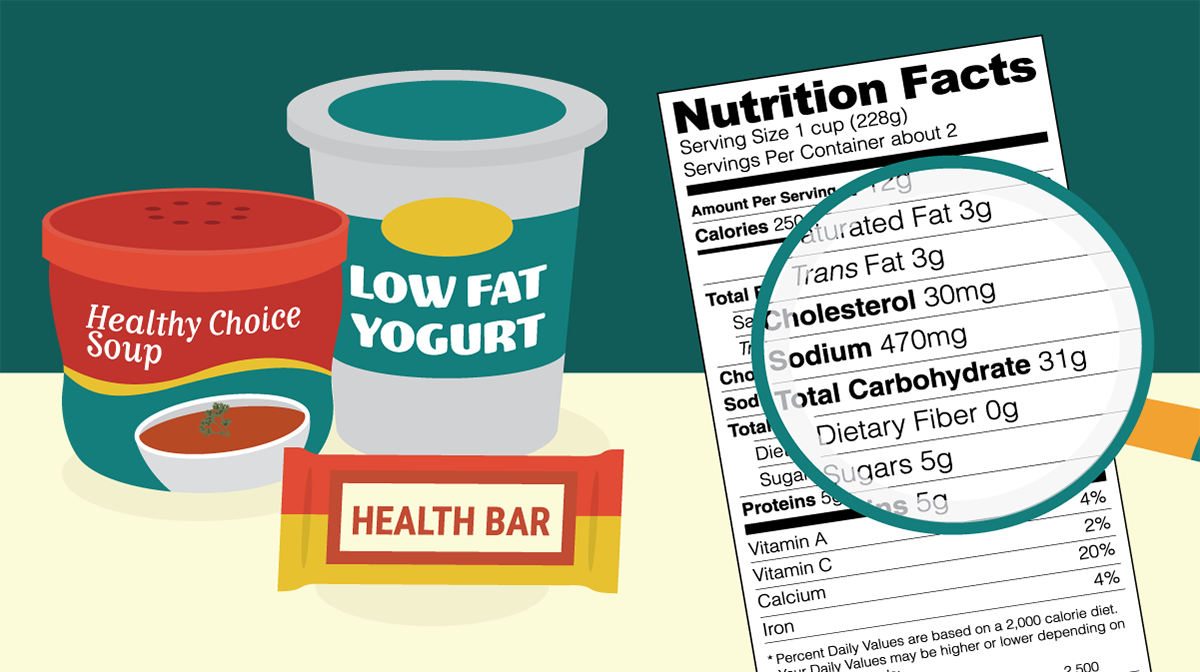
Digital tools improve traceability and quality control. Blockchain and AI monitor meat from farm to table. This transparency builds trust in clean label claims. Combining natural ingredients with smart tech creates safer, fresher meat products.
Credit: foodsafetyworks.com
Frequently Asked Questions
What Are Clean Label Ingredients In Meat Safety?
Clean label ingredients are natural, recognizable substances used to enhance meat safety. They avoid artificial additives and preservatives. These ingredients help control microbial growth and extend shelf life naturally, ensuring safer, healthier meat products.
How Do Clean Label Ingredients Improve Meat Safety?
Clean label ingredients improve meat safety by inhibiting harmful bacteria and preventing spoilage. They use natural antimicrobials and antioxidants, reducing the need for synthetic chemicals. This ensures safer meat while meeting consumer demand for transparency and clean eating.
Which Natural Preservatives Ensure Meat Safety?
Natural preservatives like vinegar, rosemary extract, and cultured celery powder ensure meat safety. They act as antimicrobials and antioxidants, slowing microbial growth. These clean label options maintain meat quality and freshness without synthetic additives.
Are Clean Label Ingredients Effective Against Pathogens?
Yes, clean label ingredients effectively combat pathogens like Listeria and Salmonella. Natural antimicrobials disrupt bacterial growth and improve meat safety. Their use supports safer food without compromising consumer preference for natural ingredients.
Conclusion
Clean label ingredients help keep meat safe and healthy. They use natural substances instead of chemicals. This meets consumer demand for simple, clear foods. Meat producers can protect food without hiding what’s inside. Choosing clean labels supports trust and transparency.
Safe meat means fewer health risks for everyone. This approach benefits both makers and buyers alike. Simple, honest ingredients make a real difference. That’s why clean label options matter today.

Hi, I’m Daniel Brooks—a food lover and kitchen gear enthusiast. I enjoy testing cookware, utensils, and gadgets to see what really works in everyday cooking. At PlugChef.com, I share honest reviews, comparisons, and simple guides to help you choose the best tools for a safer, smarter, and more enjoyable kitchen.
Related posts:
 What Type of Cooking Utensils are Safe: Expert Picks
 What Innovations Could Blenders Make: Unleashing Future Tech
 Smart Strategies to Organize a Small Kitchen: Maximize Space
 How to Organize a Kitchen Cabinet: Expert Tips & Tricks
 How to Organize Kitchen Drawers: Expert Tips and Tricks
 How to Organize a Corner Kitchen Cupboard: Expert Tips

