
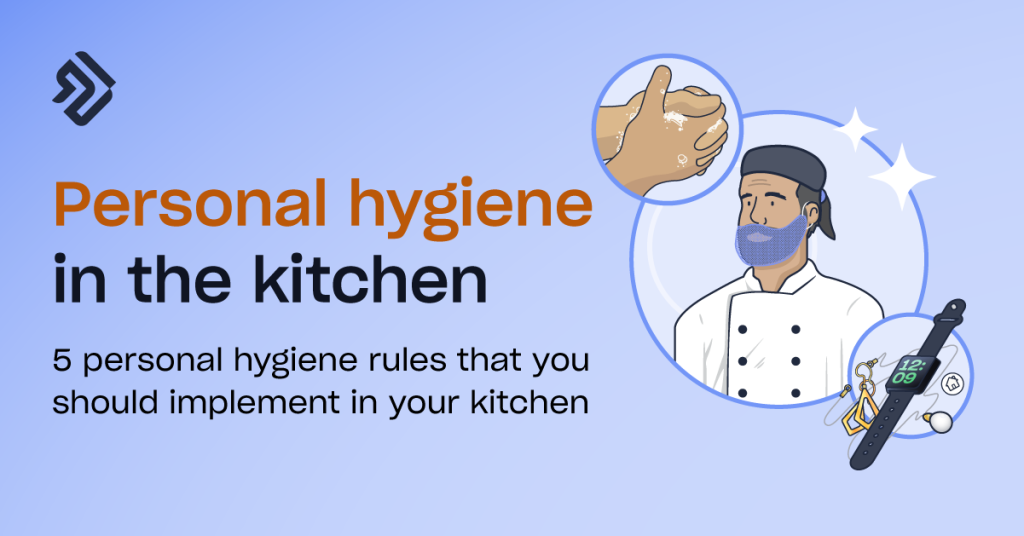
Your kitchen is more than just a place to cook; it’s a hub for your family’s health. But have you ever stopped to think about how your personal hygiene affects the cleanliness of your kitchen?
Small habits you practice every day can make a big difference in preventing germs and keeping your food safe. If you want to protect yourself and your loved ones from illness, understanding the link between kitchen and personal hygiene is essential.
Keep reading to discover simple, powerful tips that can transform your daily routine and boost the safety of every meal you prepare.
Credit: probeit.ca
Safe Food Handling
In the hustle and bustle of daily life, the kitchen becomes a central hub. It’s where we gather, create, and nourish ourselves. But as we navigate through chopping vegetables and marinating meats, safe food handling becomes crucial. How can you ensure the food you prepare is not only delicious but also safe for consumption? Let’s delve into some essential practices that can make your kitchen a safer space.
Proper Washing Techniques
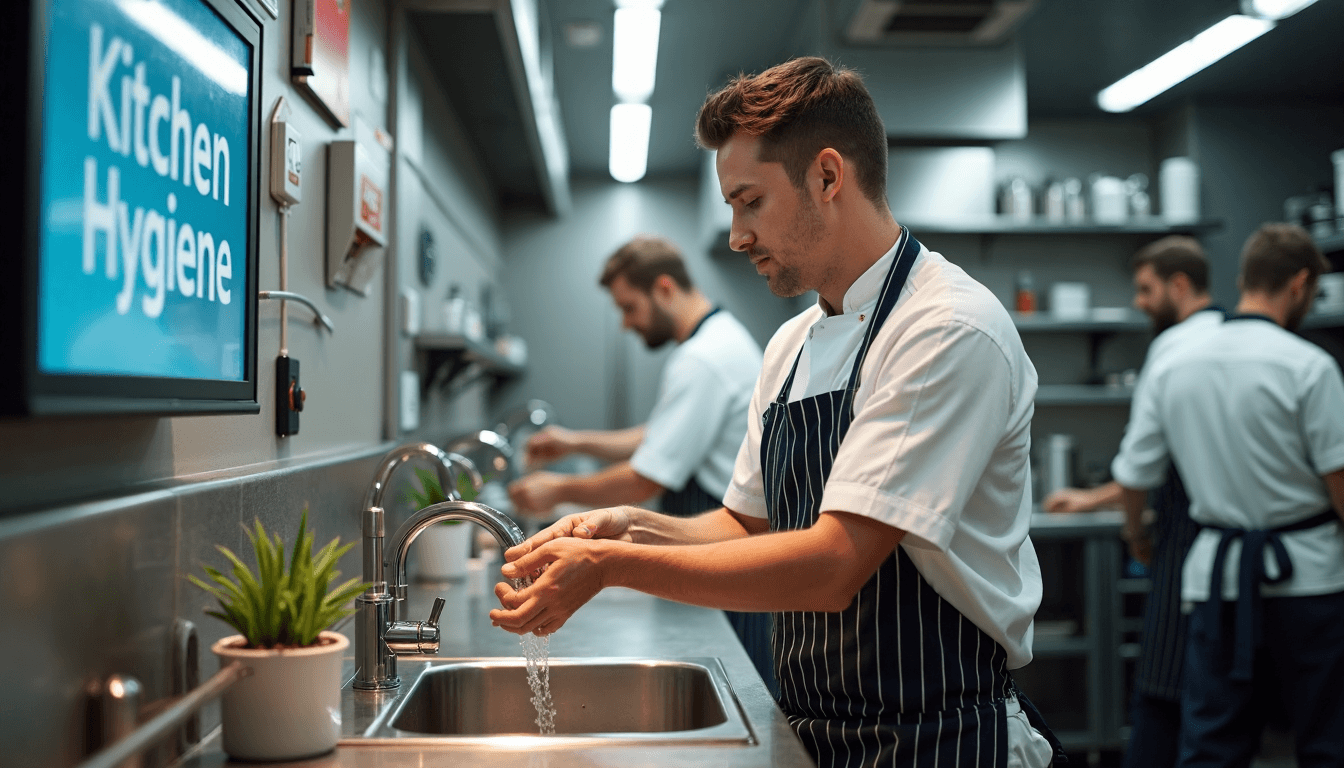
Imagine you’re about to whip up a fresh salad. You grab the lettuce and start rinsing. But is a quick splash of water enough? To truly cleanse your produce, give it a good rub under running water. This helps to remove any lingering dirt or bacteria. And don’t forget about your hands. Frequent handwashing with soap is your first line of defense against germs. Have you ever noticed how much cleaner your hands feel after a thorough wash?
Avoiding Cross Contamination
Cross contamination can be a sneaky culprit in the kitchen. Ever used the same cutting board for chicken and veggies? It’s a common mistake. Consider dedicating specific boards for raw meats and others for produce. Also, washing utensils and surfaces immediately after use can prevent the spread of harmful bacteria. Are your kitchen practices keeping your family safe?
Safe Cooking Temperatures
Cooking food to the right temperature is vital. Undercooked meat can harbor dangerous pathogens. Using a food thermometer ensures your dishes reach safe temperatures. For example, poultry should hit at least 165°F. It’s like giving yourself peace of mind with every bite. Have you ever checked the temperature of your food before serving?

Credit: www.laboutiquedubarman.fr
Kitchen Cleanliness
Keeping your kitchen clean is more than just about looks—it directly impacts your health and the safety of the food you prepare. A tidy kitchen reduces the risk of foodborne illnesses and creates a pleasant space to cook and gather. How often do you think about the unseen germs lingering on your counters or the trash that sits too long?
Daily Cleaning Routines
Consistency is key when it comes to kitchen cleanliness. Make it a habit to wipe down countertops and stove tops every day, especially after cooking. Using a damp cloth with mild detergent can quickly remove food residues and spills before they attract pests.
Don’t forget the small but important tasks like cleaning your sink and drying dish racks. These areas often harbor bacteria if left wet or dirty. Setting a daily reminder might help you keep these routines on track without feeling overwhelmed.
Sanitizing Surfaces
Simply cleaning is not always enough; sanitizing kills the germs that can cause illness. Use a solution with at least 70% alcohol or a diluted bleach mix to sanitize cutting boards, countertops, and handles. Be sure to follow product instructions for safe and effective use.
Switching between raw meat and vegetables? Always sanitize surfaces in between to avoid cross-contamination. It might seem like extra work, but it’s a small effort that protects you and your family from harmful bacteria.
Managing Waste Effectively
Garbage can be a hotspot for bacteria and odors if not managed properly. Empty your kitchen trash regularly, especially if it contains food scraps. Use trash bags that fit your bin well to avoid spills and leaks.
Consider keeping a separate compost bin for organic waste if possible. This not only reduces the load on your trash but also encourages eco-friendly habits. How do you currently handle kitchen waste, and could there be a better system that saves you time and effort?
Personal Hygiene Habits
Personal hygiene habits play a vital role in keeping kitchens safe and clean. Good hygiene stops germs from spreading to food. This helps prevent sickness and food contamination.
Simple daily habits protect both the cook and everyone eating the food. Clean hands, nails, and skin are key parts of this routine. Avoiding face touching also keeps germs away from meals.
Handwashing Best Practices
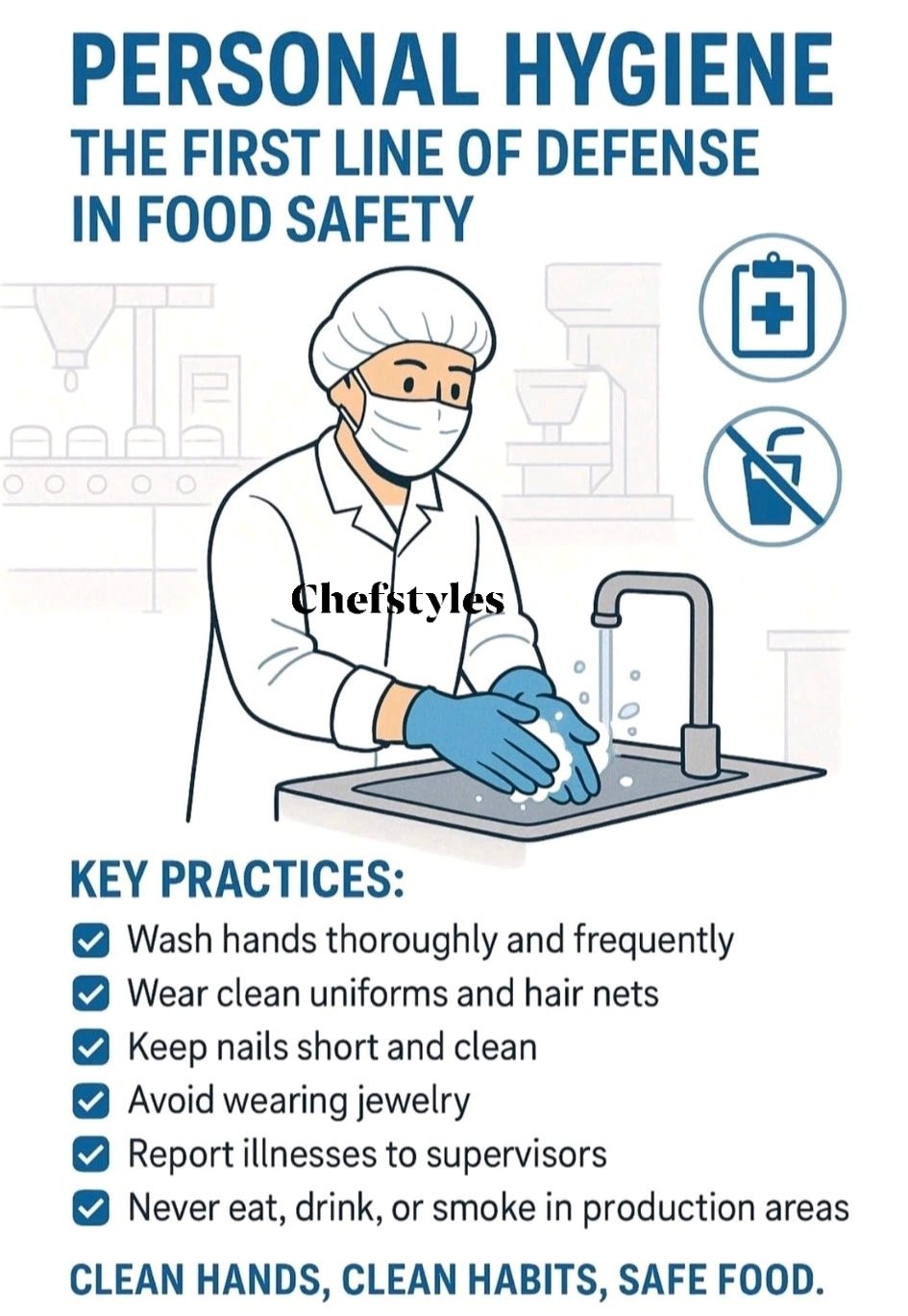
Wash hands with warm water and soap for at least 20 seconds. Scrub all parts, including between fingers and under nails. Use a clean towel or air dry to avoid germs. Wash hands before cooking, after touching raw food, or using the bathroom. Handwashing reduces bacteria and keeps food safe.
Maintaining Nail And Skin Cleanliness
Keep nails short and clean to avoid dirt buildup. Avoid nail polish or fake nails while cooking, as they can trap bacteria. Wash hands after touching pets or dirty surfaces. Moisturize skin to prevent cracking, which can harbor germs. Healthy skin reduces the risk of contaminating food.
Avoiding Touching Face While Cooking
Touching your face spreads oils and germs to your hands. This can then transfer to food and kitchen tools. Stay conscious of this habit while preparing meals. Use a clean towel or tissue if you must touch your face. This small change helps keep kitchens more hygienic.
Credit: www.facebook.com
Safe Storage Practices
Safe storage practices in the kitchen play a vital role in maintaining both food quality and personal hygiene. Improper storage can lead to contamination, spoilage, and even health risks. By paying attention to how you store your ingredients and leftovers, you protect yourself and your family from avoidable issues.
Proper Refrigeration Tips
Your refrigerator is more than just a cold box; it’s a carefully balanced environment. Keep raw meats on the bottom shelf to prevent drips onto other foods. Set your fridge temperature between 35°F and 38°F to slow bacterial growth without freezing your items.
Don’t overcrowd your fridge—air needs to circulate freely to keep everything evenly cool. Have you ever noticed some foods spoil faster than others? That might be due to improper placement or temperature settings.
Organizing Pantry Items
Organizing your pantry reduces waste and keeps pests away. Group similar items together, such as baking supplies, canned goods, and snacks. Use labels with expiration dates so you always know what to use first.
Store heavier items on lower shelves to avoid accidents. Consider placing frequently used items at eye level for easy access. How often do you find expired products hidden in the back of your pantry? Regular checks can help prevent this.
Using Airtight Containers
Airtight containers are key to preserving freshness and preventing contamination. They keep moisture, pests, and odors out, which extends the shelf life of your dry goods. Choose containers made of glass or BPA-free plastic for safety.
Try transferring cereals, grains, and spices into these containers. You’ll notice a difference in taste and texture over time. Have you ever opened a bag of chips only to find them stale? Airtight storage can stop that from happening.
Preventing Pest Infestations
Pest infestations can quickly turn your kitchen and personal hygiene areas into unsafe zones. These unwanted guests not only spread germs but also damage your property and food supplies. Taking proactive steps to prevent pests can save you time, money, and stress.
Sealing Entry Points
Small cracks and gaps around windows, doors, and pipes are common entry points for pests. Carefully inspect these areas and seal them with weatherproof caulk or foam. This simple action creates a strong barrier that pests struggle to penetrate.
Don’t forget to check less obvious spots like vents, utility lines, and baseboards. A tight seal here reduces the chances of bugs sneaking inside. Have you checked your kitchen’s entry points recently?
Regular Inspection Tips
Make it a habit to inspect your kitchen and hygiene spaces weekly. Look for signs like droppings, gnaw marks, or strange odors. Early detection helps you react before an infestation grows.
- Check under sinks and behind appliances for moisture or food crumbs.
- Keep an eye on pantry shelves for torn packaging or sticky residue.
- Inspect trash bins and recycling containers for leaks or overflow.
Set reminders on your phone or calendar to keep inspections consistent. What clues have you found during your last inspection?
Safe Pest Control Methods
Choosing safe pest control protects your family and pets from harmful chemicals. Start with natural repellents like peppermint oil, vinegar sprays, or diatomaceous earth. These options deter pests without toxic side effects.
If you need stronger solutions, opt for bait traps or sticky boards instead of widespread sprays. These methods target pests directly and limit exposure to your household. Remember, your goal is to remove pests, not introduce new hazards.
Healthy Kitchen Habits
Healthy kitchen habits help keep food safe and prevent illness. Cleanliness and care in the kitchen protect your family’s health. Small actions make a big difference in food hygiene.
Wearing Clean Clothing
Wear clean clothes every time you cook. Dirty clothes carry germs and bacteria. Changing into fresh clothes reduces contamination risks. Avoid wearing outdoor clothes in the kitchen.
Using Separate Utensils
Use different utensils for raw and cooked food. This stops harmful bacteria from spreading. Keep cutting boards and knives separate for meat and vegetables. Clean utensils well after each use.
Keeping Hair Tied Back
Tie hair back to stop it from falling into food. Loose hair can carry dirt and germs. Use hair ties or caps to keep hair neat. This keeps food cleaner and safer to eat.
Frequently Asked Questions
Why Is Kitchen Hygiene Important For Personal Health?
Kitchen hygiene prevents foodborne illnesses by reducing bacteria and contaminants. Clean surfaces and utensils ensure safe food preparation. Good hygiene habits protect your family’s health and improve overall wellbeing. It also helps avoid cross-contamination and food spoilage.
How Often Should Kitchen Surfaces Be Cleaned?
Kitchen surfaces should be cleaned daily after food preparation. High-touch areas like countertops, sinks, and handles need regular disinfection. Cleaning prevents bacteria buildup and ensures a safe cooking environment. Wiping spills immediately also helps maintain hygiene.
What Personal Hygiene Practices Are Essential In The Kitchen?
Wash hands thoroughly before cooking and after handling raw food. Keep nails trimmed and avoid touching your face. Use clean utensils and wear clean clothes or aprons. These practices reduce contamination risks and maintain food safety.
How Can I Maintain Hygiene When Handling Raw Food?
Always wash hands before and after handling raw food. Use separate cutting boards and utensils for raw and cooked items. Clean surfaces immediately after contact with raw ingredients. This prevents cross-contamination and foodborne illnesses.
Conclusion
Keeping your kitchen clean protects your health every day. Wash hands often to stop germs from spreading. Clean surfaces before and after cooking to stay safe. Store food properly to avoid spoilage and sickness. Personal hygiene helps prevent infections and keeps you feeling good.
Small habits make a big difference in your home’s safety. A tidy kitchen and good hygiene go hand in hand. Stay mindful, stay healthy, and enjoy your meals with peace of mind.

Hi, I’m Daniel Brooks—a food lover and kitchen gear enthusiast. I enjoy testing cookware, utensils, and gadgets to see what really works in everyday cooking. At PlugChef.com, I share honest reviews, comparisons, and simple guides to help you choose the best tools for a safer, smarter, and more enjoyable kitchen.
Related posts:
 What Type of Cooking Utensils are Safe: Expert Picks
 What Innovations Could Blenders Make: Unleashing Future Tech
 Smart Strategies to Organize a Small Kitchen: Maximize Space
 How to Organize a Kitchen Cabinet: Expert Tips & Tricks
 How to Organize Kitchen Drawers: Expert Tips and Tricks
 How to Organize a Corner Kitchen Cupboard: Expert Tips

