
When a fire breaks out, every second counts—and knowing the right extinguisher to use can save your property and even your life. Have you ever wondered what makes a Carbon Dioxide (CO2) fire extinguisher different from others?
Understanding the Carbon Dioxide Fire Extinguisher Class is essential for your safety, whether at home, work, or anywhere you need quick action. This guide will help you see why CO2 extinguishers are the best choice for certain fires and how they work to put danger out fast.
Keep reading, because learning this could make all the difference when it matters most.
Types Of Fire Extinguishers
Fire extinguishers come in different types. Each type suits specific fire classes. Knowing these types helps choose the right extinguisher for safety.
Water-based Extinguishers
Water-based extinguishers use water to cool the fire. They work well on fires involving wood, paper, and cloth. These extinguishers are not safe for electrical or oil fires.
Foam Extinguishers
Foam extinguishers cover the fire with a foam layer. This cuts off the oxygen supply to the fire. They work best on flammable liquid fires and solid materials like wood.
Powder Extinguishers
Powder extinguishers spray a dry chemical powder. This powder stops the chemical reactions in the fire. They are effective on electrical fires and flammable liquids. Powder extinguishers leave residue after use.
Co2 Extinguishers
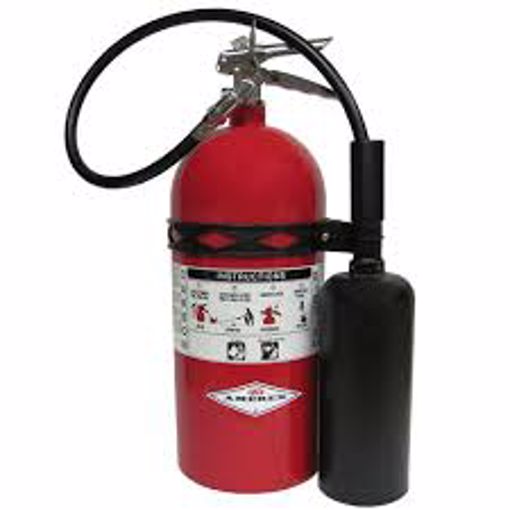
CO2 extinguishers release carbon dioxide gas. This gas removes oxygen around the fire and cools it down. They are ideal for electrical fires and flammable liquids. CO2 extinguishers leave no residue, making cleanup easy.
Understanding Co2 Fire Extinguishers
Understanding CO2 fire extinguishers is essential for effective fire safety. These extinguishers are common in offices, kitchens, and electrical rooms. They handle specific types of fires and work differently from water or foam extinguishers. Knowing how they function helps in choosing the right extinguisher for each fire hazard.
Composition And Design
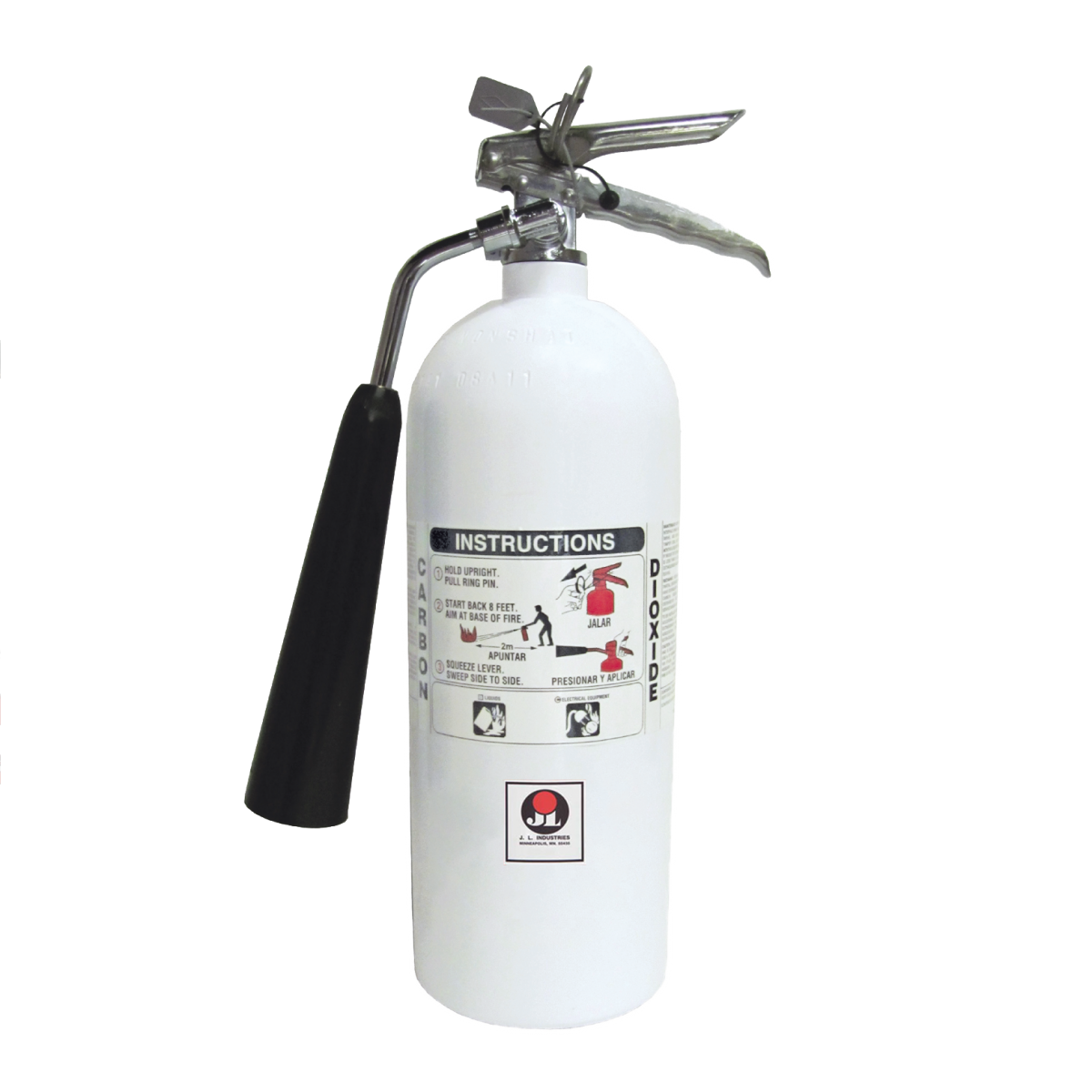
CO2 fire extinguishers contain carbon dioxide gas stored under high pressure. The cylinder is made from strong metal to hold the gas safely. A horn-shaped nozzle releases the gas as a cold, dense cloud. This design avoids spreading the fire or causing damage to electrical equipment. The extinguisher is portable and easy to carry for quick use.
How Co2 Extinguishes Fire
CO2 extinguishes fire by removing oxygen and cooling flames. The gas pushes away the oxygen around the fire, starving it. It also lowers the temperature, which helps stop the fire from spreading. CO2 does not leave any residue, making it ideal for sensitive equipment. This method works best on Class B and electrical fires.
Applications Of Co2 Extinguishers
Carbon dioxide (CO2) fire extinguishers have specific uses due to their unique properties. These extinguishers release CO2 gas, which displaces oxygen and cools the fire. This makes them ideal for certain fire types and environments. Understanding where to use CO2 extinguishers helps ensure safety and effectiveness.
Suitable Fire Classes
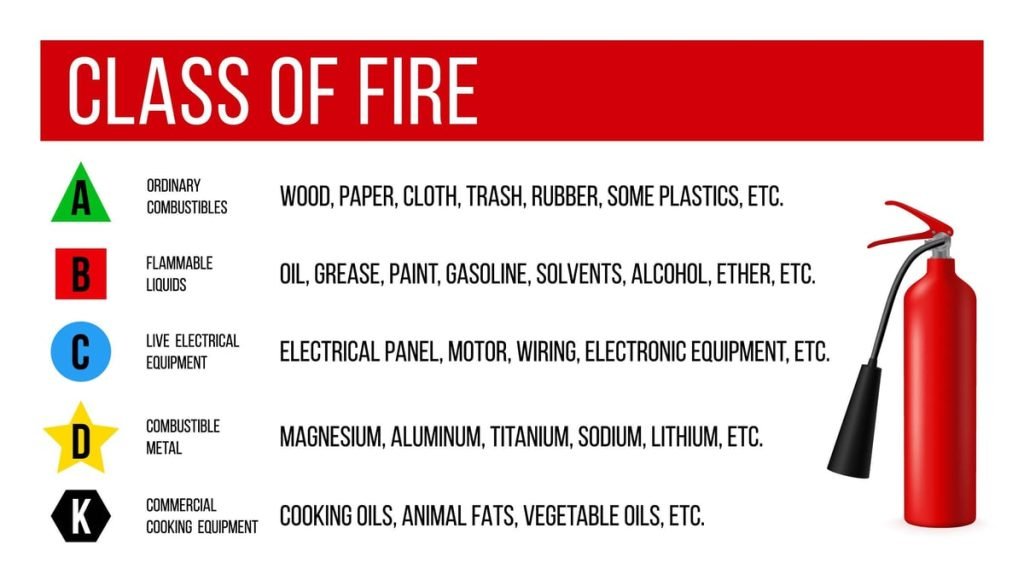
CO2 extinguishers work best on fires involving electrical equipment and flammable liquids. They do not leave any residue, so they are safe for sensitive electronics. The main fire classes suitable for CO2 extinguishers include:
- Class B: Fires caused by flammable liquids like gasoline, oil, and paint.
- Class C: Fires involving electrical equipment such as computers, wiring, and appliances.
They are not suitable for fires involving ordinary combustibles, like wood or paper.
Common Usage Scenarios
CO2 extinguishers are commonly found in offices, server rooms, and laboratories. They are preferred in places with valuable electronics or delicate equipment. Typical usage scenarios include:
- Electrical fires in data centers or control rooms.
- Flammable liquid spills in workshops or factories.
- Kitchen fires involving grease or oils, but only if the extinguisher is rated for such use.
The clean discharge means no damage to equipment, making CO2 extinguishers very practical for specific environments.
Advantages Of Co2 Extinguishers
Carbon Dioxide (CO2) fire extinguishers offer several key advantages that make them a valuable tool in fire safety. Their unique properties ensure they can handle specific fire types effectively without causing additional damage. Understanding these benefits can help you decide if a CO2 extinguisher fits your safety needs.
Non-conductive Properties
CO2 extinguishers do not conduct electricity, making them safe to use on electrical fires. This feature is critical in environments with live electrical equipment, such as server rooms or offices. You can confidently tackle a fire without risking electrical shocks or further hazards.
Residue-free Extinguishing
Unlike powder extinguishers, CO2 leaves no residue after use. This means you won’t have to deal with cleanup or potential damage to sensitive equipment. Have you ever dealt with the aftermath of a messy fire extinguisher discharge? CO2 helps you avoid that hassle entirely.
Effectiveness In Enclosed Spaces
CO2 works by displacing oxygen, which starves the fire and helps put it out quickly. This makes it highly effective in small, enclosed areas where oxygen levels can be controlled. However, you must ensure proper ventilation afterward to avoid suffocation risks for anyone nearby.
Limitations Of Co2 Extinguishers
Carbon Dioxide (CO2) fire extinguishers are popular for tackling certain types of fires, but they aren’t a one-size-fits-all solution. Understanding their limitations helps you use them safely and effectively. Let’s look closely at where CO2 extinguishers fall short and what risks they may pose.
Not For Class A Fires
CO2 extinguishers are designed mainly for electrical fires (Class C) and flammable liquids (Class B). They are not effective on Class A fires, which involve ordinary combustibles like wood, paper, and cloth.
This is because CO2 displaces oxygen but does not cool the burning material. Without cooling, embers can reignite, making CO2 a risky choice for these fires. Have you ever tried putting out a wood fire with CO2 and noticed it flaring up again?
Safety Concerns
While CO2 extinguishers don’t leave a residue, the gas can cause breathing difficulties in confined spaces. Using them in small, unventilated rooms can lead to oxygen deficiency, which can be dangerous for you and others.
Another concern is the extreme cold of the gas. Direct contact with the extinguisher’s discharge horn can cause frostbite. Always handle it carefully and avoid aiming at people.
Environmental Impact
CO2 is a greenhouse gas and contributes to climate change. Although the amount released by an extinguisher is small, widespread use adds up over time.
Would you consider this impact when choosing fire safety equipment? Balancing safety with environmental responsibility is becoming more important in every decision you make.
Safe Handling Practices
Handling a Carbon Dioxide (CO2) fire extinguisher safely is crucial. These extinguishers work by removing oxygen to stop fires. Their unique design means users must follow specific safety steps. Proper handling keeps you and others safe during emergencies. It also ensures the extinguisher works correctly when needed.
Proper Usage Techniques
Hold the extinguisher firmly by the handle. Avoid touching the discharge horn; it gets very cold. Aim the horn at the base of the fire. Squeeze the lever slowly and sweep side to side. Keep a safe distance from the fire. Stop once the flames are out or the extinguisher is empty. Never use CO2extinguishers on fires involving electrical equipment without caution. Wear gloves if possible to protect your hands from frostbite.
Storage And Maintenance
Store CO2extinguishers upright in a dry place. Keep them away from heat and direct sunlight. Check pressure gauges monthly to ensure proper pressure levels. Inspect for any physical damage or corrosion. Clean the horn and body regularly to prevent dust buildup. Replace or service extinguishers after any use. Follow manufacturer instructions for routine maintenance. Keep the extinguisher easily accessible and clearly visible at all times.
Regulations And Standards
Carbon dioxide fire extinguishers must meet strict rules to ensure safety and performance. These rules help users trust the extinguisher will work during emergencies. Regulations also guide how to handle, store, and maintain these devices properly. Understanding these standards is key for businesses, schools, and homes using CO2 extinguishers.
Compliance Requirements
CO2 fire extinguishers must follow national and international safety standards. These include proper labeling, size, and pressure limits. Manufacturers must certify that their products meet these rules. Users must choose extinguishers approved for specific fire classes. Using a non-compliant extinguisher can cause safety hazards and legal issues.
- Must meet standards like UL, EN, or NFPA
- Correct rating for Class B and electrical fires
- Clear instructions and safety warnings on the label
- Proper size and weight for intended use
Inspection Protocols
Regular inspections keep CO2 extinguishers ready to use. Inspections check pressure levels, physical condition, and accessibility. Trained personnel must perform inspections monthly and yearly. Records of inspections must be kept for compliance proof. Any damage or low pressure requires immediate service or replacement.
- Monthly visual checks for damage or leaks
- Annual professional service and pressure testing
- Clear tags showing last inspection date
- Keep extinguishers unobstructed and easy to reach
Credit: www.castexrentals.com
Choosing The Right Extinguisher
Choosing the right carbon dioxide fire extinguisher is vital for safety. It ensures effective fire control and protects lives and property. Different environments and fire types need specific extinguishers. Understanding key factors helps select the best one for your needs.
Assessing Fire Risks
Identify the common fire hazards in your area. Carbon dioxide extinguishers work well on electrical fires and flammable liquids. They do not suit fires involving wood, paper, or fabrics. Knowing the fire risk type guides the extinguisher choice. Think about where fires are most likely to start. Check if electrical equipment or flammable liquids are present.
Size And Capacity Considerations
Extinguishers come in various sizes and capacities. Larger extinguishers last longer but weigh more. Smaller units are easier to carry and use quickly. Choose a size that matches the space and risk level. For large areas, bigger capacity offers better coverage. For small rooms or vehicles, a compact extinguisher is practical. Balance capacity with ease of handling for best results.
Training And Awareness
Training and awareness are key to using Carbon Dioxide fire extinguishers safely and effectively. Proper knowledge helps prevent accidents and ensures quick action during emergencies. Everyone should understand the extinguisher’s purpose and correct handling steps.
Emergency Response Training
Emergency response training teaches people how to act fast and stay calm. It covers recognizing fire types that need a CO2 extinguisher. Trainees learn the correct way to hold and operate the device. Practice sessions build confidence and reduce panic in real situations.
Training includes:
- Identifying electrical and flammable liquid fires
- Steps to discharge CO2 safely
- Proper positioning and aiming techniques
- Evacuation plans after extinguisher use
Public Awareness Programs
Public awareness programs spread knowledge about fire safety to the community. They explain why CO2 extinguishers are important and where to find them. Clear instructions increase the chance of correct use during a fire.
Programs often use:
- Posters and flyers with simple steps
- Workshops and demonstrations
- School and workplace safety talks
- Online resources and videos
Raising awareness helps reduce fire damage and saves lives.
Credit: www.activarcpg.com

Credit: www.amazon.com
Frequently Asked Questions
What Is A Carbon Dioxide Fire Extinguisher?
A Carbon Dioxide fire extinguisher uses CO2 gas to extinguish fires by removing oxygen. It’s effective on electrical and flammable liquid fires, making it ideal for offices and kitchens.
Which Fire Classes Can Co2 Extinguishers Handle?
CO2 extinguishers are mainly for Class B (flammable liquids) and Class C (electrical) fires. They are not suitable for Class A fires involving ordinary combustibles like wood or paper.
How Does A Carbon Dioxide Extinguisher Work?
It works by releasing carbon dioxide gas to displace oxygen around the fire. This suffocates the flames without leaving any residue, making it safe for sensitive electronics.
Where Should Carbon Dioxide Extinguishers Be Used?
CO2 extinguishers are best in areas with electrical equipment, such as server rooms or laboratories. They are also suitable for kitchens and workshops with flammable liquids.
Conclusion
Carbon dioxide fire extinguishers work best on electrical and liquid fires. They do not leave any residue or damage equipment. Always know how to use them safely and effectively. Keep these extinguishers accessible in areas with electrical devices. Regular checks ensure they function properly in emergencies.
Understanding their use can help prevent fire damage and injuries. Stay prepared and stay safe with the right fire extinguisher.

Hi, I’m Daniel Brooks—a food lover and kitchen gear enthusiast. I enjoy testing cookware, utensils, and gadgets to see what really works in everyday cooking. At PlugChef.com, I share honest reviews, comparisons, and simple guides to help you choose the best tools for a safer, smarter, and more enjoyable kitchen.
Related posts:
 What Type of Cooking Utensils are Safe: Expert Picks
 What Innovations Could Blenders Make: Unleashing Future Tech
 Smart Strategies to Organize a Small Kitchen: Maximize Space
 How to Organize a Kitchen Cabinet: Expert Tips & Tricks
 How to Organize Kitchen Drawers: Expert Tips and Tricks
 How to Organize a Corner Kitchen Cupboard: Expert Tips

