

Have an old fire extinguisher lying around and wonder how to get rid of it safely? You’re not alone.
Disposing of fire extinguishers isn’t as simple as tossing them in the trash. If you don’t handle them properly, you could face risks to your safety and the environment. You’ll discover clear, easy steps to dispose of your fire extinguisher the right way.
Keep reading to protect yourself, your home, and the planet.
Types Of Fire Extinguishers
Understanding the different types of fire extinguishers is key before you decide how to dispose of them properly. Each extinguisher contains different chemicals and materials that require specific handling. Knowing the type helps you avoid safety risks and environmental harm.
Dry Chemical Extinguishers
Dry chemical extinguishers are the most common type you’ll find in homes and businesses. They use powders like monoammonium phosphate to stop fires quickly.
Because of the chemical content, you cannot just throw them in the trash. Many local hazardous waste facilities accept them for safe disposal. Have you checked if your area has a special drop-off for these?
Co2 Extinguishers
Carbon dioxide (CO2) extinguishers work by cutting off oxygen to the fire and leaving no residue behind. They are often used for electrical fires or flammable liquids.
Since they contain pressurized gas, CO2 extinguishers need careful handling. Returning them to a fire extinguisher service center is often the safest option. Do you know where your nearest refill or recycling station is?
Water-based Extinguishers
Water-based extinguishers are mainly for ordinary combustible fires like wood or paper. They contain water or a water-based solution and are usually less hazardous to dispose of.
Still, it’s important to check local guidelines because the metal container can be recycled, but the water inside should be emptied safely. Have you ever tried recycling an extinguisher’s metal canister?
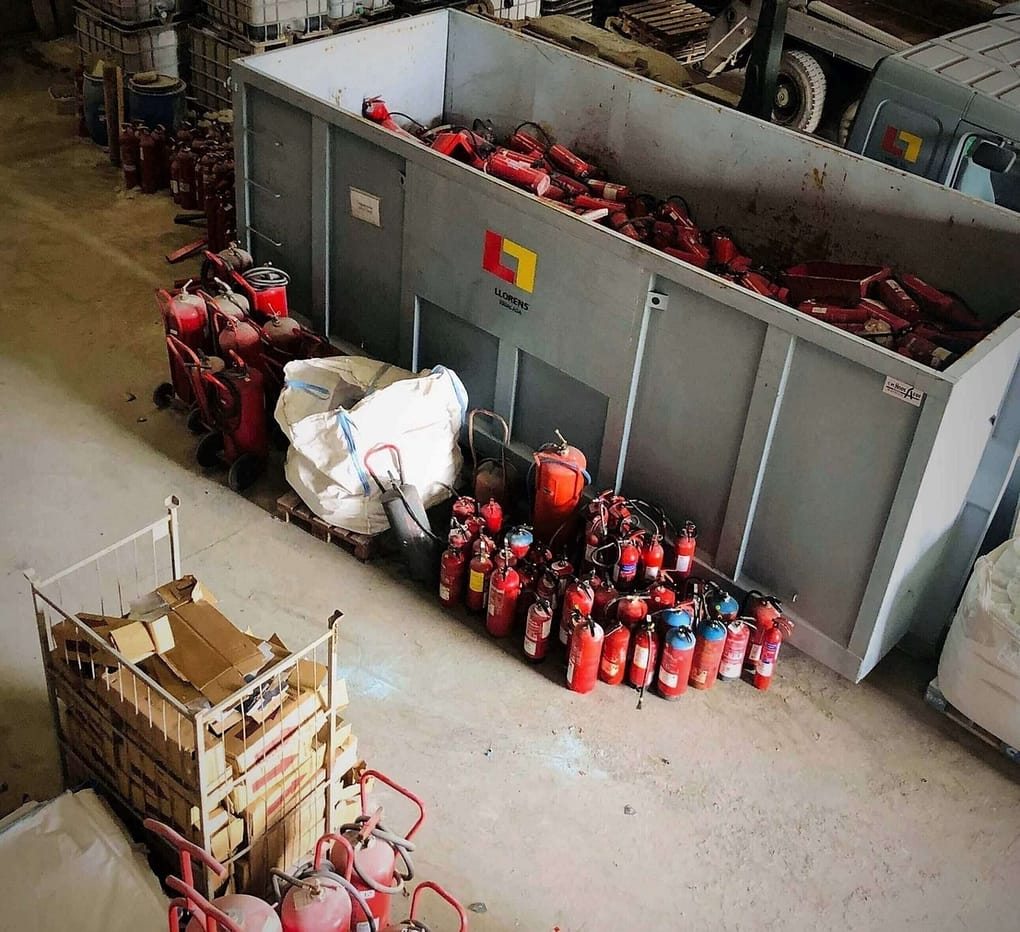
Credit: www.residuosllorens.es
Identifying Expired Extinguishers
Knowing how to spot an expired fire extinguisher can save you from unexpected hazards. Expired extinguishers may not work properly when you need them most, putting your safety at risk. Taking a moment to identify these outdated devices ensures your fire safety equipment is always reliable.
Checking Expiry Dates
Most fire extinguishers have a clear label showing the manufacture date or expiration date. Look closely at the body or the label of the extinguisher for this information. If the date is missing or faded, it’s safer to replace or service the extinguisher rather than guess its condition.
Keep in mind that many extinguishers expire after 5 to 15 years, depending on the type. Have you checked your extinguisher’s date recently? This simple check can prevent you from relying on a device that might fail in an emergency.
Inspecting Physical Condition
Besides dates, the extinguisher’s physical state tells a lot about its usability. Look for dents, rust, or corrosion on the canister; these signs often indicate the extinguisher is compromised.
Also, check the pressure gauge. If the needle is in the red zone or missing, the extinguisher might not function correctly. Don’t overlook the nozzle—blockages or cracks can stop the extinguisher from working when needed.
Have you ever ignored a small dent on your extinguisher? It might seem minor, but such damage could mean the device is unsafe. Taking a few minutes to inspect your extinguisher physically can prevent costly mistakes later.
Safety Precautions
Handling fire extinguishers requires care to avoid accidents. Safety precautions protect you and others during disposal. Follow these steps to handle extinguishers safely and use proper equipment.
Handling Precautions
- Check if the extinguisher is fully empty before moving.
- Do not shake or drop the extinguisher.
- Avoid pointing the nozzle at yourself or others.
- Keep the extinguisher upright to prevent leaks.
- Transport it in a secure position to avoid damage.
- Never try to open or tamper with the extinguisher.
Personal Protective Equipment
- Wear safety gloves to protect your hands.
- Use goggles to shield your eyes from dust or chemicals.
- Wear a dust mask if the extinguisher contains powder.
- Use long sleeves and pants to avoid skin contact.
- Ensure good ventilation in the work area.
Disposal Methods
Proper disposal of fire extinguishers protects the environment and ensures safety. Fire extinguishers contain chemicals and materials that need careful handling. Choose a disposal method that suits your location and extinguisher type. Below are common disposal methods that help you get rid of old or used fire extinguishers responsibly.
Local Recycling Programs
Many communities offer recycling programs for fire extinguishers. These programs accept both empty and partially used units. Recycling centers safely separate metal and other parts for reuse. Contact your local waste management or recycling center for guidelines. Some centers require you to discharge the extinguisher before drop-off. Follow their instructions to avoid hazards.
Fire Department Disposal
Fire departments often accept old fire extinguishers for disposal. They have proper tools and knowledge to handle hazardous materials. Call your local fire station to ask if they offer this service. Some departments hold special collection events for hazardous waste. This option helps ensure safe and legal disposal of extinguishers.
Professional Disposal Services
Professional disposal services specialize in hazardous waste removal. They handle fire extinguishers with care and follow environmental laws. These services may charge a fee based on extinguisher size and type. Choose a certified company with good reviews. They provide pickup or drop-off options for convenience.
Eco-friendly Disposal
Disposing of fire extinguishers in an eco-friendly way helps protect the environment and conserves valuable resources. Instead of tossing them in the trash, you can take steps that reduce waste and promote recycling. Let’s look at practical ways you can handle your old fire extinguisher responsibly.
Recycling Metal Parts
Fire extinguishers are mostly made of metal, which makes them ideal for recycling. You can remove the metal cylinder and take it to a scrap metal recycling center. This prevents the metal from ending up in landfills and gives it a new life in other products.
Before recycling, make sure the extinguisher is completely empty and depressurized for safety. Many local recycling programs accept metal parts if they meet these conditions. Have you checked if your area offers such recycling services?
Reusing Extinguisher Components
Some parts of a fire extinguisher can be reused creatively or practically. The nozzle, handle, or pressure gauge can be repurposed for DIY projects or as spare parts. For example, a sturdy handle might become a tool grip or a unique hook in your workshop.
Reusing components reduces the demand for new materials and keeps useful items out of the trash. Next time you replace an extinguisher, think about what pieces you could save and how they might serve you again.

Credit: www.facebook.com
Legal Considerations
Disposing of fire extinguishers isn’t just about tossing them out; it involves following specific legal rules. Ignoring these can lead to fines or environmental harm. Understanding the legal considerations helps you handle your extinguisher responsibly and safely.
State Regulations
Each state has its own rules about disposing of fire extinguishers. Some require you to take them to designated collection centers. Others may allow disposal during hazardous waste events or at local fire departments.
For example, in California, you must follow strict hazardous waste guidelines, while in Texas, some counties offer free drop-off programs. Have you checked your state’s official website or called your local waste management office? Knowing these details saves you time and trouble.
Environmental Compliance
Fire extinguishers often contain chemicals that can harm the environment if not handled properly. Legal guidelines ensure these substances don’t pollute the air, water, or soil. This is why many places treat fire extinguishers as hazardous waste.
You might need to remove the extinguisher’s pressure or neutralize its contents before disposal. Some recycling centers accept empty extinguishers but not those still full. Are you sure your extinguisher is empty and safe to dispose of? Taking these steps protects the planet and keeps you within the law.
Tips For Businesses
Proper disposal of fire extinguishers protects your business and the environment. It also keeps your workplace safe from hazards. Businesses must follow clear steps to handle old or used extinguishers correctly. Creating policies and training employees ensures smooth disposal processes. Here are key tips for businesses.
Creating Disposal Policies
Set clear rules for disposing of fire extinguishers. Include details on how and where to dispose of them. Define responsibilities for staff handling this task. Policies should cover regular checks and replacement schedules. Ensure compliance with local laws and safety standards. Document every step to avoid confusion or mistakes.
Employee Training Programs
Train employees on fire extinguisher use and disposal. Teach them to recognize when an extinguisher needs disposal. Explain the dangers of improper disposal. Provide step-by-step instructions for safe handling. Use simple language and hands-on practice. Regular training keeps safety top of mind and reduces risks.

Credit: www.linkedin.com
Innovative Disposal Solutions
Disposing of fire extinguishers safely is crucial, but traditional methods can be challenging and sometimes harmful to the environment. Innovative disposal solutions are emerging that make this process easier, safer, and more eco-friendly. These new approaches not only protect you but also contribute to a cleaner planet.
Emerging Technologies
Technology is changing how fire extinguishers are disposed of. Some companies now use specialized machines that safely depressurize and recycle the metal parts. This reduces waste and prevents hazardous chemicals from leaking into the environment.
One tech innovation involves converting the extinguisher’s powder or liquid into harmless substances. This method ensures that no toxic residues remain, offering a greener alternative to simply throwing extinguishers in the trash.
Have you considered how much waste you could reduce by choosing a disposal service that uses these advanced technologies? It’s a small step that can have a big impact.
Community Initiatives
Many communities organize collection events specifically for fire extinguisher disposal. These initiatives allow you to drop off your old or expired extinguishers safely and without hassle.
Local recycling centers sometimes partner with fire departments to handle extinguishers properly. You can find these programs by checking community websites or calling your local waste management office.
Getting involved in these initiatives helps spread awareness and encourages others to dispose of their extinguishers responsibly. Could your neighborhood benefit from a dedicated collection day?
Frequently Asked Questions
How Do I Safely Dispose Of A Fire Extinguisher?
To dispose of a fire extinguisher safely, first check if it is empty. Then, contact your local hazardous waste facility for proper disposal guidelines. Never throw it in regular trash as it may contain harmful chemicals or pressurized gas.
Can I Recycle An Old Fire Extinguisher?
Yes, many fire extinguishers can be recycled. Remove the pressure and separate metal parts before taking them to a scrap metal recycler. Always confirm with your local recycling center if they accept fire extinguishers.
Where Can I Drop Off Used Fire Extinguishers?
Used fire extinguishers can be dropped off at hazardous waste collection sites or fire departments. Some retailers also offer take-back programs. Check local regulations and available facilities to ensure responsible disposal.
Is It Safe To Throw A Fire Extinguisher In The Trash?
No, throwing a fire extinguisher in the trash is unsafe. It may still be pressurized or contain chemicals harmful to the environment. Always use designated disposal or recycling facilities to prevent accidents and pollution.
Conclusion
Proper disposal of fire extinguishers keeps people and the planet safe. Empty or expired extinguishers should never go in regular trash. Many communities offer special recycling or drop-off programs. Always check local rules before disposal. Handling them carefully prevents accidents and pollution.
Remember, safe disposal protects your home and environment. Take a moment to follow the right steps. It’s simple and important. Keep safety first with correct fire extinguisher disposal.

Hi, I’m Daniel Brooks—a food lover and kitchen gear enthusiast. I enjoy testing cookware, utensils, and gadgets to see what really works in everyday cooking. At PlugChef.com, I share honest reviews, comparisons, and simple guides to help you choose the best tools for a safer, smarter, and more enjoyable kitchen.
Related posts:
 What Type of Cooking Utensils are Safe: Expert Picks
 What Innovations Could Blenders Make: Unleashing Future Tech
 Smart Strategies to Organize a Small Kitchen: Maximize Space
 How to Organize a Kitchen Cabinet: Expert Tips & Tricks
 How to Organize Kitchen Drawers: Expert Tips and Tricks
 How to Organize a Corner Kitchen Cupboard: Expert Tips

