
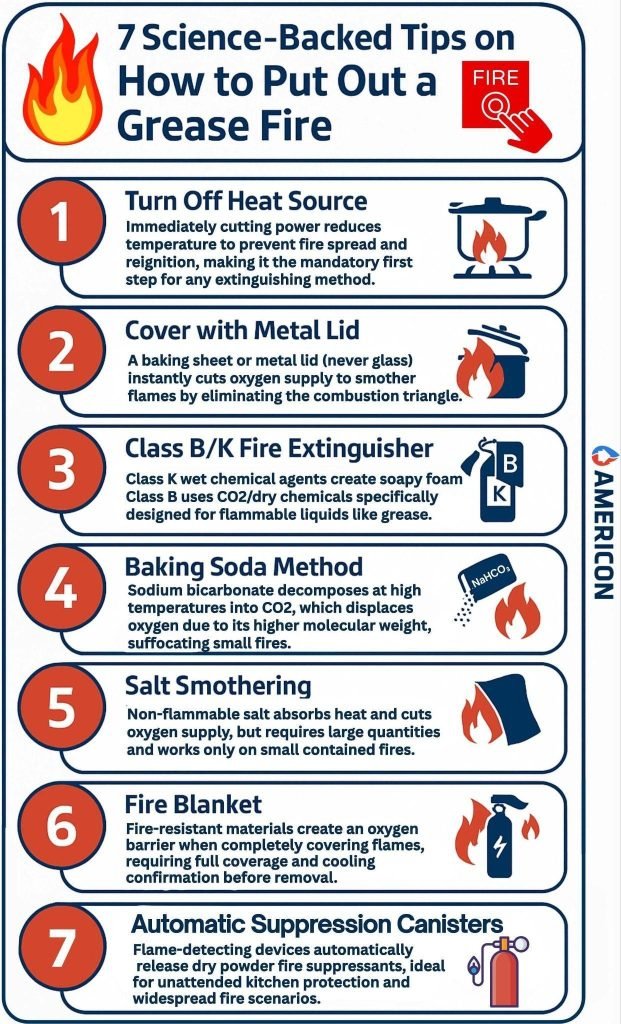
Imagine a small kitchen fire breaking out while you’re cooking. You feel panic rising, but what if you had a simple, safe way to put it out quickly?
Baking soda could be your secret weapon. You might already have it in your pantry, yet many don’t know how powerful it can be against fire. You’ll discover how baking soda works to extinguish flames and why it’s a must-have for your home safety.
Keep reading—knowing this could save you from a dangerous situation.
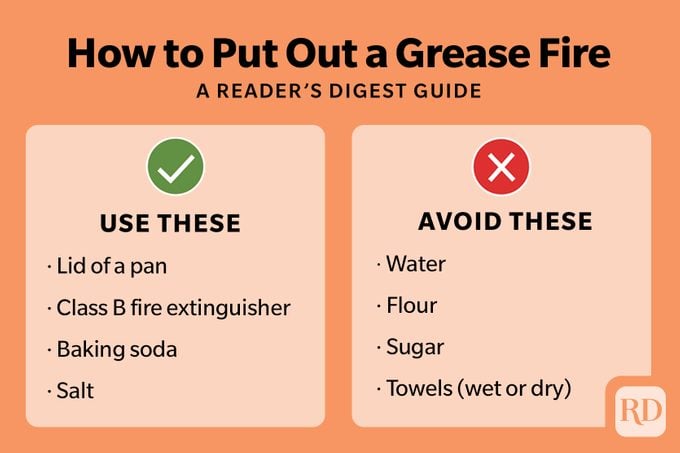
Credit: www.rd.com
Baking Soda Basics
Baking soda is a common household item with surprising uses. One important role is its ability to help put out small fires. Understanding baking soda’s basics helps explain why it works well in emergencies.
Chemical Properties
Baking soda is a white powder called sodium bicarbonate. It has the formula NaHCO3. When heated, it releases carbon dioxide gas. This gas can smother flames by cutting off oxygen. It also produces water vapor that helps cool the fire.
Common Uses
- Cooking: Used as a leavening agent to make cakes rise.
- Cleaning: Removes stains and neutralizes odors.
- Fire Safety: Helps extinguish small grease and electrical fires.
- Personal Care: Used in toothpaste and deodorants.
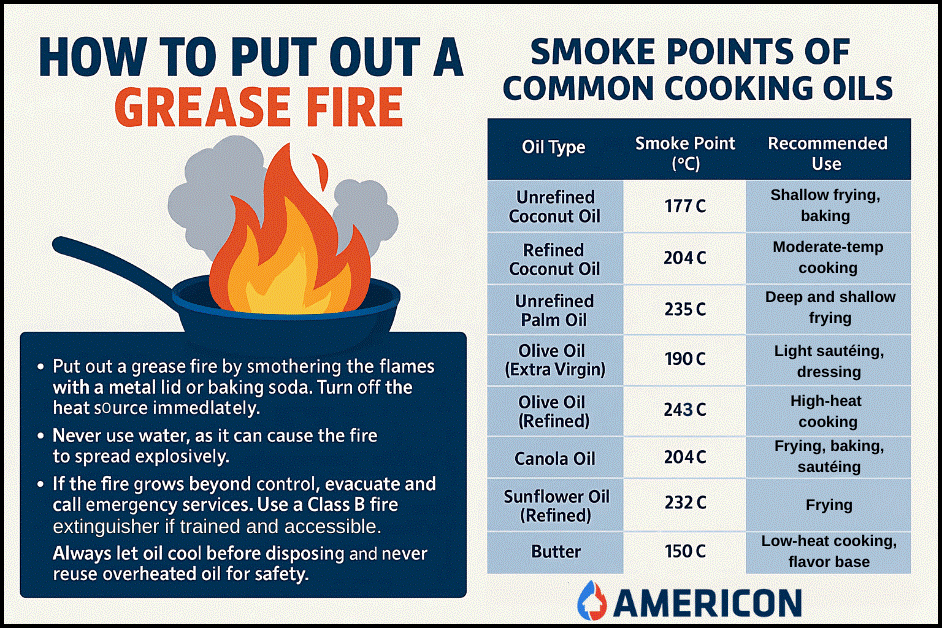
Credit: www.americonrestoration.com
Why Baking Soda Works On Fire
Baking soda is a common kitchen item with a surprising ability to stop small fires. Its effectiveness lies in its chemical nature and how it reacts when heated. Understanding why baking soda works helps in using it safely and correctly during emergencies.
Carbon Dioxide Release
Baking soda, or sodium bicarbonate, breaks down when exposed to heat. This breakdown produces carbon dioxide gas. Carbon dioxide is heavier than air and does not support fire. It surrounds the flames and cuts off the oxygen supply. Without oxygen, the fire cannot continue burning. This makes baking soda very useful for putting out grease or electrical fires.
Cooling Effect
Besides producing carbon dioxide, baking soda absorbs heat from the fire. This cooling effect lowers the temperature of the burning material. Cooler temperatures slow down the fire’s spread and help stop it faster. The heat absorption also prevents re-ignition after the flames die down. Both cooling and smothering actions work together to extinguish the fire safely.
Types Of Fires Suitable For Baking Soda
Baking soda is a handy and often overlooked fire extinguisher in your kitchen. But not every fire is safe to fight with it. Knowing which types of fires baking soda can handle will help you act fast and stay safe during an emergency.
Grease Fires
Grease fires are common in kitchens and can spread quickly if not controlled. Baking soda works well here because it releases carbon dioxide when heated, smothering the flames by cutting off the fire’s oxygen supply.
If you’ve ever accidentally set a pan on fire while cooking, you know how fast panic can set in. Instead of grabbing water, which makes grease fires worse, sprinkling baking soda can stop the fire almost immediately. Keep a box within reach when frying or cooking with oil—it might save your kitchen.
Electrical Fires
Electrical fires need special care since water can cause shocks or worsen the blaze. Baking soda is safe to use on small electrical fires because it doesn’t conduct electricity and helps to put out flames by releasing carbon dioxide.
Imagine a short circuit in your home appliance sparks a small fire. Using baking soda to douse it can prevent damage and injury. Just make sure the fire is small and manageable, and always switch off the power source if you can do so safely.
How To Use Baking Soda In Emergencies
Baking soda is a handy and effective tool to have nearby during small fire emergencies. Its ability to release carbon dioxide when heated helps smother flames quickly. Knowing how to use baking soda properly can make a big difference in preventing a fire from spreading.
Applying On Small Fires
If you notice a small grease fire or a minor flame on a surface, grab a handful of baking soda immediately. Throw it directly onto the base of the fire to cut off its oxygen supply. This action can stop the fire from growing in seconds.
Remember, baking soda works best on small fires, such as those in a pan or trash can. It’s not suitable for large or electrical fires, where other measures are necessary. Always keep a box of baking soda in your kitchen for quick access.
Safety Precautions
Before using baking soda on a fire, ensure you have a clear escape route. Never turn your back to the fire or get too close, as flames can flare unexpectedly. Wearing oven mitts or using a tool to throw the baking soda can protect your hands from heat.
Keep in mind, if the fire grows beyond control, evacuate immediately and call emergency services. Using baking soda is a first-aid response—not a replacement for professional firefighting equipment. Have a fire extinguisher nearby and know how to use it.
Advantages Of Using Baking Soda
Using baking soda to extinguish fires offers several clear advantages that make it a smart choice for home safety. Its unique properties not only help control flames but also provide peace of mind without introducing harmful chemicals into your environment. Understanding these benefits can help you prepare better and respond faster in case of a small fire emergency.
Non-toxic Nature
Baking soda is safe for you and your family because it is non-toxic. Unlike many chemical fire extinguishers, it doesn’t release harmful fumes or residues that can irritate your skin or lungs.
This means you can use it in the kitchen or near children without worrying about dangerous side effects. Have you ever wondered how many fire extinguishers contain harsh chemicals that might cause more harm than good? Baking soda offers a safer alternative.
Readily Available
Most households already have baking soda in their pantry, making it incredibly accessible during emergencies. You don’t need to run to the store or install special equipment to be prepared.
Its low cost and wide availability mean you can keep it close at hand, especially in areas prone to small grease or electrical fires. Do you know where your fire extinguisher is right now? If not, having baking soda nearby can be a quick and effective backup.

Credit: www.tiktok.com
Limitations Of Baking Soda
Baking soda is a handy fire extinguisher for small, unexpected flames. However, it’s important to understand where it falls short. Knowing its limitations can help you stay safe and avoid risky situations.
Not For Large Fires
Baking soda works well on tiny kitchen fires, like a small grease flame on the stove. But it’s not designed for bigger fires that spread quickly or involve large amounts of fuel. If a fire grows beyond your control, relying on baking soda could put you in danger.
Imagine trying to put out a fire that’s already too big to handle with just a pinch of baking soda—it won’t cut it. In those moments, your best move is to call the fire department and evacuate immediately. Do you really want to risk your safety trying to fight a large blaze alone?
Ineffectiveness On Certain Materials
Baking soda doesn’t work on every type of fire. It’s most effective on grease and electrical fires, but it won’t put out fires involving flammable liquids like gasoline or alcohol. Using baking soda on those can even make things worse by spreading the flames.
Also, fires in materials like wood or paper need water or foam extinguishers to cool down and stop burning. Baking soda won’t cool these fires enough to stop them. Have you ever tried to put out a campfire with baking soda? It’s just not practical.
Alternatives To Baking Soda
Baking soda is a common and handy fire extinguisher in kitchens. It works well for small grease fires by smothering flames. Still, other options exist for putting out fires safely. Knowing different ways helps in emergencies. Some alternatives suit different fire types and sizes.
Fire Extinguishers
Fire extinguishers are designed for various fires. They contain chemicals that stop flames quickly. Types include:
- Class A: For wood, paper, and cloth fires.
- Class B: For flammable liquids like oil and gasoline.
- Class C: For electrical fires.
- Multi-purpose: Works on many fire types.
Extinguishers are easy to use. Aim at the fire base and squeeze the handle. They are safer for bigger fires than baking soda.
Sand And Water
Sand can smother fires by cutting off oxygen. It is useful for small fires on solid surfaces. Pour sand over the flames carefully.
Water is effective for some fires but not all. It works best on wood, paper, and cloth fires. Avoid using water on grease or electrical fires as it can spread flames or cause shocks.
Sand and water are simple, natural options. Keep a bucket of sand or water nearby in places prone to fire.
Safety Tips For Fire Prevention
Fire safety begins long before flames appear. Simple habits can reduce fire risks significantly. Understanding basic fire prevention keeps homes and workplaces safer. Small actions help avoid dangerous fires and protect lives.
Regular Maintenance
Check electrical wiring often. Faulty wires cause many fires. Replace damaged cords immediately. Clean appliances and vents regularly. Dust buildup can ignite quickly. Test smoke alarms monthly to ensure they work. Keep fire extinguishers in accessible places. Know how to use them properly. Clear clutter that blocks exits or fire equipment. A tidy space lowers fire hazards.
Proper Storage Of Flammable Materials
Store flammable liquids in cool, dry places away from heat. Use containers designed for hazardous materials. Keep these containers tightly closed. Avoid storing near stoves or heaters. Label all flammable items clearly. Limit amounts kept at home or work. Dispose of old or unused chemicals safely. Separate flammable materials from everyday items. This prevents accidental spills or ignition.
Frequently Asked Questions
How Does Baking Soda Extinguish Fire?
Baking soda releases carbon dioxide when heated. This gas smothers flames by cutting off their oxygen supply, effectively putting out fires quickly and safely.
Can Baking Soda Put Out Grease Fires?
Yes, baking soda can extinguish small grease fires. It cools the fire and blocks oxygen, but use it carefully and avoid water on grease flames.
Is Baking Soda Safe For All Fire Types?
Baking soda works best on small kitchen or grease fires. It is not effective on large fires or electrical fires and should be used cautiously.
How Much Baking Soda Is Needed To Stop A Fire?
You need enough baking soda to cover the flames fully. Usually, a cup or more is effective for small kitchen fires.
Conclusion
Baking soda can help put out small fires quickly. It works by releasing carbon dioxide that stops fire from growing. Keep some baking soda in your kitchen for safety. Remember, it’s best for grease or small electrical fires only. Always call firefighters for big fires or if you feel unsafe.
Knowing how to use baking soda could save you in an emergency. Stay safe and be prepared with simple tools around you. Fire safety starts with smart choices and quick actions.

Hi, I’m Daniel Brooks—a food lover and kitchen gear enthusiast. I enjoy testing cookware, utensils, and gadgets to see what really works in everyday cooking. At PlugChef.com, I share honest reviews, comparisons, and simple guides to help you choose the best tools for a safer, smarter, and more enjoyable kitchen.
Related posts:
 What Type of Cooking Utensils are Safe: Expert Picks
 What Innovations Could Blenders Make: Unleashing Future Tech
 Smart Strategies to Organize a Small Kitchen: Maximize Space
 How to Organize a Kitchen Cabinet: Expert Tips & Tricks
 How to Organize Kitchen Drawers: Expert Tips and Tricks
 How to Organize a Corner Kitchen Cupboard: Expert Tips

