
Imagine this: you’re cooking dinner, and suddenly, flames flare up inside your oven. Panic sets in, and your first thought is, “What do I do now?” Knowing how to extinguish an oven fire quickly and safely can protect you, your family, and your home from serious harm.
You’ll learn simple, effective steps to handle an oven fire without making things worse. Stay with me—your safety depends on it.
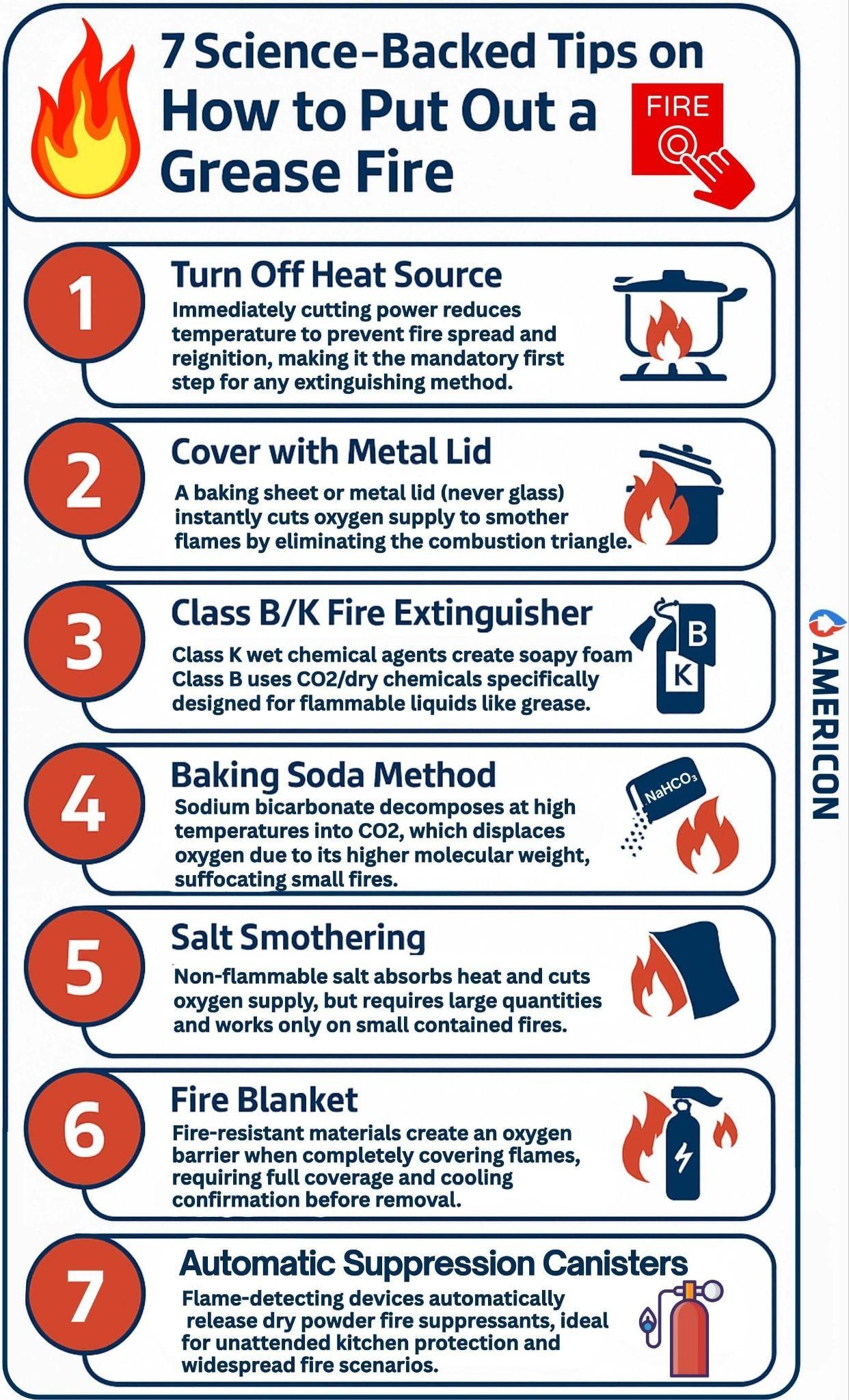
Credit: www.americonrestoration.com
Recognizing Oven Fire Signs
Recognizing the signs of an oven fire early can make a huge difference in stopping the fire before it gets out of control. You need to be alert to subtle clues that something is wrong inside your oven. These clues often appear before flames become visible, giving you a chance to act fast and safely.
Visible Smoke And Smell Of Burning
One of the first signs you might notice is thick smoke coming from the oven. It could be gray, black, or even have a strange color depending on what’s burning.
Along with the smoke, a strong burning smell or an unusual odor often fills your kitchen. If you detect this smell, don’t ignore it—even if you don’t see flames yet.
Sudden High Heat Or Oven Malfunction
If your oven suddenly feels much hotter than usual or if the temperature gauge shows erratic readings, something could be wrong inside. You might also hear unusual sounds like crackling or popping.
These signs can indicate electrical problems or food burning beyond normal levels. Have you ever noticed your oven acting strangely right before a fire started?
Flames Visible Inside The Oven
Seeing flames inside your oven is the most obvious and urgent sign of a fire. Flames usually start small but can grow quickly if left unattended.
At this point, you must act immediately to avoid injury or bigger damage. Always keep an oven mitt handy and know how to safely open or close the oven door during a fire.
Unusual Noises And Oven Door Issues
Strange noises like hissing or sizzling sounds may suggest grease or food is burning aggressively inside.
Sometimes the oven door might become hard to open or close due to heat damage or swelling. This can trap heat and make the fire worse if not addressed.
Immediate Actions To Take
Facing an oven fire can be shocking, but your immediate actions can prevent disaster. Knowing exactly what to do in those first moments helps you stay safe and control the situation quickly. Let’s look at the crucial steps you should take right away.
Stay Calm And Assess
Take a deep breath and keep your mind clear. Panic can make you overlook simple yet vital actions. Quickly check how big the fire is and whether it’s spreading beyond the oven.
Ask yourself:
- Is the fire small and contained inside the oven?
- Are there any flames escaping or smoke filling the kitchen?
- Is anyone in immediate danger?
Assessing the fire calmly helps you decide if you can handle it safely or if you need to evacuate and call emergency services. Remember, your safety always comes first.
Turn Off The Oven
Switch off the oven power immediately to stop feeding the fire with heat. This action can slow down the fire’s growth and reduce smoke production.
If your oven has a gas supply, turn off the gas valve as well. Ignoring this step can cause the fire to flare up dangerously.
Turning off the oven doesn’t mean the fire is out, but it gives you better control. Have you ever thought how often people forget this simple step in a panic? Keeping this in mind can make a huge difference.
Using Baking Soda To Extinguish Flames
Baking soda is a surprising but highly effective tool for putting out oven fires. Its chemical properties help smother flames by releasing carbon dioxide when heated, cutting off oxygen to the fire. Knowing how to use it correctly can make a big difference in keeping your kitchen safe during a sudden flare-up.
Proper Application Techniques
Keep a box of baking soda within easy reach in your kitchen. When a fire starts, quickly open the oven door just enough to toss baking soda directly onto the flames—avoid opening it wide to prevent feeding the fire with oxygen.
Use a generous amount to cover the fire completely. The powder works best when it forms a thick layer over the flames, so don’t be stingy. If the fire is small and contained, this method can put it out almost instantly.
Avoiding Common Mistakes
Don’t use flour, baking powder, or other powders instead of baking soda—they can catch fire or make the situation worse. Also, never try to move the burning pan; disturbing it can cause flames to spread or flare up suddenly.
Resist the urge to spray water on the fire—it can cause grease or oil fires to spread rapidly. Instead, stick to baking soda and call emergency services if the fire grows beyond your control. Your safety is the priority.

Credit: www.instagram.com
Handling Grease Fires
Grease fires in ovens are dangerous and need quick action. Grease ignites easily and burns very hot. Handling these fires requires special care to stop flames fast and prevent injury or damage. Knowing the right steps can save your kitchen and keep you safe.
Why Water Is Not Effective
Pouring water on a grease fire makes things worse. Water sinks under the oil and turns into steam. The steam pushes burning oil outwards. This spreads the fire quickly. Water also causes hot oil to splash. This can cause serious burns and bigger fires. Never use water on grease fires.
Safe Alternatives
Use these safe ways to stop a grease fire:
- Turn off the oven or stove to stop adding heat.
- Cover the fire with a metal lid or baking sheet to cut off oxygen.
- Use a fire extinguisher rated for grease fires (Class K or B).
- Sprinkle baking soda or salt on small flames to smother them.
Always keep a fire extinguisher nearby when cooking with oil. Act fast and stay calm to put out grease fires safely.
Utilizing Fire Extinguishers
Utilizing a fire extinguisher can be a lifesaver during an oven fire. Knowing how to pick the right extinguisher and use it correctly can stop the fire from spreading and causing serious damage. Let’s look at how to handle this crucial tool effectively.
Choosing The Right Type
Not all fire extinguishers are safe or effective on oven fires. You need a Class K extinguisher designed for kitchen fires involving cooking oils and fats. If you only have a multi-purpose extinguisher labeled ABC, it can still work, but Class K is the best choice.
Check the label on your extinguisher before an emergency happens. Does it mention grease or kitchen fires? If not, keep it away from your cooking area and get a proper one instead. Remember, water or foam extinguishers can make an oven fire worse.
Correct Usage Procedure
Grab the extinguisher firmly and pull the safety pin. Aim the nozzle at the base of the fire, not the flames. This targets the fuel feeding the fire.
- Squeeze the handle slowly and evenly.
- Sweep the nozzle side to side until the fire goes out.
- Keep a safe distance but get close enough to control the fire.
Have you ever tried to use an extinguisher in a panic? It’s tough without practice. Consider taking a local fire safety class to build confidence. Your quick reaction could save your home and your life.
When To Call Emergency Services
Knowing when to call emergency services during an oven fire can be the difference between a small kitchen mishap and a full-blown disaster. It’s crucial to quickly evaluate the situation and decide if professional help is needed. Your safety and the safety of others in the home should always come first.
Assessing Fire Severity
Start by looking at the size and intensity of the fire. If the flames are small and contained within the oven, and you can safely reach the fire, you might be able to put it out yourself.
However, if the fire is spreading beyond the oven or producing thick, black smoke, it’s time to act fast and call emergency services. Smoke can be toxic and fire can grow faster than you expect.
Ask yourself: Are you confident you can control the fire without putting yourself at risk? If the answer is no, don’t hesitate—call for help immediately.
Key Indicators For Help
- Flames spreading:When fire moves beyond the oven onto cabinets, countertops, or walls.
- Excessive smoke:Thick, dark smoke filling your kitchen or home quickly.
- Burning smells:Persistent, strong odors that indicate the fire is intensifying.
- Power outages:If the fire causes electrical issues or sparks near wiring.
- Inability to extinguish:If your attempts to put out the fire fail within seconds.
Remember, calling emergency services early can save lives and prevent extensive damage. Think about your fire escape plan—can you safely exit the house if needed? If not, don’t hesitate to call 911 right away.
Preventing Future Oven Fires
Preventing future oven fires is crucial to keeping your kitchen safe and your cooking stress-free. Small habits can make a big difference in avoiding dangerous flare-ups. You don’t have to overhaul your routine; just a few smart changes can protect your home and your peace of mind.
Regular Cleaning Tips
Grease and food buildup inside your oven create a perfect environment for fires. Make it a habit to wipe down spills immediately after your oven cools down.
Clean oven racks and trays at least once a month using warm soapy water. Don’t forget to remove crumbs and debris from the bottom of the oven, where they can easily ignite.
Have you checked the oven light cover recently? Dust and grease can accumulate there too, so a quick clean helps maintain visibility and reduces fire risk.
Safe Cooking Practices
Always stay near your oven while cooking, especially when using high heat or broiling. Leaving food unattended increases the chance of flare-ups going unnoticed.
Use oven-safe cookware and avoid materials that can melt or catch fire. Glass, metal, and ceramic are usually safe bets.
Keep flammable items like oven mitts, paper towels, and wooden utensils away from the oven. These can easily catch fire if placed too close.
Have you ever thought about the temperature setting? Cooking at unnecessarily high temperatures can cause food to burn quickly and smoke, raising fire risks.
Safety Tips For Kitchen Fires
Kitchen fires can start quickly and spread fast. Knowing safety tips helps protect you and your home. Prepare before a fire happens. Stay calm and act safely if a fire breaks out.
Keeping A Fire Blanket Handy
A fire blanket is a simple tool that can stop small fires fast. Keep it near the oven or stove. Fire blankets smother flames by cutting off oxygen. Use the blanket to cover the fire carefully. Make sure everyone in the house knows where it is kept.
Educating Family Members
Teach everyone in the home about fire safety. Explain how to use a fire blanket and when to call for help. Practice fire drills so everyone knows what to do. Children should understand not to hide during a fire. Clear instructions save lives and reduce panic.
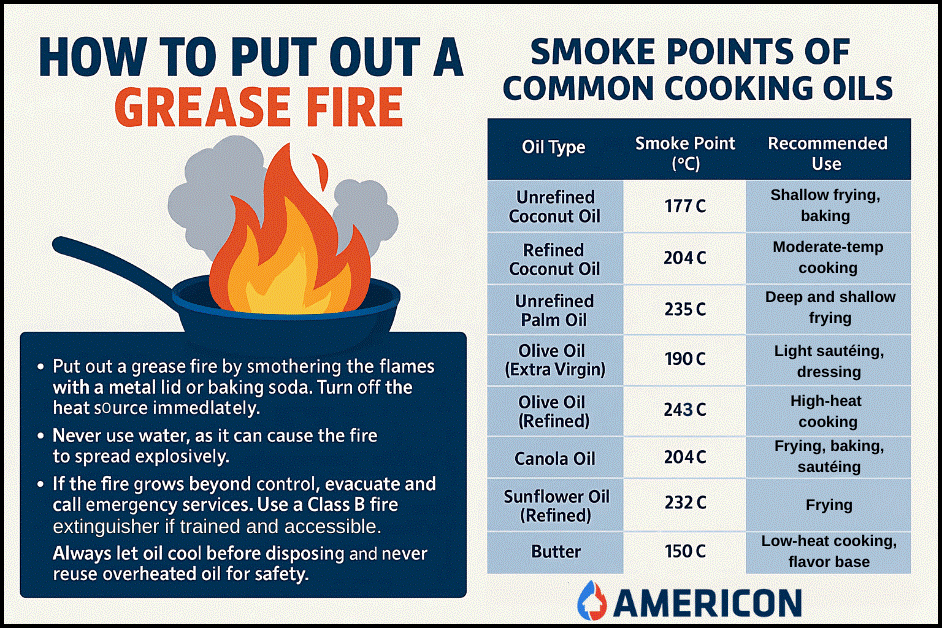
Credit: www.americonrestoration.com
Frequently Asked Questions
How Do I Safely Put Out An Oven Fire?
Turn off the oven immediately to stop the heat source. Keep the oven door closed to smother the flames. Use a fire extinguisher if needed, or sprinkle baking soda to extinguish grease fires. Never use water on an oven fire.
What Should I Avoid During An Oven Fire?
Avoid opening the oven door, as it can cause flames to flare up. Do not use water to put out grease fires. Stay calm and evacuate if the fire spreads or becomes uncontrollable. Call emergency services if necessary.
Can Baking Soda Extinguish An Oven Fire?
Yes, baking soda can smother small grease or food fires in the oven. Sprinkle it generously over the flames to cut off oxygen. Avoid using flour or baking powder as they can worsen the fire. Baking soda is safe and effective for minor fires.
When Should I Call The Fire Department For An Oven Fire?
Call the fire department if the fire grows beyond the oven or you cannot control it quickly. If flames spread or smoke fills your kitchen, evacuate immediately. Safety is the top priority, so never hesitate to seek professional help.
Conclusion
Oven fires can happen to anyone, so stay calm and act fast. Always turn off the oven and keep the door closed to stop oxygen feeding the fire. Use a fire extinguisher or baking soda to put out flames safely.
Never use water—it can make the fire worse. After the fire is out, check your oven and call professionals if needed. Being prepared helps keep your kitchen safe. Remember these steps to handle an oven fire quickly and safely. Stay safe in the kitchen!

Hi, I’m Daniel Brooks—a food lover and kitchen gear enthusiast. I enjoy testing cookware, utensils, and gadgets to see what really works in everyday cooking. At PlugChef.com, I share honest reviews, comparisons, and simple guides to help you choose the best tools for a safer, smarter, and more enjoyable kitchen.
Related posts:
 What Type of Cooking Utensils are Safe: Expert Picks
 What Innovations Could Blenders Make: Unleashing Future Tech
 Smart Strategies to Organize a Small Kitchen: Maximize Space
 How to Organize a Kitchen Cabinet: Expert Tips & Tricks
 How to Organize Kitchen Drawers: Expert Tips and Tricks
 How to Organize a Corner Kitchen Cupboard: Expert Tips

