
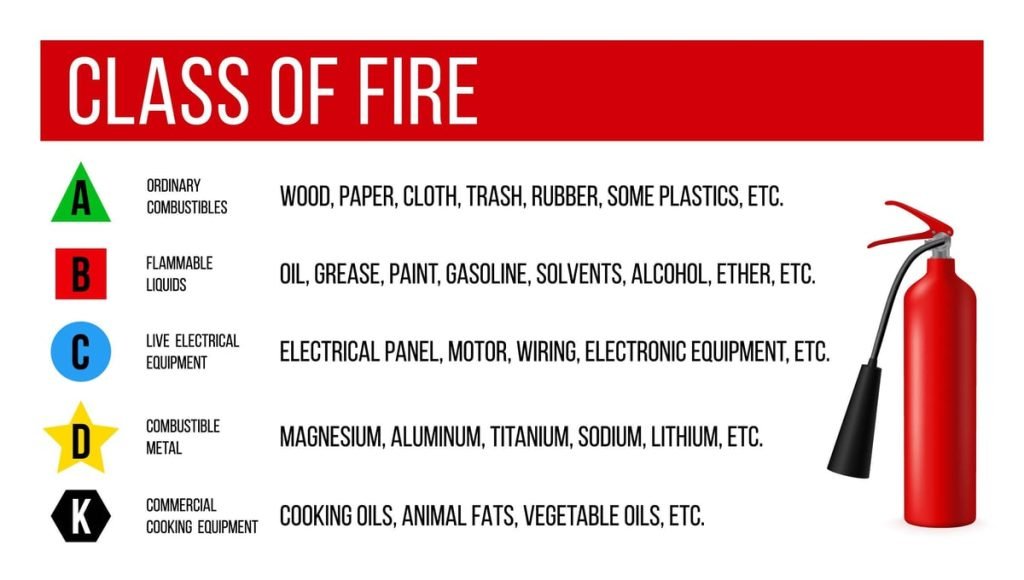
Imagine a sudden electrical fire breaking out right in your home or workplace. Do you know the best way to stop it quickly and safely?
Using the wrong fire extinguisher can make things worse, putting you and others in danger. This guide will help you understand exactly which fire extinguisher you need for electrical fires and how to use it confidently. Keep reading to protect your space and everyone in it from unexpected electrical hazards.

Credit: www.safetybuyer.com
Types Of Electrical Fires
Electrical fires are a serious hazard in homes and workplaces. They start from faulty wiring, appliances, or overloaded circuits. Understanding different types of electrical fires helps in choosing the right fire extinguisher. This knowledge also improves safety and quick response in emergencies.
Common Causes
- Overloaded power strips and outlets
- Damaged or frayed electrical cords
- Short circuits within wiring
- Faulty or outdated appliances
- Poorly maintained electrical panels
- Improper use of extension cords
Characteristics And Risks
Electrical fires produce sparks and can spread rapidly. They often start inside walls or behind appliances. Smoke from electrical fires is toxic and thick. Water should never be used to extinguish these fires. Using the wrong extinguisher can cause electrocution. Quick action reduces damage and injury risk.
Choosing The Right Fire Extinguisher
Choosing the right fire extinguisher for electrical fires is crucial for your safety and the protection of your property. Not all extinguishers are suitable for electrical fires, and using the wrong one can make the situation worse. Understanding the classifications and types will help you act quickly and effectively when seconds count.
Classifications For Electrical Fires
Electrical fires are classified under Class C in the United States and as Class E in some other countries. These fires involve energized electrical equipment like wiring, circuit breakers, and appliances. The key challenge is that water-based extinguishers can cause electrocution or spread the fire.
Knowing this classification helps you avoid common mistakes, such as using water or foam extinguishers, which are dangerous on electrical fires. Always look for the Class C or E label on the extinguisher before using it on electrical equipment.
Recommended Extinguisher Types
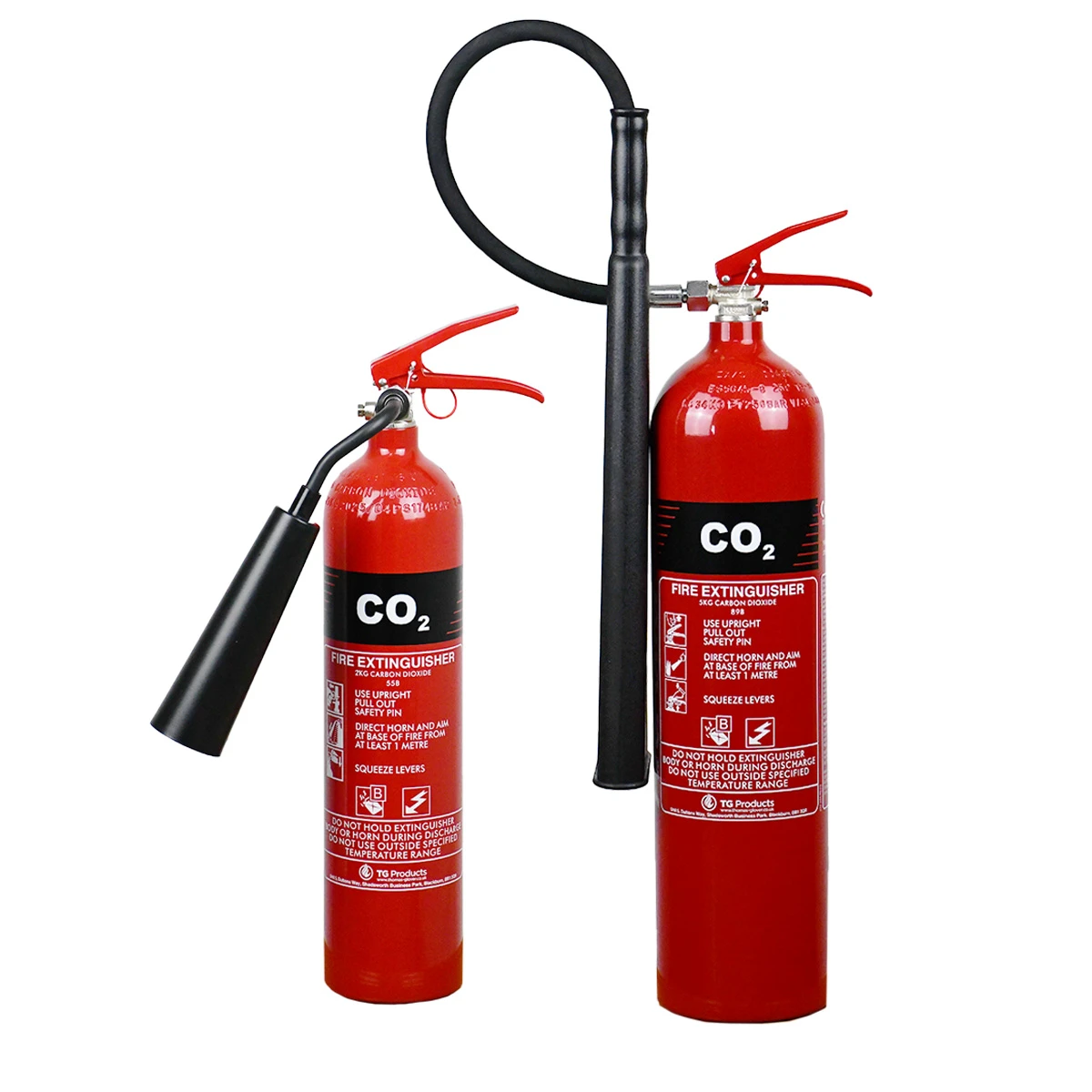
For electrical fires, dry chemical and carbon dioxide (CO2) extinguishers are your best choices. Dry chemical extinguishers, especially those labeled ABC or BC, interrupt the chemical reaction of the fire without conducting electricity.
CO2extinguishers work by displacing oxygen and cooling the fire, making them effective and safe for electrical fires. These extinguishers leave no residue, which is important for sensitive electronic equipment.
- Dry Chemical Extinguishers:Effective for electrical fires and can be used on flammable liquids and ordinary combustibles.
- CO2Extinguishers:Ideal for electrical fires, safe on electronics, and leaves no mess.
Have you checked the labels on your fire extinguishers lately? Ensuring you have the right type can make all the difference when an electrical fire breaks out.
How To Use A Fire Extinguisher
Knowing how to use a fire extinguisher is crucial during an electrical fire. Acting quickly and correctly can prevent damage and keep you safe. Understanding the basic steps helps you handle the situation calmly and efficiently.
Step-by-step Guide
- Pull the pin to unlock the extinguisher’s handle.
- Aim the nozzle at the base of the fire, not the flames.
- Squeeze the handle firmly to release the extinguishing agent.
- Sweep the nozzle side to side across the fire’s base.
- Continue until the fire is fully out or the extinguisher is empty.
Safety Precautions
- Stand at a safe distance from the fire, about 6 to 8 feet.
- Check for an escape route behind you before using the extinguisher.
- Do not use water-based extinguishers on electrical fires.
- Wear protective gloves if possible to avoid burns or shocks.
- Call emergency services if the fire grows or spreads quickly.
- Leave the area immediately if smoke or fumes become overwhelming.

Credit: www.chinafiresafety.com
Maintaining Fire Extinguishers
Maintaining fire extinguishers is essential for safety. Regular care keeps them ready to fight electrical fires. Neglect can cause malfunctions during emergencies. Simple checks and proper storage extend their life and effectiveness.
Regular Inspections
Check fire extinguishers every month. Look for damage, corrosion, or leaks. Ensure the pressure gauge needle is in the green zone. Confirm the safety pin is intact and the tamper seal is unbroken. Shake dry chemical extinguishers monthly to prevent powder from settling. Record inspection dates and findings for future reference.
Proper Storage
Store fire extinguishers in visible, easy-to-reach spots. Avoid damp or hot places that can damage the unit. Keep them away from direct sunlight and corrosive chemicals. Mount extinguishers on walls at the recommended height. Ensure the storage area is clear of obstacles. This helps quick access during electrical fire emergencies.
Preventing Electrical Fires
Preventing electrical fires is essential for safety at home and work. Electrical fires can start from faulty wiring, overloaded circuits, or damaged equipment. Taking simple precautions can reduce the risk and keep everyone safe. Understanding safe practices and regular maintenance helps stop fires before they start.
Safe Electrical Practices
Use electrical devices according to the instructions. Avoid overloading sockets with too many plugs. Keep cords away from heat and water. Replace damaged cords immediately. Never use frayed or broken wires. Turn off appliances when not in use. Avoid running cords under rugs or furniture. Use certified electrical products only.
Regular Equipment Checks
Inspect electrical devices and wiring often. Look for signs of wear, such as cracks or scorch marks. Test smoke detectors monthly to ensure they work. Schedule professional inspections for home wiring every few years. Replace old or faulty circuit breakers. Keep electrical panels accessible and clean. Fix problems quickly to prevent hazards.
Emergency Response Tips
Responding quickly and safely during an electrical fire is vital. Knowing what to do in an emergency can protect lives and reduce damage. This section offers clear tips to guide you through an electrical fire situation.
Evacuation Procedures
Stay calm and move away from the fire immediately. Avoid using elevators; use stairs instead. Close doors behind you to slow fire spread. Help others evacuate, especially children and elderly. Gather at a safe meeting point outside the building. Do not re-enter until professionals say it is safe.
Contacting Emergency Services
Call emergency services as soon as you are safe. Provide clear details: your location, the fire type, and if anyone is trapped. Stay on the line and follow the operator’s instructions. Avoid hanging up until they say so. Early contact helps firefighters arrive faster and prepare properly.
Credit: www.fireprotectionshop.co.uk
Frequently Asked Questions
What Type Of Fire Extinguisher Is Best For Electrical Fires?
The best fire extinguisher for electrical fires is a Class C extinguisher. It uses non-conductive agents like CO2 or dry chemicals. These extinguishers safely put out electrical fires without causing shock or damage.
Can Water Extinguishers Be Used On Electrical Fires?
No, water extinguishers should never be used on electrical fires. Water conducts electricity and can cause electrocution. Use CO2 or dry chemical extinguishers specifically designed for electrical fires.
How Do Co2 Fire Extinguishers Work On Electrical Fires?
CO2 extinguishers work by displacing oxygen around the fire. This starves the fire of oxygen, stopping combustion. They leave no residue, making them ideal for sensitive electrical equipment.
Where Should Electrical Fire Extinguishers Be Placed At Home?
Place electrical fire extinguishers near electrical panels, kitchens, and home offices. Ensure they are easily accessible and visible. Regularly check and maintain them for safety.
Conclusion
Choosing the right fire extinguisher saves lives and property. Electrical fires need special care and the correct extinguisher type. Keep one nearby in homes or workplaces with electrical devices. Know how to use it safely before emergencies happen. Stay prepared and stay safe from electrical fire dangers.
Simple steps protect you and those around you. Safety starts with knowledge and action today.

Hi, I’m Daniel Brooks—a food lover and kitchen gear enthusiast. I enjoy testing cookware, utensils, and gadgets to see what really works in everyday cooking. At PlugChef.com, I share honest reviews, comparisons, and simple guides to help you choose the best tools for a safer, smarter, and more enjoyable kitchen.
Related posts:
 What Type of Cooking Utensils are Safe: Expert Picks
 What Innovations Could Blenders Make: Unleashing Future Tech
 Smart Strategies to Organize a Small Kitchen: Maximize Space
 How to Organize a Kitchen Cabinet: Expert Tips & Tricks
 How to Organize Kitchen Drawers: Expert Tips and Tricks
 How to Organize a Corner Kitchen Cupboard: Expert Tips

