
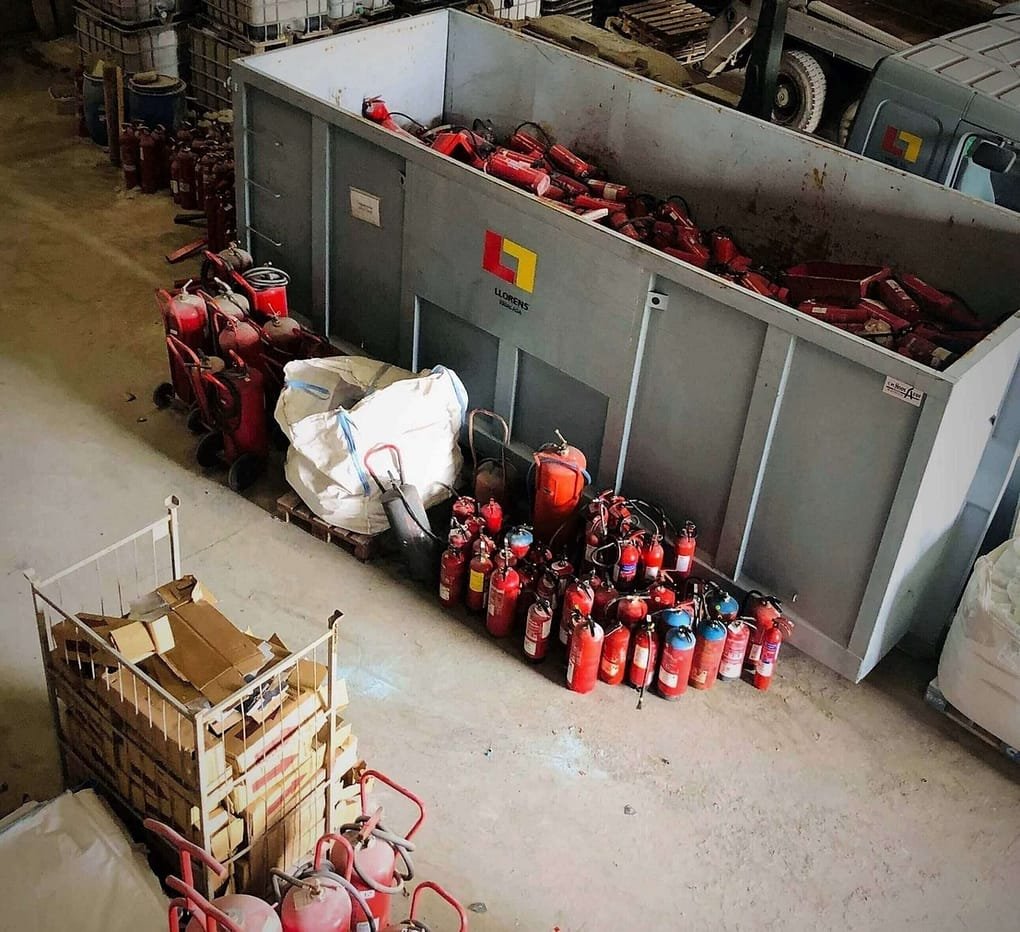
Have you ever wondered what to do with your expired fire extinguisher? Holding onto one that no longer works can be risky, but tossing it in the trash isn’t safe either.
You want to protect your home and family, so knowing the right way to dispose of your old extinguisher is important. You’ll discover simple, clear steps to get rid of expired fire extinguishers safely and responsibly. Keep reading to find out how to handle this essential safety tool the right way.

Credit: fireshieldfireprotection.com
Types Of Fire Extinguishers
Knowing the different types of fire extinguishers helps you understand how to dispose of them safely once they expire. Each type contains different chemicals and materials, which means disposal methods can vary. Let’s look closely at the main types you might find in homes or workplaces.
Water-based Extinguishers
Water-based extinguishers are filled with plain water or water mixed with additives. They are mainly used for Class A fires involving wood, paper, or textiles. Because they contain mostly water, disposal is simpler but you should never throw them in regular trash due to pressurization and metal parts.
Have you checked if your water extinguisher is just outdated or damaged? This can help decide if it’s safe to release pressure before recycling.
Foam Extinguishers
Foam extinguishers work well on fires caused by flammable liquids like petrol or paints. The foam smothers the fire and prevents re-ignition. Since foam contains chemicals, these extinguishers need special handling during disposal to avoid environmental harm.
When you dispose of a foam extinguisher, local hazardous waste facilities are often the best place to take them. Do you know where the closest one is?
Powder Extinguishers
Powder extinguishers are versatile, handling various fire types including electrical fires. They use a dry chemical powder to stop flames quickly. Due to the powder’s composition, these extinguishers require careful disposal to prevent inhalation risks and contamination.
It’s a good practice to wear a mask and gloves if you need to handle a leaking or damaged powder extinguisher before disposal.
Co2 Extinguishers
CO2 extinguishers release carbon dioxide gas to suffocate fires, mainly electrical ones. They don’t leave residue, but the cylinders are pressurized and made of metal. Proper disposal means safely releasing any remaining gas and recycling the metal container.
Have you considered checking with your local fire department or recycling center on how to handle these safely? They often have programs for CO2 extinguisher disposal.

Credit: www.instagram.com
Importance Of Proper Disposal
Proper disposal of expired fire extinguishers is essential for safety and the environment. These devices contain chemicals and pressurized gases that can harm people and nature. Incorrect disposal can cause accidents or pollution. Understanding the importance of proper disposal helps protect communities and follow laws.
Environmental Impact
Expired fire extinguishers hold harmful chemicals. These chemicals can leak into the soil and water. This contamination harms plants, animals, and humans. Some extinguishers use gases that damage the atmosphere. Safe disposal prevents pollution and keeps the environment clean.
Recycling parts of fire extinguishers reduces waste. Metals and plastics can be reused, saving resources. Proper disposal supports sustainability and lowers landfill use. It also stops toxic substances from spreading.
Legal Regulations
Many places have strict rules for disposing of fire extinguishers. These laws protect public health and the environment. Violating these rules can lead to fines or legal trouble. Businesses and homeowners must follow these guidelines carefully.
Regulations often require taking extinguishers to special disposal centers. Some areas have hazardous waste programs for this purpose. Knowing and following local laws ensures safe and legal disposal. It keeps communities safe and avoids penalties.
Identifying Expired Fire Extinguishers
Knowing how to identify expired fire extinguishers is crucial for your safety. An extinguisher past its expiry date might not work when you need it most. By recognizing the signs of expiry, you can act promptly to replace or dispose of them properly.
Checking Expiry Dates
Most fire extinguishers have a clear expiry date printed on the label or body. This date indicates when the extinguisher should be serviced or replaced. If you can’t find a date, look for a manufacturing date and check the recommended lifespan, usually 5 to 15 years depending on the type.
Have you ever found an extinguisher in your home or workplace and wondered if it’s still effective? Make it a habit to regularly inspect these dates during your routine safety checks.
Signs Of Expiry
Expiry isn’t always about the date. Physical signs can tell you if a fire extinguisher is no longer reliable. Watch for rust, dents, or corrosion on the cylinder, as these can weaken the extinguisher’s integrity.
Check the pressure gauge; if the needle is in the red zone, the extinguisher may be undercharged or overcharged, both of which reduce effectiveness. Also, inspect the hose and nozzle for blockages or cracks.
Have you noticed any unusual weight changes? An extinguisher that feels significantly lighter might have lost some of its extinguishing agent.
Safe Disposal Methods
Disposing of expired fire extinguishers requires care and responsibility. These devices contain chemicals and metals that can harm the environment if not handled properly. Knowing safe disposal methods helps you protect your home and community while staying compliant with local laws.
Recycling Options
Many fire extinguishers have metal parts that can be recycled. You can separate the metal cylinder from the internal components and take it to a scrap metal recycler. Some recycling centers accept fire extinguishers as a whole, but always check their guidelines first.
Before recycling, make sure the extinguisher is completely empty. You can do this by discharging it in a safe outdoor area. This step prevents any accidental release of chemicals during handling.
Professional Disposal Services
If you’re unsure about handling the extinguisher yourself, professional disposal services are a reliable option. These companies specialize in safely disposing of hazardous materials, including fire extinguishers. They ensure the chemicals are neutralized and the parts are recycled or disposed of properly.
Using a professional service might cost a small fee, but it guarantees safety and compliance with regulations. Have you checked if your local fire department offers advice or referrals for these services? They often do.
Community Hazardous Waste Programs
Many communities run hazardous waste collection events or have designated drop-off points. These programs accept expired fire extinguishers along with other household hazardous waste like batteries and paint. Participating helps keep dangerous materials out of landfills and waterways.
Find out if your town or city has a scheduled hazardous waste day. Marking it on your calendar can make disposal easier and more convenient. What local options are available to you for safe disposal?
Diy Disposal Steps
Disposing of expired fire extinguishers yourself can feel tricky, but breaking down the process into clear steps makes it manageable and safe. You’ll want to carefully handle each part to avoid accidents and environmental harm. Let’s look at how you can take control of this task with practical, hands-on steps.
Depressurizing The Extinguisher
Before doing anything else, you must release the pressure inside the extinguisher. Find an open outdoor area and point the nozzle away from you and others. Slowly squeeze the lever until no more contents come out—this empties the extinguisher safely.
Have you noticed how a fully pressurized extinguisher feels heavy? That weight disappears once it’s completely depressurized, signaling it’s ready for the next step.
Disassembling Parts
Next, remove the extinguisher’s top components, such as the handle and nozzle. Use a wrench or pliers if needed, but be gentle to avoid damaging the metal. Separating the parts helps prepare the extinguisher for recycling or proper disposal.
Keep track of all pieces and set aside anything that looks reusable or recyclable. If you’re unsure, local waste centers often accept metal parts separately.
Handling Residual Chemicals
Even after depressurizing, some powder or liquid may remain inside. Wear gloves and a mask to protect your skin and lungs. Carefully scoop out any leftover material into a sealable plastic bag.
Consider whether your local hazardous waste facility can take these chemicals. Never dump them down the drain or throw them in regular trash, as they can harm the environment.
Precautions During Disposal
Disposing of expired fire extinguishers requires care and attention to avoid risks to your safety and the environment. Taking the right precautions ensures that you handle these devices responsibly. Below are key safety measures you should keep in mind during disposal.
Safety Gear Requirements
Always wear protective gloves and safety goggles when handling expired fire extinguishers. The chemicals inside can cause skin irritation or eye injury if accidentally released. Sturdy clothing and closed-toe shoes protect you from potential leaks or unexpected discharges.
Remember, even if the extinguisher looks intact, pressure inside may still be present. Treat every extinguisher as potentially hazardous until properly emptied or discharged. Have a fire extinguisher nearby in case of accidental ignition during disposal.
Avoiding Environmental Harm
Fire extinguishers contain chemicals that can harm soil and water if disposed of improperly. Never throw them in regular trash or pour contents down drains. Instead, take them to a designated hazardous waste facility or recycling center that accepts fire extinguishers.
Before disposal, release pressure safely outdoors away from people and pets. This prevents accidental chemical release indoors. Ask your local waste management about specific disposal rules in your area. Could your community offer a collection event for hazardous items? Checking this can save you time and keep your environment safer.
Alternatives To Disposal
Expired fire extinguishers don’t always need to end up as waste. There are smart alternatives that give them a second life or serve a useful purpose beyond disposal. These options can save resources and even help others learn about fire safety.
Repurposing Extinguishers
Have you ever thought about turning an old fire extinguisher into something new? Many people transform these metal cylinders into decorative items or functional tools. For example, some convert them into unique lamps, bookends, or even garden planters.
Before repurposing, make sure the extinguisher is completely empty and cleaned. This step is crucial for safety and ease of handling. Repurposing keeps the metal out of landfills and adds a creative touch to your space.
Donation To Training Facilities
Expired extinguishers can still teach valuable lessons. Many fire safety training centers accept these units for practice drills and demonstrations. Donating your extinguisher can support firefighters or safety instructors in educating others.
Contact local fire departments, community colleges, or vocational schools to check if they need expired extinguishers. This way, your old extinguisher contributes to real-world training instead of gathering dust or being discarded.
Benefits Of Regular Maintenance
Regular maintenance of your fire extinguisher is more than just a safety routine; it actually saves you time, money, and stress in the long run. You might think of it as a chore, but it ensures your extinguisher is always ready to protect you when you need it most. Skipping this step can lead to expired or malfunctioning equipment that puts lives and property at risk.
Extending Life Span
Maintaining your fire extinguisher regularly helps it last much longer. Checking pressure levels, replacing worn-out parts, and cleaning the nozzle keeps the extinguisher in good condition. Think about how often you use your fire extinguisher—probably rarely. But just like a car, it still needs regular checkups to avoid unexpected failure.
Imagine having to replace an extinguisher every few years because you ignored maintenance. You’d spend more money and time than if you had just kept up with simple inspections. Small steps like monthly visual checks and annual professional servicing can add years to your extinguisher’s usable life.
Ensuring Effectiveness
How confident would you feel if you grabbed your fire extinguisher during an emergency only to find it empty or clogged? Regular maintenance ensures it works exactly as it should when every second counts. This means checking the pressure gauge, making sure the pin isn’t stuck, and confirming the extinguisher is free from damage.
Each maintenance check reduces the risk of malfunction. It’s about more than just compliance; it’s about your peace of mind. You want to trust your extinguisher will put out a fire efficiently, not fail at the worst moment.
Future Trends In Fire Extinguisher Disposal
Handling expired fire extinguishers responsibly is more than just a safety measure—it’s becoming an environmental priority. As awareness grows, new methods and rules are shaping how these devices are disposed of. What will fire extinguisher disposal look like in the near future? Let’s dive into the emerging trends that could change your approach.
Innovative Recycling Techniques
Recycling expired fire extinguishers is moving beyond simple scrap collection. Some companies now separate the metal shell, the powder inside, and the pressurized gas to recycle each part properly.
New technologies can neutralize harmful chemicals safely before recycling metal components. This not only reduces waste but also recovers valuable materials for reuse.
Imagine dropping off your expired extinguisher and knowing every element will be reused efficiently. Would you consider this eco-friendly option if it were widely available?
Legislative Changes
Governments are tightening rules around hazardous waste, including fire extinguishers. Some regions now require certified disposal methods to prevent environmental contamination.
Future laws may mandate manufacturers to take back old extinguishers, promoting a circular economy. This could make disposal easier and safer for you.
Are you prepared for changes that might affect how you discard fire safety equipment? Staying informed can help you avoid fines and contribute to a safer planet.
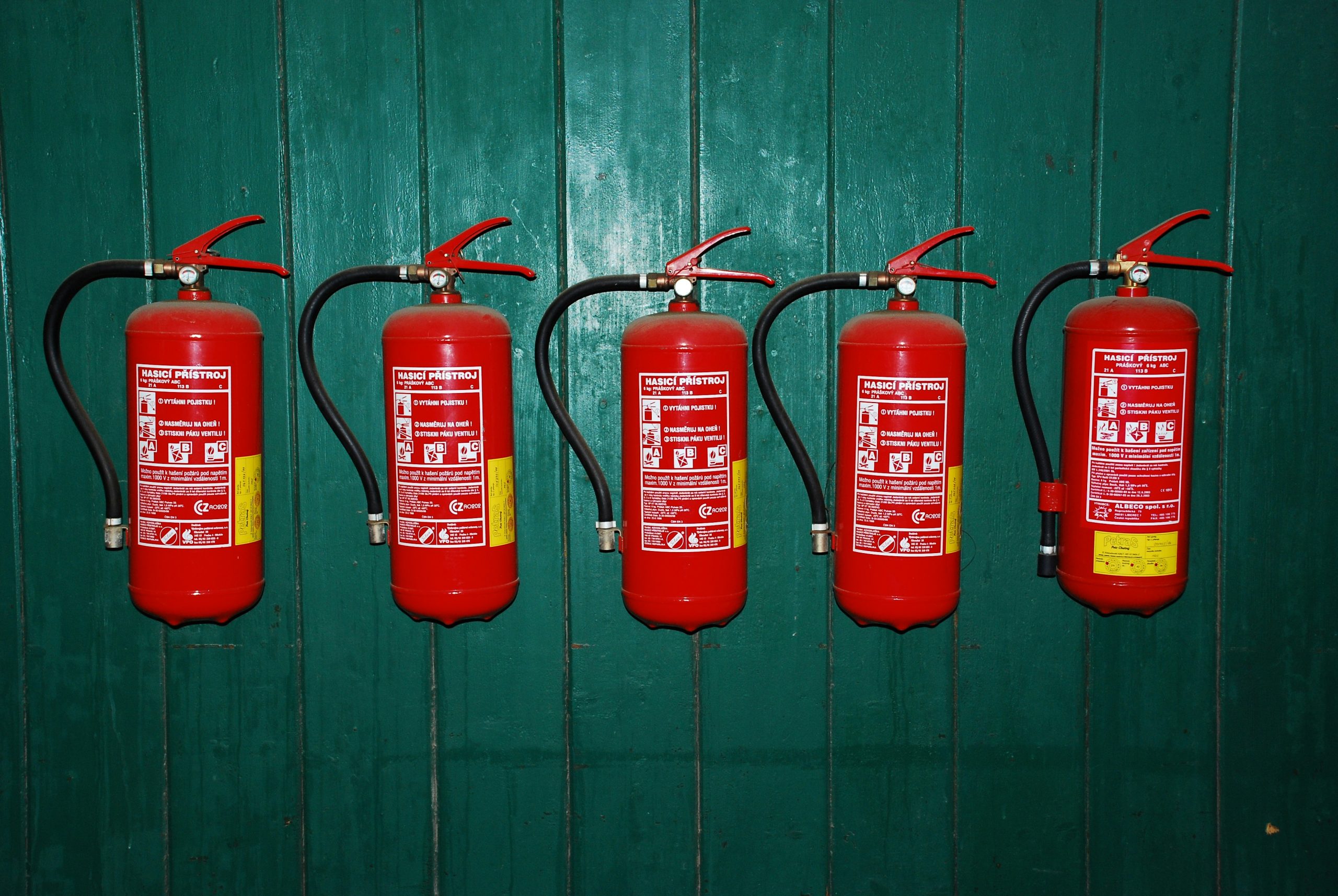
Credit: cyca.com.au
Frequently Asked Questions
How Do I Safely Dispose Of Expired Fire Extinguishers?
To dispose of expired fire extinguishers safely, contact your local hazardous waste facility. They handle pressurized containers properly and ensure environmental safety. Never throw them in regular trash as they contain chemicals and gases that can be harmful.
Can I Recycle Expired Fire Extinguishers?
Yes, many fire extinguishers can be recycled. Remove the pressure first, then take the metal parts to a scrap metal recycler. Always check with local recycling centers for specific guidelines on fire extinguisher recycling.
Where Can I Drop Off Expired Fire Extinguishers?
You can drop off expired fire extinguishers at hazardous waste collection sites or fire departments. Some retailers also offer take-back programs. Always confirm with the facility beforehand to ensure they accept extinguishers.
Is It Legal To Throw Expired Fire Extinguishers In The Trash?
No, it is illegal in many places to dispose of fire extinguishers in regular trash. These devices contain hazardous materials and require special disposal methods to prevent environmental harm and comply with regulations.
Conclusion
Expired fire extinguishers need careful handling for safety. Do not throw them in regular trash bins. Check local rules for proper disposal methods. Many places have special collection points or recycling centers. Some fire departments accept old extinguishers too. Always release pressure before disposal to avoid accidents.
Proper disposal protects people and the environment. Keep your home safe by disposing of extinguishers the right way. Simple steps can prevent harm and keep communities safe. Stay informed and act responsibly with expired fire extinguishers.

Hi, I’m Daniel Brooks—a food lover and kitchen gear enthusiast. I enjoy testing cookware, utensils, and gadgets to see what really works in everyday cooking. At PlugChef.com, I share honest reviews, comparisons, and simple guides to help you choose the best tools for a safer, smarter, and more enjoyable kitchen.
Related posts:
 What Type of Cooking Utensils are Safe: Expert Picks
 What Innovations Could Blenders Make: Unleashing Future Tech
 Smart Strategies to Organize a Small Kitchen: Maximize Space
 How to Organize a Kitchen Cabinet: Expert Tips & Tricks
 How to Organize Kitchen Drawers: Expert Tips and Tricks
 How to Organize a Corner Kitchen Cupboard: Expert Tips

