
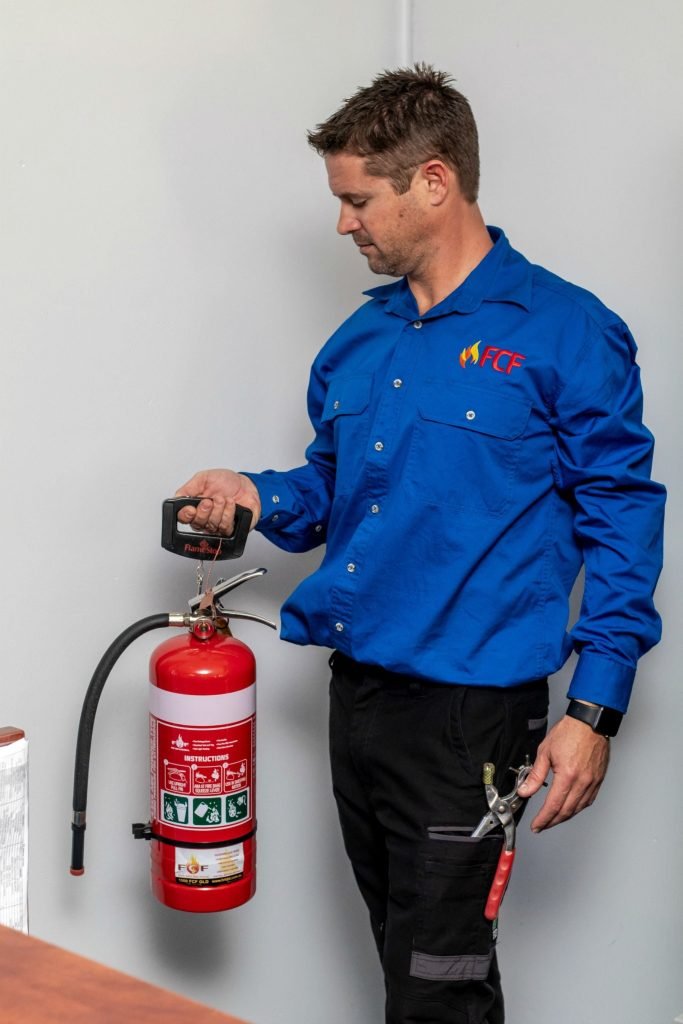
When it comes to protecting your home or workplace from fire hazards, knowing the right type of fire extinguisher to use can make all the difference. You might have heard about dry chemical fire extinguishers, but do you really understand why they are so important and where you should use them?
This guide will help you discover how dry chemical fire extinguishers work, the kinds of fires they can tackle, and why they might be the best choice for your safety. Keep reading to make sure you’re fully prepared to act fast and protect what matters most.

Credit: firesys.com.au
Types Of Dry Chemical Fire Extinguishers
Dry chemical fire extinguishers come in different types. Each type targets specific fire classes. Choosing the right type ensures safety and effectiveness. Understanding these types helps you act fast in emergencies.
Abc Dry Chemical Extinguishers
ABC dry chemical extinguishers work on three types of fires: ordinary combustibles, flammable liquids, and electrical fires. They contain monoammonium phosphate powder. This powder smothers flames and stops chemical reactions. These extinguishers are common in homes and offices.
Bc Dry Chemical Extinguishers
BC dry chemical extinguishers are designed for flammable liquids and electrical fires. They use sodium bicarbonate or potassium bicarbonate powder. This powder interrupts the fire’s chemical reaction. BC extinguishers are often used in commercial kitchens and workshops.
D-class Dry Chemical Extinguishers
D-class extinguishers handle fires involving combustible metals like magnesium and titanium. They contain special powders such as sodium chloride or copper powder. These powders absorb heat and prevent metal fires from spreading. D-class extinguishers are common in factories and laboratories.

Credit: www.fireproductsdirect.com.au
How Dry Chemical Extinguishers Work
Understanding how dry chemical fire extinguishers work can help you react quickly and effectively during a fire emergency. These extinguishers are designed to stop fires fast by interrupting the chemical reactions that keep flames alive. Knowing the science behind their operation will make you more confident in using them when it matters most.
Mechanism Of Action
Dry chemical extinguishers release a fine powder that coats the burning material. This powder blocks the fire’s access to oxygen, which is essential for combustion.
At the same time, the powder interrupts the chemical chain reaction occurring in the flames. This dual action quickly cools the fire and prevents it from spreading.
Chemical Agents Used
The most common chemicals in these extinguishers are monoammonium phosphate and sodium bicarbonate. Monoammonium phosphate works well on fires involving ordinary combustibles, flammable liquids, and electrical equipment.
Sodium bicarbonate is especially effective against grease and electrical fires. These powders are non-conductive, so they won’t cause electrical shocks, making them safe for use on energized equipment.
Effectiveness In Fire Suppression
Dry chemical extinguishers are highly effective on Class A, B, and C fires. They are versatile, which means you can use them in homes, offices, and industrial settings.
However, they may leave a residue that requires cleanup. Have you thought about where you’d store such an extinguisher for quick access? Placing it near potential fire hazards can save precious seconds.
Advantages Of Dry Chemical Extinguishers
Dry chemical fire extinguishers offer several clear advantages that make them a popular choice for many settings. Their design and functionality provide practical benefits that can make a real difference in an emergency. Understanding these advantages can help you decide if this extinguisher fits your safety needs.
Versatility In Fire Types
Dry chemical extinguishers work effectively on multiple classes of fires, including Class A (ordinary combustibles), Class B (flammable liquids), and Class C (electrical fires). This versatility means you don’t need different extinguishers for various fire risks, simplifying safety planning.
Imagine you’re in a workshop where wood, paint, and electrical equipment coexist. Having one extinguisher that handles all these fire types saves time and space. Wouldn’t you prefer a single tool ready for multiple dangers?
Ease Of Use
These extinguishers are designed for quick and straightforward operation. The common “pull, aim, squeeze, and sweep” method is easy to remember, even under stress.
This simplicity can make a huge difference when seconds count. If you’ve ever tried handling complex equipment in an emergency, you know how important clear steps are. Could your team use a fire extinguisher that anyone can operate confidently?
Long Shelf Life
Dry chemical extinguishers generally have a long shelf life, often lasting several years without losing effectiveness. This means you don’t have to replace or recharge them frequently, reducing maintenance hassle and costs.
For businesses and homeowners alike, this reliability ensures your investment stays ready when needed. How much peace of mind would you gain knowing your extinguisher won’t expire unnoticed?
Limitations And Considerations
Understanding the limitations and considerations of dry chemical fire extinguishers helps you make smarter safety choices. These extinguishers are powerful, but they aren’t perfect for every scenario. Knowing what to expect can save you from unexpected challenges during and after a fire emergency.
Residue And Cleanup
Dry chemical extinguishers leave a powdery residue that can be messy and difficult to clean. This residue can settle on electronics, fabrics, and delicate surfaces, sometimes causing damage if not removed quickly.
Think about a time when you had to clean up after using one—it’s not just about putting out the fire but also dealing with the aftermath. You might need special cleaning agents or professional help to restore your space.
Environmental Impact
The chemicals in these extinguishers can pose environmental concerns. They may contain substances that don’t break down easily and could affect soil and water quality if disposed of improperly.
Are you prepared to handle the disposal responsibly? Checking local regulations on hazardous waste disposal is crucial to avoid environmental harm and legal issues.
Suitability For Specific Fire Situations
Dry chemical extinguishers work well on certain types of fires, such as those involving flammable liquids or electrical equipment. However, they aren’t suitable for all fire classes, especially Class D fires involving combustible metals.
Using the wrong extinguisher can worsen a fire or cause dangerous reactions. Always assess the fire type before choosing your extinguisher, and keep different types accessible if your environment has varied risks.
Selecting The Right Fire Extinguisher
Selecting the right fire extinguisher is crucial for effective fire safety. Choosing a dry chemical fire extinguisher requires careful thought. Various factors influence the best choice for your space. Understanding these factors helps ensure safety and readiness.
Assessing Fire Risks
Identify the types of fires likely to occur. Dry chemical extinguishers work well on Class A, B, and C fires. These include fires with ordinary combustibles, flammable liquids, and electrical equipment. Knowing your environment’s fire risks guides the correct extinguisher selection.
Size And Capacity
Select an extinguisher size that matches the risk level and area size. Larger spaces or higher fire risks need bigger capacity extinguishers. Small extinguishers suit confined or low-risk areas. Proper size ensures effective fire suppression without wasting effort.
Regulatory Compliance
Check local fire codes and safety regulations for extinguisher requirements. Compliance ensures legal safety standards and protects property and lives. Look for certification labels and expiration dates. Regular inspection and maintenance keep extinguishers ready for use.
Proper Maintenance And Inspection
Proper maintenance and inspection of your dry chemical fire extinguisher are essential to ensure it works effectively when you need it most. Neglecting this can lead to device failure during emergencies, putting lives and property at risk. Let’s look at how you can keep your extinguisher in top shape with simple yet crucial steps.
Regular Checks
Check your extinguisher at least once a month. Look for any visible damage such as dents, corrosion, or leaks. Make sure the pressure gauge needle is in the green zone, indicating the extinguisher is fully charged.
Also, ensure the safety pin is intact and the tamper seal is unbroken. These small details can make a big difference in readiness. Have you noticed any unusual marks or smells around your extinguisher? That could be a sign something’s wrong.
Recharging And Refilling
Even if you haven’t used your extinguisher, it may lose pressure over time. Recharging is necessary after every use or if the gauge shows low pressure. Don’t try to refill it yourself; this requires professional equipment and knowledge.
Keeping a record of recharge dates helps you track when the next service is due. Think about how often you’ve checked your extinguisher’s pressure—could it be time for a refill now?
Professional Servicing
Have a certified technician inspect your extinguisher annually. They perform in-depth tests and maintenance that go beyond your regular checks. This includes cleaning, refilling, and replacing worn parts.
Professional servicing can catch hidden issues before they become serious problems. When was the last time you had an expert look at your extinguisher? Scheduling this service can be the difference between safety and disaster.
Training And Usage Guidelines
Understanding the proper training and usage guidelines for dry chemical fire extinguishers is crucial for effective fire safety. Knowing how to operate the extinguisher correctly can make a significant difference in controlling a small fire before it escalates. Let’s break down key points that will help you feel confident and prepared.
Operating Instructions
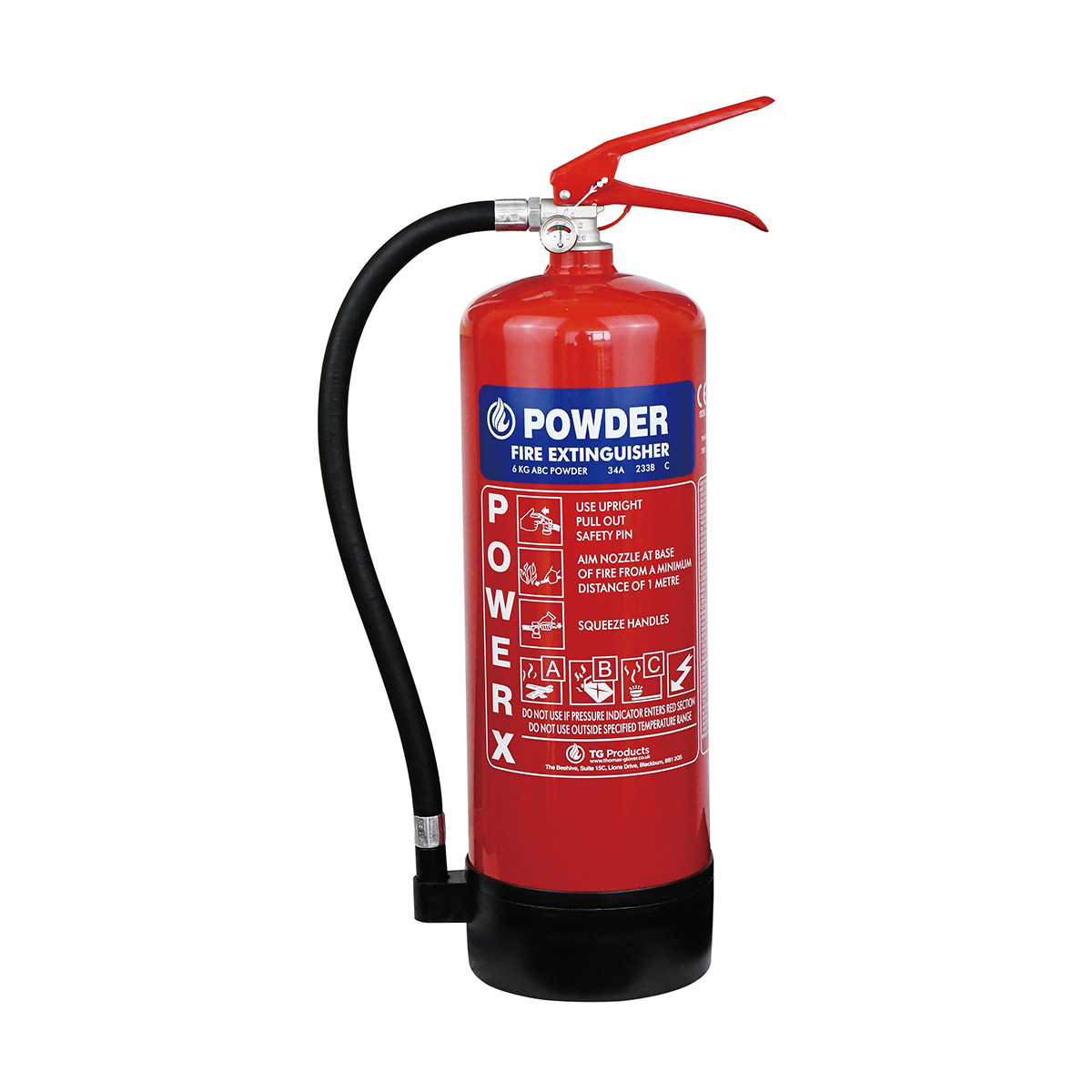
Using a dry chemical fire extinguisher involves simple but precise steps that you must know by heart. First, pull the safety pin to unlock the extinguisher. Aim the nozzle at the base of the fire—not the flames—because extinguishing the fuel source stops the fire faster.
Next, squeeze the handle firmly to release the extinguishing agent. Sweep the nozzle from side to side, covering the entire fire area until it’s completely out. Remember, standing too close or too far reduces effectiveness; maintain a safe distance of about 6 to 8 feet.
Safety Precautions
Safety is your top priority when handling any fire extinguisher. Always check the pressure gauge before use to ensure it’s fully charged. Avoid inhaling the dry chemical powder; it can irritate your lungs and eyes.
Wear protective gloves and eyewear if available, especially in enclosed spaces. Keep an escape route clear behind you—never let the fire block your exit. Have you thought about how quickly a fire can change direction? Being prepared to move fast can save your life.
Emergency Protocols
Using the extinguisher correctly is only part of the response. Immediately call emergency services even if you think the fire is out. Fires can reignite, and professionals can ensure the area is safe.
If the fire grows beyond your control, evacuate the area calmly and alert others. Never turn your back on a fire, and always monitor the surroundings for signs of smoke or heat. Training regularly on emergency protocols helps you stay calm and make quick decisions when seconds count.
Credit: www.fireprotectionshop.co.uk
Integration With Fire Safety Plans
Integrating dry chemical fire extinguishers into your fire safety plan is more than just placing devices around your property. It involves thoughtful planning to ensure quick access, effective coordination with other safety tools, and clear steps for emergency situations. This approach can make a real difference when seconds count during a fire emergency.
Placement Strategies
Where you put your dry chemical fire extinguishers affects how fast you can reach them in a crisis. Position them near potential fire hazards like kitchens, electrical panels, or chemical storage areas. Avoid hiding them behind doors or furniture; they should be clearly visible and easy to grab.
Think about the layout of your space. Are there any spots where a fire could block your path? Placing extinguishers along multiple escape routes can solve this problem. Your goal is to reduce the time it takes to grab the extinguisher and start fighting the fire.
Coordination With Other Safety Measures
Dry chemical extinguishers work best when combined with other fire safety tools like smoke alarms, sprinkler systems, and fire blankets. Make sure these systems complement each other rather than overlap or cause confusion during an emergency.
For example, while sprinklers control fire spread, dry chemical extinguishers can put out small flames quickly. Train your team or family to understand which tool to use in different situations. This clarity helps avoid hesitation and ensures efficient response.
Emergency Response Planning
Having a fire extinguisher is only helpful if you have a clear plan for emergencies. Define who is responsible for using the extinguisher and how to alert others quickly. Regular drills can build confidence and reduce panic.
Ask yourself: Does everyone know how to operate the extinguisher properly? Can they identify when to use it and when to evacuate instead? Addressing these questions ensures your fire safety plan is practical and actionable.
Frequently Asked Questions
What Fires Can Dry Chemical Extinguishers Handle?
Dry chemical fire extinguishers effectively combat Class A, B, and C fires. They work on ordinary combustibles, flammable liquids, and electrical fires. This versatility makes them ideal for homes, offices, and industrial settings where multiple fire types may occur.
How Does A Dry Chemical Fire Extinguisher Work?
It releases a fine powder that interrupts the fire’s chemical reaction. The powder coats the fuel, cutting off oxygen supply. This quickly suppresses flames and prevents re-ignition, making it highly efficient for rapid fire control.
Where Are Dry Chemical Fire Extinguishers Commonly Used?
These extinguishers are widely used in kitchens, workshops, factories, and vehicles. Their ability to handle various fire classes makes them suitable for diverse environments. Many safety regulations recommend their presence in commercial and residential areas.
Are Dry Chemical Extinguishers Safe For Electrical Fires?
Yes, they are safe and effective on electrical fires. The powder is non-conductive, preventing electrical shock risks. This feature makes them a trusted choice for offices and places with electronic equipment.
Conclusion
Dry chemical fire extinguishers work well on many fire types. They stop flames fast and prevent fire spread. These extinguishers suit homes, offices, and vehicles. Knowing how to use them saves lives and property. Keep one nearby for quick action during emergencies.
Stay safe by learning about fire safety tools today.

Hi, I’m Daniel Brooks—a food lover and kitchen gear enthusiast. I enjoy testing cookware, utensils, and gadgets to see what really works in everyday cooking. At PlugChef.com, I share honest reviews, comparisons, and simple guides to help you choose the best tools for a safer, smarter, and more enjoyable kitchen.
Related posts:
 What Type of Cooking Utensils are Safe: Expert Picks
 What Innovations Could Blenders Make: Unleashing Future Tech
 Smart Strategies to Organize a Small Kitchen: Maximize Space
 How to Organize a Kitchen Cabinet: Expert Tips & Tricks
 How to Organize Kitchen Drawers: Expert Tips and Tricks
 How to Organize a Corner Kitchen Cupboard: Expert Tips

