
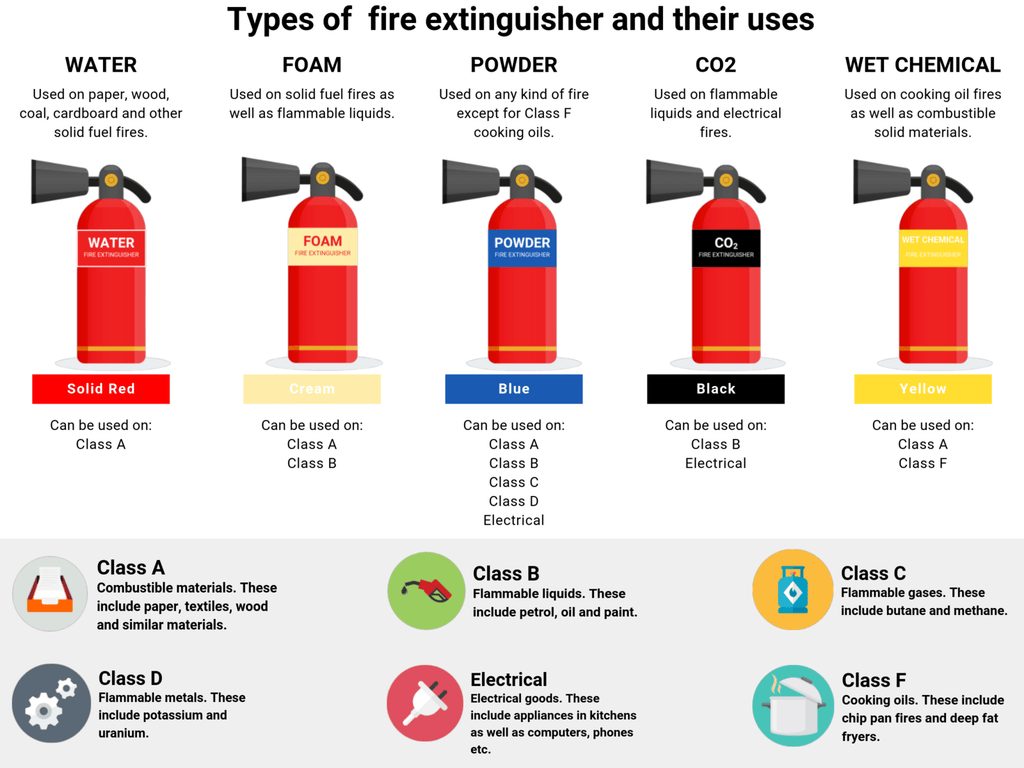
Have you ever wondered what type of fire extinguisher you should have for electrical fires? If your answer is yes, then you’re in the right place.
Class C fire extinguishers are specially designed to tackle fires involving electrical equipment. Knowing when and how to use them can protect your home, office, and even your life. You’ll discover exactly what Class C fire extinguishers are used for and why they are a must-have safety tool for anyone dealing with electrical devices.
Keep reading to learn how to stay safe and prepared when it matters most.
Credit: blog.koorsen.com
Understanding Class C Fire Extinguishers
Understanding Class C fire extinguishers is crucial if you want to protect yourself and your property from electrical fires. These extinguishers are specially designed to handle fires involving electrical equipment without conducting electricity. Knowing their composition and where to use them can make all the difference in an emergency.
Composition And Features
Class C fire extinguishers contain non-conductive extinguishing agents, which means they don’t carry electricity. This is essential when dealing with live electrical fires, as using water or other conductive substances could cause electric shocks or worsen the situation.
Most Class C extinguishers use dry chemical powders such as monoammonium phosphate or sodium bicarbonate. These chemicals effectively interrupt the chemical reaction of the fire, quickly putting it out.
Another key feature is that they leave minimal residue, making cleanup easier and reducing damage to sensitive electronics. Have you ever wondered why water is never recommended for electrical fires? That’s exactly why Class C extinguishers are a safer alternative.
Common Uses And Applications
Class C extinguishers are commonly found in places loaded with electrical devices. Think of offices filled with computers, server rooms, or even home workshops with power tools.
They are also essential in industrial settings like manufacturing plants where electrical motors and wiring are widespread. Using the right extinguisher here not only prevents fire damage but also protects workers from electrical hazards.
Do you have a Class C extinguisher near your electrical panel or computer setup? If not, it might be time to reconsider your safety precautions. Keeping one accessible could save you from costly repairs and dangerous accidents.
Credit: medium.com
Electrical Fire Hazards
Electrical fire hazards pose a serious threat in both homes and workplaces. These fires often start silently and spread quickly, making them difficult to detect early. Understanding what causes electrical fires and the risks involved can help you prevent accidents and respond effectively if one occurs.
Causes Of Electrical Fires
Electrical fires usually begin due to faulty wiring or overloaded circuits. Damaged cords, outdated outlets, and improper use of electrical appliances are common culprits. Even small mistakes, like plugging too many devices into one outlet, can trigger a dangerous spark.
Have you ever noticed a flickering light or a burning smell near an outlet? These signs often mean there’s an electrical problem waiting to ignite. Ignoring such warnings can lead to fires that cause significant damage.
Potential Risks
The risks from electrical fires go beyond property damage. They can cause severe injuries, including burns and smoke inhalation. In some cases, these fires lead to loss of life, especially when they spread rapidly or occur at night when people are asleep.
Electrical fires can also damage expensive equipment and disrupt your daily routine or business operations. Are your fire safety measures ready to handle an electrical fire? Having a Class C fire extinguisher nearby is crucial since it’s designed to safely put out fires involving live electrical equipment without risking your safety.
Proper Use Of Class C Fire Extinguishers
Proper use of Class C fire extinguishers is essential for safety during electrical fires. These extinguishers are designed to handle fires involving energized electrical equipment. Using them correctly prevents injury and damage to electrical devices.
Knowing how to operate a Class C extinguisher increases your confidence in emergencies. It also helps to put out the fire quickly and safely. Always follow safety rules to protect yourself and others nearby.
Steps To Operate
- Pull the safety pin to unlock the extinguisher.
- Aim the nozzle at the base of the fire.
- Squeeze the handle to release the extinguishing agent.
- Sweep the nozzle side to side across the fire base.
- Continue until the fire is completely out.
Safety Precautions
- Always check the extinguisher pressure before use.
- Keep a safe distance from the fire, about 6 to 8 feet.
- Do not use water-based extinguishers on electrical fires.
- Ensure the power source is turned off if possible.
- Evacuate immediately if the fire grows or spreads.
- Wear protective gear if available to avoid injury.
Maintaining Fire Extinguishers
Maintaining fire extinguishers is vital for safety. Regular care ensures they work during emergencies. Neglecting maintenance can cause failure when you need them most. Proper upkeep extends the extinguisher’s life and reliability.
Inspection And Maintenance
Check fire extinguishers monthly. Look for damage, leaks, or corrosion. Make sure the pressure gauge is in the green zone. Verify the nozzle is clear and the pin is secure. Shake dry chemical extinguishers to prevent powder from settling.
Annual professional servicing is crucial. Experts refill, repair, or replace parts as needed. They test the extinguisher to confirm proper function. Keep records of all inspections and maintenance activities.
Legal Requirements
Many countries require regular fire extinguisher maintenance by law. Follow local fire codes and standards. Some laws demand professional inspections every year or more often. Failure to comply can result in fines or legal penalties.
Workplaces must keep fire extinguishers accessible and in good condition. Fire safety regulations often specify extinguisher types and placement. Ensure your extinguishers meet all legal standards to protect people and property.
Advancements In Fire Extinguisher Technology
Fire extinguishers have come a long way, especially those designed for Class C fires involving electrical equipment. Technology has made these devices more efficient, safer, and easier to use. Understanding these advancements can help you choose the right extinguisher and respond better in emergencies.
Innovations In Design
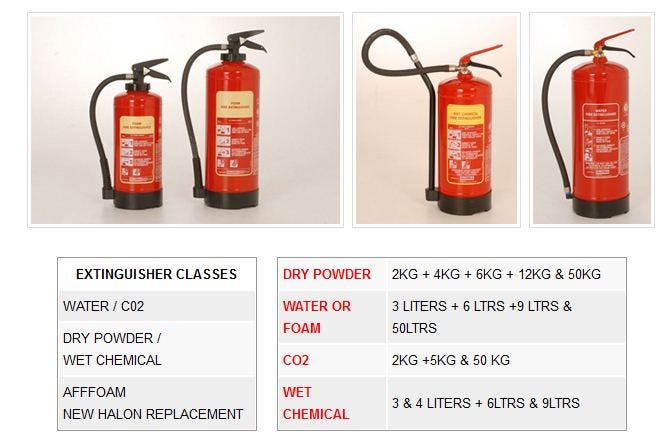
Modern Class C fire extinguishers use non-conductive agents like clean agents and dry chemicals that minimize electrical hazards. This means you can tackle electrical fires without risking an electric shock. Some models now feature ergonomic grips and lightweight materials, making them easier to handle during high-pressure situations.
Smart sensors are also becoming common, alerting you when the extinguisher needs maintenance or replacement. Imagine having a device that tells you it’s ready for action rather than relying on guesswork. This small innovation can save crucial seconds when every moment counts.
Future Trends
Looking ahead, expect fire extinguishers integrated with IoT technology to become more common. These devices could send real-time alerts to your phone or building management system. Wouldn’t it be reassuring to know the extinguisher is monitored constantly, even when you’re not around?
Another trend is the development of eco-friendly extinguishing agents that reduce environmental impact. These agents are designed to be effective without leaving harmful residues or toxins. As you think about safety, consider how these innovations align with your values and environmental responsibility.

Credit: www.facebook.com
Training And Awareness
Training and awareness are key to using Class C fire extinguishers effectively. People need clear knowledge about electrical fires and the right way to handle them. Proper training helps reduce panic and improves safety during emergencies. It also ensures quick, confident action to stop fires before they grow.
Importance Of Fire Safety Education
Fire safety education teaches the risks of electrical fires. It shows why Class C extinguishers are the correct choice. Understanding how electricity affects fire behavior is critical. Education lowers accidents caused by improper extinguisher use. It helps employees and homeowners protect lives and property.
Regular drills and lessons build memory and skills. They make sure people remember what to do under stress. Fire safety education creates a culture of caution and readiness in workplaces and homes.
Programs And Resources
Many organizations offer training on Class C fire extinguisher use. These include:
- Online tutorials with step-by-step guides
- Hands-on workshops and fire drills
- Printed manuals and quick reference cards
- Videos demonstrating safe extinguisher techniques
Resources from fire departments and safety groups provide trusted information. Employers often use these tools to train staff. Clear, simple materials help learners of all levels understand fire safety basics. Access to good resources improves overall preparedness and response.
Choosing The Right Fire Extinguisher
Choosing the right fire extinguisher is essential for safety. Different fires need specific extinguishers. Using the wrong type can make fires worse. Knowing which extinguisher to pick helps protect lives and property. Class C fire extinguishers are designed for electrical fires. Understanding their use is key to making the right choice.
Factors To Consider
- Type of fire risk in the area
- Presence of electrical equipment
- Size and layout of the space
- Ease of use and accessibility
- Extinguisher size and capacity
- Local safety regulations
Electrical fires require a non-conductive extinguisher. Class C extinguishers contain materials safe for this use. Check the label and certification before buying. Regular maintenance and inspection keep extinguishers ready.
Comparison With Other Types
| Fire Extinguisher Type | Best For | Key Features |
|---|---|---|
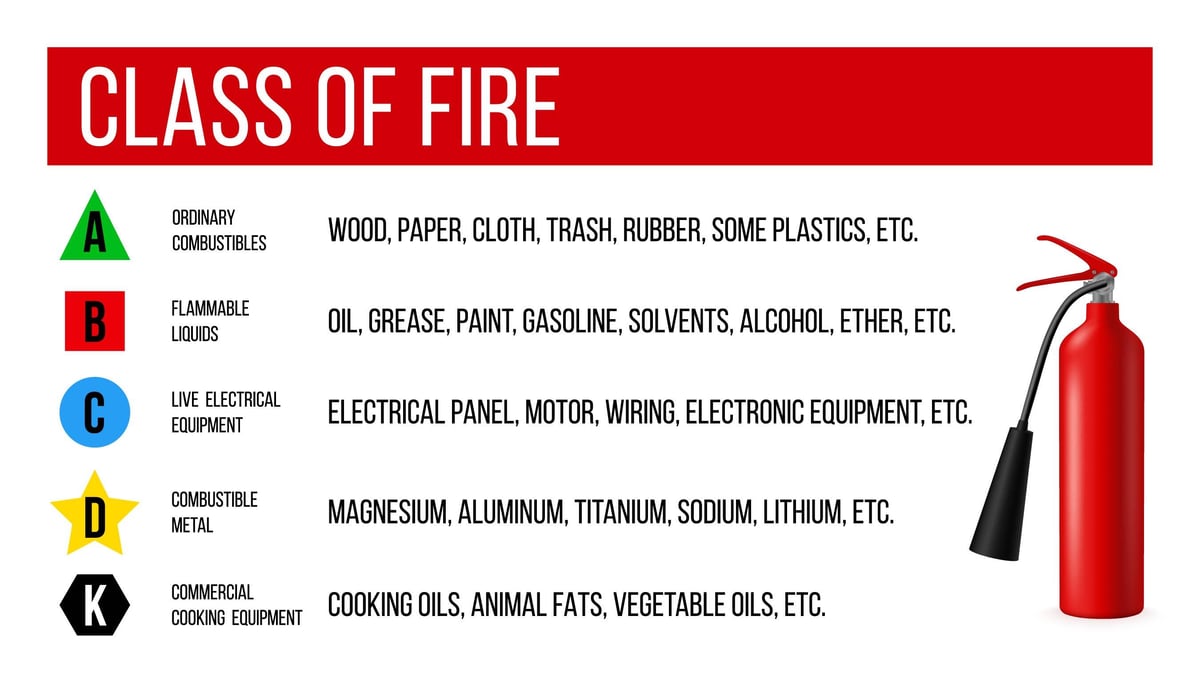
| Class A | Wood, paper, cloth | Water-based, cools fire |
| Class B | Flammable liquids | Foam or dry chemical |
| Class C | Electrical fires | Non-conductive agents |
| Class D | Metal fires | Special powders |
| Class K | Cooking oils and fats | Wet chemical agents |
Class C extinguishers differ by using safe chemicals for electrical fires. Other types may cause shocks or spread fire on electrical sources. Knowing this helps avoid dangerous mistakes.
Frequently Asked Questions
What Fires Are Class C Fire Extinguishers For?
Class C fire extinguishers are designed for electrical fires. They safely put out fires involving energized electrical equipment. Using the wrong extinguisher can cause electric shock or worsen the fire. Always check for electrical hazards before selecting an extinguisher.
Can Class C Extinguishers Be Used On Other Fires?
Class C extinguishers are specifically for electrical fires. They are not ideal for Class A (wood, paper) or Class B (flammable liquids) fires. Some extinguishers are rated for multiple classes, but pure Class C types focus on electrical hazards only.
How Do Class C Fire Extinguishers Work?
Class C extinguishers use non-conductive agents like carbon dioxide or dry chemicals. These agents interrupt the electrical current and smother the fire. This prevents shock hazards while effectively extinguishing electrical fires. Always follow safety instructions when using them.
Where Should Class C Extinguishers Be Placed?
Place Class C extinguishers near electrical panels, server rooms, and offices with lots of wiring. They are essential in places with energized electrical equipment. Proper placement ensures quick access during electrical fire emergencies.
Conclusion
Class C fire extinguishers protect against electrical fires. They stop fires caused by wiring, appliances, and outlets. These extinguishers are safe to use on live electrical equipment. Knowing how and when to use them saves lives and property. Always check the label before choosing a fire extinguisher.
Keep Class C extinguishers in homes and workplaces with electrical devices. Staying prepared helps control fire emergencies quickly and safely. Remember, safety starts with the right fire extinguisher.

Hi, I’m Daniel Brooks—a food lover and kitchen gear enthusiast. I enjoy testing cookware, utensils, and gadgets to see what really works in everyday cooking. At PlugChef.com, I share honest reviews, comparisons, and simple guides to help you choose the best tools for a safer, smarter, and more enjoyable kitchen.
Related posts:
 What Type of Cooking Utensils are Safe: Expert Picks
 What Innovations Could Blenders Make: Unleashing Future Tech
 Smart Strategies to Organize a Small Kitchen: Maximize Space
 How to Organize a Kitchen Cabinet: Expert Tips & Tricks
 How to Organize Kitchen Drawers: Expert Tips and Tricks
 How to Organize a Corner Kitchen Cupboard: Expert Tips

