
Have you ever wondered what kind of fire extinguisher you should have nearby to protect yourself from dangerous fires involving flammable liquids? Knowing about the Class B fire extinguisher could be the key to keeping your home or workplace safe.
This type of extinguisher is specially designed to tackle fires fueled by oils, gasoline, and other liquids that ordinary extinguishers can’t handle. If you want to be prepared and protect what matters most, understanding how and when to use a Class B fire extinguisher is essential.
Keep reading to discover everything you need to know to act quickly and confidently in an emergency.
Credit: blog.koorsen.com
Class B Fire Extinguisher Basics
Understanding the basics of a Class B fire extinguisher is crucial for anyone responsible for safety at home, work, or public spaces. These extinguishers target fires fueled by flammable liquids and gases, making them essential in many environments. Knowing how they work and what fires they tackle can empower you to act quickly and effectively in an emergency.
Characteristics Of Class B Fires
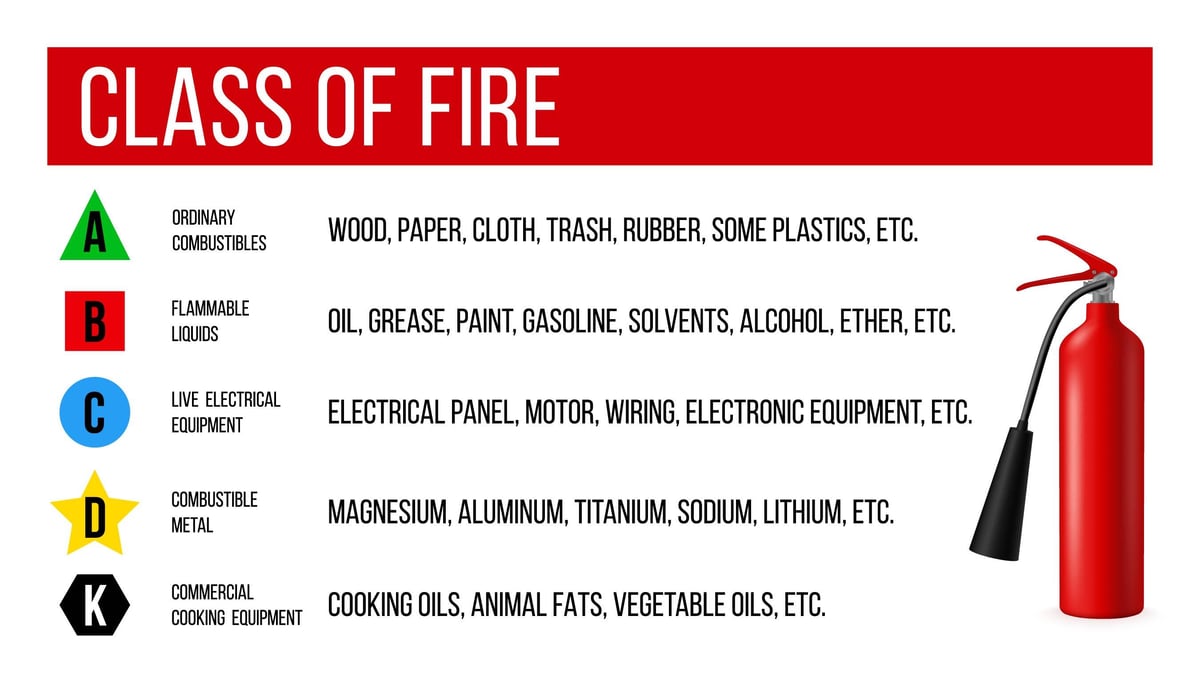
Class B fires involve flammable liquids like gasoline, oil, paint, and solvents. These fires spread quickly because the liquids vaporize, creating flammable gas above the surface. Unlike solid materials, you can’t just smother these fires easily; they need special agents that interrupt the chemical reaction or cut off oxygen.
Have you ever wondered why water isn’t used on gas fires? Water can spread the burning liquid, making the fire worse. That’s why knowing the fuel type behind a fire is vital before choosing your extinguisher.
Components Of Class B Extinguishers
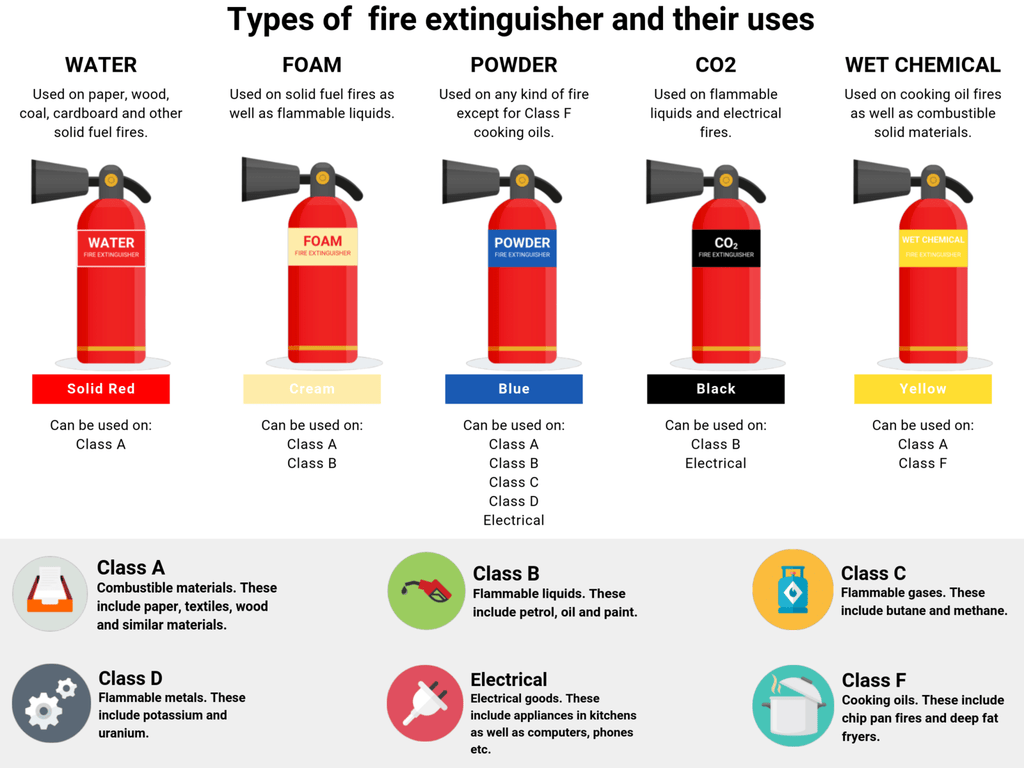
Class B fire extinguishers usually contain agents like foam, dry chemical powder, or carbon dioxide. Each component works differently but shares the goal of stopping the fire quickly and safely.
- Foam:Creates a barrier over the liquid, preventing vapors from escaping and suffocating the fire.
- Dry Chemical Powder:Interrupts the chemical reaction of the fire, effectively stopping combustion.
- Carbon Dioxide (CO2):Displaces oxygen around the fire and cools the flames without leaving residue.
Knowing these components helps you pick the right extinguisher for your specific needs. Have you checked your fire extinguisher lately to see what agent it uses?
Types Of Flammable Liquids
Flammable liquids are substances that catch fire easily at normal temperatures. They pose significant risks in homes, workplaces, and industrial settings. Knowing the types of flammable liquids helps in handling them safely and choosing the right fire extinguisher.
These liquids vary in their flash points, evaporation rates, and ignition properties. Understanding these differences is key to preventing accidents and controlling fires effectively.
Common Flammable Liquids
- Gasoline – widely used as fuel for vehicles and machinery.
- Alcohol – includes ethanol and is used in cleaning and medical supplies.
- Kerosene – used for heating and lighting in some areas.
- Paint Thinners – solvents used to thin or clean paint.
- Acetone – found in nail polish remover and industrial products.
- Lacquer – used for coating and finishing surfaces.
- Diesel Fuel – used in engines, though less flammable than gasoline.
- Turpentine – used as a solvent and for thinning oils.
Hazards Of Flammable Liquids
Flammable liquids can ignite from sparks, heat, or open flames. Their vapors are often more dangerous than the liquids themselves.
These vapors can spread quickly and cause explosions. Storing them improperly increases fire risks. They can also cause burns and respiratory problems if inhaled.
Handling flammable liquids requires caution and proper equipment. Using a Class B fire extinguisher is essential for controlling fires involving these liquids safely.
Selecting The Right Extinguisher
Choosing the right Class B fire extinguisher is crucial for safety and effectiveness. Not all extinguishers work the same way, especially when dealing with flammable liquids. Understanding the specific fire risks and matching the extinguisher to those risks ensures you’re prepared if a fire breaks out.
Assessing Fire Risks
Start by identifying the types of flammable liquids present in your environment. Are you dealing with gasoline, oil, paint, or solvents? Each has different fire behavior, so knowing exactly what you’re protecting against helps you pick the right extinguisher.
Consider how likely a fire could start and where it might spread. Is the area well-ventilated or confined? The size and layout of the space can influence the extinguisher’s size and type that you should have on hand.
Ask yourself: How quickly can you access the extinguisher during an emergency? Having it close to the hazard could make all the difference between controlling the fire or letting it grow.
Matching Extinguishers To Liquids
Class B extinguishers are specially designed for fires involving flammable liquids. However, different extinguishing agents work better for certain liquids. For example, foam extinguishers are excellent for petrol fires, while dry chemical extinguishers handle a wider range of flammable liquids.
It’s important to read the label on the extinguisher carefully to ensure it matches your specific fire risk. Some extinguishers can damage sensitive equipment or create hazards if used incorrectly, so selecting the right one protects both people and property.
Think about the environment too—water-based extinguishers are usually ineffective and dangerous on flammable liquid fires. Choosing the wrong type could make the fire worse, so take a moment to match the extinguisher to the liquid involved.

Credit: www.fireproductsdirect.com.au
Usage Instructions
Knowing how to correctly use a Class B fire extinguisher can make a crucial difference in an emergency. These extinguishers are specifically designed for fires involving flammable liquids like gasoline, oil, and paint. Understanding the usage instructions ensures you act quickly and effectively without putting yourself in unnecessary danger.
Operating Procedures
First, pull the safety pin to unlock the extinguisher. This step is essential to allow you to discharge the extinguisher’s contents.
Next, aim the nozzle at the base of the fire, not the flames. Targeting the fuel source helps to cut off the fire’s energy and stop it faster.
Squeeze the handle steadily to release the extinguishing agent. Keep a firm grip and maintain steady pressure for consistent discharge.
Finally, sweep the nozzle from side to side across the fire’s base until the flames are fully out. This technique ensures the fire is completely covered and prevents reignition.
Safety Precautions
Always keep a safe distance from the fire, typically around 6 to 8 feet. Moving too close can expose you to intense heat or sudden flare-ups.
Make sure you have a clear exit route before using the extinguisher. If the fire grows uncontrollable, you need an escape plan ready.
Never use a Class B extinguisher on electrical fires unless it is rated for that use. Using the wrong extinguisher type can cause shocks or worsen the fire.
After using the extinguisher, monitor the area carefully. Fires can reignite if the fuel source is still hot or exposed.
Have you ever been caught off guard during a fire emergency? Preparing yourself by practicing these steps can boost your confidence and save lives when seconds count.
Storage And Maintenance
Proper storage and regular maintenance keep Class B fire extinguishers ready to use. These extinguishers fight flammable liquids like gasoline and oil. Storing them correctly prevents damage and ensures quick access during emergencies.
Maintenance helps spot problems early. It extends the extinguisher’s life and keeps it working well. Knowing how to store and check these devices is key for safety at home or work.
Proper Storage Practices
- Store Class B extinguishers in visible, easy-to-reach places.
- Keep them away from extreme heat or cold to avoid damage.
- Mount extinguishers on walls using proper brackets or holders.
- Do not block access with furniture or other objects.
- Place near areas with flammable liquids but away from ignition sources.
- Ensure storage areas are dry to prevent rust and corrosion.
Routine Maintenance Checks
- Inspect extinguishers monthly for damage or corrosion.
- Check pressure gauges to ensure correct pressure levels.
- Make sure the pin and tamper seal are intact.
- Look for signs of leakage or clogged nozzles.
- Clean the extinguisher surface to keep labels readable.
- Replace or service extinguishers according to manufacturer guidelines.
- Record each maintenance check for safety compliance.

Credit: www.fireproductsdirect.com.au
Training And Preparedness
Training and preparedness are vital for safe handling of Class B fire extinguishers. Proper knowledge helps control fires involving flammable liquids. Regular practice builds confidence to act quickly during emergencies.
Training Programs
Effective training programs teach correct use of Class B fire extinguishers. Participants learn to identify fire types and select the right extinguisher. Hands-on practice sessions improve skills and reduce panic. Training covers safety rules and maintenance checks. Clear instructions ensure everyone understands their role.
Emergency Preparedness
Emergency preparedness plans include fire extinguisher placement and easy access. Teams rehearse evacuation routes and response steps. Regular drills help spot weaknesses and improve reaction time. Preparedness also means knowing when to call for help. Staying calm and focused saves lives and property.
Legal And Regulatory Considerations
Understanding the legal and regulatory considerations around Class B fire extinguishers is crucial for your safety and compliance. These extinguishers are designed for flammable liquids, which makes their correct usage and maintenance subject to specific rules. Ignoring these can lead to serious penalties and increased liability risks.
Compliance Standards
Class B fire extinguishers must meet strict compliance standards set by national and local authorities. In the U.S., the National Fire Protection Association (NFPA) provides guidelines, especially NFPA 10, which outlines the proper selection and maintenance of portable fire extinguishers.
These standards specify:
- The extinguisher’s size and agent type suitable for flammable liquid fires
- Regular inspection intervals and maintenance procedures
- Proper signage and placement in high-risk areas
Have you checked if your extinguishers comply with the latest NFPA codes? Non-compliance can lead to failed inspections and unsafe work environments.
Liability And Safety Regulations
Your responsibility extends beyond just having the right fire extinguisher. If a fire incident occurs and your Class B extinguisher fails due to poor maintenance or incorrect type, you could face legal consequences.
Workplaces must follow Occupational Safety and Health Administration (OSHA) regulations, which demand:
- Employee training on extinguisher use
- Routine checks to ensure extinguishers are operational
- Documentation of inspections and maintenance
Ignoring these rules can result in fines or even lawsuits if injuries occur. How confident are you that your fire safety measures meet legal requirements? Taking action now reduces risks later.
Frequently Asked Questions
What Types Of Fires Does A Class B Extinguisher Fight?
Class B fire extinguishers are designed for flammable liquids like gasoline, oil, and paint. They effectively suppress fires caused by these substances, preventing rapid spread and damage.
Where Should Class B Fire Extinguishers Be Installed?
Install Class B extinguishers in areas with flammable liquids, such as garages, workshops, and chemical storage rooms. Proper placement ensures quick access during emergencies.
Can Class B Extinguishers Be Used On Electrical Fires?
No, Class B extinguishers are not for electrical fires. Use Class C extinguishers for electrical hazards to avoid electric shock risks.
How Does A Class B Extinguisher Work?
Class B extinguishers remove oxygen or cool flammable liquids, stopping combustion. Their agents interrupt the fire’s chemical reaction effectively.
Conclusion
Class B fire extinguishers protect against flammable liquid fires. They work well on grease, oil, and gasoline fires. Knowing how to use one can keep you safe. Always check the extinguisher’s label before use. Keep it nearby in kitchens or garages.
Regular maintenance ensures it works when needed. Stay prepared to handle fires quickly and safely. Fire safety matters for everyone, everywhere.

Hi, I’m Daniel Brooks—a food lover and kitchen gear enthusiast. I enjoy testing cookware, utensils, and gadgets to see what really works in everyday cooking. At PlugChef.com, I share honest reviews, comparisons, and simple guides to help you choose the best tools for a safer, smarter, and more enjoyable kitchen.
Related posts:
 What Type of Cooking Utensils are Safe: Expert Picks
 What Innovations Could Blenders Make: Unleashing Future Tech
 Smart Strategies to Organize a Small Kitchen: Maximize Space
 How to Organize a Kitchen Cabinet: Expert Tips & Tricks
 How to Organize Kitchen Drawers: Expert Tips and Tricks
 How to Organize a Corner Kitchen Cupboard: Expert Tips

