
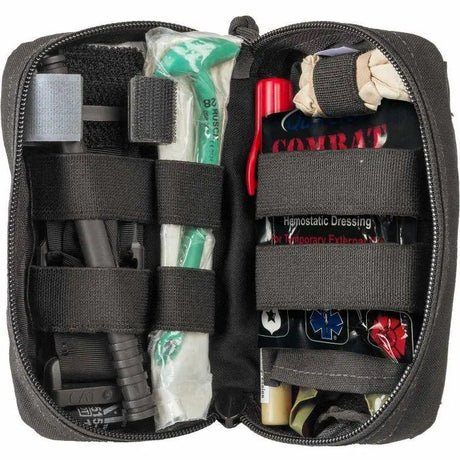
When you’re on the front lines, every second counts. Having the right tools at your fingertips can make the difference between life and death.
Your Law Enforcement First Aid Kit isn’t just a box of supplies—it’s your lifeline in critical moments. Imagine being prepared to handle injuries quickly and confidently, whether on duty or off. You’ll discover exactly what your kit needs to include, why each item matters, and how to keep it ready for any situation.
Keep reading to ensure you’re truly equipped to protect yourself and those around you.

Credit: orderscotmed.com
Key Components
Ensuring the safety and well-being of law enforcement officers is paramount, and a well-equipped first aid kit is a crucial part of that equation. But what makes a first aid kit truly effective? Let’s delve into the key components that should be included to make sure officers are prepared for any situation they might face on the job.
Basic Supplies
At the core of any first aid kit are the basic supplies. These are the essentials that address minor injuries quickly and efficiently. Band-aids, gauze, and adhesive tape are staples, ready to handle cuts and scrapes. Scissors are another must-have, useful for cutting clothing or bandages when needed. Don’t underestimate the power of having a reliable pair of tweezers—handy for removing splinters or debris from a wound.
Trauma Gear
Trauma gear is vital for more serious injuries, often encountered in the field. Tourniquets, for example, can save lives by stopping severe bleeding. Hemostatic dressings are another key item; they help control bleeding when applied directly to a wound. Consider adding chest seals to address open chest wounds effectively. These components are designed for rapid response to critical situations, making them indispensable in a law enforcement kit.
Medications And Ointments
Medications and ointments provide relief and promote healing. Pain relievers like ibuprofen or acetaminophen can be crucial for managing discomfort until further medical help is available. Antiseptic wipes and ointments like Neosporin prevent infections in minor cuts. Having an antihistamine on hand is wise for allergic reactions. These items ensure you’re not just addressing injuries but also supporting recovery.
Specialized Equipment
Specialized equipment might not be used every day, but when the need arises, it’s invaluable. CPR masks and gloves are essential for providing safe and effective life-saving measures. Splints can stabilize fractures until professional medical care is accessible. Consider stocking a compact emergency blanket—perfect for keeping someone warm in shock or exposure to cold conditions. These tools enhance the versatility and preparedness of the first aid kit.
With these components, a law enforcement first aid kit becomes a robust resource for officers on duty. Are you confident that your kit has everything it needs to tackle emergencies? It’s time to take stock and ensure you’re fully prepared.
Choosing The Right Kit
Choosing the right law enforcement first aid kit is more than just picking a standard box of supplies. Your kit needs to meet the specific demands of your daily tasks and environment. It should be reliable, easy to carry, and compliant with legal and departmental rules.
Assessing Mission Needs
Think about the types of emergencies you’re most likely to face. Are you working in a high-risk area where traumatic injuries are common, or is your role more focused on routine patrols? Your kit should reflect these realities.
Include items tailored to your situation, such as tourniquets for severe bleeding or airway management tools if respiratory issues are a concern. Ask yourself: What are the most critical threats I need to be prepared for?
Durability And Portability
Your first aid kit must withstand harsh conditions and constant movement. Look for cases made from tough materials like nylon or hard plastic that resist water and impact.
At the same time, the kit should be lightweight and compact enough to carry comfortably during long shifts. Could you access it quickly under pressure? Easy-to-use compartments and clear labeling make a difference when seconds count.
Compliance With Regulations
Every jurisdiction and department has specific standards for first aid kits. Ignoring these can lead to penalties or ineffective care. Check your local laws and internal policies carefully.
Ensure your kit includes all mandatory items and meets expiration date requirements. Staying compliant not only protects you legally but also guarantees your kit’s readiness when you need it most.
Training For Effectiveness
Training is essential for law enforcement officers to use first aid kits effectively. Proper training builds confidence and ensures quick, accurate responses in emergencies. It also helps officers stay updated on medical procedures and kit contents.
First Aid Skills
Officers must learn basic first aid skills like CPR, wound care, and bleeding control. Hands-on practice improves muscle memory and reaction time. Training sessions should cover how to use each item in the kit correctly.
Scenario-based Drills
Realistic drills simulate emergencies officers might face on duty. These drills test skills under pressure and reveal areas needing improvement. Role-playing different scenarios helps officers stay calm and focused during actual incidents.
Regular Kit Maintenance
Training should include checking and restocking the first aid kit regularly. Officers learn to identify expired or missing supplies. Keeping the kit ready ensures no delay when help is needed.

Credit: rescue-essentials.com
Deployment Strategies
Effective deployment of a Law Enforcement First Aid Kit can make a critical difference during emergencies. How you position and use the kit influences response time and patient outcomes. Let’s look at practical ways to maximize the kit’s impact in real-world situations.
On-scene Usage
Having the first aid kit immediately accessible at the incident site is key. Officers should be trained to quickly identify the most urgent medical needs and use the kit without hesitation.
Think about a recent call where a quick bandage or tourniquet stopped bleeding before EMS arrived. That kind of prompt action saves lives.
Keep your kit organized so you can grab what you need fast—no fumbling with supplies under pressure.
Vehicle And Patrol Integration
Storing the first aid kit in a consistent, easy-to-reach spot inside patrol vehicles ensures you don’t waste precious seconds searching for it.
Many departments equip multiple kits across vehicles and even on officers’ person. This redundancy means help is never far away.
- Mount kits near the driver’s seat or passenger side door for quick access
- Regularly check and restock kits to maintain readiness
- Train officers to carry compact kits during foot patrols or undercover assignments
Collaboration With Medical Teams
Working closely with EMS and hospital staff enhances how the first aid kit is used on the scene.
Clear communication about what treatments have been given helps medical teams prepare for the patient’s arrival.
During training sessions, sharing feedback with paramedics can improve kit contents and usage protocols tailored to specific scenarios.
Have you considered how your first aid efforts fit into the bigger emergency response picture?
Innovations In First Aid Kits
First aid kits for law enforcement have come a long way from the basic bandages and antiseptics. Innovations in these kits focus on making them more effective, easier to carry, and smarter. These improvements can make a real difference during emergencies when every second counts.
Advanced Materials
Modern first aid kits use materials that are lightweight yet durable. High-strength fabrics resist wear and tear, keeping supplies safe in tough environments. Waterproof and antimicrobial materials also help maintain cleanliness and readiness.
Think about a situation where your kit gets wet or dirty—advanced materials prevent damage and contamination, ensuring your supplies are reliable when you need them most.
Smart Technology Integration
Some first aid kits now come with digital features to guide you through emergency care. These include QR codes linked to instructional videos and apps that offer step-by-step help. Smart sensors can even monitor the kit’s contents and alert you when something needs replacing.
Have you ever found yourself unsure how to use a specific item in a stressful moment? Smart technology can turn hesitation into confidence by providing instant assistance right at your fingertips.
Compact And Modular Designs
Space is precious when you’re on duty. First aid kits have become smaller and more organized, with modular compartments tailored to different emergencies. This design allows you to quickly find what you need without fumbling.
Imagine opening your kit and immediately spotting the tourniquet or gauze without digging through a mess. Compact and modular designs make this possible, helping you act faster and save lives.

Credit: rescue-essentials.com
Frequently Asked Questions
What Items Are Essential In A Law Enforcement First Aid Kit?
A law enforcement first aid kit must include tourniquets, trauma dressings, gloves, CPR masks, and hemostatic agents. These items address common injuries officers face, ensuring rapid response and life-saving care during emergencies on duty.
How Does A Law Enforcement First Aid Kit Differ From Regular Kits?
Law enforcement kits focus on trauma care, containing specialized supplies like tourniquets and chest seals. They are designed for high-risk situations, unlike regular kits that mainly cover minor injuries and basic first aid.
Why Is Immediate Access To A First Aid Kit Crucial For Officers?
Immediate access helps officers provide lifesaving care before medical professionals arrive. Quick response can control bleeding, prevent shock, and stabilize victims, improving survival rates in critical incidents.
How Often Should Law Enforcement First Aid Kits Be Inspected?
Kits should be checked monthly to ensure all supplies are present and unexpired. Regular inspections guarantee readiness and reliability during emergencies, maintaining officer and public safety.
Conclusion
A law enforcement first aid kit saves lives in critical moments. Keeping it ready helps officers act fast and smart. Every item inside has a clear and important role. Training to use the kit improves confidence and skills. Regular checks make sure the kit stays complete and useful.
Safety and preparedness go hand in hand for law officers. Being ready can make a real difference on the job. This simple tool supports courage and care in tough times.

Hi, I’m Daniel Brooks—a food lover and kitchen gear enthusiast. I enjoy testing cookware, utensils, and gadgets to see what really works in everyday cooking. At PlugChef.com, I share honest reviews, comparisons, and simple guides to help you choose the best tools for a safer, smarter, and more enjoyable kitchen.
Related posts:
 What Type of Cooking Utensils are Safe: Expert Picks
 What Innovations Could Blenders Make: Unleashing Future Tech
 Smart Strategies to Organize a Small Kitchen: Maximize Space
 How to Organize a Kitchen Cabinet: Expert Tips & Tricks
 How to Organize Kitchen Drawers: Expert Tips and Tricks
 How to Organize a Corner Kitchen Cupboard: Expert Tips

