
Imagine facing an emergency where every second counts. Do you have the right tools at your fingertips to save a life?
Your first aid kit and AED (Automated External Defibrillator) could be the difference between hope and tragedy. This isn’t just about being prepared—it’s about taking control when it matters most. Keep reading to discover how these essential lifesaving devices work together and why having them ready could empower you to act confidently in a crisis.

Credit: www.amazon.com
First Aid Kit Basics
Having a well-stocked first aid kit is one of the smartest preparations you can make for your home, car, or workplace. It helps you respond quickly and effectively to minor injuries and can even save lives in emergencies. Understanding the basics of first aid kits ensures you’re ready for unexpected situations.
Key Items To Include
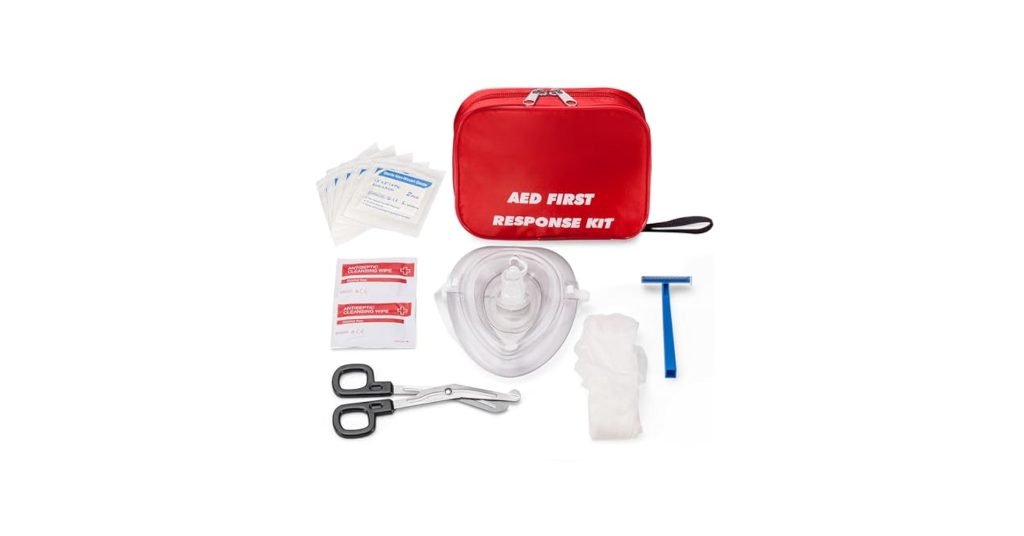
Your first aid kit should cover the essentials needed for common injuries. Include:
- Adhesive bandagesin various sizes for cuts and scrapes.
- Sterile gauze padsand medical tapefor dressing larger wounds.
- Antiseptic wipesor solutions to clean wounds and prevent infection.
- Scissorsand tweezersfor removing debris or cutting tape.
- Disposable glovesto protect yourself while treating injuries.
- Pain relieverslike ibuprofen or acetaminophen for relief.
- CPR face shieldor mask for safe resuscitation.
Adding a thermometer and a first aid manual can also boost your preparedness. Think about what injuries are most likely in your environment—do you hike often or have kids at home? Customize your kit accordingly.
Types Of First Aid Kits
First aid kits come in different sizes and designs depending on their purpose. A basic kitis perfect for minor cuts and scrapes around the house. It’s compact and easy to store.
A travel kitis lightweight and tailored for on-the-go use. It usually contains fewer but essential items to handle common travel-related injuries.
For workplaces or outdoor activities, a comprehensive kitoffers a wide range of supplies to manage more serious injuries. These kits often include burn treatments, splints, and emergency blankets.
Which type fits your lifestyle best? Choosing one that matches your daily risks makes it easier to keep your kit relevant and useful.
How To Choose The Right Kit
Choosing the right first aid kit starts with assessing your needs honestly. Ask yourself: where will you keep the kit, and who might need to use it? A family with young children will need different supplies than a solo hiker.
Look for kits with clear labels and organized compartments. This helps you find what you need quickly when every second counts. Also, check the expiration dates on items like antiseptics and medications.
Consider adding an AED (Automated External Defibrillator) if someone nearby has a heart condition or if you’re responsible for a large group. AEDs are designed for easy use and can make a life-saving difference during cardiac emergencies.
Aed Essentials
In the world of first aid, understanding AED essentials can be a lifesaver. An Automated External Defibrillator (AED) is a crucial device that can make the difference between life and death during a cardiac emergency. Whether you’re at home, work, or out in the community, knowing how to use and maintain an AED can empower you to act swiftly and effectively.
How Aeds Work
AEDs are designed to analyze the heart’s rhythm and deliver an electric shock if needed. This shock can help the heart return to a normal rhythm. The device is user-friendly and often provides voice prompts to guide you through each step.
Imagine you’re at a family gathering, and someone collapses. The AED, with its straightforward instructions, can help you act confidently. Remember, it’s not about being a medical expert; it’s about following directions to save a life.
When To Use An Aed
Use an AED when someone is experiencing sudden cardiac arrest. This is when the heart stops beating effectively. You’ll recognize it by the person’s sudden collapse and lack of responsiveness.
Every second counts, so act quickly. Have you considered practicing with an AED at a local community workshop? It can boost your confidence for real-life situations.
Aed Maintenance Tips
Maintaining an AED is key to ensuring it’s ready when needed. Regularly check the battery status and expiration dates. Keep the device clean and stored in an accessible spot.
Some AEDs have self-tests and indicators for battery life. Are you familiar with these features? Knowing them can prevent unexpected surprises during an emergency.
By understanding AED essentials, you equip yourself with knowledge that can save lives. Are you ready to take the next step in first aid preparedness?
First Aid And Aed Together
Having a First Aid Kit and an AED (Automated External Defibrillator) together creates a powerful safety combo. Each plays a unique role, but they work best when used side by side during emergencies. Understanding their connection can improve your readiness and potentially save lives.
Complementary Roles In Emergencies
A First Aid Kit handles injuries like cuts, burns, and fractures. It offers tools to stop bleeding, clean wounds, and stabilize conditions until help arrives.
An AED focuses on heart emergencies, especially sudden cardiac arrest. It analyzes the heart’s rhythm and delivers shocks if needed to restore a normal heartbeat.
Together, they cover a wider range of emergencies. Imagine someone collapses with a severe injury and a heart problem—having both tools lets you address multiple issues immediately.
Training For Effective Use
Owning these tools isn’t enough. You need to know how to use them confidently and quickly.
- Practice basic first aid skills like bandaging and CPR regularly.
- Take an AED training course to learn how to operate the device safely.
- Simulate emergency scenarios with friends or coworkers to build muscle memory.
Have you ever hesitated during a crisis because you weren’t sure what to do next? Training helps erase that uncertainty.
Common Mistakes To Avoid
Many people make avoidable errors with First Aid Kits and AEDs that reduce their effectiveness.
- Ignoring expiration dates on supplies and AED batteries can leave you unprepared.
- Failing to check AED status regularly—like battery life and electrode pad condition—risks device failure.
- Using the AED without calling emergency services first delays professional help.
- Panicking or rushing can cause incorrect use of bandages or AED pads.
Are you confident your first aid skills won’t falter under pressure? Avoiding these mistakes starts with preparation and calm practice.

Credit: overdosekits.com
Where To Keep Your Kit And Aed
Knowing where to keep your First Aid Kit and AED can make all the difference in an emergency. You want these life-saving tools within reach and easy to spot, so no time is wasted during a critical moment. Let’s look at how you can position them effectively.
Accessibility And Visibility
Your First Aid Kit and AED should be placed where anyone can grab them quickly. Think about spots that are easy to access even for someone who is not familiar with the area.
Keep them at eye level or in clearly marked cabinets. Use bright signs or labels to make sure they stand out. If you’ve ever been in a rush, you know how hard it can be to find something hidden away.
Ask yourself: If someone new walked into this space during an emergency, could they find the kit or AED without asking?
Home, Workplace, And Public Spaces
At home, keep the First Aid Kit and AED in a central spot like the kitchen or hallway. These areas are commonly used, so everyone knows where to go.
In a workplace, place them near high-traffic zones such as break rooms or reception areas. Make sure all employees know the location through regular reminders or signage.
Public spaces like malls, gyms, and schools should have multiple AED stations and First Aid Kits. Position them near entrances, exits, or places where crowds gather. The goal is to reduce response time and help as many people as possible.
Legal And Safety Considerations
Knowing the legal and safety considerations around First Aid Kits and AEDs can make a big difference in emergencies. It’s not just about having the tools but understanding your rights and duties when you use them. This knowledge helps you act confidently without fear of legal trouble.
Good Samaritan Laws
Good Samaritan Laws protect people who help others in emergencies from being sued. These laws encourage you to assist without hesitation, as long as you act reasonably and don’t cause harm on purpose.
Imagine you see someone collapse and use an AED to save their life. Thanks to these laws, you’re generally safe from legal backlash if something goes wrong, provided you don’t act recklessly.
However, the scope of these laws varies by location. Check the rules in your area to know exactly what protection you have when you step in to help.
Liability And Responsibility
Owning a First Aid Kit or AED brings responsibility. You must ensure the equipment is in good working order and easy to access.
If you provide first aid or use an AED, your actions should follow basic training guidelines. Misuse or negligence can lead to liability issues.
Think about your workplace or community center. Who is responsible if the AED isn’t maintained? Assigning clear accountability avoids confusion and legal problems.
- Regularly check expiration dates on supplies.
- Train yourself and others on proper use.
- Document maintenance and training activities.
Would you feel confident stepping in during an emergency if you knew exactly where responsibility lies? Making these considerations part of your routine protects everyone involved.

Credit: www.amazon.com
Upgrading And Restocking
Keeping your First Aid Kit and AED up to date is vital for safety. Regularly upgrading and restocking ensures readiness in emergencies. Old or expired items may fail when you need them most. Checking the kit’s condition often helps avoid surprises. New technology can improve response times and effectiveness. Staying informed about advances allows better protection for everyone around.
When To Replace Items
Check all supplies every three to six months. Replace anything that is expired or damaged. Bandages, antiseptics, and medications lose effectiveness over time. Batteries in flashlights and devices need regular swapping. AED pads usually expire after two years. After use, replace all used items immediately. Keep a checklist to track what needs restocking. A well-maintained kit saves precious seconds during emergencies.
Latest Technology In Aeds And Kits
Modern AEDs have clearer voice instructions for users. Some models connect to smartphones for real-time help. Lightweight and compact kits improve portability. New AEDs offer longer battery life and faster analysis. Kits now include more advanced wound care materials. Digital displays guide CPR rhythm and depth. These upgrades help even untrained people act quickly. Investing in updated equipment boosts confidence and safety.
Frequently Asked Questions
What Is The Difference Between A First Aid Kit And An Aed?
A first aid kit contains supplies for minor injuries. An AED (Automated External Defibrillator) treats sudden cardiac arrest by restoring heart rhythm. Both are essential for emergency response but serve different purposes.
How Do I Use An Aed During An Emergency?
Turn on the AED and follow voice prompts. Attach pads to the patient’s bare chest as shown. Allow the AED to analyze heart rhythm and deliver shock if advised. Continue CPR if instructed.
What Items Are Essential In A First Aid Kit?
Essential items include bandages, antiseptic wipes, adhesive tape, scissors, gloves, and pain relievers. These supplies help treat cuts, burns, and minor injuries quickly and effectively.
Why Should Workplaces Have Both A First Aid Kit And Aed?
Workplaces face injury and cardiac risks. A first aid kit handles minor injuries. An AED can save lives during cardiac arrest. Both improve emergency preparedness and safety compliance.
Conclusion
A first aid kit and AED save lives in emergencies. Keep them ready and easy to find. Know how to use each item quickly. Practice first aid skills regularly to stay prepared. Simple actions can make a big difference. Every home and workplace should have these tools.
Being ready means helping others and staying safe. Don’t wait for accidents to happen. Start today.

I’m Abby Lu, a passionate home cook who loves simplifying everyday meals. At PlugChef.com, I share product reviews and cooking guides to help you find the best tools for your kitchen.
Related posts:
 What Type of Cooking Utensils are Safe: Expert Picks
 What Innovations Could Blenders Make: Unleashing Future Tech
 Smart Strategies to Organize a Small Kitchen: Maximize Space
 How to Organize a Kitchen Cabinet: Expert Tips & Tricks
 How to Organize Kitchen Drawers: Expert Tips and Tricks
 How to Organize a Corner Kitchen Cupboard: Expert Tips

