
When you hit the road on your bike, safety should always come first. Imagine riding smoothly, but suddenly facing a small accident or injury.
Do you have what you need to handle it quickly and confidently? Your bike rides can be full of surprises, and having a well-stocked first aid kit can make all the difference. You’ll discover exactly what to include in your first aid kit for bike trips.
By the end, you’ll feel ready and prepared to protect yourself and keep your rides worry-free. Keep reading—your safety depends on it.

Credit: moskomoto.com
Must-have Items For Bike First Aid Kits
When biking, safety should be a top priority. Carrying a first aid kit is essential. It helps manage minor injuries and emergencies. A well-stocked kit can make a big difference. Let’s explore the must-have items for bike first aid kits.
Bandages And Dressings
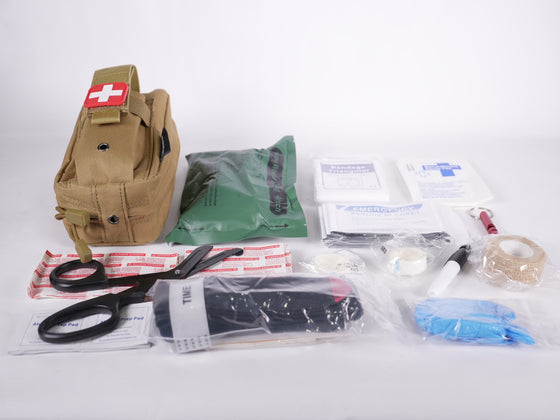
Bandages are crucial for covering wounds. Include various sizes for different injuries. Adhesive bandages are great for small cuts. Sterile gauze pads help with larger wounds. Elastic bandages provide support for sprains.
Antiseptics And Ointments
Antiseptics prevent infection in wounds. Include alcohol wipes or antiseptic wipes. These clean cuts and scrapes effectively. Antibiotic ointments promote healing. They are useful for treating minor skin injuries.
Pain Relief Supplies
Pain relief is important for comfort. Carry pain relief tablets for headaches and muscle aches. Consider including cooling gel packs. They soothe swelling and bruises. This helps reduce discomfort during the ride.
Tools And Accessories
Tools are handy for emergencies. A pair of tweezers removes splinters or debris. Scissors cut bandages to needed sizes. Safety pins secure bandages in place. Include a compact flashlight for night rides.
Choosing The Right First Aid Kit For Biking
Choosing the right first aid kit for biking is crucial for safety on the road or trail. A good kit should be easy to carry and fit your biking style. It must offer protection against common injuries like cuts, scrapes, or insect bites. The right kit helps you stay prepared without adding bulk or weight to your gear. Consider these factors to find the best fit for your rides.
Compact And Lightweight Options
Compact kits save space in your backpack or bike bag. Lightweight kits do not add much weight to your gear. Look for small, well-organized kits that hold essential supplies. They should be easy to access while riding. Minimal but effective is the key to a good biking first aid kit.
Durability And Weather Resistance
Durability keeps your supplies safe during rough rides. Weather resistance protects contents from rain, dust, and dirt. Choose kits with strong, waterproof cases or pouches. This ensures your bandages and medicines stay dry and usable. A sturdy kit lasts longer and works better outdoors.
Customization For Different Rides
Customize your kit based on the type and length of rides. Add items for long trips, like pain relievers or allergy medicine. For short rides, simple supplies like band-aids and antiseptic wipes may be enough. Adjust your kit to match your route and environment. This way, you carry only what you really need.
How To Use Your Bike First Aid Kit
Knowing how to use your bike first aid kit is important for safety. It helps you act fast when injuries happen on the trail. This guide explains how to handle common injuries and emergencies. You will learn how to clean wounds and apply dressings properly. Understanding these basics can make your rides safer and more enjoyable.
Treating Common Injuries
Start by checking the injury carefully. Look for cuts, scrapes, bruises, or swelling. Use antiseptic wipes from your kit to clean the area gently. Apply pressure with a sterile gauze pad to stop any bleeding. Use adhesive bandages or butterfly closures for small cuts. For bruises, apply a cold pack to reduce swelling. Keep the injured part elevated if possible. Always watch for signs of infection like redness or pus.
Cleaning And Dressing Wounds
First, wash your hands or wear gloves if available. Remove dirt and debris from the wound with clean water or saline solution. Use antiseptic wipes to disinfect the area. Dry around the wound with a sterile cloth. Cover the wound with a non-stick sterile dressing. Secure it with medical tape or a bandage. Change dressings daily or if they become wet or dirty. Proper dressing helps prevent infection and speeds healing.
Handling Emergencies On The Trail
Stay calm and assess the situation quickly. Call for help if the injury is serious. Use a tourniquet only if bleeding is severe and uncontrollable. Keep the injured person warm and still. Use your first aid kit’s emergency blanket if available. Monitor their breathing and pulse until help arrives. Know basic CPR techniques for life-threatening emergencies. Always carry a mobile phone or emergency beacon on remote rides.
Maintaining And Restocking Your Kit
Keeping your bike first aid kit ready can make a real difference in an emergency. Regular maintenance ensures you never face a situation where your supplies are outdated or missing. Small checks and timely restocking keep your kit reliable and handy whenever you need it.
Checking Expiry Dates
Medicines and sterile items in your kit have expiration dates for a reason. Using expired bandages or ointments can reduce their effectiveness or even cause harm. Make it a habit to check these dates every few months to keep everything fresh and safe.
Set a reminder on your phone or calendar to review your kit’s contents regularly. This simple step can save you from unpleasant surprises when you need your kit the most.
Replacing Used Items
After any ride where you use your kit, take a moment to replace what you’ve used immediately. Leaving your kit incomplete is like carrying an empty toolbox. Even small items like adhesive bandages or antiseptic wipes should be replaced right away.
Think about the last time you had to patch a wound on the trail. Was your kit fully stocked afterward? If not, restocking should be your priority before the next trip.
Storing For Easy Access
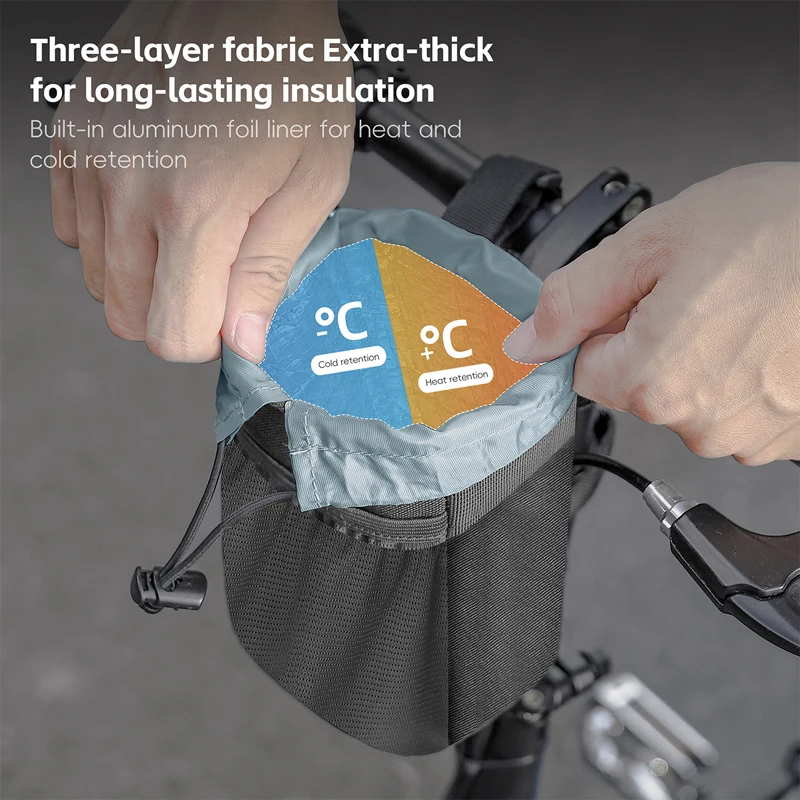
Where you keep your first aid kit matters. It should be easy to grab in an emergency, not buried under other gear. Consider a dedicated pocket on your bike or a small, visible pouch on your backpack.
Ask yourself: In a stressful moment, can you find your kit quickly? If the answer is no, rearrange your storage. Quick access can save crucial seconds during an accident.
Additional Safety Tips For Riders
Riding a bike offers freedom and fun but also comes with risks. Carrying a first aid kit is smart, but safety goes beyond that. Knowing extra safety tips can protect you better on the road or trail. These tips help prevent injuries and prepare you for unexpected situations.
Wearing Protective Gear
Always wear the right gear before you start riding. A helmet protects your head from serious injury. Gloves guard your hands from scrapes and improve grip. Knee and elbow pads cushion falls and reduce bruises. Bright clothes make you visible to others, especially in low light. Protective gear lowers the chance of injury and boosts your confidence.
Riding With A Buddy
Riding alone can be risky, especially in remote areas. Having a buddy means someone can help in an emergency. You can watch out for each other and share the fun. Plan your route together and agree on signals to communicate. Riding with a friend also makes the trip more enjoyable.
Knowing When To Seek Medical Help
Not all injuries need a doctor, but some do. Deep cuts, broken bones, or heavy bleeding require professional care. If you feel dizzy, weak, or have trouble breathing, get help fast. Watch for signs like severe pain or swelling. When unsure, it is safer to visit a medical center. Quick action can prevent problems from getting worse.
Credit: shop.lawabidingbiker.com

Credit: risenmed.en.made-in-china.com
Frequently Asked Questions
What Essential Items Should A Bike First Aid Kit Include?
A bike first aid kit should include bandages, antiseptic wipes, adhesive tape, pain relievers, scissors, and tweezers. These items help treat minor injuries quickly and prevent infections during rides. It’s important to keep everything compact and waterproof.
How Often Should I Check My Bike First Aid Kit?
You should check your bike first aid kit every 3 to 6 months. Replace expired items and restock used supplies. Regular checks ensure the kit is ready for emergencies and that all contents are safe and effective.
Can A Bike First Aid Kit Handle Serious Injuries?
A bike first aid kit is designed for minor injuries like cuts and scrapes. For serious injuries, seek immediate professional medical help. The kit provides first response care but is not a substitute for emergency medical services.
Where Is The Best Place To Store A Bike First Aid Kit?
Store your bike first aid kit in an easily accessible, waterproof bag or compartment on your bike. Common spots include under the seat, handlebar bag, or backpack. Accessibility ensures quick aid during accidents or emergencies.
Conclusion
A first aid kit is essential for every bike trip. It helps you handle small injuries quickly. Carry basic items like bandages, antiseptic wipes, and pain relief. This kit can prevent infections and ease pain on the road. Always check and restock your kit before rides.
Being prepared brings peace of mind and safety. Stay safe, ride smart, and keep your first aid kit close. Simple steps can protect you from many common bike accidents.

I’m Abby Lu, a passionate home cook who loves simplifying everyday meals. At PlugChef.com, I share product reviews and cooking guides to help you find the best tools for your kitchen.
Related posts:
 What Type of Cooking Utensils are Safe: Expert Picks
 What Innovations Could Blenders Make: Unleashing Future Tech
 Smart Strategies to Organize a Small Kitchen: Maximize Space
 How to Organize a Kitchen Cabinet: Expert Tips & Tricks
 How to Organize Kitchen Drawers: Expert Tips and Tricks
 How to Organize a Corner Kitchen Cupboard: Expert Tips

