
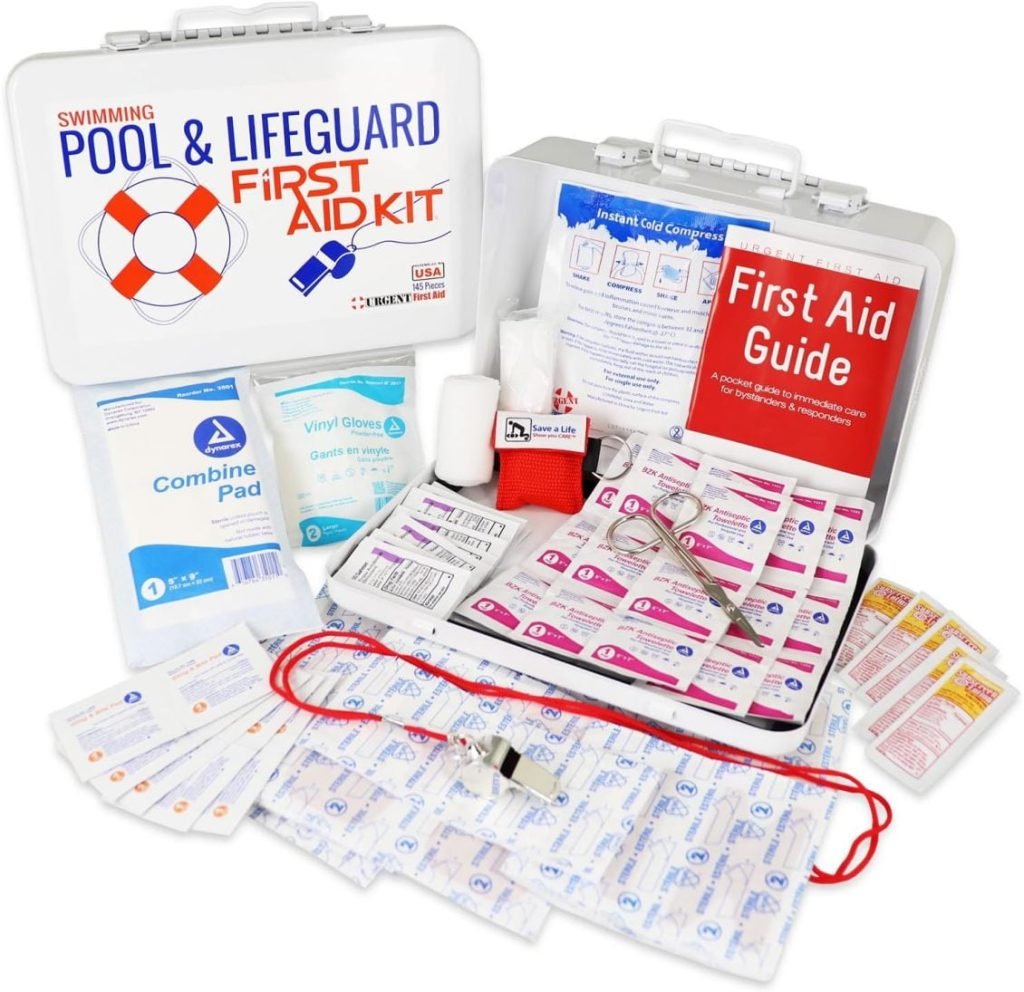
Your swimming pool is a place for fun, relaxation, and making great memories. But accidents can happen when you least expect them.
Having a swimming pool first aid kit ready can make all the difference between a quick fix and a serious emergency. You want to be prepared to handle cuts, scrapes, or even more urgent situations without panic. You’ll discover exactly what your swimming pool first aid kit needs, why each item is important, and how to keep it ready for anything.
Keep reading to make sure your pool time stays safe and worry-free.

Credit: www.inuyaki.com
Choosing Pool First Aid Kit
A swimming pool first aid kit should include essential items for treating minor injuries and emergencies. Choose a kit with waterproof supplies and clear instructions for quick response. Keep it accessible near the pool for safety and peace of mind.
Choosing the right swimming pool first aid kit can make all the difference in ensuring safety and quick response during emergencies. A well-equipped kit is not just a precaution; it’s a necessity for every pool owner. Whether you’re hosting a pool party or enjoying a quiet swim, having the right supplies close at hand helps you act swiftly when needed. Imagine you’re relaxing by the pool, when suddenly someone needs urgent care. Would you be prepared?Must-have Supplies
Your pool first aid kit should be equipped with essentials that cater specifically to pool-related injuries. Think of items like waterproof bandages, antiseptic wipes, and instant cold packs. A pair of scissors and tweezers are useful for removing splinters or cutting bandages to size. You might want to include sunscreen and aloe vera gel to treat minor burns.Waterproof And Portable Options
Waterproof kits are a game-changer. They ensure that your supplies remain dry and usable even if they accidentally fall into the pool. Look for kits that are compact and easy to carry. You might find options that come with a shoulder strap or a handle, making them convenient to move around. A waterproof pouch can be an additional safeguard for your kit.Kit Size And Storage
Consider the size of your kit based on the number of people usually present around your pool. A larger kit might be necessary for homes that frequently host gatherings. Storage is key; keeping your kit in a visible and accessible location ensures everyone knows where it is during an emergency. You could dedicate a small cabinet or shelf for this purpose. By focusing on these aspects, you can ensure your pool first aid kit is effective and ready to use whenever required. Remember, safety starts with preparation. Is your pool first aid kit ready for action?
Credit: m.facebook.com
Common Pool Injuries
Swimming pools are a fantastic way to cool off and have fun, but they also come with risks. Knowing the common injuries that happen around pools can help you prepare better. Your first aid kit should be ready to handle these situations quickly and effectively.
Cuts And Scrapes
Sharp pool edges, broken tiles, and rough surfaces often cause cuts and scrapes. These injuries might seem minor but can easily get infected if not treated right away. Having antiseptic wipes, adhesive bandages, and antibiotic ointment in your first aid kit can make a big difference.
Think about the last time you or someone you know got a small cut near the pool. Did you have the right supplies to clean and protect it? If not, that’s a clear sign to update your kit.
Burns And Sunburns
Hot poolside surfaces and prolonged sun exposure cause burns and sunburns. You might not expect a pool area to be a burn hazard, but the hot concrete or metal can surprise you. Aloe vera gel, burn creams, and cool packs should be part of your kit to provide immediate relief.
Have you ever felt the sting of a sunburn after a day at the pool? Imagine if you had soothing treatments ready right when you needed them. Your first aid kit can help reduce pain and speed up healing.
Drowning And Near-drowning
Drowning is the most serious pool injury and requires immediate action. Near-drowning incidents can cause complications even after rescue, so your kit should include items like a CPR mask and a whistle for emergency signaling. Knowing CPR and having these tools ready can save lives.
Do you know how to respond if someone struggles underwater? Preparing for this possibility is crucial because every second counts in such emergencies.
Chemical Exposure
Pool chemicals like chlorine can irritate skin, eyes, and respiratory systems if mishandled. Rinsing the affected area with clean water is the first step, so your first aid kit should include eye wash solutions and clean cloths. Quick response can prevent more severe reactions.
Have you ever noticed a strong chemical smell around the pool and wondered about the risks? Being ready to handle chemical exposure protects you and your loved ones from unexpected harm.
First Aid Steps For Pool Emergencies
Pool emergencies can happen quickly, and having the right knowledge to act fast is crucial. Your swimming pool first aid kit is only as useful as your ability to use it effectively. Knowing the first aid steps for common pool injuries can make a big difference in how you handle situations and keep everyone safe.
Treating Cuts And Scrapes
Swimming pools can have rough edges or hidden debris that cause cuts and scrapes. Start by rinsing the wound with clean water to remove dirt and pool chemicals. Then, apply an antiseptic from your first aid kit to prevent infection.
Use sterile gauze or adhesive bandages to cover the wound. If the cut is deep or bleeding heavily, apply gentle pressure and seek medical help immediately. Have you ever ignored a small cut only to deal with an infection later? Taking quick care can save you from that hassle.
Handling Burns
Burns near pools often happen from hot surfaces or chemical splashes. Cool the burn immediately by running it under cool (not cold) water for 10 to 20 minutes. Avoid using ice, as it can damage the skin further.
Cover the burn with a clean, non-stick dressing from your first aid kit. If the burn is severe or blistering, get medical help right away. Remember, quick cooling reduces pain and prevents deeper skin damage.
Responding To Drowning
Drowning is the most serious pool emergency. If you see someone struggling, call for help immediately and try to reach them with a pole or floatation device—avoid jumping in unless you’re trained. Once out of the water, check their breathing and pulse.
If they’re not breathing, start CPR right away. Use your first aid kit’s face shield or mask to protect yourself during rescue breaths. Knowing CPR saved a friend’s life at a pool party; it made me realize how vital this skill is.
Dealing With Chemical Irritation
Pool chemicals can cause skin, eye, or respiratory irritation. If chemicals splash on the skin, rinse the area with plenty of water for at least 15 minutes. For eye exposure, flush the eyes continuously with water or saline solution.
If someone inhales chemical fumes, move them to fresh air immediately and monitor their breathing. Keep your first aid kit stocked with eyewash solutions and gloves to handle these emergencies safely. Have you checked your kit’s contents for chemical treatment supplies lately?
Maintaining Your First Aid Kit
Maintaining your swimming pool first aid kit is essential for safety. A well-kept kit ensures quick and effective response during emergencies. Regular care keeps supplies ready and reliable at all times.
Regular Inventory Checks
Check your first aid kit contents regularly. Make a list of all items and count them carefully. Confirm that each essential item is present and in good condition. This prevents surprises during an emergency. Set a routine to inspect the kit every month or after heavy use.
Replacing Expired Items
Expired items lose their effectiveness and can be unsafe. Look at the expiration dates on all products. Replace anything that is past its date or looks damaged. Common items to check include antiseptic wipes, ointments, and medications. Keep the kit up-to-date to ensure all supplies work properly.
Keeping Kit Accessible
Store the first aid kit in a visible and easy-to-reach place near the pool. Avoid locked or hard-to-open containers. Make sure everyone in the household knows the kit’s location. A clearly marked container helps in stressful moments. Accessibility saves valuable time during accidents.
Safety Tips For Pool Users
Keeping everyone safe around your swimming pool means more than just having the right first aid kit on hand. You need solid safety habits that prevent accidents before they happen. These tips focus on how you can create a secure environment for every pool user, whether it’s a lively family gathering or a quiet afternoon swim.
Supervision And Lifeguard Presence
Never underestimate the power of a watchful eye. Active supervision is your first line of defense against pool accidents. Even if you have a lifeguard on duty, stay alert and avoid distractions like phones or books.
If you host pool parties, consider hiring a professional lifeguard or assigning a responsible adult to watch over swimmers. This simple step can dramatically reduce the risk of drowning or injury.
Proper Use Of Pool Chemicals
Handling pool chemicals safely is critical. Incorrect use can cause skin irritation, respiratory problems, or even hazardous reactions. Always read and follow the instructions on chemical containers carefully.
Store chemicals in a cool, dry place out of reach of children and pets. Never mix different chemicals together, and wear protective gloves when handling them. How often do you check your chemical storage and usage habits?
Emergency Contact Information
Having emergency contacts easily accessible can save precious time during a crisis. Display a clear list near the pool area with numbers for local emergency services, a nearby hospital, and trusted neighbors.
Make sure everyone using the pool knows where this list is and how to use it. Does your pool area have visible signs with emergency numbers? If not, adding them could make all the difference.

Credit: www.linkedin.com
Frequently Asked Questions
What Items Are Essential In A Swimming Pool First Aid Kit?
A swimming pool first aid kit should include bandages, antiseptic wipes, burn cream, tweezers, scissors, and gloves. These items address common pool injuries like cuts, scrapes, and burns quickly and effectively.
How Often Should I Check My Swimming Pool First Aid Kit?
Check your swimming pool first aid kit monthly to replace expired or used items. Regular checks ensure the kit is ready for emergencies and maintains safety standards.
Can A Swimming Pool First Aid Kit Treat Drowning Emergencies?
A first aid kit helps with minor injuries but cannot treat drowning. Immediate CPR and professional medical help are crucial in drowning situations, beyond basic first aid supplies.
Where Should I Place A Swimming Pool First Aid Kit?
Place the first aid kit in a visible, easily accessible location near the pool. Clear signage helps everyone find it quickly during emergencies, improving response time.
Conclusion
A swimming pool first aid kit keeps safety close and ready. It helps treat cuts, scrapes, and other small injuries fast. Having one nearby means quick action can prevent bigger problems. Everyone around the pool feels safer with proper first aid supplies.
Keep your kit stocked and check it often for expired items. Being prepared shows care and helps avoid panic in emergencies. A simple kit makes pool time fun and worry-free for all. Safety starts with small steps like this one.

I’m Abby Lu, a passionate home cook who loves simplifying everyday meals. At PlugChef.com, I share product reviews and cooking guides to help you find the best tools for your kitchen.
Related posts:
 What Type of Cooking Utensils are Safe: Expert Picks
 What Innovations Could Blenders Make: Unleashing Future Tech
 Smart Strategies to Organize a Small Kitchen: Maximize Space
 How to Organize a Kitchen Cabinet: Expert Tips & Tricks
 How to Organize Kitchen Drawers: Expert Tips and Tricks
 How to Organize a Corner Kitchen Cupboard: Expert Tips

