
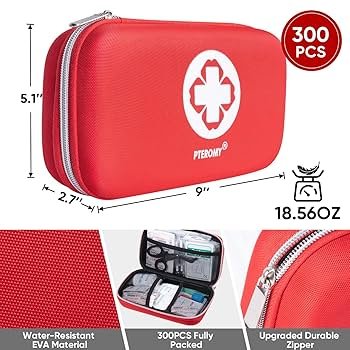
When an emergency strikes, having the right first aid kit can make all the difference for you and your loved ones. A hard case first aid kit is not just any box—it’s a reliable lifeline that keeps your medical supplies safe, organized, and ready to use when every second counts.
Imagine facing a cut, burn, or sprain and knowing exactly where to find what you need without wasting precious time. You’ll discover why a hard case first aid kit is a smart choice for your home, car, or outdoor adventures.
Stay with me, and you’ll learn how to pick the perfect kit that fits your needs and gives you peace of mind.
Benefits Of Hard Case Kits
Choosing the right first aid kit can be a game-changer in emergency preparedness. Hard case first aid kits offer unique advantages that can be crucial in challenging environments. Whether you’re an outdoor enthusiast or someone who values safety, understanding these benefits can help you make informed decisions.
Durability In Harsh Conditions
Hard case kits are built to withstand the toughest conditions. Imagine you’re on a hiking trip where the terrain is rugged and unpredictable. A soft case might tear or wear down quickly, but a hard case keeps your supplies protected. They are often made from materials that are resistant to cracks and breakage, ensuring your medical supplies are intact when you need them most.
Water And Dust Resistance
Accidental spills or unexpected rain can ruin the contents of a regular first aid kit. Hard case kits come to the rescue with their water and dust resistance. They seal tightly, preventing water from seeping in and dust from contaminating your supplies. This feature is invaluable for those who love beach outings or desert adventures.
Impact Protection
Consider the scenarios where your kit might be dropped or knocked around—perhaps during a camping trip or while stored in a busy garage. Hard cases offer superior impact protection, keeping essential items like bandages and ointments safe from crushing. With this robust safeguard, you can trust that your kit will be ready to use in any emergency.
Do you often find yourself in situations where the environment challenges your gear? Investing in a hard case first aid kit might be the solution you’ve been looking for. These kits promise resilience and reliability, turning potential vulnerabilities into strengths.

Credit: nanukcases.ca
Essential Contents To Include
Knowing exactly what to pack in your hard case first aid kit can make a real difference during an emergency. You want your kit to be compact yet fully equipped to handle common injuries and urgent situations. Let’s break down the essential items you should have ready, so you never feel unprepared when seconds count.
Basic Medical Supplies
Start with the staples that cover most minor injuries and common ailments. These include:
- Adhesive bandagesin various sizes for cuts and scrapes.
- Sterile gauze padsand medical tapeto dress larger wounds.
- Antiseptic wipesand antibiotic ointmentto prevent infection.
- Disposable glovesto keep things sanitary while treating wounds.
- Pain relieverslike ibuprofen or acetaminophen.
These basics cover a surprising number of situations, from paper cuts to minor burns. Do you have these ready to go in your kit?
Tools And Accessories
Besides supplies, having the right tools can speed up treatment and improve safety. Essential tools include:
- Scissorsfor cutting tape, gauze, or clothing.
- Tweezersto remove splinters or debris from wounds.
- Safety pinsuseful for securing bandages or slings.
- A digital thermometerto check for fever.
- A flashlightwith extra batteries for visibility in low light.
Imagine needing to cut away a torn shirt to treat a deep cut—having scissors in your kit can save precious time. What tools do you find most helpful in emergencies?
Specialized Emergency Items
Depending on your lifestyle or environment, adding specialized items can enhance your kit’s usefulness. Consider including:
- An epinephrine auto-injectorif you or someone close has severe allergies.
- A CPR face shieldfor safe resuscitation efforts.
- Burn creamor gel for heat-related injuries.
- A cold packto reduce swelling and pain.
- A splint or elastic bandageto immobilize sprains or fractures.
Tailoring your kit to your specific needs can make it a true lifesaver. What special risks do you face that require extra care items?
Choosing The Right Hard Case
Choosing the right hard case for your first aid kit is essential. It keeps supplies safe and easy to find. The right case protects contents from damage and weather. It also helps you carry the kit with ease. Focus on size, material, and organization to pick the best one.
Size And Portability
Size matters for a first aid hard case. It should hold all necessary supplies without being too bulky. A compact case fits easily in backpacks, cars, or workspaces. Portability allows quick access during emergencies. Consider where you will store and carry the kit. Choose a size that matches your daily needs and space.
Material Quality
Material quality ensures durability and protection. Look for cases made from tough plastic or metal. These materials resist water, dust, and impact. A strong case keeps contents safe in rough conditions. Check for secure latches and a solid build. Avoid flimsy cases that can break or open easily.
Organizational Features
Good organization saves time in emergencies. Choose a case with clear compartments or elastic loops. These help separate bandages, tools, and medicines. Some cases include removable trays or mesh pockets. Organization prevents items from mixing or falling out. It makes restocking simple and fast.

Credit: www.amazon.ca
Maintenance And Storage Tips
Proper maintenance and storage keep your hard case first aid kit ready for emergencies. Regular care ensures items remain effective and easy to find. Storing the kit in the right place protects it from damage and loss.
Regular Inventory Checks
Check your first aid kit every few months. Look for expired medicines and damaged supplies. Replace used or outdated items promptly. Keep a list of all contents for quick reference. This habit ensures your kit is always prepared.
Proper Cleaning Methods
Clean the hard case with a damp cloth and mild soap. Avoid harsh chemicals that can damage the material. Dry the case thoroughly before restocking to prevent mold. Wipe inside compartments to keep them dust-free. Clean supplies individually if needed.
Safe Storage Locations
Store the kit in a cool, dry place away from direct sunlight. Avoid damp areas that encourage mold and rust. Keep the kit easily accessible but out of reach of children. Use wall mounts or shelves for secure placement. Label the storage spot clearly for quick access.
Applications In Various Settings
Hard case first aid kits are essential in many different places. Their sturdy design protects supplies from damage and moisture. This makes them reliable for quick responses in emergencies. They are compact and easy to carry. People use these kits in many settings to stay safe and prepared.
Outdoor Adventures
Outdoor activities like hiking, camping, and biking need reliable first aid kits. Hard cases keep bandages, antiseptics, and tools safe from dirt and water. Injuries like cuts, scrapes, and insect bites can happen anytime. Having a well-stocked kit helps treat wounds fast. It also prevents infections and reduces pain. The tough case fits well in backpacks without breaking.
Home And Office Use
Hard case first aid kits are practical at home and work. They store essential items like adhesive bandages, scissors, and gloves in one place. Accidents such as burns or minor cuts happen often. Quick access to first aid supplies helps manage these injuries calmly. The durable case protects contents from dust and spills. It stays organized and ready for use by family or coworkers.
Vehicle Emergencies
Every car should have a hard case first aid kit inside. Road trips and daily drives can bring unexpected emergencies. Kits in vehicles contain supplies for treating cuts, bruises, and burns. The hard shell prevents damage from bumps or heat. It fits neatly under the seat or in the trunk. Drivers and passengers get peace of mind knowing help is close by.
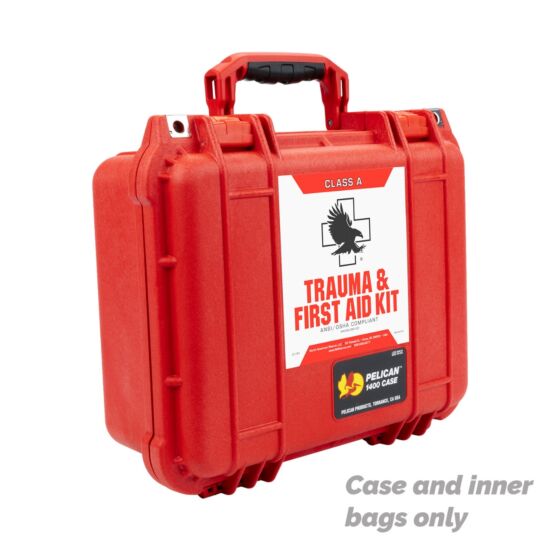
Credit: www.narescue.com
Upgrading Your First Aid Kit
Upgrading your first aid kit is more than just replacing expired items. It means preparing yourself for a wider range of emergencies with smarter choices and tailored supplies. Enhancing your hard case first aid kit can make a critical difference when every second counts.
Adding Advanced Medical Supplies
Think beyond the basics like bandages and antiseptics. Adding items such as tourniquets, hemostatic dressings, or splints can help you manage serious injuries effectively.
These supplies are often found in professional kits, but you can include them in your own. Have you ever faced a situation where a simple bandage wasn’t enough? Advanced supplies fill those gaps.
Incorporating Technology
Technology can boost your response time and accuracy. Devices like portable pulse oximeters, digital thermometers, or even compact ECG monitors fit well in a hard case first aid kit.
Apps connected to these tools can guide you through procedures or alert emergency contacts. Imagine having clear, real-time health data at your fingertips during a crisis—how could that change your reaction?
Customizing For Specific Needs
Your first aid kit should reflect your lifestyle and environment. If you hike, add snake bite kits or insect sting treatments. For families, include pediatric-specific medications and tools.
Consider allergies, chronic conditions, or common injuries you encounter. Customizing means your kit is ready for what’s most likely to happen, not just what’s possible.
Frequently Asked Questions
What Is A Hard Case First Aid Kit?
A hard case first aid kit is a durable container that protects medical supplies. It keeps items organized and safe from damage. Its sturdy build makes it ideal for outdoor, travel, and emergency use. This kit ensures quick access to first aid essentials.
Why Choose A Hard Case Over A Soft First Aid Kit?
Hard cases offer better protection from impacts, moisture, and dust. They keep supplies intact and prevent crushing. Soft kits may tear or get wet easily. Hard cases are more durable, making them suitable for rough environments and emergencies.
What Essential Items Are In A Hard Case First Aid Kit?
Typically, it includes bandages, antiseptic wipes, scissors, tweezers, gloves, and adhesive tape. Some kits also have pain relievers, burn cream, and CPR masks. The contents vary based on kit size and purpose but cover common injuries and emergencies.
How To Maintain A Hard Case First Aid Kit?
Regularly check expiration dates and replace used or outdated supplies. Keep the kit clean and dry. Store it in an accessible location. Periodic inspection ensures readiness during emergencies and prolongs the life of medical items.
Conclusion
A hard case first aid kit keeps your supplies safe and organized. It fits easily in your car, home, or backpack. Quick access to tools matters during emergencies. Choosing the right kit helps you stay prepared. Regularly check and refill your supplies.
Being ready can make a big difference. Stay calm, act fast, and keep safety first. A good first aid kit is a smart investment for peace of mind. Simple steps can protect you and your loved ones. Always have your hard case kit nearby.

I’m Abby Lu, a passionate home cook who loves simplifying everyday meals. At PlugChef.com, I share product reviews and cooking guides to help you find the best tools for your kitchen.
Related posts:
 What Type of Cooking Utensils are Safe: Expert Picks
 What Innovations Could Blenders Make: Unleashing Future Tech
 Smart Strategies to Organize a Small Kitchen: Maximize Space
 How to Organize a Kitchen Cabinet: Expert Tips & Tricks
 How to Organize Kitchen Drawers: Expert Tips and Tricks
 How to Organize a Corner Kitchen Cupboard: Expert Tips

