
When it comes to workplace safety, having the right first aid kit can make all the difference. But not just any kit will do—you need one that’s OSHA compliant to protect your team and meet legal requirements.
Are you sure your current first aid supplies meet these standards? You’ll discover exactly what an OSHA-compliant first aid kit includes and why it matters for your business. Keep reading to make sure you’re prepared for any emergency, avoid fines, and create a safer work environment for everyone.
Osha Requirements For First Aid Kits
Understanding OSHA requirements for first aid kits is crucial for ensuring workplace safety and compliance. These kits are not just a box of bandages; they represent a proactive approach to health and emergency preparedness. OSHA guidelines help employers equip their workspaces with necessary materials, making it easier to handle injuries promptly and effectively. But what exactly does OSHA require for first aid kits, and how can you ensure your workplace meets these standards?
Mandatory Kit Contents
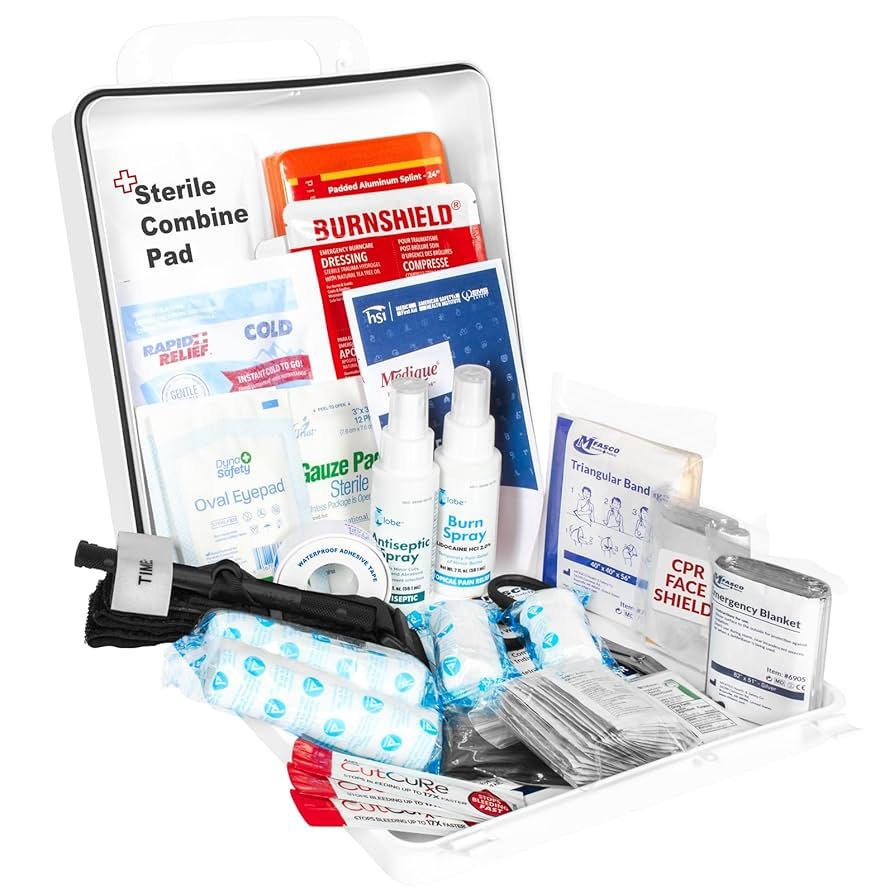
OSHA mandates specific items to be included in first aid kits to address common workplace injuries. These items typically include bandages, antiseptic wipes, and adhesive tape. Imagine a scenario where a colleague accidentally cuts themselves—having these essentials allows for quick and effective treatment, reducing the risk of infection and further complications.
- Bandages and gauze pads
- Antiseptic wipes or creams
- Adhesive tape
- Scissors and tweezers
- CPR mask
Are there any items you think should be added for your specific work environment? Tailor the kit to your needs while adhering to OSHA guidelines.
Kit Accessibility And Placement
Accessibility is key—OSHA requires that first aid kits are easily reachable in case of emergency. Think about the layout of your workplace. Is the kit stored in a location where everyone can access it quickly? It should be placed in common areas known to all employees, like break rooms or near workstations.
Consider a scenario where every second counts. Having a kit within arm’s reach can be the difference between a minor incident and a major complication. Where will your kit be placed to ensure immediate access?
Maintenance And Inspection
Maintaining and inspecting first aid kits regularly is not just a recommendation; it’s an OSHA requirement. Items can expire or be used up, and replenishing them ensures readiness for emergencies. How often do you check your kit’s contents?
Regular inspections prevent the unpleasant surprise of finding missing or outdated supplies when they are needed most. Set a schedule for these inspections—perhaps monthly—and involve your team in the process to ensure accountability and comprehensive oversight.
Are there any unexpected challenges you face during inspections? Share your experiences and solutions with your colleagues to foster a culture of safety and preparedness.

Credit: www.amazon.com
Choosing Osha-compliant First Aid Kits
Choosing OSHA-compliant first aid kits is essential for workplace safety. These kits must meet specific standards to handle common injuries effectively. Selecting the right kit ensures quick response during emergencies. This choice depends on various factors like workplace size, industry type, and supplier reliability.
Size And Type Considerations
First aid kits come in different sizes and types. Small kits suit offices with few employees. Larger kits fit busy or high-risk workplaces. Consider the number of workers and possible hazards. Kits should include enough supplies for expected injuries. Portable kits help in remote or mobile work settings.
Industry-specific Needs
Different industries face unique risks. Construction sites need kits with burn and cut care items. Laboratories require chemical burn treatments and eyewash solutions. Food industries focus on wound care and hygiene supplies. Check OSHA standards for your specific industry. Custom kits ensure readiness for typical workplace injuries.
Certified Suppliers
Choose first aid kits from certified and trusted suppliers. Certified kits meet OSHA and ANSI requirements. Check for suppliers with good reviews and proper certifications. Reliable suppliers update kits regularly to meet safety standards. Avoid uncertified kits to ensure employee protection and compliance.
Essential Items In Osha Kits
Essential items in OSHA first aid kits help treat common workplace injuries fast. These kits contain supplies that meet OSHA standards. They support quick care for cuts, burns, scrapes, and more. Proper stocking ensures safety and compliance with workplace regulations.
Bandages And Dressings
Bandages and dressings stop bleeding and protect wounds. OSHA kits include various sizes and types:
- Adhesive bandages for small cuts
- Sterile gauze pads to cover larger wounds
- Elastic bandages to support sprains and strains
- Non-stick dressings to prevent pain when removed
These items help prevent infection and aid healing.
Antiseptics And Ointments
Antiseptics clean wounds to reduce infection risk. Common supplies in OSHA kits include:
- Alcohol wipes for quick disinfection
- Antiseptic towelettes for thorough cleaning
- Antibiotic ointments to protect wounds and promote healing
- Burn creams to soothe minor burns
These items prepare wounds for proper treatment.
Tools And Equipment
Tools in OSHA kits assist in effective first aid. Important items are:
- Scissors for cutting bandages and clothing
- Tweezers to remove splinters or debris
- Disposable gloves to maintain hygiene
- CPR face shields for safe resuscitation
- Instant cold packs to reduce swelling
These tools improve response time and safety during emergencies.

Credit: www.amazon.com
Benefits Of Osha-compliant Kits
OSHA-compliant first aid kits offer essential benefits for every workplace. These kits are designed to meet strict safety standards. They provide the right supplies for common injuries. Using these kits helps create a safer work environment. Employers and employees gain peace of mind knowing help is ready when needed.
Improved Workplace Safety
OSHA-compliant kits ensure quick access to necessary first aid items. Immediate care lowers the risk of injuries worsening. Workers feel more secure with proper safety measures. This leads to fewer accidents and a healthier workplace overall.
Regulatory Compliance
OSHA sets clear rules for first aid readiness. Compliant kits help businesses meet these legal requirements. Avoid fines and penalties by keeping the right supplies on hand. Staying compliant also shows a commitment to employee well-being.
Reduced Injury Severity
Timely first aid can reduce the severity of injuries. Proper supplies help control bleeding and prevent infections. Fast response lowers recovery time for injured workers. This keeps teams productive and reduces downtime.
Training For Effective First Aid Use
Training is vital for effective use of OSHA-compliant first aid kits. Proper knowledge boosts confidence and speeds up response. Workers must practice skills regularly to stay prepared for emergencies. Training creates a safer workplace and meets OSHA standards.
Basic First Aid Skills
Learning basic first aid skills helps handle injuries quickly. Skills include cleaning wounds, stopping bleeding, and performing CPR. Training covers identifying common workplace injuries and treating them safely. Clear instructions and hands-on practice improve skill retention.
Kit Familiarization
Knowing what items are in the first aid kit saves time during emergencies. Training introduces the location and contents of the kit. Workers learn how to use each item properly. Routine checks ensure kits stay stocked and ready for use.
Emergency Response Drills
Drills simulate real emergencies to practice skills under pressure. They help workers react calmly and efficiently. Drills include scenarios like cuts, burns, or falls. Regular drills build teamwork and improve overall safety awareness.
Maintaining First Aid Kits
Maintaining first aid kits is essential for workplace safety. A well-kept kit ensures quick response during emergencies. Regular care prevents surprises when you need supplies most.
Regular Inventory Checks
Check your first aid kit often. Look for missing or used items. Confirm the quantity of each supply matches OSHA standards. Set a schedule, like monthly or quarterly, to inspect the kit. This habit keeps the kit ready and complete.
Replacing Expired Items
Expired items lose effectiveness and can cause harm. Review expiration dates carefully. Remove and replace all outdated materials. Keep a list of products with their shelf life. Fresh supplies ensure safety and compliance.
Record Keeping
Track all inspections and restocking activities. Use a logbook or digital record. Note dates, items checked, and replacements made. Good records show compliance and help plan future maintenance. Clear documentation supports workplace safety protocols.

Credit: www.amazon.com
Frequently Asked Questions
What Makes A First Aid Kit Osha Compliant?
An OSHA-compliant first aid kit meets specific standards for workplace safety. It includes essential medical supplies and follows OSHA’s guidelines for accessibility and maintenance.
Why Are Osha Compliant Kits Important At Work?
OSHA compliant kits ensure quick response to injuries, reducing severity. They help meet legal safety requirements and promote a safer workplace environment.
What Items Must Osha First Aid Kits Contain?
Kits must include bandages, antiseptics, gloves, and eye protection. Contents vary by workplace hazards but always cover basic emergency treatment needs.
How Often Should Osha First Aid Kits Be Inspected?
Kits should be inspected regularly, typically monthly or after use. Frequent checks ensure supplies are complete, unexpired, and ready for emergencies.
Conclusion
OSHA-compliant first aid kits keep workplaces safe and ready. They meet rules for basic emergency care supplies. Having one nearby helps treat injuries quickly and correctly. Every business should check their kits regularly. Replace used or expired items without delay.
Proper first aid can prevent small problems from worsening. Stay prepared, protect workers, and follow OSHA guidelines well. Safety matters for everyone on site.

I’m Abby Lu, a passionate home cook who loves simplifying everyday meals. At PlugChef.com, I share product reviews and cooking guides to help you find the best tools for your kitchen.
Related posts:
 What Type of Cooking Utensils are Safe: Expert Picks
 What Innovations Could Blenders Make: Unleashing Future Tech
 Smart Strategies to Organize a Small Kitchen: Maximize Space
 How to Organize a Kitchen Cabinet: Expert Tips & Tricks
 How to Organize Kitchen Drawers: Expert Tips and Tricks
 How to Organize a Corner Kitchen Cupboard: Expert Tips

