
When you’re out driving your Jeep, the unexpected can happen at any moment. Having a well-stocked first aid kit in your vehicle isn’t just smart—it’s essential for your safety and peace of mind.
Imagine being miles away from help and knowing exactly what to do if someone gets hurt. This guide will show you how to choose the perfect first aid kit for your Jeep, so you’re always ready to handle emergencies with confidence.
Keep reading to discover what you need to stay prepared on every adventure.

Credit: www.amazon.com
Choosing The Right First Aid Kit
Choosing a first aid kit for a Jeep means picking one that fits rough outdoor use and quick access. It should hold supplies for common injuries and be easy to carry on any trip.
Choosing the right first aid kit for your Jeep is crucial. It ensures you’re prepared for emergencies during your adventures. A well-equipped kit can make a significant difference. Consider your specific needs and the conditions you might face.Pre-made Kits Vs Custom Kits
Pre-made kits offer convenience. They come with essential items for common injuries. These kits save time and effort. You don’t need to gather items individually. They are designed by experts. Custom kits allow personalization. You can add items specific to your needs. Think about allergies or unique medical conditions. Custom kits offer flexibility. You can choose the size and components.Size And Portability
Size matters in a first aid kit. A compact kit fits easily in your Jeep. It should be easy to carry. Portability ensures quick access during emergencies. Larger kits might offer more supplies. Ensure the kit isn’t too bulky. It should fit comfortably in your vehicle. A portable kit is essential for outdoor activities.Durability And Waterproof Features
Durability is key for a reliable first aid kit. It should withstand rough conditions. A sturdy kit protects contents from damage. Waterproof features are crucial. They prevent moisture from ruining supplies. Rain, snow, or spills should not affect your kit. Choose materials that ensure longevity. Consider a kit with a strong case. This adds protection and peace of mind.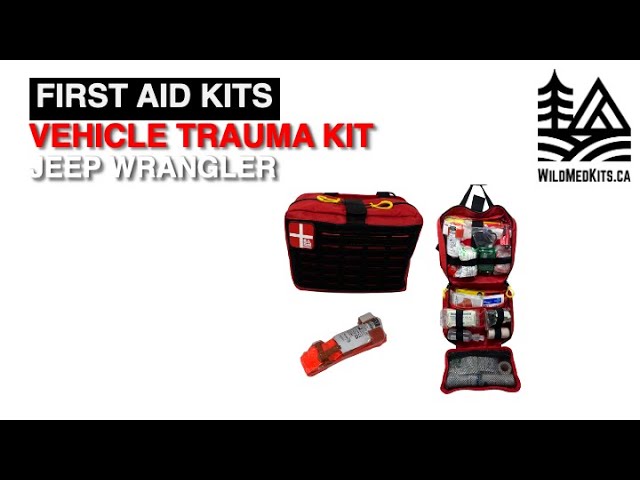
Credit: www.youtube.com
Essential Medical Supplies
Every Jeep adventure carries a bit of risk, especially when you’re off the beaten path. Having essential medical supplies in your first aid kit can make a huge difference when minor injuries happen. These supplies are your first line of defense, helping you manage wounds, burns, and pain effectively until professional help is available.
Wound Care Items
Keeping your wounds clean and protected is crucial. Your kit should include sterile gauze pads, adhesive bandages in various sizes, and antiseptic wipes to prevent infection. Don’t forget adhesive tape to secure dressings and a pair of scissors to cut bandages or clothing if needed.
Adding butterfly closures or wound closure strips can help close small cuts and speed up healing. I once used these strips during a trail trip when a friend scraped his arm badly. It made a noticeable difference by keeping the wound clean and reducing bleeding.
Burn Treatment
Burns can happen unexpectedly, especially around campfires or engine parts. Include burn dressings or gel-soaked pads in your kit to cool and soothe the skin quickly. Aloe vera gel or a burn relief spray also helps reduce pain and inflammation.
Keeping a clean, non-stick dressing ready is vital to cover the burn without causing further damage. Have you ever experienced a burn on a trip? Having the right supplies on hand can turn a painful situation into a manageable one.
Pain Relief And Medications
Painkillers like ibuprofen or acetaminophen are essential for managing headaches, muscle pain, or minor injuries. Antihistamines can be lifesavers if you or your travel companions react to insect bites or plants.
Include any personal prescription medications you or your group may need. It’s easy to overlook this step until you really need it. What pain relief do you find most effective during your outdoor trips?
Tools And Accessories
A well-stocked first aid kit for your Jeep must include essential tools and accessories. These items help manage injuries and keep you safe during emergencies. They provide comfort and support until professional help arrives.
Every tool serves a specific purpose. Choosing the right accessories can improve your response time and effectiveness in critical moments. Compact, lightweight, and multi-use tools are ideal for off-road adventures.
Tweezers And Scissors
Tweezers help remove small objects like splinters or ticks. They allow precise handling of tiny debris that can cause infection. Choose stainless steel tweezers for durability and easy cleaning.
Scissors in a first aid kit cut bandages, tape, or clothing. Sharp, strong scissors make quick work of materials during treatment. Look for scissors with blunt tips to prevent accidental cuts.
Gloves And Face Masks
Gloves protect you and the injured person from germs. Use disposable gloves to maintain hygiene and reduce infection risk. Keep several pairs in your kit for multiple uses.
Face masks shield against airborne particles and body fluids. They help maintain cleanliness and prevent contamination. Store masks in a sealed package for easy access and hygiene.
Emergency Blankets And Cpr Masks
Emergency blankets retain body heat and prevent shock. They are compact and lightweight, perfect for Jeep travel. Use them to keep an injured person warm in cold conditions.
CPR masks provide a barrier during rescue breaths. They increase safety for both the rescuer and victim. Choose masks with a one-way valve for effective mouth-to-mouth resuscitation.
Additional Off-road Safety Gear
Off-road adventures in a Jeep bring excitement and challenges. Safety is key for any journey on rough trails. A well-equipped first aid kit is just the start. Adding extra safety gear can protect against serious risks. These items prepare you for tough situations beyond basic cuts and scrapes. Here are some vital additions to consider for your off-road safety kit.
Trauma Kits For Severe Injuries
Trauma kits handle serious wounds and emergencies. They include items like:
- Tourniquets to stop heavy bleeding
- Chest seals for open chest wounds
- Emergency bandages and gauze
- Trauma shears for cutting clothing
These kits help control life-threatening injuries before professional help arrives. Carrying trauma supplies is smart for remote areas with slow emergency response.
Snake Bite And Insect Sting Kits
Off-road trails often have snakes and stinging insects. Specialized kits can ease pain and reduce harm. They usually contain:
- Snake bite suction devices
- Antihistamine creams and tablets
- Insect bite relief wipes
- Cold packs to reduce swelling
These kits help manage bites and stings quickly. Immediate care can prevent dangerous allergic reactions or infections.
Hydration And Nutrition Essentials
Staying hydrated and nourished is crucial on the trail. Pack items that provide energy and water, such as:
- Water bottles or hydration bladders
- Electrolyte tablets or powders
- High-energy snacks like nuts and granola bars
- Compact meal replacements
These essentials keep you alert and strong. Dehydration and hunger can cause fatigue and poor decisions.
Maintenance And Storage Tips
Keeping a first aid kit ready and effective in your Jeep needs care. Proper maintenance and smart storage help your kit work well during emergencies. A well-kept kit saves time and ensures safety on every trip.
Regularly Checking Expiry Dates
Check each item’s expiry date often. Expired supplies lose their power and might not help. Mark a day on your calendar every few months for this check. Replace anything past the expiry date right away. This simple habit keeps your kit trustworthy.
Proper Storage In The Jeep
Store your first aid kit in a dry, cool place inside the Jeep. Avoid areas that get very hot or wet. Use a hard case or bag to protect the contents from dirt and damage. Keep it easy to find and reach. This saves time during an emergency.
Replenishing Used Items
After any trip or use, check the kit for missing or used supplies. Restock all items quickly to keep the kit complete. Keep a list of essentials to make restocking faster. A fully stocked kit means you are ready for any situation.

Credit: www.amazon.com
Frequently Asked Questions
What Essential Items Should A Jeep First Aid Kit Contain?
A Jeep first aid kit should include bandages, antiseptic wipes, gauze pads, adhesive tape, scissors, tweezers, pain relievers, and emergency blankets. These items help treat minor injuries and stabilize serious wounds until professional help arrives.
How Often Should I Check My Jeep First Aid Kit?
You should check your Jeep first aid kit every six months. Inspect for expired products, damaged packaging, and missing supplies. Regular checks ensure your kit is ready and effective during emergencies.
Can A Jeep First Aid Kit Handle Off-road Injuries?
Yes, a Jeep first aid kit designed for off-road use contains supplies for cuts, scrapes, sprains, and insect bites. It prepares you to manage common injuries in remote areas until medical help is available.
Where Is The Best Place To Store A Jeep First Aid Kit?
Store your Jeep first aid kit in an easily accessible, dry, and secure location inside the vehicle. Common spots include the glove compartment, center console, or under a seat for quick emergency access.
Conclusion
A first aid kit is a must-have for every Jeep trip. It keeps you ready for small cuts or scrapes on the road. Pack it with basics like bandages, antiseptics, and pain relievers. Check your kit regularly to replace used or expired items.
Stay safe and enjoy your adventure without worry. A simple kit can make a big difference in emergencies. Keep it close, and drive with confidence.

I’m Abby Lu, a passionate home cook who loves simplifying everyday meals. At PlugChef.com, I share product reviews and cooking guides to help you find the best tools for your kitchen.
Related posts:
 What Type of Cooking Utensils are Safe: Expert Picks
 What Innovations Could Blenders Make: Unleashing Future Tech
 Smart Strategies to Organize a Small Kitchen: Maximize Space
 How to Organize a Kitchen Cabinet: Expert Tips & Tricks
 How to Organize Kitchen Drawers: Expert Tips and Tricks
 How to Organize a Corner Kitchen Cupboard: Expert Tips

