
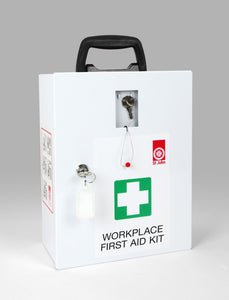
Imagine a moment when every second counts, and you need quick access to essential medical supplies. Your safety and that of those around you depend on how fast you can respond.
That’s where a First Aid Kit Wall Mounted comes in—right where you need it, always within reach. If you want to stay prepared and protect your home or workplace, understanding why this simple setup can make a huge difference is crucial.
Keep reading to discover how a wall-mounted first aid kit can be your best defense in emergencies and what to look for to make the smartest choice for your safety.
Benefits Of Wall Mounted Kits
Wall mounted first aid kits save space and keep supplies visible and easy to reach. They help organize essentials for quick use during emergencies. Mounted kits also reduce the risk of losing important items.
The benefits of wall-mounted first aid kits are numerous. These kits offer essential advantages that make them a preferred choice in many settings. From quick access during emergencies to maintaining an organized space, wall-mounted kits prove their worth. They are designed to be highly functional while keeping safety a priority.Quick Access In Emergencies
Wall-mounted kits ensure supplies are readily available. During a crisis, every second counts. A kit placed on the wall is easy to spot and reach. This design minimizes the time spent searching for supplies. It aids in faster response during accidents.Space-saving Design
Limited space can be a challenge. Wall-mounted kits utilize vertical space efficiently. They keep floors and countertops clear. This design is perfect for compact areas. It helps maintain a neat and tidy environment.Enhanced Organization
Keeping first aid supplies organized is crucial. Wall-mounted kits feature compartments for easy sorting. Supplies are arranged systematically for quick identification. This organization reduces chaos during emergencies. It ensures that the right supplies are accessible when needed.
Credit: amberquip.co.uk
Key Items To Include
Having a well-stocked First Aid Kit Wall Mounted ensures you’re ready for minor injuries or emergencies at a moment’s notice. But what exactly should fill this kit? Focusing on the right items helps you act quickly and confidently when every second counts.
Basic Medical Supplies
Start with essentials like adhesive bandages in various sizes to cover small cuts and scrapes. Include sterile gauze pads and adhesive tape for larger wounds that need more protection.
Don’t forget antiseptic wipes or solution to clean wounds and prevent infections. A pair of scissors and tweezers are must-haves for removing splinters or cutting tape precisely.
- Adhesive bandages (multiple sizes)
- Sterile gauze pads
- Adhesive tape
- Antiseptic wipes or solution
- Scissors
- Tweezers
Specialized Equipment
Think about what unique needs your environment or family members might have. For example, if someone has allergies, adding an epinephrine auto-injector can be lifesaving.
A digital thermometer helps you quickly check for fever, while instant cold packs reduce swelling. Pain relief medications like ibuprofen or acetaminophen should also be ready.
- Epinephrine auto-injector (if prescribed)
- Digital thermometer
- Instant cold packs
- Pain relief medication
Personal Protective Gear
Protecting yourself while helping others is crucial. Include disposable gloves to avoid direct contact with blood or bodily fluids.
A face mask can reduce the risk of spreading infections during close contact. Don’t forget a CPR face shield or mask for safe resuscitation if needed.
- Disposable gloves
- Face masks
- CPR face shield or mask
What’s one item you always reach for in your first aid kit? Ensuring you have your personal must-haves can make a big difference when urgency hits.
Choosing The Right Kit
Choosing the right wall mounted first aid kit is essential for safety. It ensures quick access to supplies during emergencies. Selecting the proper kit depends on a few important factors. These include size, durability, and safety standards. Each factor plays a key role in meeting your needs effectively.
Size And Capacity
The size of the first aid kit should match the space available on your wall. A kit too large or too small can cause inconvenience. Capacity matters for the number of people or type of injuries it can handle. Consider:
- How many people may need first aid
- Types of injuries common in the area
- Storage space around the mounting location
A well-sized kit holds enough supplies without being bulky or overcrowded.
Durability And Material
The material of the kit affects its strength and lifespan. Choose kits made of sturdy, water-resistant materials. This protects contents from dust, moisture, and damage. Durable kits ensure supplies stay safe and usable. Check for:
- Robust plastic or metal casing
- Secure locking mechanisms
- Resistance to cracks and dents
Durability keeps your kit ready for emergencies over time.
Compliance With Safety Standards
Safety standards guarantee the kit meets quality and content requirements. Kits following recognized standards offer reliable first aid supplies. Look for certifications or labels from health authorities. Important points include:
- Contents matching official first aid guidelines
- Regular updates and inspections
- Clear labeling and instructions inside the kit
Compliance assures your kit is trustworthy and effective when needed.

Credit: www.amazon.com
Ideal Locations For Mounting
Choosing the right spot to mount a first aid kit is crucial. The kit must be easy to find and access during emergencies. Placement depends on the environment and daily activities. Proper mounting increases safety and ensures quick response times.
Home And Residential Spaces
Mount the kit in a central, visible location. Kitchens and hallways work well. Avoid places out of reach for children but easy for adults. Bathrooms and garages are also good spots. Keep it near areas where accidents often happen.
Workplaces And Offices
Place first aid kits where employees gather or pass frequently. Common areas like break rooms and corridors are ideal. Near workstations with higher risk is important too. Clear signage helps locate the kit fast. Make sure kits are reachable without obstacles.
Public Areas And Schools
Mount kits in spots accessible to many people. Entrances, gyms, and cafeterias are key areas. Classrooms and nurse’s offices need their own kits. Visibility and clear labeling improve response times. Regular checks keep kits stocked and ready.
Maintenance And Regular Checks
Maintaining a wall-mounted first aid kit is crucial for safety. Regular checks keep the kit ready for emergencies. Neglecting maintenance can lead to missing or expired supplies. Consistent care ensures quick response during accidents. It also extends the life of the kit and its contents.
Restocking Essentials
Check supplies often to keep the kit full. Replace used or damaged items immediately. Common essentials include bandages, antiseptic wipes, and adhesive tape. Keep extra gloves, scissors, and pain relievers available. Use a checklist to track items easily. Store everything in the right place for quick access.
Inspecting Expiry Dates
Expired items lose effectiveness and can be unsafe. Look at each item’s expiry date carefully. Remove and replace any expired or near-expired products. Pay special attention to medications and ointments. Set reminders to review expiry dates every few months. This simple step prevents surprises during emergencies.
Cleaning And Upkeep
Keep the kit clean and dry to avoid damage. Wipe the exterior and interior regularly with a damp cloth. Avoid harsh chemicals that can harm supplies. Ensure the wall mount is secure and stable. Check for dust, dirt, or moisture inside the kit. A clean kit reflects good care and readiness.
Customizing Kits For Specific Needs
Customizing first aid kits ensures they meet unique safety demands. Each environment has specific risks and needs. A tailored kit improves response speed and effectiveness during emergencies. Choosing the right supplies protects people better and reduces panic. Custom kits also save space by including only necessary items.
Kits For Outdoor Activities
Outdoor kits focus on injuries common in nature. They include:
- Bandages for cuts and scrapes
- Insect bite treatments
- Water purification tablets
- Emergency blankets
- Burn creams
- Splints for fractures
These items help treat wounds and protect against weather changes. Compact design makes them easy to carry on hikes or camping trips.
Kits For Industrial Settings
Industrial kits address hazards like cuts, burns, and chemical exposure. Contents often include:
- Heavy-duty gloves
- Burn dressings
- Eye wash solutions
- Antiseptic wipes
- Bandages for deep wounds
- CPR masks
These kits help workers manage injuries quickly and safely. They also comply with workplace safety regulations.
Kits For Childcare Facilities
Childcare kits focus on gentle care and common childhood injuries. They contain:
- Adhesive bandages in fun shapes
- Gentle antiseptic wipes
- Thermometers
- Small scissors
- Ice packs
- Allergy medications
These supplies help caregivers handle minor accidents calmly. Kits also support quick action during allergic reactions or fevers.
Legal And Safety Regulations
Understanding the legal and safety regulations around First Aid Kit Wall Mounted setups is crucial for keeping your space compliant and safe. These rules aren’t just red tape—they ensure quick access to essential supplies during emergencies. You might already have a kit, but does it meet all the necessary standards? Let’s break down what you need to know.
Workplace Safety Requirements
Employers must provide first aid kits that meet specific standards set by occupational safety authorities. These kits should be easily accessible to all employees and regularly checked for missing or expired items.
Think about your own workplace—when was the last time anyone checked the first aid supplies? Regular inspections can prevent delays in treatment during accidents. OSHA, for instance, requires kits tailored to the size and type of workplace hazards.
- Placement of kits near high-risk areas
- Clear labeling and instructions
- Training staff in basic first aid procedures
Building Codes
Local building codes often specify where and how first aid kits should be mounted on walls. These rules ensure kits are visible and reachable without obstacles.
Have you ever struggled to find a first aid kit in a new building? Poor placement can waste precious time. Following building codes means positioning kits at recommended heights and locations, such as near exits or common work zones.
- Height requirements (usually between 48 and 60 inches from the floor)
- Unobstructed access paths
- Signage indicating kit locations
Local Health Guidelines
Health departments may impose additional regulations on the contents and maintenance of first aid kits, especially in healthcare or food service environments.
For example, certain medications or sterile supplies might be mandatory in your kit depending on local rules. Staying updated on these guidelines protects you from penalties and ensures readiness for health-related emergencies.
- Regularly updating kit contents based on recent health advisories
- Proper sanitation and storage of supplies
- Documenting inspections and restocking activities
Are you confident your wall-mounted first aid kit meets all these legal and safety regulations? Taking a few moments to review your setup could make a critical difference when every second counts.

Credit: www.safetybuyer.com
Frequently Asked Questions
What Is A Wall Mounted First Aid Kit?
A wall mounted first aid kit is a compact medical supply box fixed to a wall. It offers quick access during emergencies. It saves space and keeps supplies organized. Ideal for homes, offices, or public places.
Why Choose A Wall Mounted First Aid Kit?
Wall mounted kits are easily accessible and visible in emergencies. They prevent clutter and loss of supplies. Mounting ensures kits stay in a fixed, known location. This improves response time during injuries or accidents.
What Items Are Included In A Wall Mounted First Aid Kit?
Typical contents include bandages, antiseptic wipes, scissors, adhesive tape, gloves, and pain relievers. Some kits also have burn cream, tweezers, and CPR masks. The supplies vary based on kit size and intended use.
How To Maintain A Wall Mounted First Aid Kit?
Regularly check expiration dates and replace used or outdated items. Keep the kit clean and dry. Restock supplies after use. Ensure the kit is securely mounted and easy to open in emergencies.
Conclusion
A wall-mounted first aid kit keeps supplies easy to find. It saves time during emergencies and helps you stay prepared. Mount it in a visible, reachable spot for quick access. Regularly check and refill items to ensure readiness. A simple step that can protect your family and coworkers.
Safety starts with being ready for small accidents. Keep calm, act fast, and trust your first aid kit.

I’m Abby Lu, a passionate home cook who loves simplifying everyday meals. At PlugChef.com, I share product reviews and cooking guides to help you find the best tools for your kitchen.
Related posts:
 What Type of Cooking Utensils are Safe: Expert Picks
 What Innovations Could Blenders Make: Unleashing Future Tech
 Smart Strategies to Organize a Small Kitchen: Maximize Space
 How to Organize a Kitchen Cabinet: Expert Tips & Tricks
 How to Organize Kitchen Drawers: Expert Tips and Tricks
 How to Organize a Corner Kitchen Cupboard: Expert Tips

