
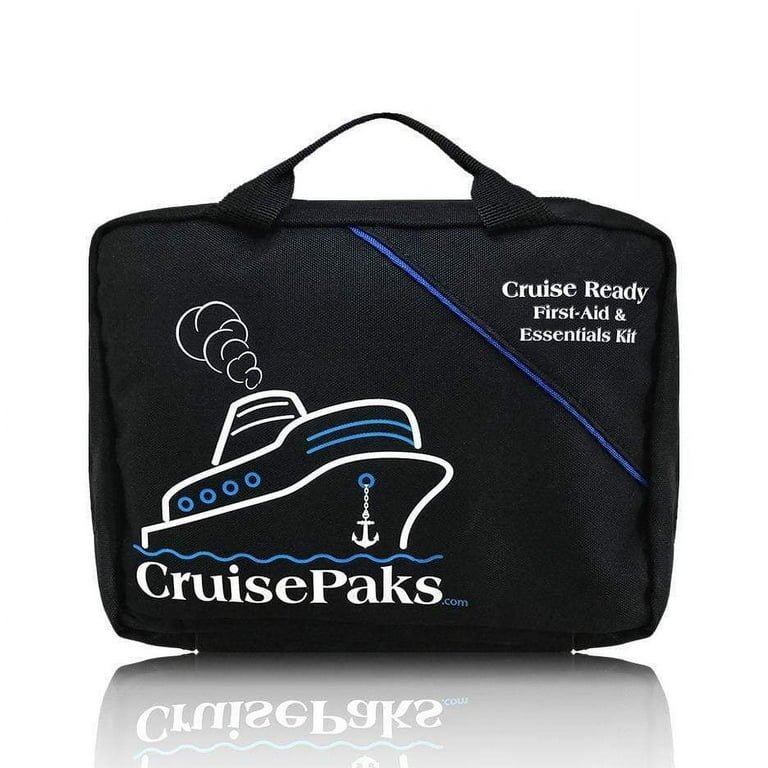
When you set sail on a cruise, your focus is on fun, relaxation, and adventure. But what happens if you or someone in your group gets a minor injury or feels unwell?
Having a well-stocked first aid kit for your cruise can make all the difference. Imagine dealing with a sudden headache, a small cut, or seasickness without the right supplies. You don’t want to let a simple health issue ruin your trip.
You’ll discover exactly what to pack in your cruise first aid kit to stay prepared, safe, and confident throughout your voyage. Keep reading to make sure you have everything you need before you step on board.
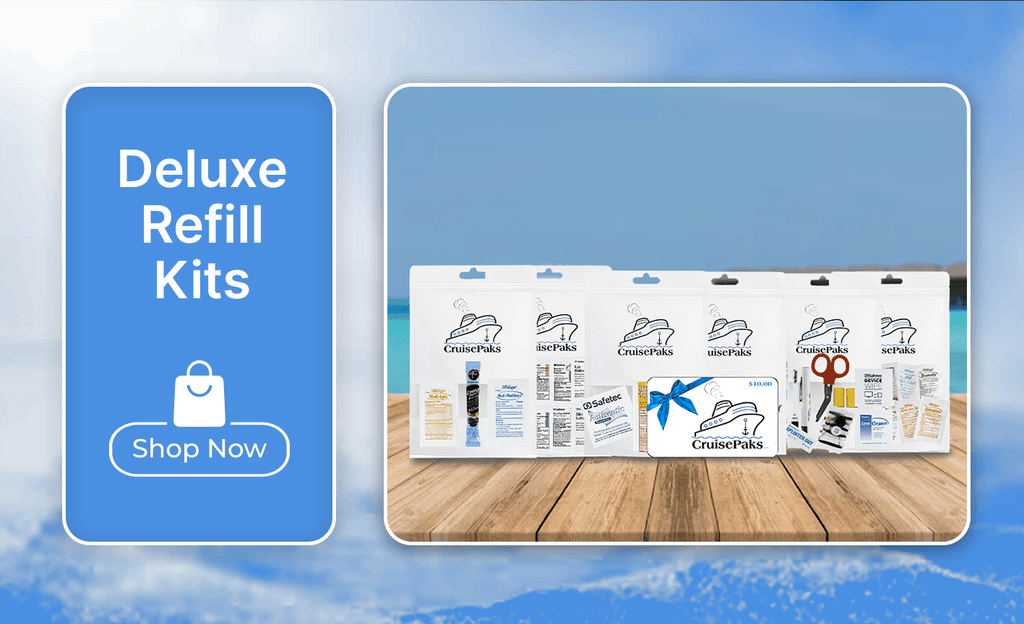
Credit: cruisepaks.com
Choosing The Right Kit
Choosing a first aid kit for a cruise means focusing on essentials like seasickness remedies and basic wound care. Compact, waterproof kits fit well in cabins and handle common travel injuries effectively. Prioritize items that match your health needs and trip length.
Choosing the right first aid kit for your cruise adventure is essential to ensure you’re prepared for any unexpected health hiccups. With the wide range of options available, finding the perfect kit can feel overwhelming. Let’s break down the choices to help you make an informed decision.Pre-made Vs Custom Kits
When selecting a first aid kit, you’ll find pre-made kits offering convenience and a comprehensive range of supplies. These are ideal for those who prefer a ready-to-go solution with essential items curated by professionals. Custom kits, on the other hand, allow you to tailor your supplies to your specific needs. If you have unique medical requirements or prefer certain brands, a custom kit may be your best bet. Consider what you value more: convenience or customization.Size And Portability
Size matters when you’re packing for a cruise, where space can be limited. You want a kit that’s compact enough to slip easily into your luggage without compromising on essentials. Portability is key. Look for kits with a carrying handle or shoulder strap for easy transport. This feature can save you time and hassle when moving around the ship or during shore excursions. Ask yourself, will this kit be easy to carry when you’re exploring new destinations?Waterproof And Durable Materials
Cruising involves lots of water, whether you’re lounging by the pool or enjoying water-based activities. A waterproof first aid kit ensures your supplies stay dry and usable, no matter the conditions. Durability is equally important. Kits made from robust materials can withstand the rigors of travel, keeping your items safe even if they get knocked around. Imagine the peace of mind knowing your kit is ready to tackle any situation. Wouldn’t you prefer a kit that stands up to the challenges of sea life?
Credit: www.yahoo.com
Basic Medical Supplies
Basic medical supplies form the heart of any first aid kit for a cruise. These items help manage minor injuries and prevent infections. Keeping these essentials handy can make your trip safer and more comfortable.
Bandages And Dressings
Bandages and dressings protect cuts and scrapes from dirt and bacteria. Include various sizes of adhesive bandages for small wounds. Sterile gauze pads help cover larger injuries. Elastic bandages provide support for sprains and strains. Make sure to carry medical tape to secure dressings firmly in place.
Antiseptics And Ointments
Antiseptics clean wounds and stop germs from spreading. Alcohol wipes or antiseptic wipes are easy to use and effective. Antiseptic creams or ointments soothe the skin and speed healing. Include antibiotic ointments to prevent infection in cuts. Avoid strong chemicals that can irritate sensitive skin.
Pain Relievers And Fever Reducers
Pain relievers help ease headaches, muscle aches, and minor pains. Common options include acetaminophen and ibuprofen. Fever reducers lower body temperature during illness. Carry medication in original packaging with clear labels. Always follow dosage instructions to avoid side effects.
Medications For Common Ailments
Having the right medications for common ailments in your cruise first aid kit can save your trip from unexpected discomfort. Seasickness, allergies, and digestive troubles are frequent challenges on board. Preparing in advance means you can handle these issues quickly and keep enjoying your journey.
Motion Sickness Remedies
Motion sickness can hit anyone, even seasoned travelers. Carrying remedies like antihistamines (e.g., dimenhydrinate or meclizine) helps prevent nausea and dizziness before symptoms start.
Ginger tablets or candies are natural options that some find effective. Don’t forget acupressure wristbands—they offer relief without medication and fit easily in your bag.
Have you ever felt trapped in your cabin due to seasickness? Being ready with these remedies can keep you on deck, soaking in the views instead of feeling miserable.
Allergy Medications
Allergies can flare up unexpectedly, especially if you encounter unfamiliar foods or plants during shore excursions. Pack antihistamines like cetirizine or loratadine for quick relief from sneezing, itching, or rashes.
For more severe reactions, carry an epinephrine auto-injector if prescribed by your doctor. It’s a lifesaver in emergencies and worth the extra space in your kit.
Think about your allergy triggers and prepare accordingly—you don’t want a surprise allergy ruining your perfect vacation day.
Digestive Aids
Digestive issues are common on cruises due to different cuisines and changes in routine. Antacids can help with heartburn, while antidiarrheal medications like loperamide ease sudden stomach upset.
Probiotics or digestive enzymes can support gut health and prevent discomfort. Don’t forget to include oral rehydration salts to stay hydrated if diarrhea strikes.
Have you ever faced digestive troubles far from home? Having these aids handy keeps you comfortable and ready to explore without hesitation.

Credit: www.facebook.com
Tools And Equipment
A well-stocked first aid kit for a cruise needs essential tools and equipment. These items help handle minor injuries and health issues onboard. Compact and easy-to-use tools ensure quick care during emergencies. Each tool plays a vital role in managing cuts, burns, or illness at sea. Here are some key items to include.
Tweezers And Scissors
Tweezers remove small objects like splinters or debris from wounds. They are precise and reduce infection risk by avoiding direct contact. Scissors cut bandages, tape, or clothing to expose injuries. Choose scissors with rounded tips for safety. Both tools should be sturdy and rust-resistant for long use.
Thermometer
A thermometer helps check body temperature quickly and accurately. It detects fever, a common sign of infection or illness. Digital thermometers are easy to read and clean. Keep extra batteries or a backup thermometer in your kit. Monitoring temperature helps decide if medical help is needed.
Gloves And Masks
Gloves protect your hands from germs when treating wounds. Use disposable gloves to avoid contamination. Masks reduce the spread of airborne germs in close spaces. They protect both the caregiver and the sick person. Pack multiple pairs of gloves and masks for several uses during the cruise.
Personal Health Essentials
Personal health essentials are a must for every cruise traveler. These items keep you comfortable and safe during your journey. A well-prepared first aid kit means fewer worries about health issues on board. Always pack what you need to maintain your daily health routine and protect yourself from common cruise challenges.
Prescription Medications
Bring enough prescription medications for the entire trip. Carry them in their original labeled containers. Store a copy of your prescriptions separately. This helps if you need refills or medical help. Keep medicines in a waterproof bag to avoid damage from water or spills.
Eye And Contact Lens Care
Include extra contact lenses and solution in your kit. Pack glasses as a backup in case contacts cause discomfort. Eye drops help relieve dryness and irritation from air conditioning. Clean hands before handling lenses to prevent infections. Keep eye care items in a clean, sealed container.
Sun Protection Items
Sun exposure increases on open decks and shore excursions. Use broad-spectrum sunscreen with at least SPF 30. Reapply sunscreen every two hours, especially after swimming. Pack lip balm with SPF to protect your lips. Sunglasses with UV protection shield your eyes from harmful rays.
Safety And Emergency Items
Having the right safety and emergency items in your first aid kit can make a huge difference during unexpected situations on a cruise. These items help you respond quickly and confidently to minor injuries or more serious emergencies. Packing these essentials ensures you’re prepared, no matter where your journey takes you.
Cpr Face Shield
A CPR face shield is a small but vital tool that protects you while giving rescue breaths during CPR. It acts as a barrier, reducing the risk of contact with bodily fluids. Carrying one gives you the confidence to act fast and safely if someone needs immediate help.
Think about how quickly emergencies can happen on a crowded ship. Having a CPR face shield ready means you’re not hesitating because of safety concerns. It’s lightweight and fits easily into your first aid kit, making it a smart addition.
Emergency Contact Information
Always include a list of emergency contacts in your kit. This should have numbers for the ship’s medical center, local emergency services, and family members or friends. Having this information at your fingertips saves precious time when you need help fast.
Consider adding details like your cabin number and any medical conditions or allergies. This can be crucial if you’re unable to communicate during an emergency. Would you want rescuers to waste time trying to find your info?
First Aid Manual
A clear, easy-to-understand first aid manual is a must-have. It guides you through treating common injuries, from cuts to burns, and explains when professional medical care is necessary. This can be a lifesaver when you’re far from a doctor.
Choose a manual with simple instructions and illustrations. Even if you’ve never used a first aid kit before, the manual helps you stay calm and act correctly. Have you ever felt unsure about what to do after a minor injury? This guide can change that.
Tips For Packing And Maintenance
Packing and maintaining a first aid kit for your cruise is more than just throwing in bandages and antiseptics. It’s about preparing for unexpected moments and ensuring everything you might need is ready and effective. A well-organized and regularly checked kit can save you time and stress when an emergency arises on board.
Regularly Check Expiry Dates
Expired medications and supplies lose their effectiveness and can even be harmful. Set a reminder to check your kit’s contents every few months, paying close attention to expiry dates on ointments, pain relievers, and any prescription items.
Think about the last time you opened a medication only to realize it was past its prime. Could that delay or reduce your recovery? Replace expired items promptly to keep your kit reliable.
Keep Items Organized
Organization is key to quick access during an emergency. Use small zip-lock bags or clear pouches to separate items like bandages, medicines, and tools. Label these compartments for easy identification.
Imagine needing a specific item in a hurry—would you want to dig through a chaotic bag? Keeping your kit tidy saves precious moments and prevents frustration, especially in stressful situations.
Adapt Kit For Specific Needs
Your health needs and travel plans should shape what you pack. If you or someone in your group has allergies, include antihistamines and an epinephrine injector if prescribed. Planning water activities? Add waterproof bandages and seasickness remedies.
Have you considered the climate and length of your cruise? Adjust your kit to cover those unique factors. Tailoring your first aid kit makes it truly ready for whatever your trip throws at you.
Frequently Asked Questions
What Essential Items Should Be In A Cruise First Aid Kit?
A cruise first aid kit should include bandages, antiseptic wipes, pain relievers, seasickness medication, and allergy medicine. These items cover common injuries and illnesses during cruises, ensuring quick relief and safety for travelers.
How Do I Pack A First Aid Kit For A Cruise Trip?
Pack compact, travel-sized medical supplies in a waterproof bag. Include prescription medications, basic wound care items, and seasickness remedies. Organize items for easy access during emergencies or minor health issues on board.
Can I Bring A First Aid Kit On A Cruise Ship?
Yes, most cruise lines allow small personal first aid kits. Check the cruise line’s policies for specific restrictions. Carry only essential, non-prescription items to avoid issues during security checks.
Why Is A First Aid Kit Important On A Cruise?
A first aid kit provides immediate care for minor injuries or illnesses. Cruise ships may have limited medical services, so a kit ensures faster treatment and peace of mind while at sea.
Conclusion
A well-stocked first aid kit makes cruise trips safer and stress-free. Keep basic supplies like bandages, pain relievers, and antiseptics handy. Seasickness remedies can help you enjoy the journey more. Check your kit before boarding to avoid surprises. Being prepared helps handle minor injuries quickly and easily.
Peace of mind comes from knowing you can act fast. A small effort ensures a healthier and happier cruise experience. Don’t forget: safety first, fun always.

I’m Abby Lu, a passionate home cook who loves simplifying everyday meals. At PlugChef.com, I share product reviews and cooking guides to help you find the best tools for your kitchen.
Related posts:
 What Type of Cooking Utensils are Safe: Expert Picks
 What Innovations Could Blenders Make: Unleashing Future Tech
 Smart Strategies to Organize a Small Kitchen: Maximize Space
 How to Organize a Kitchen Cabinet: Expert Tips & Tricks
 How to Organize Kitchen Drawers: Expert Tips and Tricks
 How to Organize a Corner Kitchen Cupboard: Expert Tips

