
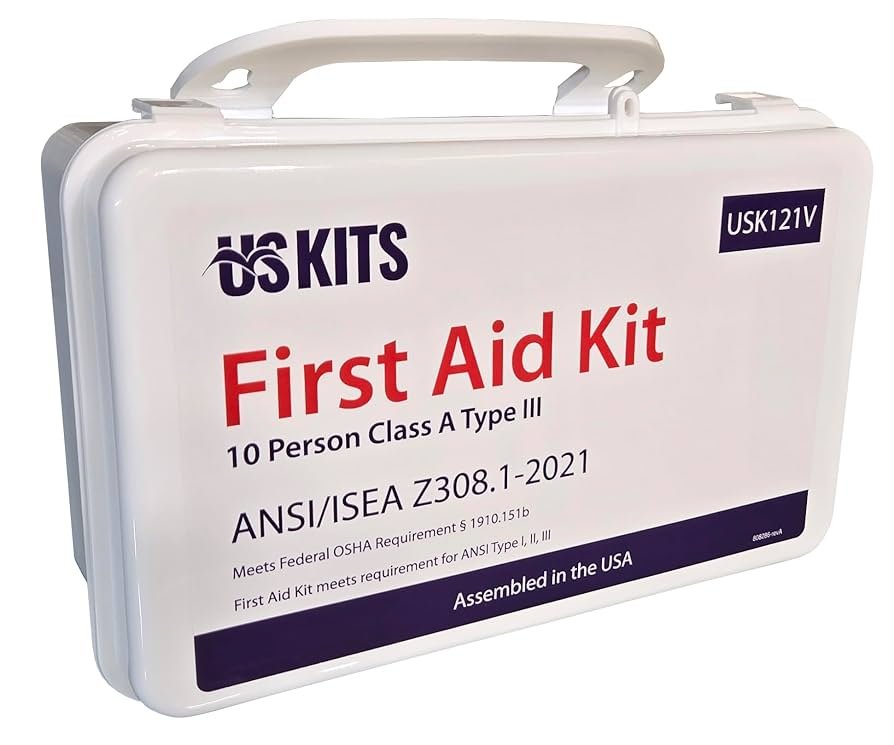
When it comes to safety, being prepared can make all the difference. Imagine having the right tools at your fingertips when an emergency strikes—wouldn’t that give you peace of mind?
Your 10 man first aid kit is designed to handle a variety of situations, whether you’re at work, outdoors, or managing a group. But what exactly should it include to keep everyone safe and ready? Keep reading, because we’re about to break down the essential items you need to build a reliable first aid kit that could protect you and those around you when it matters most.
Choosing The Right First Aid Kit
Choosing a 10 Man First Aid Kit ensures enough supplies for a small group during emergencies. It contains essentials to treat common injuries quickly and effectively. Perfect for teams, it keeps everyone safe and prepared.
Choosing the right first aid kit is crucial for effective emergency response. A well-stocked kit can be a lifesaver in critical situations. Whether camping, hiking, or at home, having the right supplies ensures preparedness. Here are key factors to consider when selecting a 10-man first aid kit.Essential Features To Look For
A comprehensive first aid kit should include basic medical supplies. Bandages, antiseptic wipes, and gauze pads are essential. Look for kits with a variety of sizes for different injuries. Include pain relievers and anti-inflammatory medications. Scissors and tweezers are useful for removing splinters. A first aid manual can guide you through procedures.Size And Portability Considerations
A compact and lightweight kit is ideal for travel. Easy to carry on hiking trips or camping adventures. The size should accommodate necessary supplies without being bulky. Consider a kit with compartments for organization. This helps in locating items quickly during emergencies.Durability And Waterproofing
Choose a kit with a sturdy case. It should withstand rough conditions outdoors. Waterproof materials protect contents from rain or water exposure. This is essential for outdoor activities. A durable first aid kit ensures longevity and reliability. Look for kits with zippers or seals to keep contents secure. Having the right first aid kit means you’re prepared for emergencies. Select a kit with essential features, portability, and durability. This ensures safety and efficiency in any situation.
Credit: www.amazon.co.uk
Top 10 Must-have Items
Every 10 man first aid kit needs essential items to handle common injuries and emergencies. These items help stop bleeding, reduce pain, and prevent infections. Having the right supplies boosts confidence and readiness in urgent situations.
Choose items that cover basic wounds, breathing issues, and temperature control. Quality and variety matter. Here are the top 10 must-have items for a reliable 10 man first aid kit.
Sterile Bandages And Dressings
Sterile bandages stop bleeding and protect wounds from dirt. Dressings cover larger cuts or burns. They keep injuries clean and help healing.
Antiseptic Wipes And Creams
Antiseptic wipes clean wounds quickly. Creams prevent infection and soothe the skin. Both reduce the risk of harmful bacteria.
Pain Relievers And Medications
Basic pain relievers like ibuprofen or acetaminophen ease pain and reduce fever. Include allergy medicine for unexpected reactions.
Tweezers And Scissors
Tweezers remove splinters or debris from wounds. Scissors cut bandages or clothing gently. Both tools improve first aid precision.
Adhesive Tape And Gauze
Adhesive tape secures bandages firmly. Gauze pads absorb blood and fluid. Together, they keep dressings in place and clean.
Gloves And Face Masks
Gloves protect both the caregiver and patient from germs. Face masks reduce the spread of airborne infections during treatment.
Emergency Blanket
Emergency blankets keep injured people warm. They prevent shock by preserving body heat in cold or wet conditions.
Cpr Face Shield
A CPR face shield allows safe mouth-to-mouth resuscitation. It protects from germs and improves rescue breathing safety.
Thermometer
A thermometer checks for fever, signaling infections or illness. Early detection helps guide proper care decisions.
Instant Cold Pack
Instant cold packs reduce swelling and pain. They provide quick relief for sprains, bruises, or insect bites.
Specialized Tools For Survival
Specialized tools in a 10 Man First Aid Kit are not just extras—they are essentials that can make a real difference when lives are on the line. These tools go beyond basic bandages and antiseptics, offering solutions that help you manage complex injuries and stabilize patients until professional help arrives. Knowing how to use these items effectively can transform a chaotic emergency into a controlled response.
Multi-tool And Knife
A quality multi-tool and a sturdy knife are indispensable in survival situations. They let you cut clothing away from wounds, open packages of medical supplies, and even perform minor repairs on gear. I once had to use a knife to carefully remove tangled fabric from a friend’s arm after a fall, preventing further damage and speeding up treatment.
Look for tools with features like pliers, scissors, and screwdrivers. These can help you adapt to unexpected challenges quickly. Would you feel confident if you had to improvise with just your bare hands?
Splints And Immobilizers
Immobilizing an injured limb can prevent further harm and reduce pain dramatically. Splints and immobilizers in your kit must be easy to apply and sturdy enough to keep bones from shifting. In a hiking accident, I’ve seen how a simple foam splint stabilized a broken arm, making the patient more comfortable during the long wait for rescue.
Materials like aluminum, foam, or inflatable splints offer versatility depending on the injury. Remember, your ability to immobilize properly can be the difference between a quick recovery and long-term complications.
Burn Treatment Supplies
Burns demand immediate and specialized care to avoid infection and lessen damage. Including burn dressings and gels in your kit ensures you’re ready for scalds, flames, or chemical exposure. Once, I treated a severe sunburn with a cooling burn gel from my kit, which provided instant relief and helped prevent blistering.
Look for sterile, non-stick dressings and soothing ointments that promote healing. Do you know how to recognize the severity of a burn and when to seek emergency care?
Organizing Your Kit For Quick Access
Organizing your 10 man first aid kit ensures fast help during emergencies. A well-arranged kit saves time and reduces stress. Quick access to supplies can improve treatment outcomes. Simple organization methods keep your kit ready and efficient.
Categorizing Items By Use
Group supplies based on their function. Separate wound care, medications, and tools into different sections. This setup lets you grab what you need instantly. Use small bags or dividers inside the kit to keep groups apart. Clear categories reduce confusion in urgent moments.
Using Clear Containers
Store items in transparent boxes or bags. Clear containers show contents without opening them. This speeds up finding specific supplies. Choose waterproof containers to keep items dry. Stack containers neatly to save space and maintain order.
Labeling And Inventory Management
Label each container or section clearly. Use simple words or pictures for easy recognition. Keep a checklist of all items and update it regularly. Check expiration dates and replace used or old supplies. Regular inventory helps keep the kit complete and ready.
Maintenance And Restocking Tips
Maintaining and restocking your 10 Man First Aid Kit is essential to ensure it’s ready when you need it most. Neglecting this task can leave you with expired or missing supplies during an emergency. Taking a few minutes regularly to check and update your kit can make a big difference in safety and peace of mind.
Checking Expiry Dates Regularly
Expired items lose their effectiveness and can even be harmful. Make it a habit to scan through your kit every few months and check each product’s expiration date. Keep a calendar reminder or note in your phone to help you stay on track.
Don’t just toss expired items—replace them promptly. This small step keeps your kit reliable and avoids surprises when you need it most.
Replacing Used Or Damaged Supplies
After an emergency or training, some supplies will be used or damaged. Always restock these items right away so your kit remains complete and ready. Missing bandages or empty antiseptic bottles can cause delays or complications.
Inspect your kit for wear and tear regularly. Torn packaging or dried-out ointments should be swapped out immediately.
Seasonal Adjustments For Your Kit
Different seasons bring different risks. In winter, you might need more burn dressings for heating accidents, while summer calls for extra insect bite relief and sunburn care. Think about the environment your team will face and tailor your kit accordingly.
Adding season-specific items keeps your kit practical and effective. What seasonal dangers could you prepare for in your area?

Credit: www.walmart.com
Using Your First Aid Kit Effectively
Knowing how to use your 10 Man First Aid Kit effectively can make a real difference during an emergency. It’s not just about having the supplies; it’s about applying the right skills at the right time. Let’s break down the essential knowledge you need to act confidently and safely.
Basic First Aid Skills Everyone Should Know
Before an emergency happens, make sure you can perform key first aid actions. These include:
- Checking responsiveness and calling for help
- Stopping bleeding using pressure and bandages
- Cleaning and dressing wounds properly to prevent infection
- Performing CPR if someone stops breathing
- Handling burns with cool water and appropriate dressings
Practicing these skills regularly can boost your confidence. Have you ever felt unsure about what to do in a sudden injury? Learning these basics is your first step to being prepared.
Emergency Situations And Priorities
In any emergency, prioritize your actions to save lives and reduce harm. Always check the scene first—is it safe to approach? Your own safety comes first; you can’t help others if you become a victim.
Next, assess the injured person’s condition quickly:
- Is the person conscious and breathing?
- Is there severe bleeding that needs immediate attention?
- Are there signs of shock or broken bones?
Address the most critical issues first. For example, stopping heavy bleeding can prevent shock. Have you practiced how to stay calm and focused when seconds count?
When To Seek Professional Help
Some injuries need more than your first aid kit and skills. Call emergency services if you notice:
- Unconsciousness or difficulty breathing
- Severe bleeding that won’t stop
- Signs of a heart attack or stroke
- Deep wounds, burns covering large areas, or broken bones
- Allergic reactions causing swelling or difficulty breathing
Don’t hesitate to get professional help even if you’re unsure. It’s better to be safe than sorry. Have you ever waited too long and wished you had called sooner?
Building A Customized Survival Kit
Building a customized survival kit ensures readiness for any emergency. Each person’s needs differ based on lifestyle, environment, and health. A kit tailored to these factors increases safety and confidence. It combines essential supplies with personal items. This approach maximizes efficiency and usability in critical moments.
Assessing Personal Needs And Risks
Start by evaluating the environment you face daily. Urban, rural, or wilderness settings demand different supplies. Consider climate, common injuries, and available help. Account for allergies, medical conditions, and medications. Think about who will use the kit. Children, elderly, or people with disabilities need special care. Identify common risks to prepare well.
Adding Specialty Items
Include tools that meet your unique challenges. For example, insect repellent suits forest areas. A water purifier fits places with uncertain water sources. Add extra bandages for known health issues like diabetes. Carry personal hygiene products if clean water is scarce. Pack emergency contact info and copies of important documents. Specialty items improve survival chances in real situations.
Balancing Weight And Functionality
Keep the kit light to carry easily but complete. Heavy kits discourage regular use and slow response. Prioritize multi-use tools to save space and weight. Choose compact, durable items that last long. Organize supplies in clear, labeled compartments. This speeds up finding items under stress. Balance is key to a practical survival kit.

Credit: www.shdmedical.co.uk
Frequently Asked Questions
What Is Included In A 10 Man First Aid Kit?
A 10 man first aid kit typically includes bandages, antiseptic wipes, adhesive tape, scissors, gloves, pain relievers, and burn dressings. It is designed to treat common injuries for up to ten people in emergencies.
How Long Does A 10 Man First Aid Kit Last?
The kit’s supplies usually last until they are used or expire. Regularly check and replace expired items to ensure readiness for emergencies.
Where Should I Store A 10 Man First Aid Kit?
Store the kit in an accessible, dry, and cool location. Ensure everyone in the group knows where it is kept for quick emergency access.
Can A 10 Man First Aid Kit Handle Serious Injuries?
It is designed for minor to moderate injuries. For serious injuries, seek professional medical help immediately while providing basic care.
Conclusion
A good first aid kit can make a big difference in emergencies. It helps you act fast and stay calm. Keep your kit stocked with essential items for common injuries. Check it often to replace used or expired supplies. A well-prepared kit gives you confidence and peace of mind.
Everyone should have one at home, in the car, or outdoors. Being ready means you can help yourself and others. Safety starts with simple steps. Don’t wait—start building your man first aid kit today.

I’m Abby Lu, a passionate home cook who loves simplifying everyday meals. At PlugChef.com, I share product reviews and cooking guides to help you find the best tools for your kitchen.
Related posts:
 What Type of Cooking Utensils are Safe: Expert Picks
 What Innovations Could Blenders Make: Unleashing Future Tech
 Smart Strategies to Organize a Small Kitchen: Maximize Space
 How to Organize a Kitchen Cabinet: Expert Tips & Tricks
 How to Organize Kitchen Drawers: Expert Tips and Tricks
 How to Organize a Corner Kitchen Cupboard: Expert Tips

