
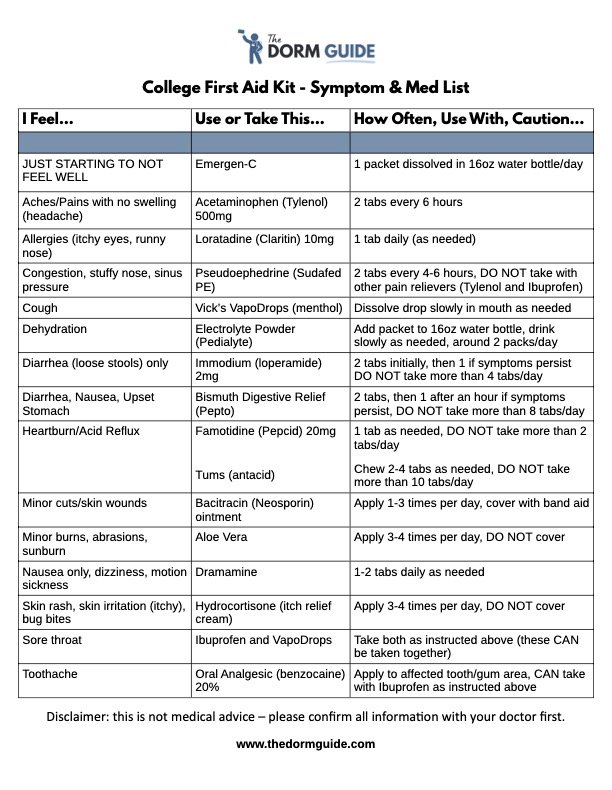
Imagine this: you’re settling into college life, busy with classes, friends, and new experiences. Suddenly, a small injury or illness strikes.
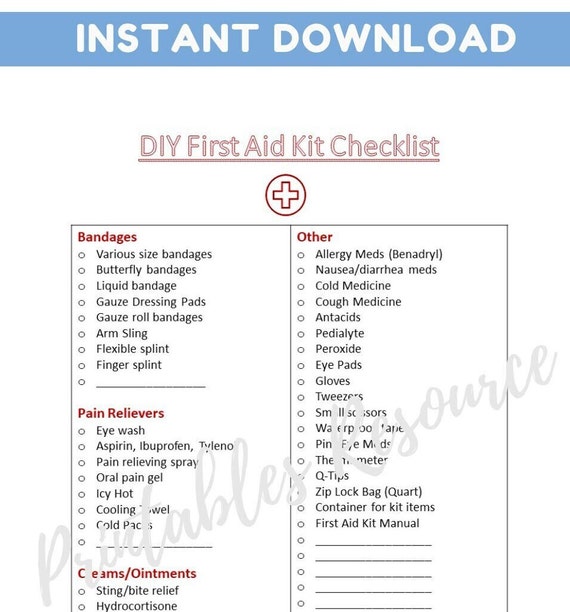
Would you know exactly what to grab from your first aid kit? Having the right supplies on hand can make all the difference in handling minor emergencies quickly and confidently. You’ll find a simple, easy-to-follow checklist to build your perfect college first aid kit.
Keep reading to make sure you’re prepared for whatever comes your way—because your health and peace of mind matter.
Basic Supplies
Having a well-stocked first aid kit is a must-have for every college student. It’s like having a safety net when accidents happen. Whether you have a paper cut or something more serious, the basic supplies in your first aid kit can make all the difference. Let’s dive into the essential items that should be in your kit.
Adhesive Bandages
Adhesive bandages are the heroes of minor cuts and scrapes. They come in various sizes and shapes, perfect for covering wounds and preventing infections. Keep a handful in your kit, and you’ll be prepared for those inevitable blisters from new shoes or paper cuts from late-night study sessions.
Antiseptic Wipes
Antiseptic wipes are crucial for cleaning wounds and ensuring they don’t get infected. They’re portable and easy to use, making them ideal for your college kit. Picture this: you’re out hiking with friends, and you scrape your knee. Antiseptic wipes can clean the wound in seconds, helping you avoid any nasty infections.
Gauze Pads And Tape
For larger cuts and injuries, gauze pads and tape are indispensable. They offer a larger surface area for coverage and keep wounds clean and secure. Imagine playing sports and getting a bad scrape. Gauze pads can help manage bleeding and protect the injury until you get proper medical attention.
Cotton Balls And Swabs
Cotton balls and swabs are versatile tools in any first aid kit. Use them to apply ointments or clean around wounds. They’re gentle and effective, making them great for delicate tasks. Ever tried cleaning a small cut on your finger? Cotton swabs can reach those tricky spots without causing more pain.
Having these basic supplies means you’re prepared for minor accidents. But ask yourself, is your kit ready for anything? Equip yourself with these essentials and face any small mishap with confidence.

Credit: www.instagram.com
Medications
Having the right medications in your college first aid kit can make a huge difference during unexpected health issues. You never know when a headache, allergy, or upset stomach might strike, and being prepared helps you stay focused on your studies and activities. Let’s look at some essential medication categories you should keep handy.
Pain Relievers
Pain relievers like ibuprofen and acetaminophen are must-haves. They can quickly ease headaches, muscle pain, or cramps after a long day of classes or sports. Remember to check the dosage instructions and avoid mixing different painkillers without consulting a healthcare professional.
Allergy Medicine
If you suffer from allergies, having antihistamines like loratadine or diphenhydramine can be a lifesaver. Allergies can flare up suddenly due to new environments or seasonal changes. Keeping allergy medicine in your kit means you won’t miss out on activities or feel miserable during an unexpected reaction.
Cold And Flu Remedies
Colds and flu can hit hard, especially in shared dorms or crowded lecture halls. Stock up on remedies like decongestants, cough syrups, and throat lozenges. These help reduce symptoms and keep you comfortable enough to get through your day or rest properly.
Antacids
Late-night study sessions and quick meals can lead to indigestion or heartburn. Antacids like calcium carbonate tablets can provide fast relief. Having them ready ensures you won’t let stomach discomfort distract you from your work or social time.
Tools And Equipment
Having the right tools and equipment in a college first aid kit is vital. These items help treat minor injuries quickly and prevent infections. Each tool serves a clear purpose and must be easy to use.
Tweezers And Scissors
Tweezers are essential for removing splinters or small debris from the skin. Scissors help cut bandages, tape, or clothing when needed. Choose stainless steel tools for durability and easy cleaning.
Thermometer
A thermometer helps check for fever, a common sign of illness. Digital thermometers are fast and accurate. Keep batteries handy to ensure it works when needed.
Instant Cold Packs
Instant cold packs reduce swelling and pain from sprains or bumps. They activate quickly without refrigeration. Always include a few in your kit for quick relief.
Disposable Gloves
Disposable gloves protect against germs during first aid. Use them before touching wounds or bodily fluids. Keep several pairs for safe and hygienic care.
Personal Care Items
Personal care items are essential in a college first aid kit because they help you manage minor skin irritations, burns, and eye discomforts quickly. Having these items on hand saves time and prevents small issues from becoming bigger problems. Think about those moments when a rash flares up or your lips crack during a chilly day—having the right supplies makes all the difference.
Hydrocortisone Cream
Hydrocortisone cream is a must-have for calming itching and inflammation caused by allergies, insect bites, or minor skin rashes. It works fast to reduce redness and soothe irritated skin, helping you stay comfortable during long study sessions. Do you know how frustrating it can be to focus with constant itching? This cream can give you relief in minutes.
Burn Cream
Burn cream is vital for treating minor burns from hot drinks, cooking mishaps, or even sunburns. It helps cool the skin and promotes faster healing while preventing infection. Imagine spilling a hot coffee during a busy morning—having burn cream ready can ease the pain immediately and keep you going.
Eye Wash Solution
Eye wash solution is crucial if you ever get dust, smoke, or chemicals in your eyes during science labs or outdoor activities. It gently flushes out irritants and reduces the risk of eye infections. Have you ever experienced the distraction of gritty, irritated eyes? Eye wash can restore comfort quickly, helping you get back to your day.
Lip Balm With Spf
Lip balm with SPF protects your lips from drying out and shields them from harmful UV rays, especially during outdoor events or long walks across campus. Lips are often forgotten but are highly vulnerable to sun damage and cracking. Wouldn’t you want to keep your smile healthy and comfortable no matter the weather?
Emergency Extras
Emergency Extras can make all the difference when you need quick and effective help during a college mishap. These items go beyond the basics, preparing you for situations that demand immediate attention or special care. Think of them as your safety net when every second counts.
Cpr Face Shield
Having a CPR face shield in your first aid kit is a smart move. It protects you from direct contact while performing rescue breaths during CPR, reducing the risk of infection. Plus, it’s compact and easy to carry, so you won’t feel weighed down.
I once saw a student save a friend using a CPR face shield. Without it, hesitation might have cost precious moments. Can you imagine being ready to help but held back by fear of germs?
Emergency Contact List
Your phone might die or get lost in a crisis. That’s why a printed emergency contact list is essential. Include numbers for campus security, local hospitals, close family, and roommates.
Keep the list in your kit or wallet. It’s a small step that ensures you or someone assisting you can call for help immediately. Have you checked recently if all your emergency contacts are up to date?
First Aid Manual
A compact first aid manual is a handy guide when you’re unsure how to respond. It offers clear instructions on treating common injuries like cuts, burns, or sprains. This can boost your confidence and effectiveness during an emergency.
Choosing a manual with pictures and simple language makes it easier to follow under stress. Would you feel more prepared knowing exactly what to do in a pinch?
Flashlight And Batteries
A reliable flashlight with extra batteries is crucial, especially during power outages or late-night emergencies. It helps you navigate safely and inspect injuries in the dark. Don’t just toss it in—test it regularly to make sure it works.
Imagine needing to find a bandage in a blackout without any light. Having a flashlight can prevent panic and help you stay calm. Do you have one handy right now?
Credit: www.etsy.com
Storage Tips
Proper storage keeps your college first aid kit ready for use. A well-stored kit protects supplies from damage and loss. It saves time during emergencies and helps maintain order. Follow these storage tips for a reliable first aid kit.
Choosing A Durable Container
Select a container that withstands daily wear and tear. Plastic boxes with secure lids work well. Water-resistant or waterproof cases protect contents from spills. Compact size helps carry the kit easily. A clear container lets you see supplies without opening it.
Organizing Supplies
Arrange items by type or use. Use small compartments or zip-lock bags for grouping. Keep bandages, ointments, and tools separate. Label sections or bags for quick access. This system saves time in urgent situations and avoids clutter.
Regularly Checking Expiry Dates
Check all medicines and ointments often. Remove expired or nearly expired items promptly. Replace them to keep the kit effective. Keep a list of expiry dates for easy tracking. This practice ensures safe and effective first aid supplies.
Keeping The Kit Accessible
Store the kit in a place everyone knows. Avoid hidden or hard-to-reach spots. Keep it away from extreme heat or cold. Make sure it is easy to grab during emergencies. Accessibility improves response time and safety on campus.
Tailoring Kits
Creating a first aid kit for college means more than just grabbing generic supplies. Tailoring the kit ensures it fits your unique needs and lifestyle. This makes it easier to handle common injuries or health issues that might pop up during your college years.
Customizing your kit helps you stay prepared. It also saves space and avoids clutter. Think about your health, your roommates, activities, and the changing seasons. Each factor affects what you should keep in your kit.
Considering Personal Health Needs
Start with your own health conditions. Include medicines you take regularly. Add allergy treatments, like antihistamines or epinephrine if needed. Pain relievers for headaches or cramps are useful too. Don’t forget items for skin care or wound care that fit your skin type or sensitivities.
Adjusting For Roommates
Share your kit with roommates to cover more ground. Ask about their health issues or allergies. Add common items that everyone can use, such as bandages, antiseptic wipes, and cold packs. Keep the kit accessible and labeled clearly so everyone knows where to find it.
Including Sports-related Items
If sports play a part in your college life, add sport-specific supplies. Include athletic tape, muscle rubs, and ice packs. Consider items for minor sprains or strains. A small roll of gauze and extra bandages can handle scrapes from practice or games.
Updating For Seasonal Changes
Change your kit contents as seasons shift. Add sunscreen and insect repellent in warmer months. Include lip balm and moisturizer for cold, dry weather. Stock extra cold and flu medicines during winter. Regular updates keep your kit ready for any season’s challenges.

Credit: www.facebook.com
Frequently Asked Questions
What Essentials Should Be In A College First Aid Kit?
A college first aid kit should include bandages, antiseptic wipes, pain relievers, adhesive tape, scissors, and allergy medication. These items cover common injuries and minor illnesses. Having these essentials ensures you can handle emergencies quickly and safely on campus.
How Often Should I Check My First Aid Kit Supplies?
Check your first aid kit every three months to ensure supplies are fresh and complete. Replace expired medications and used items promptly. Regular checks keep your kit ready for emergencies and prevent unusable or outdated materials from causing problems.
Can I Customize My College First Aid Kit?
Yes, customize your first aid kit based on personal health needs and campus activities. Include items like inhalers, prescription medications, or sports tape if necessary. Tailoring your kit ensures you are prepared for specific emergencies relevant to your lifestyle.
Why Is A First Aid Kit Important In College?
A first aid kit helps manage minor injuries and illnesses promptly, preventing complications. It provides quick access to medical supplies during emergencies, especially when professional help may be delayed. Being prepared enhances safety and confidence on campus.
Conclusion
A college first aid kit keeps you ready for small injuries. Carrying basic supplies helps you handle cuts, scrapes, and headaches. Check your kit often to replace used or expired items. A well-stocked kit saves time and stress during emergencies.
Stay safe by preparing your kit before college starts. Simple steps like this protect your health every day. Don’t wait for accidents to happen—be ready now.

I’m Abby Lu, a passionate home cook who loves simplifying everyday meals. At PlugChef.com, I share product reviews and cooking guides to help you find the best tools for your kitchen.
Related posts:
 What Type of Cooking Utensils are Safe: Expert Picks
 What Innovations Could Blenders Make: Unleashing Future Tech
 Smart Strategies to Organize a Small Kitchen: Maximize Space
 How to Organize a Kitchen Cabinet: Expert Tips & Tricks
 How to Organize Kitchen Drawers: Expert Tips and Tricks
 How to Organize a Corner Kitchen Cupboard: Expert Tips

