
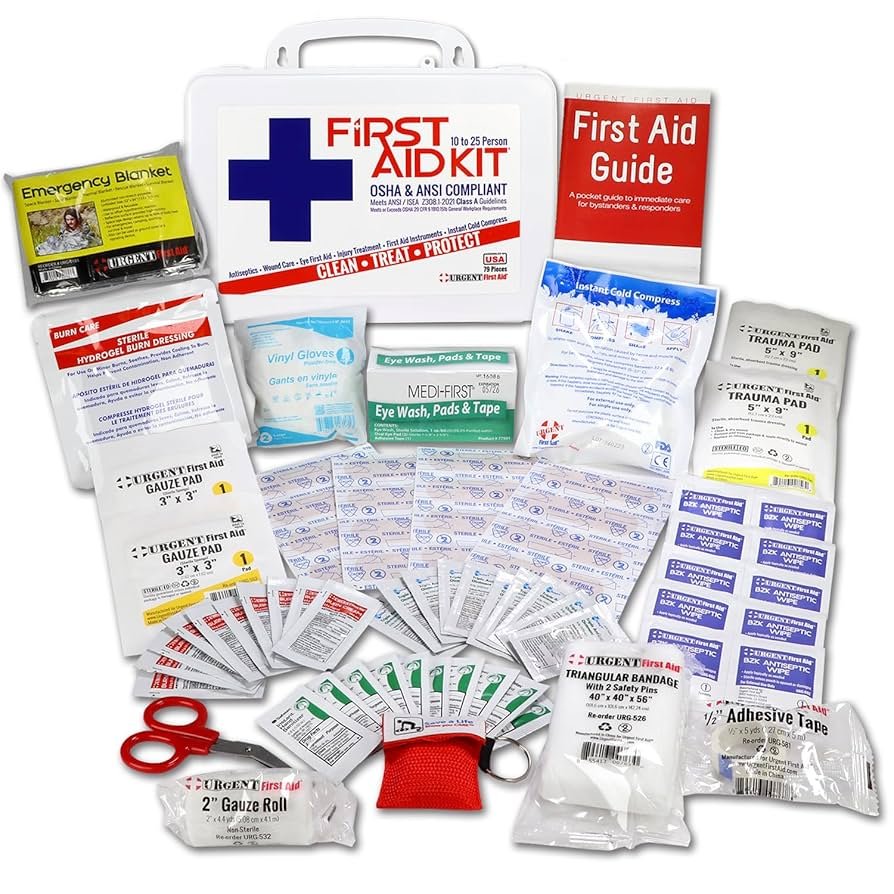
When it comes to safety, having the right first aid kit can make all the difference. But do you know what an ANSI first aid kit should contain?
If you want to be truly prepared for emergencies at your workplace or on the go, understanding these essentials is key. You’ll discover exactly what items your ANSI first aid kit needs to meet standards and keep you ready for any situation.
Keep reading to make sure your kit is packed with everything necessary to protect yourself and others when it matters most.
Credit: rescue-essentials.com
Ansi Standards For First Aid Kits
ANSI standards ensure first aid kits meet essential safety requirements. These guidelines help maintain workplace safety by specifying kit contents. Following ANSI standards, kits are equipped to handle common emergencies effectively. They ensure everyone has access to necessary medical supplies.
Key Compliance Requirements
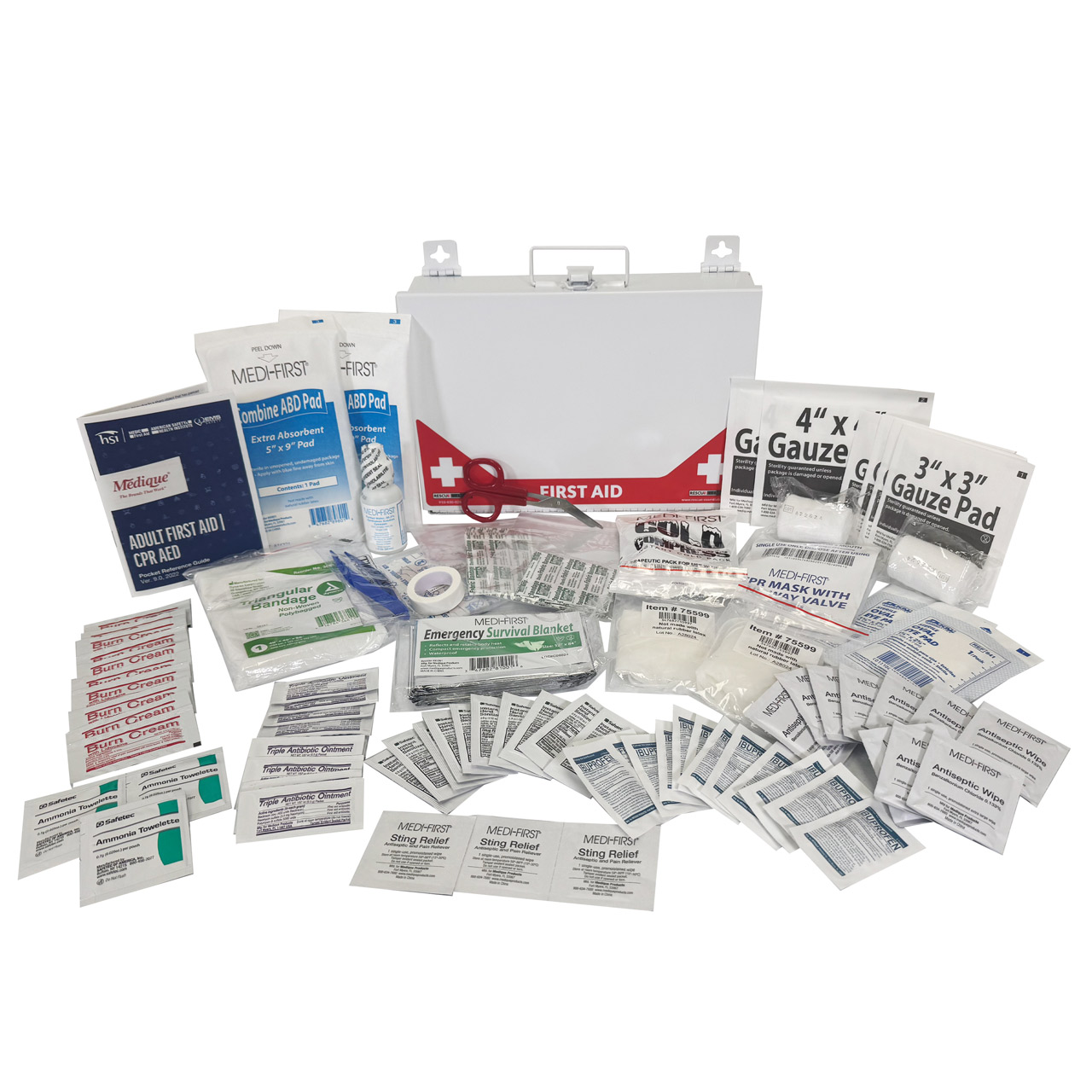
ANSI standards require specific items in first aid kits. These include bandages, antiseptic wipes, and burn dressings. Kits must contain tools for treating minor injuries and preventing infections. Each item should be easily accessible and labeled clearly. Compliance ensures readiness in case of emergencies.
Kit Size And Capacity
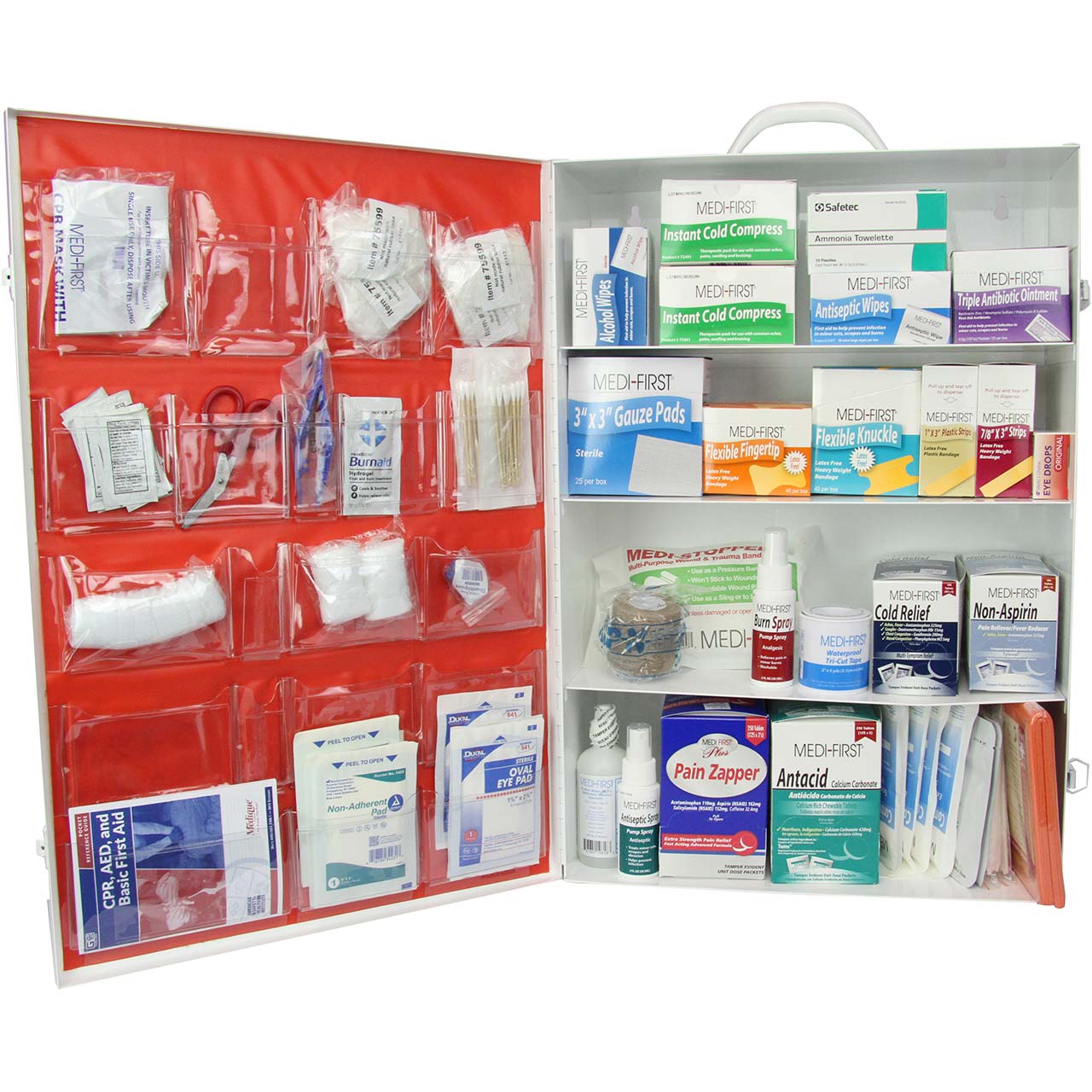
ANSI defines different kit sizes based on workplace needs. Small kits are suitable for less risky environments. Larger kits are meant for high-risk areas with more employees. Kits must have enough supplies for multiple people. Size and capacity ensure appropriate response to incidents.
Credit: rescue-essentials.com
Basic First Aid Supplies
Having the right basic first aid supplies can make a real difference in how you handle minor injuries and emergencies. These essentials help you stop bleeding, prevent infection, and protect wounds effectively. You might think a first aid kit is just a box of random items, but each supply plays a crucial role when seconds count.
Bandages And Dressings
Bandages and dressings are your first line of defense against cuts and scrapes. They cover wounds to keep dirt and germs out, helping them heal faster. You’ll want a variety of sizes, from small adhesive bandages for tiny cuts to larger sterile dressings for deeper wounds.
Think about when you last scraped your knee—did you have the right bandage on hand to stop the bleeding quickly? Having an assortment ensures you’re ready for any size injury, whether it’s a paper cut or a more serious scrape.
Antiseptics And Ointments
Cleaning a wound is just as important as covering it. Antiseptics like alcohol wipes or iodine solutions kill bacteria that can cause infections. Ointments such as antibiotic creams speed up healing and reduce the risk of scarring.
Ever tried using a first aid kit without antiseptic? You might have noticed wounds taking longer to heal or feeling more irritated. Keeping these items handy means you can treat injuries properly right away.
Adhesive Tapes And Gauze
Adhesive tapes hold your bandages and dressings securely in place, so they don’t slip or get dirty. Gauze pads offer extra protection and absorb blood or fluid from wounds. Both come in different types and sizes to fit various needs.
Imagine trying to keep a bandage on your elbow without tape—it would be a constant struggle. Proper adhesive tapes and gauze make sure your first aid treatment stays effective while you focus on recovery.
Tools And Equipment
Ansi first aid kits include essential tools and equipment for treating injuries quickly. These items help manage wounds, prevent infections, and provide emergency care. Every tool has a specific role and must be reliable and easy to use.
Proper tools make first aid more effective and safer. They allow you to act fast and with confidence during emergencies. Below are important tools found in a standard Ansi first aid kit.
Scissors And Tweezers
Scissors are sharp and sturdy for cutting bandages, tape, and clothing. They help expose wounds for treatment without causing more harm. Tweezers are small but precise for removing splinters, glass, or debris from the skin. Both tools must be clean and rust-free to avoid infections.
Disposable Gloves
Disposable gloves protect both the helper and the injured person. They prevent contact with blood, fluids, and germs. Gloves reduce the risk of spreading infections during first aid. It is vital to wear gloves before touching any wound or body fluid.
Cpr Masks And Barriers
CPR masks provide a safe way to give rescue breaths during CPR. Barriers block direct contact with the injured person’s mouth and nose. These tools reduce the chance of disease transmission. Having a CPR mask in your kit increases readiness for emergencies.
Specialized Items For Workplace Hazards
Specialized items in an ANSI First Aid Kit are designed to address specific workplace hazards that go beyond basic cuts and bruises. Depending on your work environment, having the right tools can make a critical difference in handling emergencies swiftly and effectively. Are you confident your kit covers the unique risks your team might face every day?
Burn Care Materials
Burn injuries demand immediate and appropriate care to prevent infection and reduce damage. Your first aid kit should include burn dressings, gels, and sterile non-stick pads. These supplies help cool the burn and protect sensitive skin while avoiding further harm.
Consider your workplace hazards: are workers exposed to chemicals, hot surfaces, or flames? Having burn care materials ready can save valuable time and reduce recovery periods. Don’t wait for an accident to realize these items are missing.
Eye Wash Solutions
Eye injuries can happen quickly, especially in environments with dust, chemicals, or flying debris. Including sterile saline solutions or eyewash bottles ensures you can flush out irritants immediately. Prompt irrigation reduces the risk of permanent damage or infection.
Think about how accessible your eye wash supplies are during a crisis. Are they easy to find and use? You want everyone to act fast without fumbling through the kit.
Emergency Blankets
Emergency blankets aren’t just for cold weather—they help stabilize body temperature after shock or injury. They reflect body heat and provide protection from wind or rain. Having these in your kit shows preparedness for a variety of scenarios.
Do you realize how quickly shock can worsen an injury’s outcome? Keeping someone warm with an emergency blanket can be a simple yet life-saving step before professional help arrives.
Maintaining And Restocking Kits
Maintaining and restocking your ANSI first aid kit is not just about keeping supplies on hand—it’s about being prepared when every second counts. A well-maintained kit ensures you can respond effectively to injuries without delay. Neglecting this task could mean missing critical items or using expired products when you need them most.
Regular Inspections
Check your first aid kit regularly, at least once a month. Look for any damaged packaging or missing items that could reduce the kit’s effectiveness. This simple habit helped me catch a torn bandage package before it became useless during an emergency.
During inspections, verify that all essential items like bandages, antiseptics, and gloves are present. Don’t wait until you need the kit to find out something is missing. Keeping a checklist next to your kit makes this process quick and easy.
Expiration Dates
Expired items can fail when you rely on them most. Pay close attention to the expiration dates on ointments, medications, and sterile supplies. I once found an expired antiseptic that could have caused more harm than good if used.
Set reminders to replace expired products promptly. It’s a small effort that ensures your kit remains safe and reliable. Think about the last time you checked your kit’s expiration dates—could it be time again?
Record Keeping
Keep a log of what you remove and add to your first aid kit. This record helps track usage and identify items that need frequent replacement. I found that tracking restocks saved me from overbuying and kept the kit organized.
Use a simple notebook or digital app to note dates and quantities of supplies added or used. This system can also alert you to when the next inspection or restock is due. How well do you know the status of your first aid kit right now?
Selecting The Right Kit For Your Needs
Choosing the right ANSI first aid kit means matching it to your specific needs. Not every kit fits every situation, so understanding your environment is key. You want a kit that’s ready for the kinds of injuries or emergencies that could realistically happen where you work or live.
Assessing Workplace Risks
Start by looking at your workplace or home environment closely. What types of hazards are present? For example, an office setting might have more cuts or strains, while a construction site faces risks like burns, fractures, or heavy bleeding.
Think about the number of people in the space and the nature of their tasks. Are chemicals used? Are sharp tools common? This assessment helps you figure out what medical supplies are essential.
Ask yourself: What injuries have happened before? What could happen? Knowing these details guides you to a kit designed to handle those risks effectively.
Customizing Kit Contents
ANSI kits come with standard items, but you can add or remove supplies based on your needs. Don’t just settle for a generic kit if you know certain items are more relevant to your environment.
For instance, if you work in a kitchen, adding burn dressings and gloves is smart. In a warehouse, extra bandages and splints might be necessary. You can even include allergy medications if anyone is prone to severe reactions.
- Check expiration dates regularly to keep supplies fresh.
- Include personal medications if appropriate and allowed.
- Train your team on using the specific contents of your customized kit.
Have you ever needed something in a first aid kit only to find it missing? Customizing your kit means you won’t face that frustration. It’s about being prepared in a way that makes sense for you and your space.

Credit: rescue-essentials.com
Frequently Asked Questions
What Are The Essential Items In An Ansi First Aid Kit?
An ANSI first aid kit includes bandages, antiseptic wipes, gauze pads, adhesive tape, scissors, and gloves. These items help treat minor injuries quickly and effectively.
How Does An Ansi First Aid Kit Differ From Regular Kits?
ANSI kits meet specific safety and content standards set by the American National Standards Institute. They ensure all necessary supplies for workplace safety are included.
Why Is Ansi Certification Important For First Aid Kits?
ANSI certification guarantees the kit meets quality and content standards. It ensures the kit is reliable for emergency treatment in workplaces and public areas.
How Often Should You Check Ansi First Aid Kit Contents?
Check the kit monthly to replace used or expired items. Regular inspections keep the kit ready for emergencies and compliant with safety regulations.
Conclusion
A well-stocked ANSI first aid kit helps you stay ready for emergencies. It contains essential items for quick care and safety. Knowing what’s inside makes it easier to act fast. Keep your kit checked and refilled regularly. This simple step can protect you and others.
Safety starts with being prepared and informed. Trust your kit to support you when it matters most.

I’m Abby Lu, a passionate home cook who loves simplifying everyday meals. At PlugChef.com, I share product reviews and cooking guides to help you find the best tools for your kitchen.
Related posts:
 What Type of Cooking Utensils are Safe: Expert Picks
 What Innovations Could Blenders Make: Unleashing Future Tech
 Smart Strategies to Organize a Small Kitchen: Maximize Space
 How to Organize a Kitchen Cabinet: Expert Tips & Tricks
 How to Organize Kitchen Drawers: Expert Tips and Tricks
 How to Organize a Corner Kitchen Cupboard: Expert Tips

